In the rapidly evolving landscape of interactive entertainment, the industry has historically operated on a rigid, predictable rhythm: a new console generation arrives every five to seven years, forcing developers to scramble to keep pace with shifting hardware architectures. However, as the industry matures, a growing segment of veteran developers is beginning to view the delay of next-generation hardware not as a setback, but as a long-awaited reprieve.
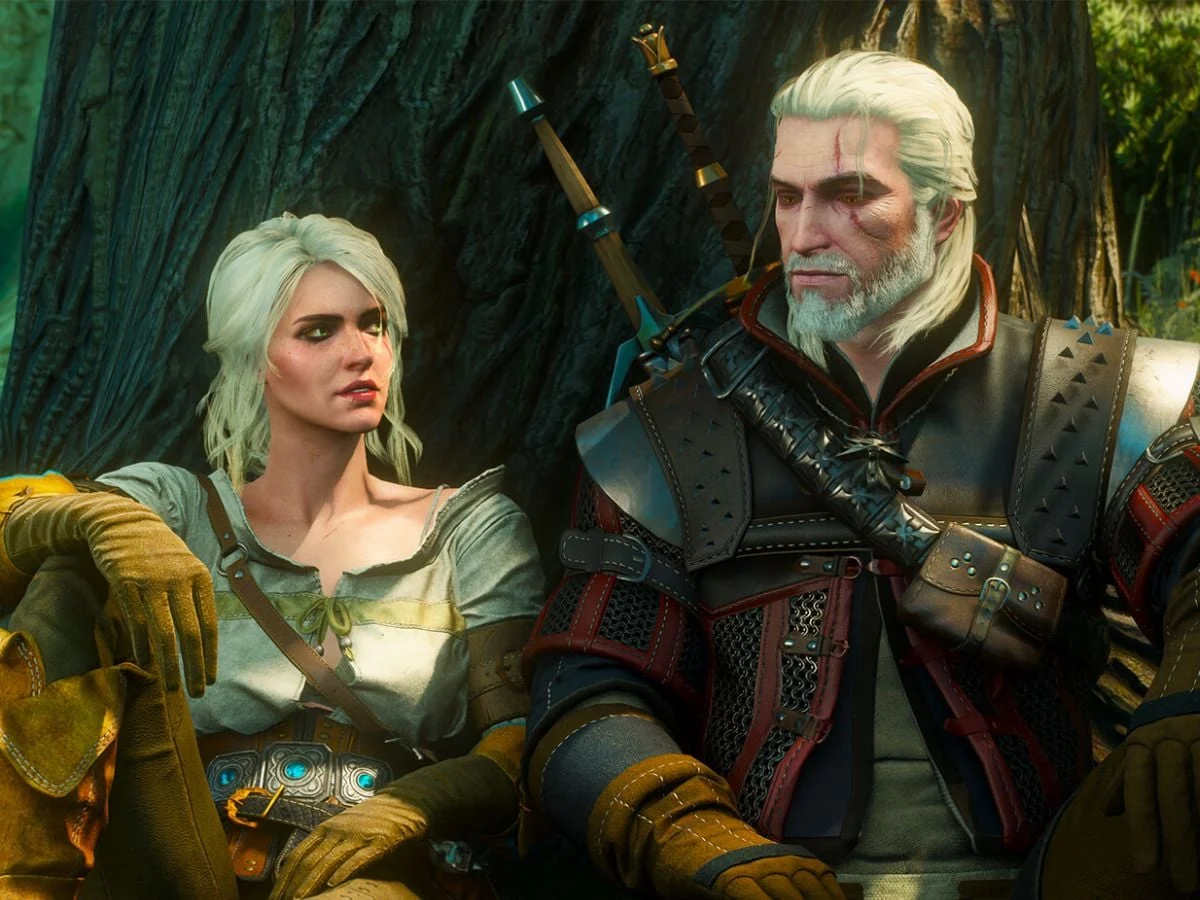
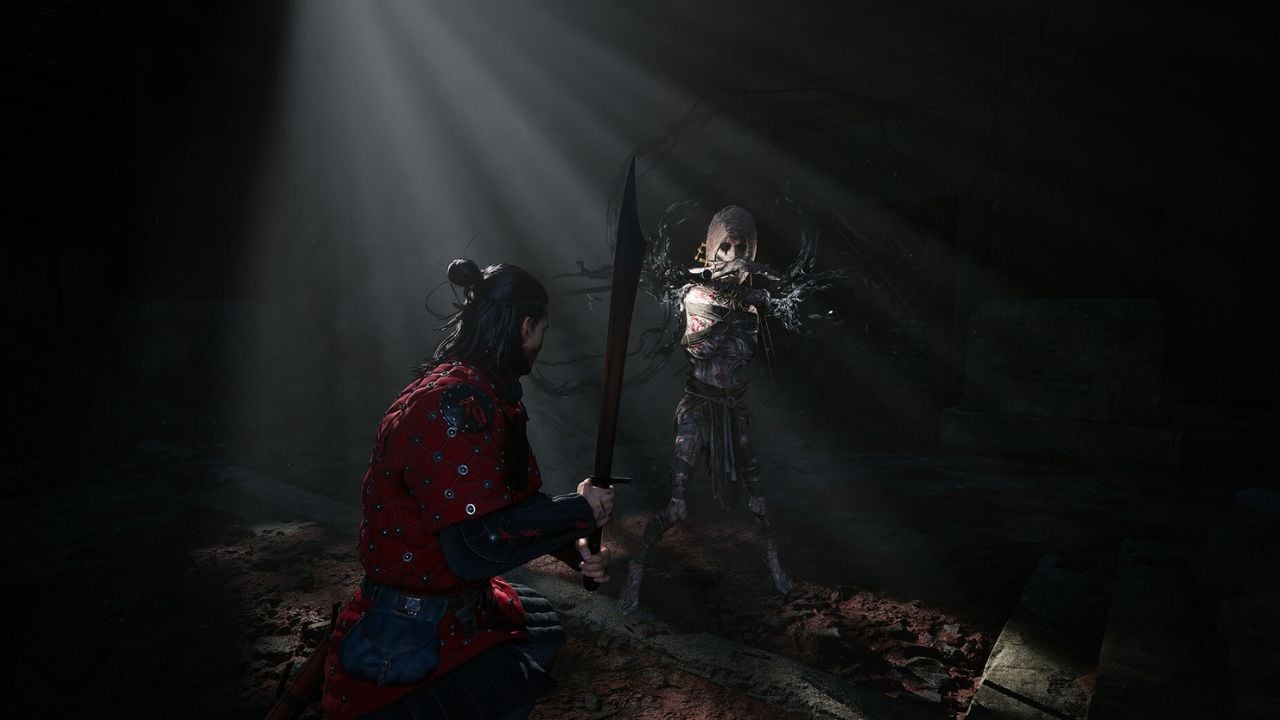
Konrad Tomaszkiewicz, the acclaimed director behind the genre-defining The Witcher 3: Wild Hunt and current head of the newly formed Rebel Wolves studio, recently offered a refreshing perspective on the current state of console lifecycles. As his team works diligently on their debut dark-fantasy RPG, The Blood of Dawnwalker, Tomaszkiewicz has signaled that the current delay in the release of mid-cycle upgrades or next-generation hardware is a strategic boon for game quality and studio sustainability.
The Evolution of the Development Lifecycle
For decades, the "console war" model dictated that developers must pivot their technical infrastructure to accommodate new hardware the moment it hit the shelves. This transition is rarely seamless. It involves re-optimizing engines, training staff on new proprietary development kits, and navigating the inherent instability of early-adopter hardware.
Tomaszkiewicz, whose career spans the era of Cyberpunk 2077 and the growth of CD Projekt RED, understands these pressures better than most. In a recent interview with Eurogamer, he addressed the common industry anxiety regarding the delay of the PlayStation 6 and the next iteration of the Xbox. Rather than expressing concern over potential limitations, Tomaszkiewicz suggested that the current stability of the current generation is a massive advantage.
"It doesn’t [impact us] at all, and to be honest, it’s even better for us," Tomaszkiewicz remarked. "Because when you have the game and you know the systems and the features adjusted to these particular consoles, you know what you need to do."
Understanding the "Border" of Technical Innovation
One of the most significant challenges in software development is the concept of "hardware boundaries." Every console platform has specific limits on processing power, memory bandwidth, and storage I/O. When developers are forced to move between platforms—or develop for an entirely new one—they must spend a disproportionate amount of time determining what is technically feasible within that hardware’s "box."
"Always, a new platform is a new challenge," Tomaszkiewicz explained. "You need to learn it, you need to know what are your borders, what you can do, what you cannot do. And also, it’s an additional build you need to create that you need to take care of later."
This sentiment highlights a critical, often overlooked aspect of game development: the hidden cost of multi-platform support. It is not merely a matter of "scaling" graphics; it is about ensuring the integrity of complex systems across different architectures. Every additional platform requires a dedicated testing cycle, a unique build pipeline, and long-term maintenance.
The High Cost of Quality Assurance
The logistical burden of supporting multiple platforms is frequently underestimated by the gaming public. Tomaszkiewicz pulled back the curtain on the labor-intensive reality of modern QA (Quality Assurance) testing.
"It sounds easy, but you need to know that there is a group of testers who need to test every platform separately—not only this particular change, but whether the whole game has no blockers, if you can finish it from the beginning to the end, and so on," he noted.
For a mid-sized studio like Rebel Wolves, which aims to produce high-fidelity, narrative-driven experiences, the "huge effort" of maintaining parity across consoles is a significant drain on resources. By staying on a stable platform for a longer period, developers can shift their focus away from technical troubleshooting and toward the refinement of gameplay mechanics, narrative depth, and artistic vision. This allows for a higher level of polish that is often sacrificed when teams are spread thin across too many hardware configurations.
Macro-Economic Factors and the Console "Delay"
The industry’s current hardware trajectory is largely dictated by external macro-economic pressures. The global semiconductor shortage, which defined the early years of the PlayStation 5 and Xbox Series X/S, forced both Sony and Microsoft to reconsider their deployment strategies. Furthermore, the skyrocketing costs of research, development, and manufacturing have made the transition to a new console generation more financially risky than ever before.
Microsoft, in particular, has been vocal about its exploration of "Project Helix" and the broader future of the Xbox ecosystem. Yet, as hardware prices continue to climb, both Sony and Microsoft have faced consumer pushback regarding the cost of entry. With consoles becoming more expensive and the performance gap between generations narrowing—diminishing returns, as some critics call it—the incentive to rush into a new generation is lower than it has been in years.
This environment has created a "long-tail" effect for the current generation, allowing games like The Blood of Dawnwalker to enjoy a longer shelf life and a more focused development environment.
Implications for the Future of Game Design
If the industry continues to favor longer console lifecycles, the implications for game design will be profound:

1. Refined Visual and System Fidelity
When developers spend six or seven years mastering a single hardware architecture, the results are evident in the games themselves. We saw this with the late-stage PlayStation 4 and Xbox One titles, which pushed the hardware to its absolute limit, resulting in some of the most visually stunning games of that decade. A longer current-gen cycle suggests that the best-looking games of the PS5/Xbox Series era are still yet to come.
2. Greater Focus on Creative Innovation
When the technical barrier to entry for a new console is removed, studios can pivot their budget toward creative innovation. Instead of investing millions of dollars into porting engines to new hardware, studios can hire more writers, artists, and gameplay designers to deepen the player experience.
3. Sustainability for Independent and Mid-Sized Studios
The "Rebel Wolves" model is a prime example of the modern independent studio. By avoiding the trap of chasing the latest, most expensive hardware, smaller teams can compete with AAA giants. They are no longer forced to compete on pure technical spectacle, but rather on the quality of their world-building and narrative execution.
The Road to 2026: The Blood of Dawnwalker
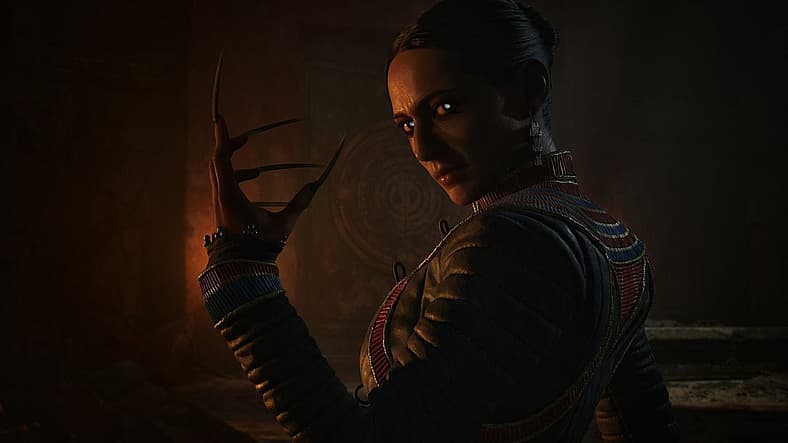
As we look toward the 2026 release window for The Blood of Dawnwalker, it is clear that Rebel Wolves is prioritizing a cohesive, refined experience over the ephemeral "next-gen" buzz. By leaning into the current, well-understood hardware, the team is positioning itself to deliver a product that is not hampered by the technical instability of a new generation.
For players, this is a win-win scenario. We are moving toward an era where the focus is shifting back to the "game" rather than the "hardware." While the allure of 8K gaming and hyper-realistic lighting will always be present, the industry appears to be entering a period of maturity where developers are finally being given the time and stability needed to truly master their craft.
In conclusion, Konrad Tomaszkiewicz’s perspective serves as a timely reminder that innovation in gaming is not always about higher polygon counts or faster clock speeds. Often, the most significant leaps in quality come from the quiet, iterative mastery of the tools at hand. As Rebel Wolves and other studios navigate the coming years, the "delay" of the next generation may well be remembered as the moment the industry decided to favor depth over speed—a choice that will ultimately define the next decade of interactive storytelling.