

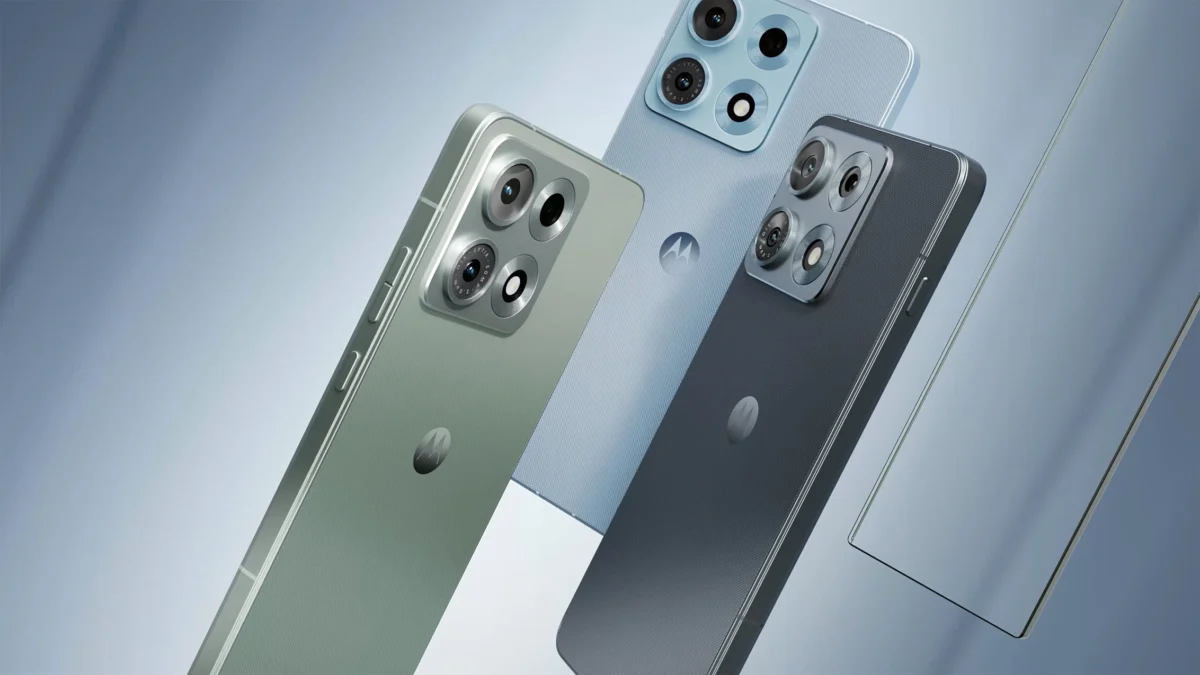
In the hyper-competitive landscape of 2026, the smartphone market has reached a point of maturity where hardware specifications alone are no longer the sole arbiter of a device’s success. Today, the longevity of a device—defined by its software support lifecycle—is as critical as the silicon under the hood. Motorola, a brand that has long oscillated between budget-friendly workhorses and ambitious flagships, recently unveiled its latest “flagship-killer,” the Motorola Edge 70 Max. On paper, the device is a technological marvel that pushes the boundaries of current mobile engineering. Yet, a stark discrepancy between its cutting-edge hardware and its archaic software commitment has sparked a heated debate among industry analysts and potential buyers alike.
The Main Facts: A Powerhouse Undermined
The Motorola Edge 70 Max arrives at a pivotal moment for the manufacturer. Positioned as a direct competitor to high-end devices from the likes of Samsung, Google, and OnePlus, the phone boasts an enviable spec sheet. At its core, it features the Qualcomm Snapdragon 8 Gen 5 processor, a chip that sets new benchmarks for mobile computing, graphics rendering, and AI-driven efficiency.
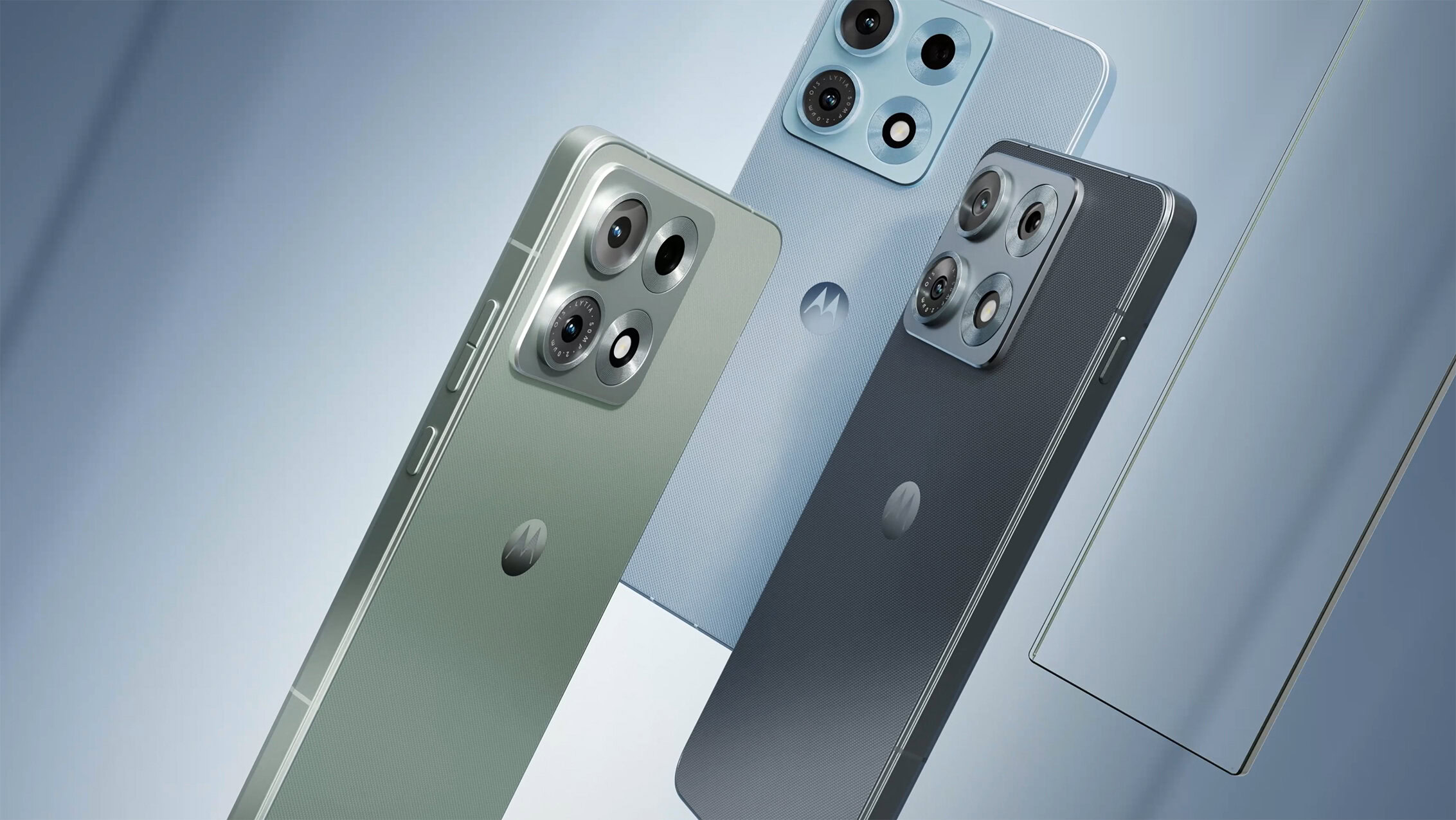
Beyond the chipset, Motorola has made significant strides in battery technology. The Edge 70 Max houses a massive 7,100mAh silicon-carbon battery—a capacity that dwarfs most industry standards. To complement this, the device introduces Qi2.2 magnetic wireless charging, offering a seamless integration of magnetic accessories and rapid energy replenishment. When paired with its premium build quality and high-end durability ratings, the Edge 70 Max feels like a device engineered to last for years.
However, the glossy facade of the Edge 70 Max hides a significant point of contention. According to the fine print on Motorola’s official UK product page, the device is slated for only two major Android OS upgrades and a mere three years of security patches. Given that the device launches with Android 16 out of the box, it will effectively reach its software “end-of-life” following the arrival of Android 18. In an era where flagship longevity is measured in half-decades or more, this policy appears dangerously out of step with consumer expectations.
A Chronology of the Smartphone Support Arms Race
To understand why the Edge 70 Max’s policy is so jarring, one must examine the rapid evolution of the software support “arms race” that has defined the last few years of the smartphone industry.
The Early Days: The "Disposable" Era
A decade ago, a two-year support cycle was considered standard. Manufacturers viewed smartphones as products with a two-year lifespan, largely tied to the duration of mobile carrier contracts. Software updates were infrequent, and security patches were often sporadic.
The Shift Toward Longevity
As hardware began to plateau in terms of meaningful yearly performance gains, manufacturers shifted their focus to user retention. Google and Samsung led this charge. Samsung, in particular, disrupted the market by promising four years of major OS updates and five years of security patches for its flagship lineup. Google followed suit, eventually pushing the envelope to an industry-leading seven years of support for its Pixel devices.
The 2026 Reality
By mid-2026, the industry standard for a £700 ($947) device has solidified. Consumers spending at this price point now expect a minimum of four to five years of OS updates. The fact that the Edge 70 Max, a device targeting the premium segment, clings to a two-year OS upgrade cycle is not just a minor oversight—it is a regression to an industry standard that was effectively abandoned by its primary competitors years ago.
Supporting Data: The Market Landscape
The implications of Motorola’s decision become clearer when compared to the broader market. When a consumer walks into a store to spend nearly $1,000, they are making an investment.
| Manufacturer | Device Class | OS Updates | Security Updates |
|---|---|---|---|
| Flagship | 7 Years | 7 Years | |
| Samsung | Premium/Flagship | 7 Years | 7 Years |
| OnePlus | Flagship | 4 Years | 5 Years |
| Motorola | Edge 70 Max | 2 Years | 3 Years |
The data paints a damning picture. Motorola’s policy is not only inferior to direct flagship rivals but also weaker than many entry-level devices from competing manufacturers. For a device that prides itself on a "flagship-killer" status, the software policy is a glaring weak point that undermines the investment value for the end user.
Official Responses and Corporate Strategy
Motorola has historically maintained a more conservative stance on software updates, often citing the complexity of its near-stock Android implementation and the diverse global variations of its hardware. While the company has not issued a formal press release specifically defending the Edge 70 Max’s policy, past communications suggest a corporate philosophy that prioritizes rapid hardware iteration over long-term software maintenance.
Industry insiders suggest that Motorola’s strategy is built around a "fast-fashion" model of consumer electronics. By keeping support windows shorter, the company potentially aims to encourage users to upgrade to the next iteration of the Edge series sooner. However, in 2026, this strategy faces a significant hurdle: sustainability and consumer awareness. Modern buyers are increasingly conscious of e-waste and are less inclined to replace a perfectly functional, high-performance device simply because it has stopped receiving security updates.
The Implications: Is the Edge 70 Max Still Viable?
The consequences of this short support window are twofold: the immediate impact on the consumer and the long-term impact on Motorola’s brand reputation.
The Consumer Dilemma
For the power user, the Edge 70 Max presents a tragic paradox. The Snapdragon 8 Gen 5 processor is undoubtedly capable of handling Android 19, 20, and beyond. The 7,100mAh battery is likely to remain functional long after the software support expires. Yet, once the device stops receiving security updates, it becomes a liability for users who rely on their phones for banking, sensitive professional data, and private communications. A phone that is physically built for five years of use but software-limited to three years creates a forced obsolescence that feels fundamentally unfair to the purchaser.
The Brand Reputation Risk
Motorola is currently in a "make-or-break" period. While the hardware design language of the Edge series has been widely praised for its aesthetic and ergonomic qualities, brand loyalty is forged through reliability. By failing to provide a competitive software roadmap, Motorola risks alienating the very demographic it seeks to attract: the enthusiast, the professional, and the long-term value-seeker.
If a user feels that their £700 investment is "abandoned" by the manufacturer after just 36 months, they are statistically unlikely to return to the brand for their next purchase. In a market where ecosystem lock-in is the primary goal for companies like Apple and Samsung, Motorola’s approach feels like a short-sighted maneuver that sacrifices long-term customer lifetime value for short-term operational ease.
Conclusion: A Call for Change
The Motorola Edge 70 Max is, without question, a masterpiece of mobile hardware. Its inclusion of the Snapdragon 8 Gen 5, the massive silicon-carbon battery, and the integration of Qi2.2 wireless charging demonstrate that Motorola’s engineering team is at the top of their game. It is a device that demands to be used, tested, and pushed to its limits.
However, a smartphone is not merely a collection of parts; it is a platform for the user’s digital life. In 2026, that platform requires a commitment to security and feature longevity. By restricting the Edge 70 Max to just two major OS updates, Motorola is effectively placing an expiration date on a device that clearly has much more to give.
As the industry moves toward a future defined by longevity and sustainability, Motorola finds itself at a crossroads. It can continue to treat its software policy as an afterthought, or it can acknowledge that the modern flagship experience is a partnership between hardware performance and software longevity. Until the company aligns its support policy with the standard set by its peers, the Edge 70 Max will remain a brilliant piece of technology—marred by an avoidable, self-inflicted flaw. For potential buyers, the message is clear: if you are looking for a device that will stand the test of time, the hardware alone may not be enough to justify the price tag.











