Nana Muazin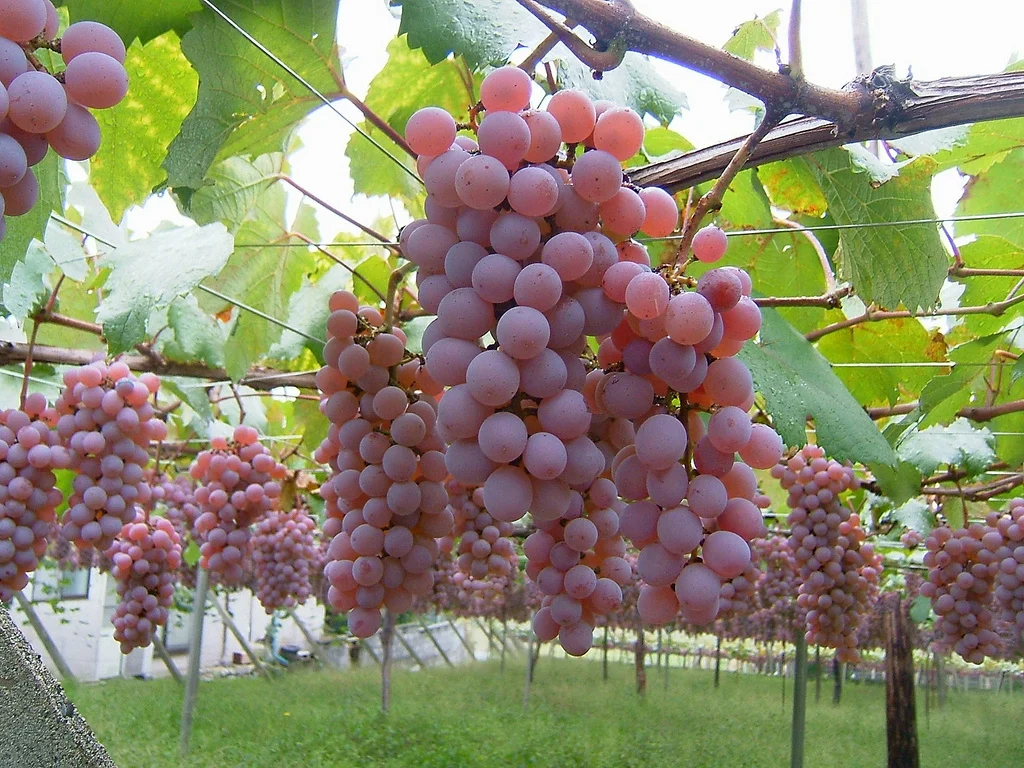
While the well-trodden tourist corridors of Tokyo, Kyoto, and Osaka capture the vast majority of international visitors, a quieter, more sensory-rich experience awaits those who venture into the lush, rolling landscapes of Mie Prefecture. Often overshadowed by the fame of Yamanashi’s vineyards or Fukushima’s peaches, Mie offers a distinctive, decentralized, and deeply local agricultural experience known as kajitsu-gari (fruit picking).
Far from the industrial-scale tourism hubs found elsewhere in Japan, Mie’s orchard belt—stretching across the Kii Peninsula’s inland hills and the coastal plains of Ise-Shima—provides a rare opportunity to engage with Japanese agriculture in its most authentic form. Whether you are traveling with family or seeking a refreshing, low-key detour from the region’s historic pilgrimage routes, Mie’s seasonal harvests offer a satisfying, budget-friendly glimpse into a vital part of Japanese rural life.
Main Facts: The Mie Agricultural Calendar
Mie’s agricultural rhythm is dictated by a three-season cycle that spans nearly the entire year. Unlike the large, branded fruit-picking destinations that cater to massive tour groups, Mie’s farms operate on a smaller, family-sized scale.
- Strawberries (January–May): The most popular and accessible season, utilizing high-tech greenhouse technology.
- Peaches and Plums (June–July): A brief, high-intensity season focused on local cultivars.
- Grapes (August–October): The late-summer highlight, concentrated in the inland Nabari and Iga regions.
- Citrus (December–February): Primarily found along the southern coastal stretches of the Kii Peninsula.
For the international traveler, these farms are rarely destinations in themselves but serve as perfect half-day additions to itineraries featuring the Ise Grand Shrine, the exhilarating rides at Nagashima Spa Land, or the rugged trails of the Kumano Kodo.
Chronology: A Year in the Life of a Mie Orchard
The Strawberry Peak (January–May)
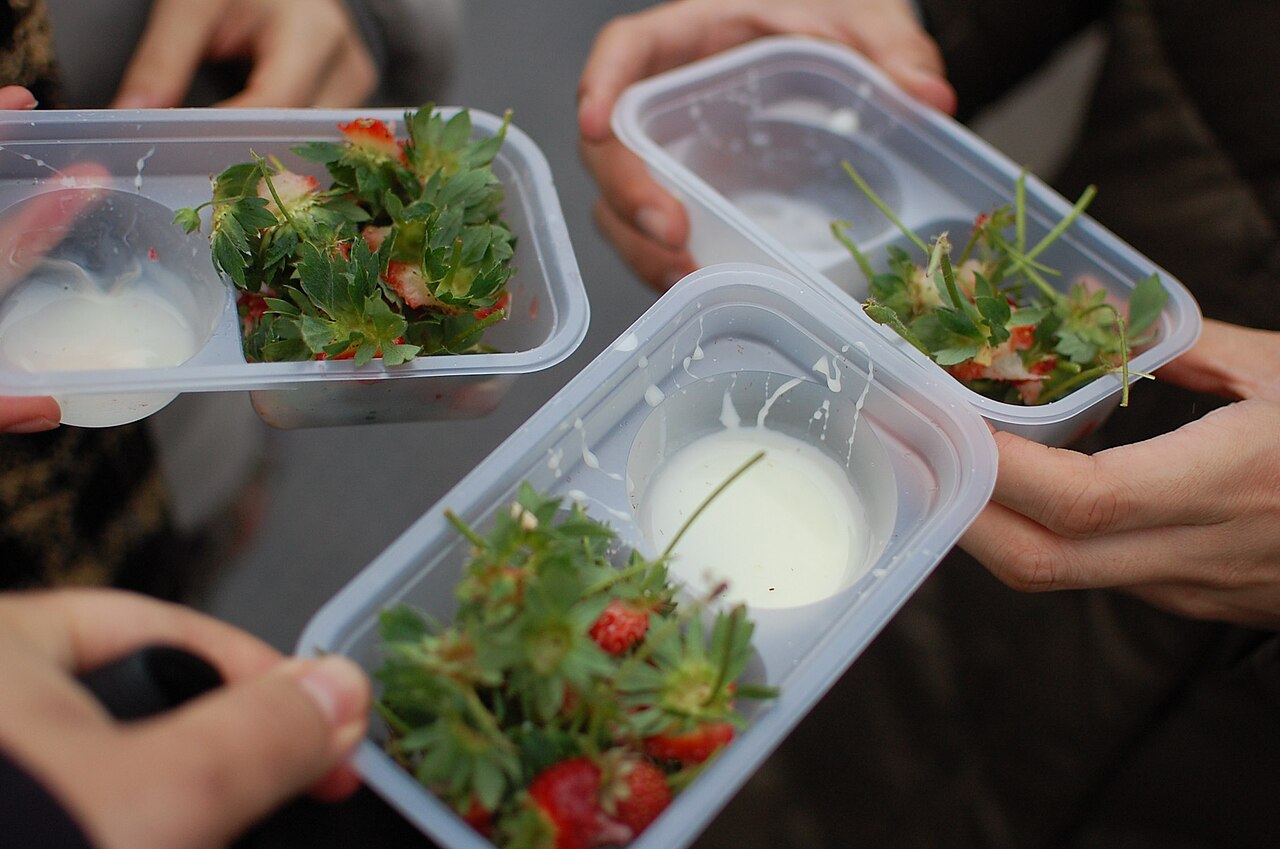
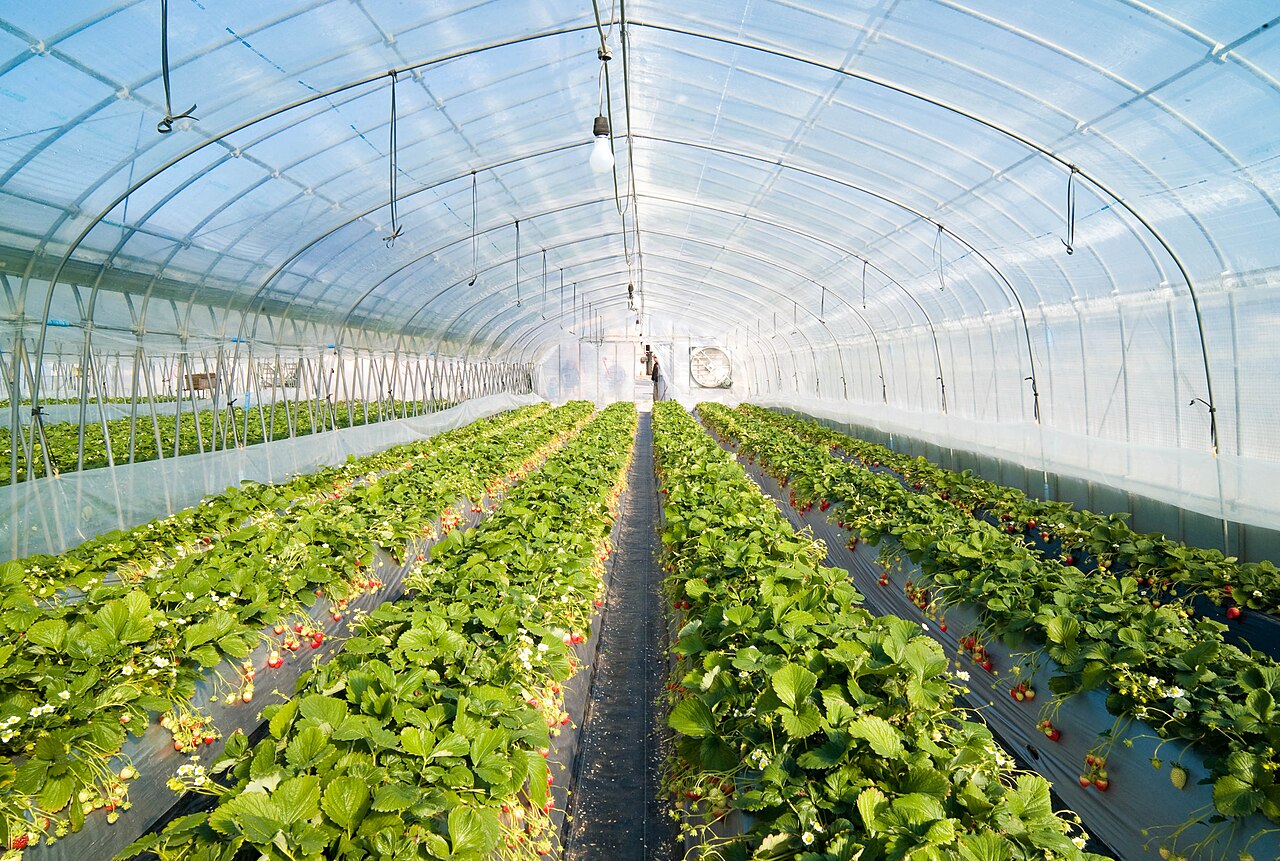
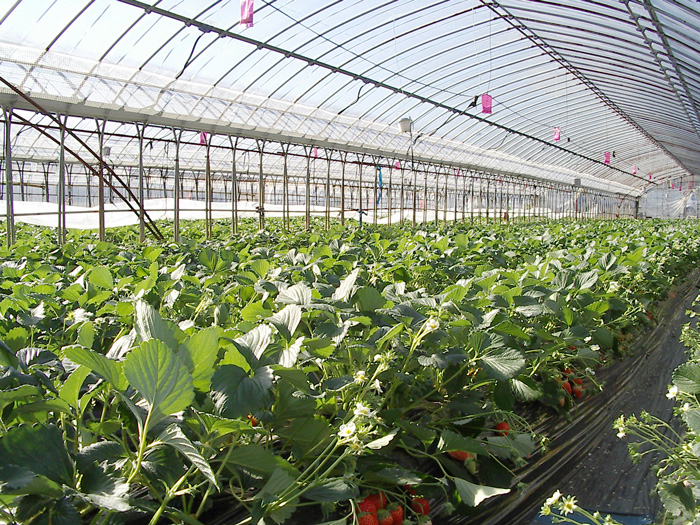
The season begins in mid-winter with ichigo-gari. Despite the cold outside temperatures, Mie’s modern greenhouses—often equipped with hydroponic, waist-high benches—provide a comfortable, climate-controlled environment. The raised-bed design is an industry standard that removes the need for kneeling in the dirt, making it accessible for all ages. Visitors are typically equipped with a small cup of condensed milk—a staple accompaniment to the naturally sweet Japanese strawberries.
The Summer Transition: Plums and Peaches (June–July)
As the heat rises, the orchards shift. Ume-gari (plum picking) in June is a specialized, often quiet affair, largely geared toward locals looking to procure fruit for umeshu (plum wine) or umeboshi (pickled plums). By July, the peaches arrive. While smaller in output than the giants of Fukushima, Mie’s peach farms offer an intimate experience that is increasingly sought after by culinary tourists.
The Autumn Harvest: Grapes (August–October)
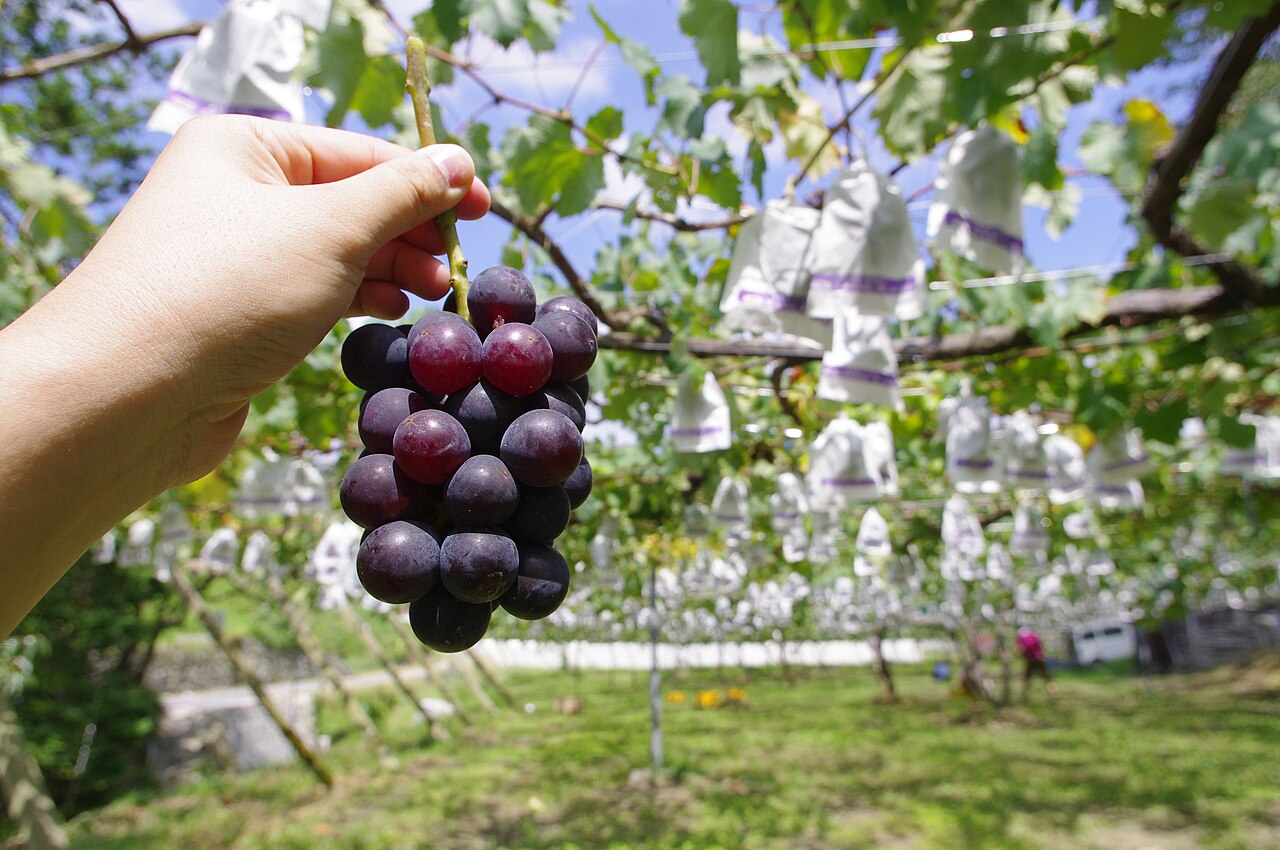
The grape season is the pride of the inland Nabari and Iga regions. Utilizing the traditional "overhead trellis" system, these farms keep fruit shaded and easy to reach. Unlike the Western model of row-based vineyard picking, this vertical architecture allows visitors to walk beneath a canopy of ripening fruit, creating a tunnel-like aesthetic that is as photogenic as it is delicious.
Supporting Data: The Economics of the "All-You-Can-Eat" Model
One of the most frequent points of confusion for first-time visitors is the difference between the Western "pick-and-pay-by-weight" model and the Japanese kajitsu-gari system.
How the System Operates
In Japan, fruit picking is a timed, flat-fee culinary experience.
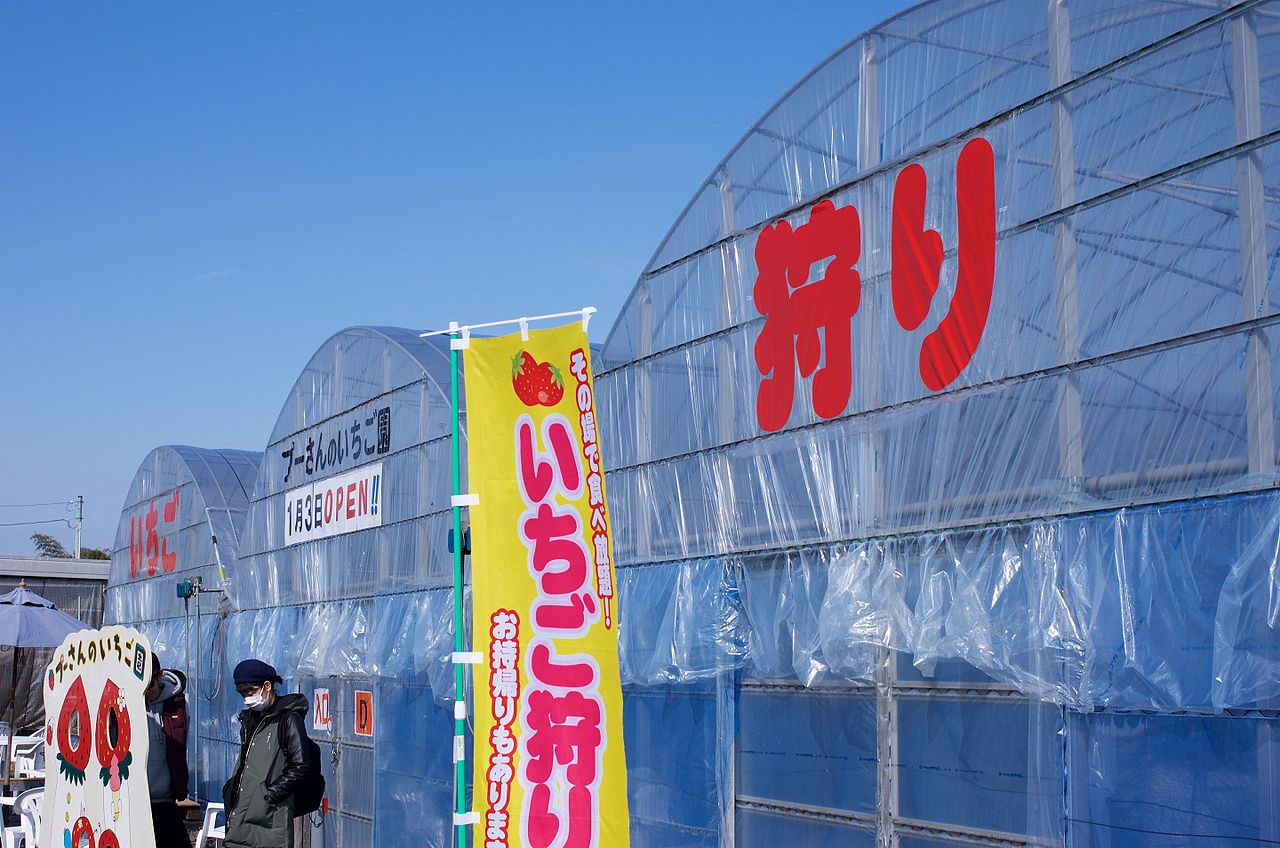
- Entry Fee: You pay a set price for a defined window (usually 30–60 minutes).
- All-You-Can-Eat: The entry fee grants you unlimited consumption inside the orchard or greenhouse.
- Prohibited Removal: Taking fruit out of the picking area without paying for it by weight is strictly prohibited.
Cost-Efficiency
Mie offers a significant price advantage over the more "tourist-branded" regions. A standard 30-minute strawberry picking slot costs roughly 40–50% less than equivalent experiences in the outskirts of Tokyo.
- Average Strawberry Session: ¥1,500–¥2,500 for 30 minutes.
- Average Grape Session: ¥1,500–¥2,500 for 30 minutes, with optional additional costs (¥1,000–¥3,000) if you wish to take a pre-weighed bunch home.
Official Perspectives and Research
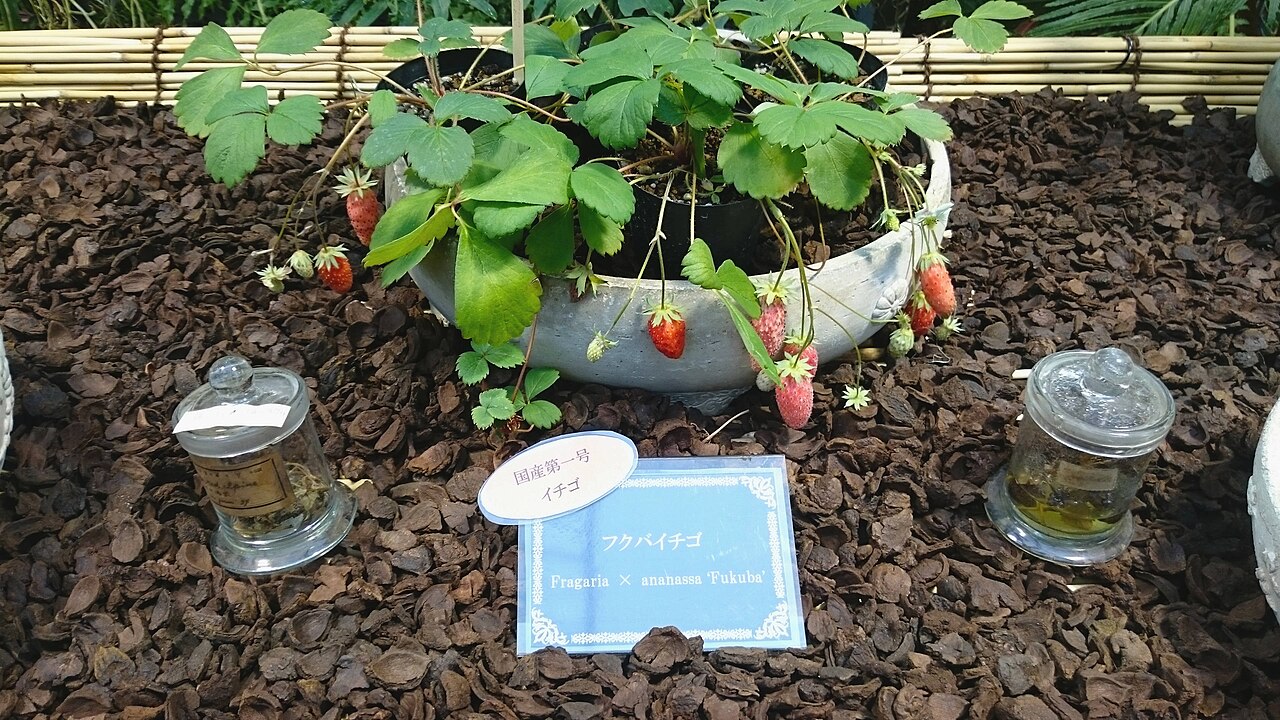
The quality of fruit in Mie is not accidental; it is the result of rigorous academic and agricultural support. The Mie University Agricultural Research Station plays a pivotal role in the region. While the station is not a tourist farm, its orchard-science department has been instrumental in developing cultivars specific to the local climate.
The prefecture’s focus has been on "specialty cultivars"—strawberries and pears bred for the specific humidity and soil conditions of the Kii Peninsula. By prioritizing these regional varieties over the mass-market crops grown in other parts of Japan, Mie has maintained a reputation for high-quality, boutique-style produce.
Implications for the Modern Traveler
Logistics: The Necessity of Personal Transport
The primary barrier to entry for international travelers is transportation. Public transit to the orchards is effectively non-existent. The most efficient approach is to rent a car from hubs such as Nagoya, Tsu, or Nabari stations. A half-day car rental (approximately ¥4,000–¥6,000) provides the freedom to visit multiple farms and nearby cultural sites, which is essential for maximizing the value of the trip.
Strategic Combinations
To make the most of a visit, travelers should look for "anchor" activities.
- The Family Route: Pair morning strawberry picking in the Nabari area with an afternoon at the world-class Nagashima Spa Land.
- The Cultural Route: Combine a morning harvest with an afternoon visit to the Ise Grand Shrine. Many farms near Ise City are located within a 20-minute drive of the Naiku (Inner Shrine), allowing for a balanced day of spiritual and sensory exploration.
- The Culinary Route: Combine a morning of picking with a lunch session dedicated to Matsusaka Beef. Since Matsusaka is one of the premier wagyu destinations in Japan, pairing the freshness of the morning fruit with the richness of the beef is arguably the pinnacle of a Mie culinary tour.
FAQ: Essential Tips for Success
Do I need reservations?
For the large, commercial farms, weekday walk-ins are generally accommodated. However, for specialty farms or any visit during weekends and school holidays, booking 48 hours in advance is strongly recommended.
What is the dress code?
Dress for the environment. Greenhouses can remain upwards of 25°C even in winter. Layering is essential. Furthermore, because these are working farms, paths can be muddy; avoid white sneakers or expensive footwear.
Are there English-speaking staff?
In smaller operations, you should expect a language barrier. However, the process is highly visual. Most farms utilize standardized signage, and smartphone translation apps like Google Lens are highly effective for navigating price sheets and variety labels.
Is it worth the travel from Tokyo?
As a standalone activity, the transit time from Tokyo (3–4 hours by Shinkansen plus a rental car) is difficult to justify for a 60-minute picking session. However, as part of a multi-day trip through the Chubu and Kansai regions, a morning in a Mie orchard offers a layer of depth that the major urban centers simply cannot replicate.
Final Assessment
Mie Prefecture’s approach to fruit picking represents the best of Japanese rural tourism: unpretentious, high-quality, and deeply respectful of the land. For those willing to step off the Shinkansen and navigate the local backroads, the reward is not just the fruit itself, but the opportunity to participate in a rhythm of life that has defined this region for generations. It is a rare chance to taste Japan—literally and figuratively—in its most unadulterated state.


 Neng Nana
 Asro
Asro