Neng Nana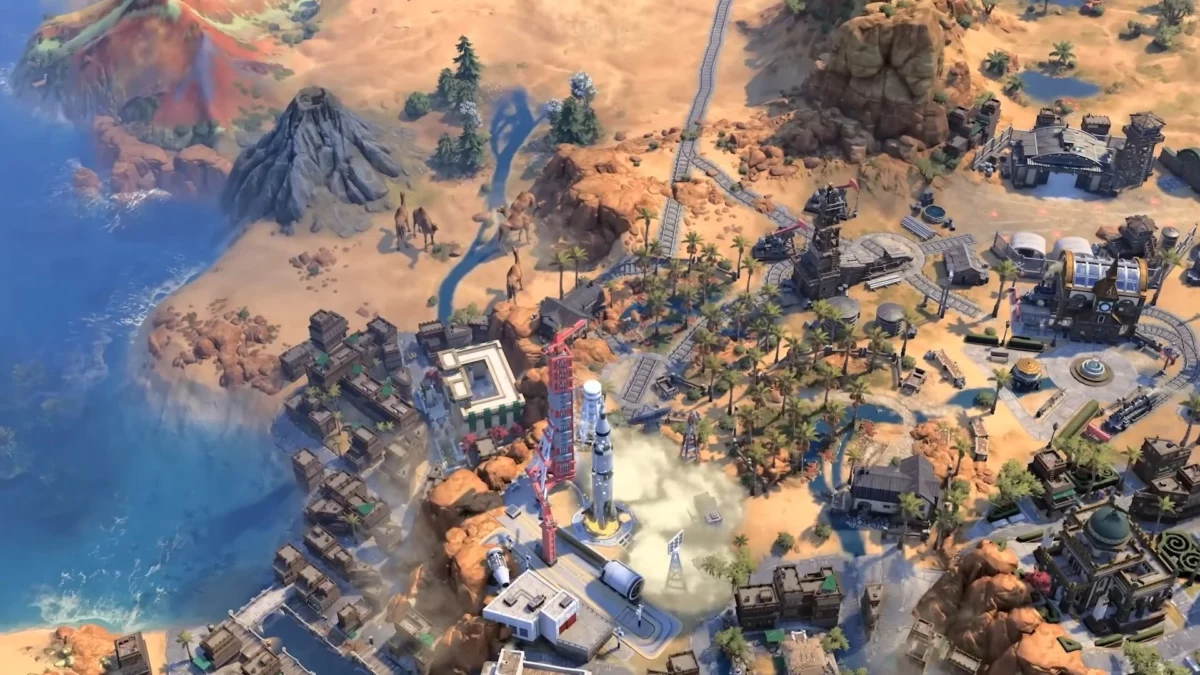
The Sid Meier’s Civilization franchise has long been considered the gold standard of 4X strategy gaming. For decades, it has operated on a simple, addictive premise: guide a civilization from the dawn of humanity to the space age, maintaining a consistent cultural and political identity through the centuries. However, with the launch of Civilization VII, developer Firaxis Games attempted to shatter this tradition, introducing a revolutionary "Ages" system that forced players to abandon their chosen civilization as they progressed through history.
Now, months after a tumultuous launch, the leadership at Take-Two Interactive has finally broken its silence. In a candid admission, Take-Two CEO Strauss Zelnick has acknowledged that the studio’s ambitious design choices were ultimately a "bridge too far" for the franchise’s dedicated fanbase, signaling a major strategic pivot for the game as it approaches a critical May 19th update.
The Chronology of a Controversy: From High Expectations to Mixed Reviews
The road to Civilization VII was paved with immense anticipation. Following the massive success of its predecessor, Civilization VI, the community expected an iterative refinement of the classic formula. Instead, Firaxis delivered a radical reimagining.
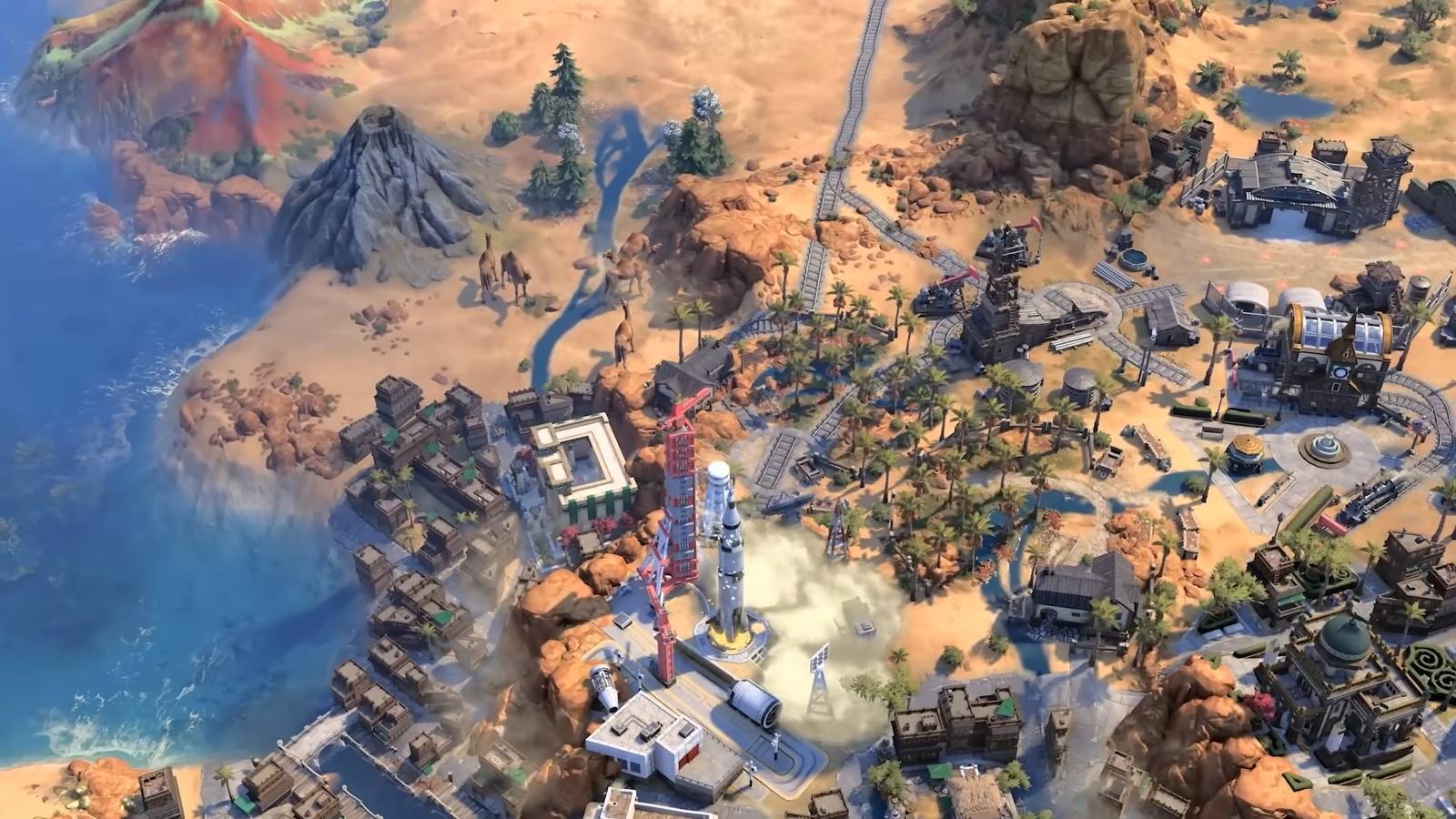
When the game launched, it was met with a chorus of confusion and frustration. The primary point of contention was the new three-tier structure: Antiquity, Exploration, and Modern. While the intent was to capture the excitement of the "early game"—which many consider the most engaging phase of a 4X experience—the execution felt jarring.
In Civilization VII, transitioning from one age to the next effectively functions as a soft reboot. While leaders and certain legacy bonuses carry over, the actual civilization—the unique units, buildings, and cultural identity that players spent hours cultivating—is discarded. For a series built on the narrative of an empire’s endurance, this mechanic felt like a betrayal of the core "Civilization" fantasy.
By early 2026, the sentiment on community hubs like Steam and Reddit had soured, resulting in a "Mixed" user review score that has persisted for months. Players cited not just the mechanical frustration of "losing" their civ, but a general lack of polish that suggested the game had been pushed out before the core systems were fully harmonized with the series’ legacy.

Decoding the "Ages" System: Why the Vision Failed
To understand why the community pushed back so vehemently, one must look at the psychological contract between the Civilization series and its players. In previous titles, the satisfaction of the game is derived from the "long arc"—the ability to take a fledgling tribe and watch it evolve into a global superpower.
The "Ages" system in Civilization VII was designed to solve the "late-game slog" issue, a common critique where the final hours of a match become tedious and overly complex. By forcing a reset of the civilization at specific intervals, Firaxis hoped to keep the gameplay loop fresh. However, the developers failed to account for the emotional investment players place in their specific empire.
When a player chooses to lead Rome, they expect to finish as Rome. Being forced to pivot to a different, perhaps unrelated, civilization in the name of "balance" or "game pacing" stripped away the personal narrative that defines the Civilization experience. Furthermore, the inability to carry over accomplishments created a disjointed feeling, where the game felt like three separate, mini-sessions rather than one epic, cohesive journey through time.
Official Response: Strauss Zelnick’s Rare Admission of Error
In a recent interview with Game File, Take-Two CEO Strauss Zelnick addressed the state of the game with a level of transparency rarely seen in AAA publishing. Discussing the challenges of iterating on a legendary franchise, Zelnick highlighted the difficult balancing act Firaxis faces.
"How do we push the envelope far enough that it makes sense to buy this new game? And how do we preserve what people love enough so that they’re not disaffected?" Zelnick asked rhetorically. "And we got it wrong with Civ VII, but it wasn’t for want of trying."
This statement is a significant admission for a publisher that typically maintains a "business as usual" stance during product lifecycles. Zelnick’s willingness to categorize the design shift as a "bridge too far" suggests that the feedback from the player base was not only heard but has fundamentally altered the publisher’s perspective on how much creative risk the Civilization brand can withstand.
Despite this, Zelnick remained defensive of the team’s hard work, noting that the game remains a "really good game" and a "profitable enterprise." However, he acknowledged that the product, in its current state, failed to meet the specific expectations of the franchise’s core audience, necessitating the upcoming course correction.
The May 19th Update: A Path Toward Redemption?
The upcoming update, scheduled for May 19th, is being framed as the "make or break" moment for Civilization VII. According to reports, the developers are not just patching bugs; they are actively reworking the fundamental systems that have alienated the player base.
1. Reworking Age Transitions
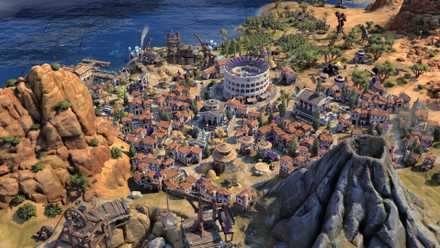
The most anticipated aspect of the update is a revision to how players move between eras. While the publisher has been tight-lipped on the exact mechanics, there are strong indications that the "musical chairs" of swapping civilizations will be either minimized or made optional, allowing for more continuity in the player’s empire.
2. Overhauling Victory Conditions
Victory conditions, which many players found restrictive and poorly integrated into the new Age system, are being overhauled. The goal is to provide more "paths to greatness," allowing players to define their own victory criteria rather than being funneled into the specific, rigid objectives dictated by the current game build.
3. Restoring Player Agency
The overarching philosophy of this update appears to be a return to player agency. By giving users more control over how their empire evolves—and ensuring that their choices in the Antiquity age have meaningful, lasting impacts on the Modern age—Firaxis hopes to bridge the gap between their original vision and what the fans actually want.
Long-term Implications for the 4X Strategy Genre
The Civilization VII saga serves as a cautionary tale for the broader gaming industry. It highlights the inherent danger of "innovation for the sake of innovation" in long-standing franchises. When a game series becomes a cultural institution, its mechanical identity is as much a part of the product as its graphics or story.
For Firaxis and Take-Two, the lesson is clear: high-fidelity 4X games are sustained by the depth of the player’s connection to their empire. When that connection is broken by arbitrary systems, the game ceases to be a Civilization title in spirit, even if it carries the name on the box.
As the industry watches, the success or failure of the May 19th patch will determine whether Civilization VII becomes a historical footnote of a misguided experiment or a success story of a developer listening to its community. For now, the sentiment among the player base remains one of cautious optimism. The fans want to love Civilization VII; they are simply waiting for the game to give them a reason to stay.
If the update succeeds, it will prove that even the most prestigious franchises can survive a rocky launch, provided the leadership is willing to admit defeat, accept the necessity of change, and pivot back toward the core pillars that made the series a titan of the genre in the first place. As we look toward the eventual horizon of Civilization VIII, one thing is certain: the developers have learned a hard-won lesson about the delicate balance between progress and tradition.


 Sagoh
Sagoh