

While the international tourist circuit in Japan remains firmly anchored to the "Golden Route" of Tokyo, Kyoto, and Osaka, a quieter, more authentic agricultural revolution is taking place on the Kii Peninsula. Mie Prefecture, often bypassed by those rushing toward the neon lights of the major hubs, is home to a sprawling, multi-seasonal fruit-picking belt that offers a rare glimpse into the intimate intersection of Japanese horticulture and leisure.
Unlike the industrialized, branded fruit tourism of Yamanashi or Fukushima, Mie’s orchard culture is characterized by its family-operated scale, accessibility, and a deeply local philosophy. For the traveler willing to veer off the Shinkansen tracks, Mie offers a sensory, low-key, and profoundly delicious alternative to traditional sightseeing.
Main Facts: The "Kajitsu-Gari" Experience
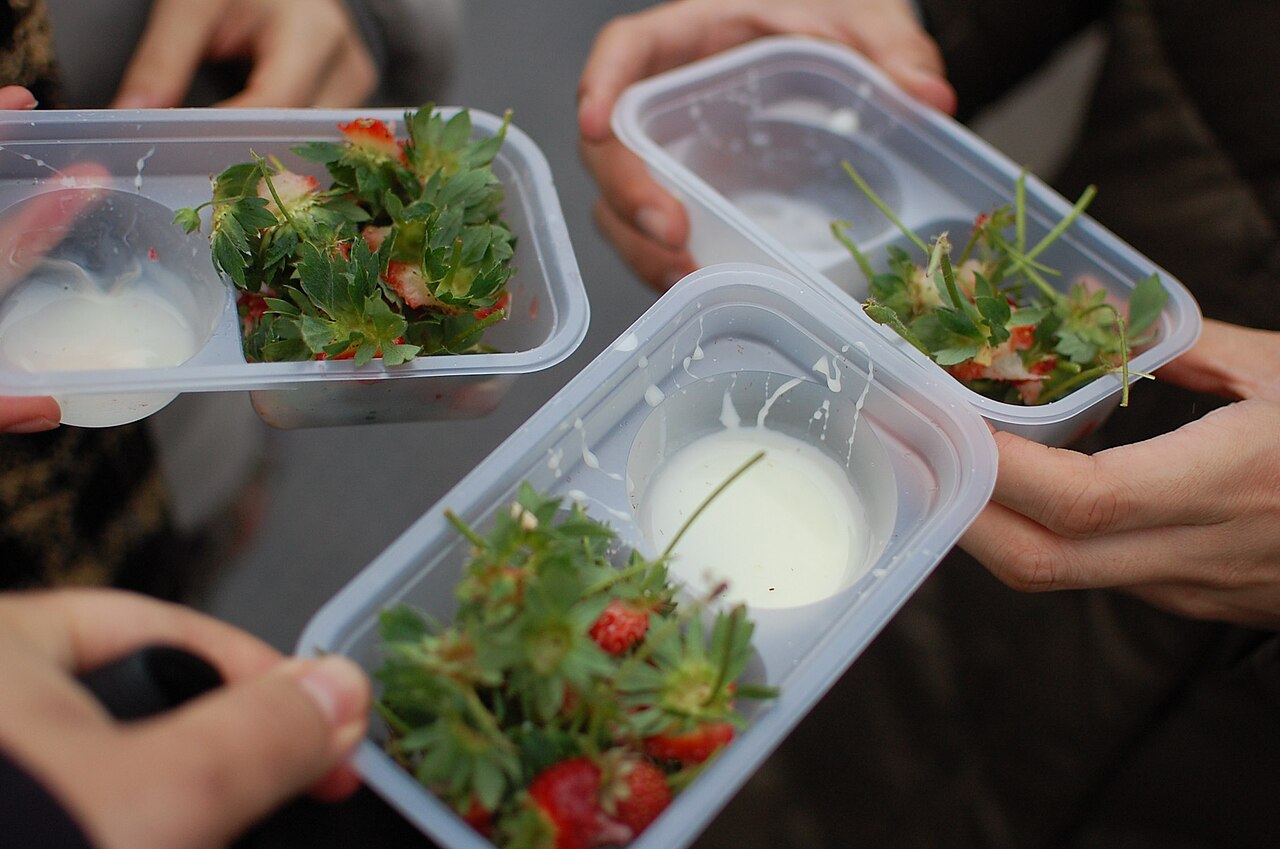
In Japan, fruit picking—or kajitsu-gari—is not merely an outdoor chore; it is a refined leisure activity. Unlike the "pay-by-weight" model prevalent in the West, the Japanese system is built around the "all-you-can-eat" (tabehodai) format.
When you enter a Mie orchard, you are not paying for the weight of the fruit you harvest, but for the right to indulge within a strictly allotted timeframe. This creates a unique, low-stakes "eating contest" atmosphere that has become a staple of weekend culture for families across the Kansai and Chubu regions.
The economic appeal is undeniable: because these farms cater to local domestic markets rather than international tour groups, prices for an entry ticket—which covers unlimited consumption during a 30- to 60-minute window—are often 40% to 50% lower than comparable experiences in more famous tourist hotspots.
The Seasonal Chronology of the Mie Orchard
Mie’s agricultural calendar is a meticulously managed cycle that ensures a constant rotation of harvestable crops.
Winter to Spring: The Strawberry Kingdom (January–May)
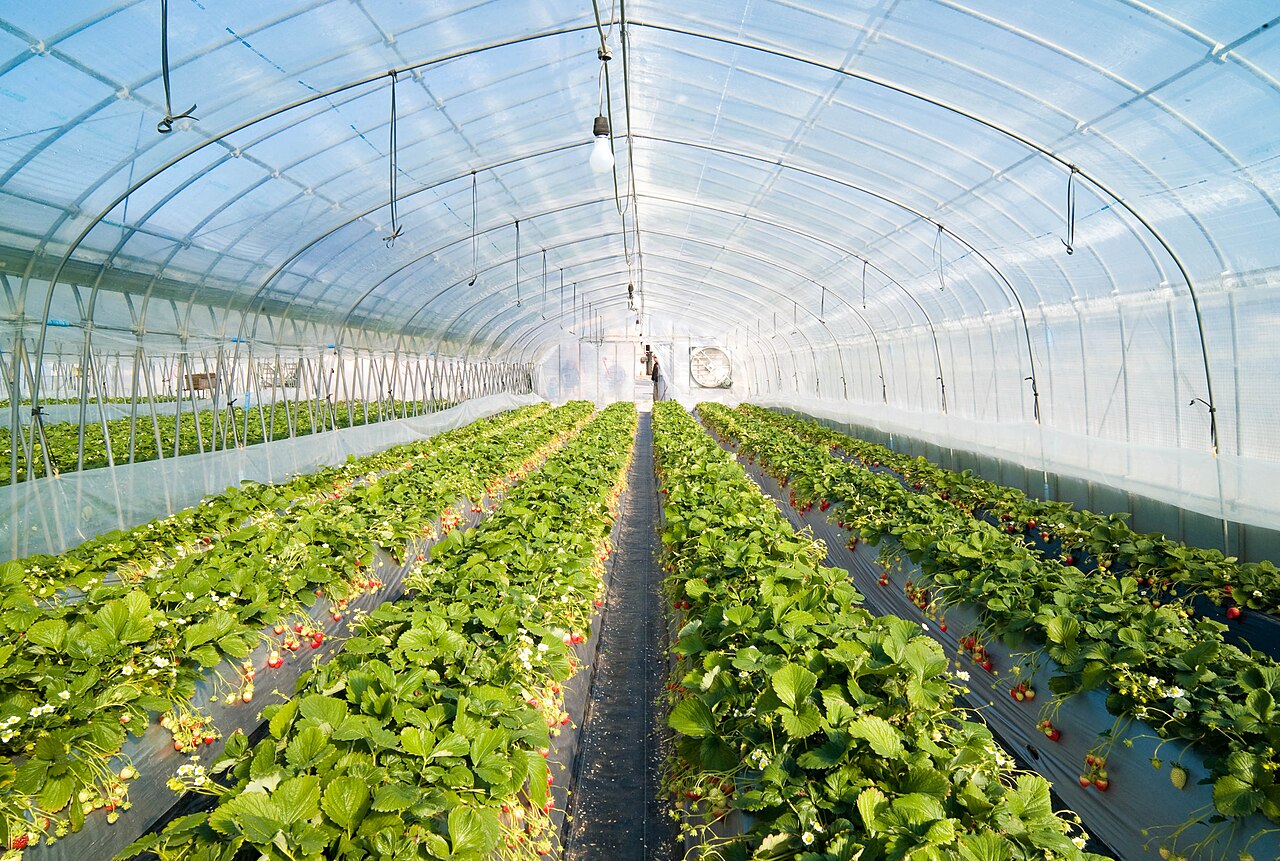
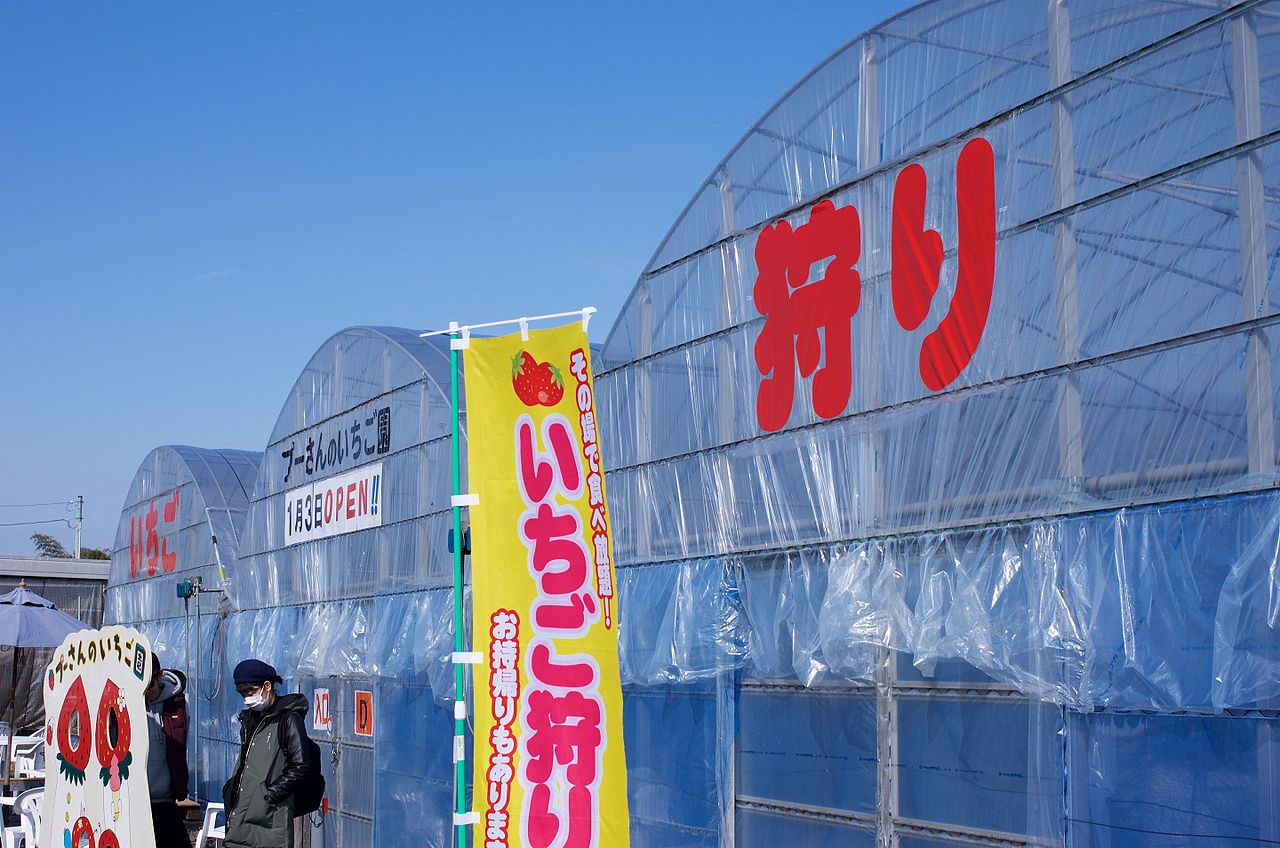
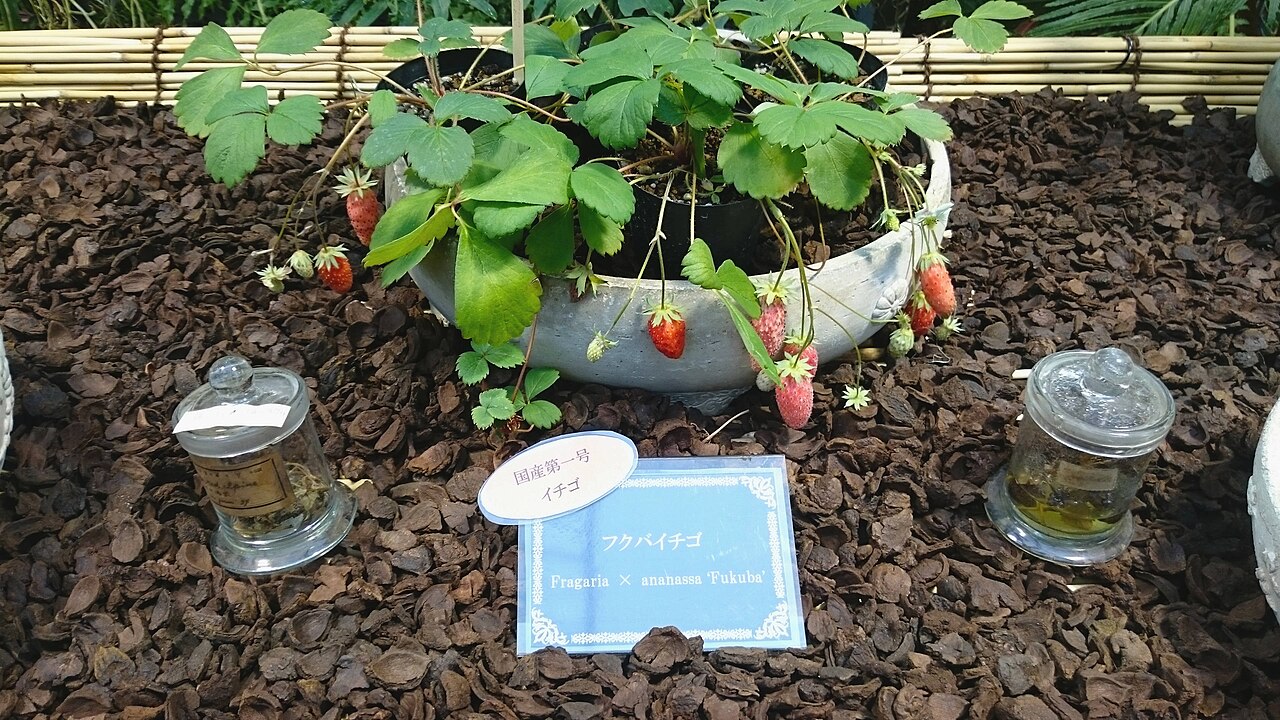
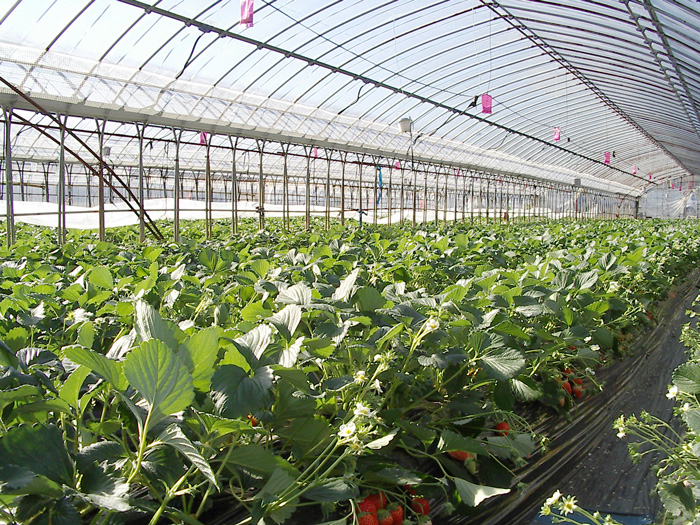
The season begins in the depths of winter. Ichigo-gari (strawberry picking) is the crown jewel of Mie’s agricultural tourism. Thanks to the adoption of sophisticated hydroponic raised-bed systems, farms can keep production lines active long after the winter frost.
Visitors walk through climate-controlled greenhouses where strawberries are grown at waist height, eliminating the need for the back-breaking labor of traditional soil-based farming. It is a clean, modern, and highly comfortable experience. Varieties like the popular Amaou and the sweeter Tochigiotome are the standard fare, though visitors may occasionally stumble upon the rare, aesthetic Hakuou (white strawberry).
The Summer Transition: Plums and Peaches (June–July)
As the heat of early summer arrives, the focus shifts to stone fruits. While smaller in scale compared to the major peach regions of Japan, Mie’s central hills provide ideal conditions for peaches and plums. These crops are often secondary to the strawberry season but offer a more rugged, outdoor picking experience.
Autumn Bounty: The Grape Harvest (August–October)
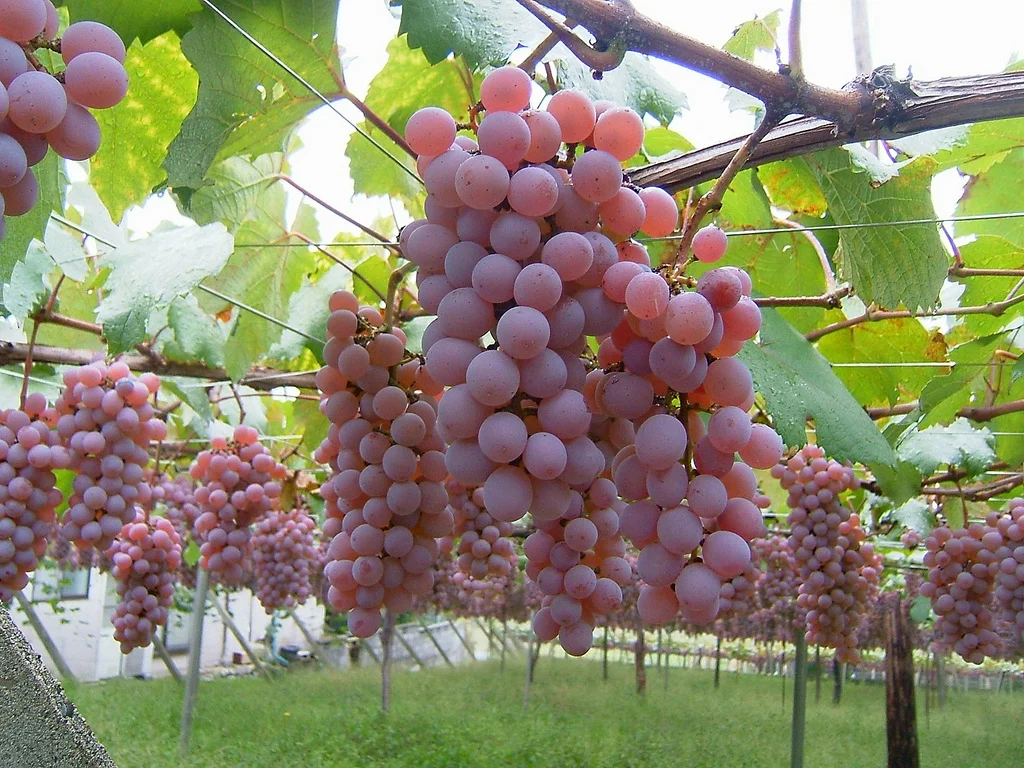
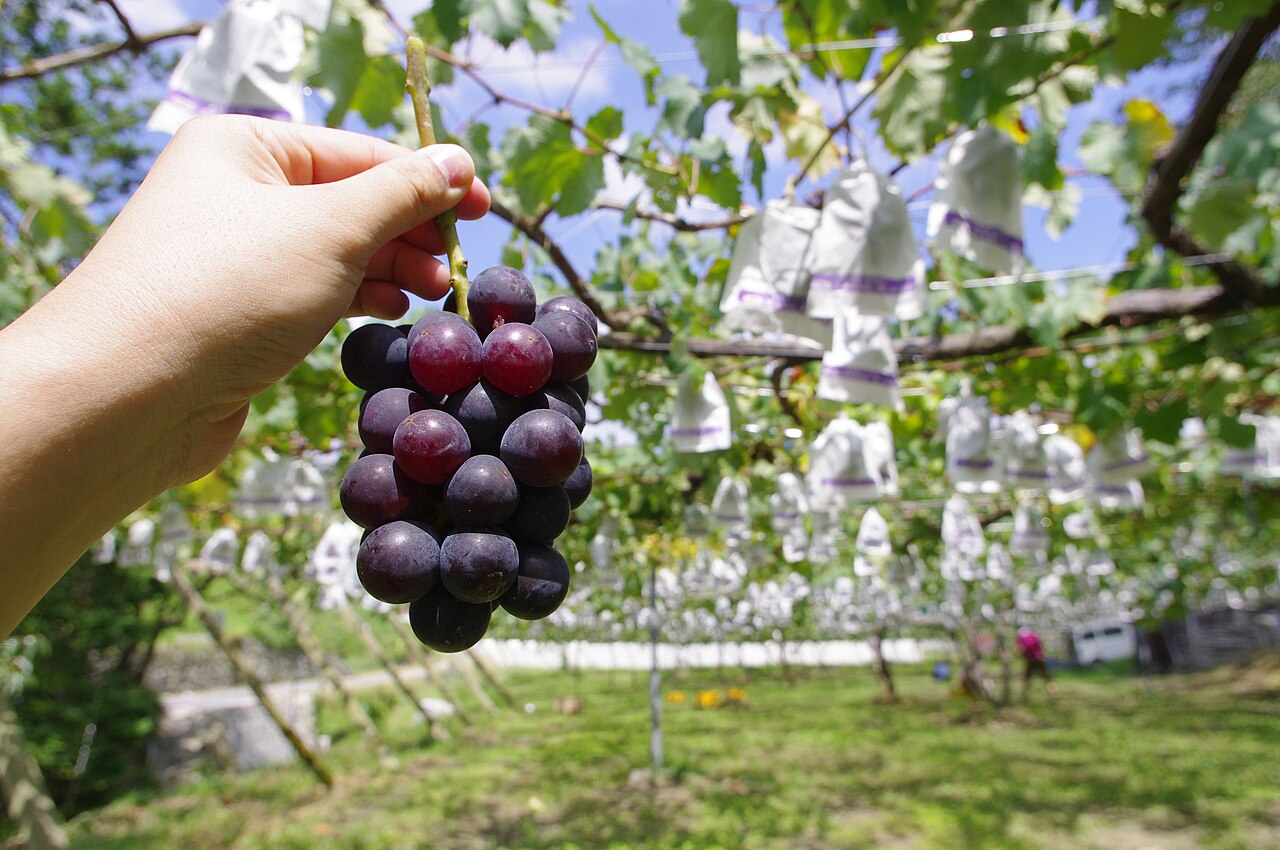
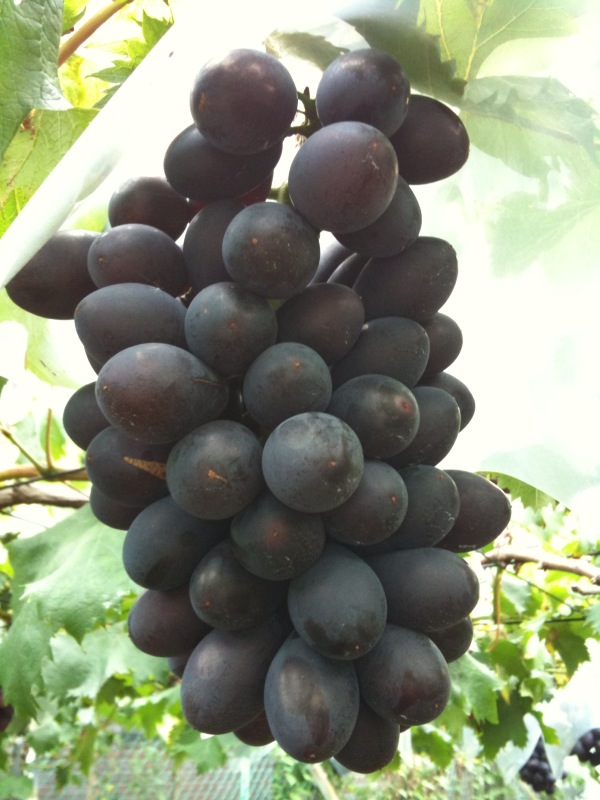
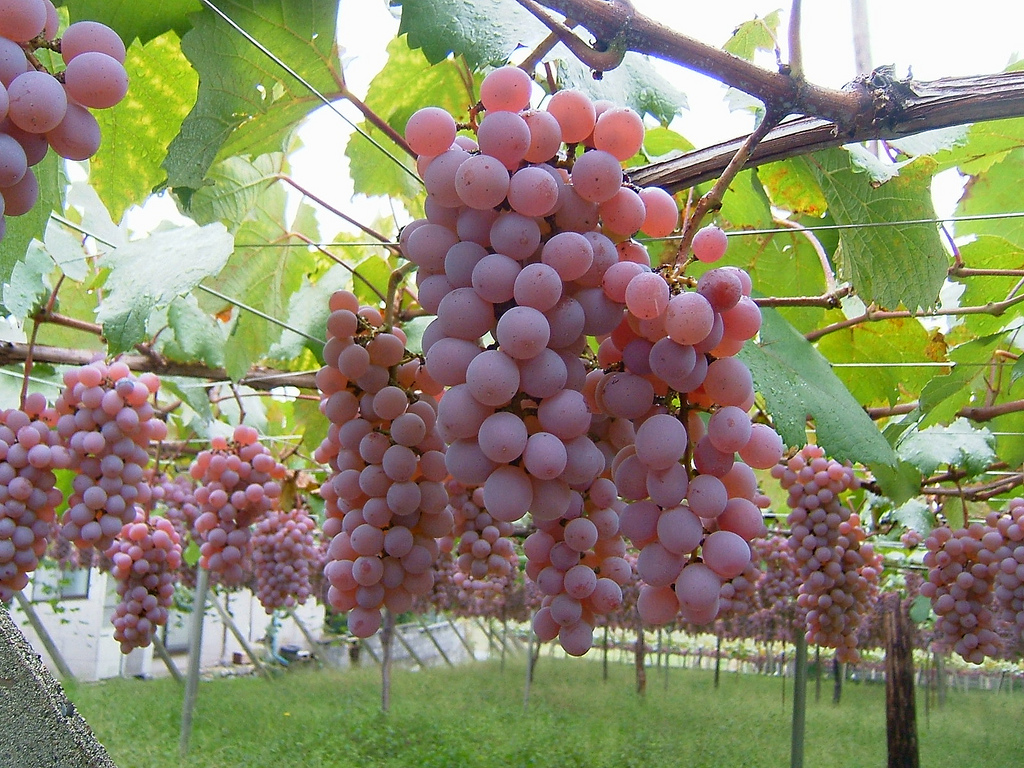
As the summer humidity breaks, the inland Nabari and Iga regions transition into the grape-growing season. Using the traditional Japanese overhead trellis system, these farms create shaded "tunnels" of fruit, making for a serene and picturesque walk-through experience. The primary varieties are the robust Kyoho and the highly sought-after Shine Muscat.
Winter Citrus: The Mikan Season (December–February)
The cycle concludes in the southern reaches of the Kii Peninsula, particularly in the Owase and Kumano districts. Here, the mild coastal climate supports the Unshu mandarin orange. Mikan-gari is a favorite for locals seeking a final, sunny outing before the year ends.
Supporting Data: Why Mie Outperforms the "Golden Route"
For the analytical traveler, the data suggests that Mie is a "hidden gem" for specific reasons:
- Cost Efficiency: While a standard ticket in a high-traffic area like Tochigi might climb upwards of ¥3,000 during peak season, many of Mie’s top-tier farms maintain a price ceiling of ¥1,500–¥2,500.
- Accessibility for Families: With most farms offering child discounts at 50% of the adult rate and providing well-maintained, mud-free greenhouse paths, it is a highly viable activity for those traveling with children aged 5 and up.
- Educational Depth: The presence of the Mie University agricultural research station nearby underscores the prefecture’s commitment to horticultural science. This institutional backing ensures that even small-scale farms have access to modern, high-quality cultivars, including locally-developed pears and strawberries.
Official Perspectives: The Sustainability of Small-Scale Farming
Local agricultural cooperatives in the Nabari and Iga regions have emphasized that their primary goal is not volume, but sustainability. By keeping operations small and limiting the number of walk-ins, these farmers prevent the soil exhaustion often associated with mass-tourism sites.
Furthermore, local government initiatives have begun to integrate these farms into larger "regional experience" packages. Tourism boards in Mie are actively encouraging the pairing of agricultural visits with cultural landmarks—such as the Ise Grand Shrine or the Iga Ninja Museum—to prevent the "over-tourism" that plagues Japan’s larger cities.
Strategic Implications for the Traveler
Is it worth a dedicated trip from Tokyo? The consensus among travel experts is clear: as a standalone activity, the travel time from the capital is prohibitive. However, as an anchor for a broader central Japan itinerary, it is unparalleled.
Logistics and Recommendations:
- Transportation: Public transport is sparse. A rental car is the recommended mode of travel. A half-day rental from Nagoya or Tsu station—the primary hubs—usually costs between ¥4,000 and ¥6,000, which pays for itself in convenience.
- Base Camps: Nagoya is the most practical choice for those wanting urban amenities, while Nabari serves as the perfect "budget" base for those prioritizing the Shorenji grape cluster.
- Combining Activities:
- The Culinary Route: Combine a morning of strawberry picking with a lunch of world-renowned Matsusaka beef.
- The Cultural Route: Pair an autumn grape-picking session with an afternoon at the Iga Ninja Museum.
- The Coastal Route: In winter, combine mikan picking with the dramatic Onigajo cliff walks along the Kumano coast.
Conclusion: A Shift in Tourism Philosophy
The rise of agricultural tourism in Mie represents a shift in the Japanese travel zeitgeist. Visitors are increasingly seeking experiences that offer "local-scale" authenticity rather than the polished, high-volume production of the major cities. By embracing the simple, honest act of picking fruit directly from the vine, the traveler finds a connection to the land that is often lost in the rush of urban exploration.
Whether it is the 30-minute race to consume as many strawberries as possible or the slow, shaded stroll through a vineyard in Nabari, Mie Prefecture provides a space to slow down. It is an invitation to engage with the rhythm of the seasons, providing a flavor of Japan that is as sweet, complex, and rewarding as the fruit itself. For those who prioritize substance over spectacle, the orchards of Mie are not just a day trip—they are an essential piece of the Japanese experience.












No comments yet. Be the first to join the conversation!