Asep Darmawan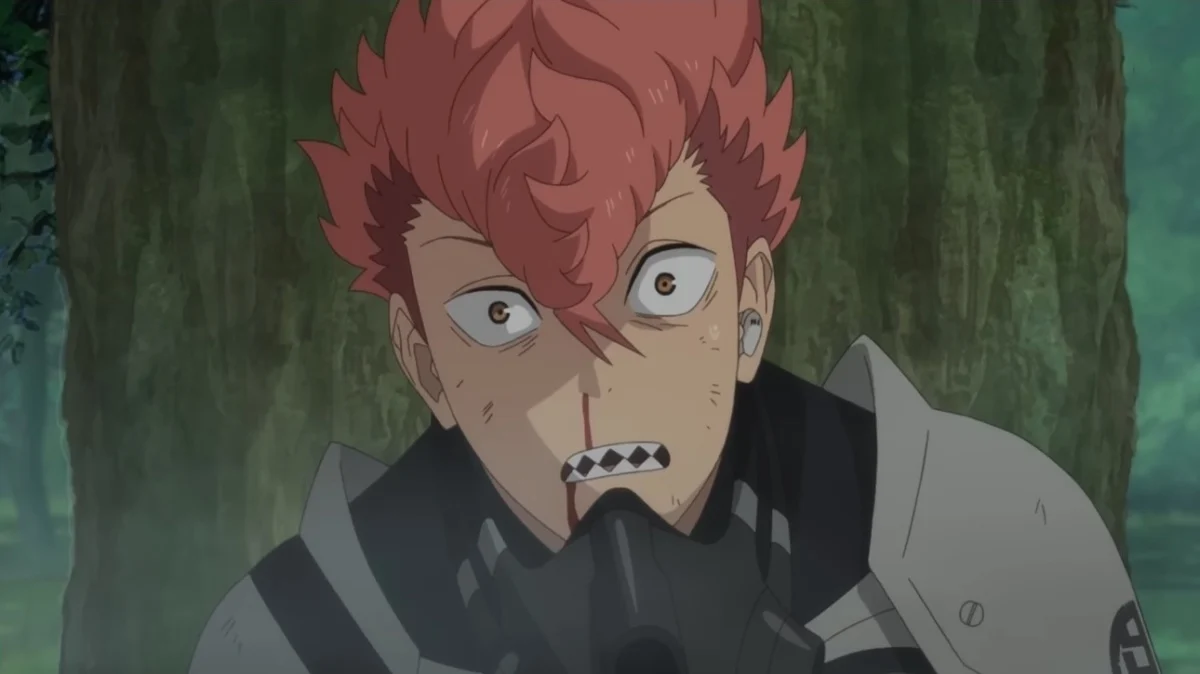
The tension within the Japan Defense Force is reaching a boiling point as Kaiju No. 8 enters its most critical phase yet. With the release of a high-octane trailer on August 27, 2025, the production team behind the hit anime adaptation of Naoya Matsumoto’s Shonen Jump sensation has officially pulled back the curtain on the highly anticipated "Bungui-toge Subjugation Operation" arc. Beginning with episode 19, this new narrative chapter promises to shift the series from its character-driven origins into a theater of full-scale tactical warfare.
The Evolution of a Global Phenomenon: Main Facts
Kaiju No. 8 has carved out a unique space in the modern shonen landscape, subverting the "young hero" trope by focusing on Kafka Hibino, a man in his 30s who finds himself thrust into the role of a superhuman protector long after his dreams of military glory had faded.
The second season, which is currently airing to critical acclaim, continues the meticulous adaptation of Naoya Matsumoto’s original manga. The Bungui-toge Subjugation Operation arc represents a pivot point for the series. As the trailer reveals, the Defense Force is no longer merely reacting to isolated Kaiju incursions; they are launching a proactive, large-scale offensive. This arc is widely considered by manga readers to be a turning point for the series’ power scaling and internal political stakes, requiring the Third Division to reconcile their individual strengths with the brutal reality of large-scale combat.
The animation, handled by the powerhouse studio Production I.G., continues to demonstrate why it is considered a leader in the industry. The fluid choreography of the combat sequences, paired with the gritty, industrial aesthetic of the Kaiju-infested landscape, remains a hallmark of the show’s visual identity.
A Chronology of Conflict: From Sweeper to Soldier
To understand the gravity of the upcoming Bungui-toge operation, one must revisit the arduous journey that brought Kafka to this moment. The narrative trajectory of Kaiju No. 8 has been defined by a series of escalating challenges:
- The Catalyst: Kafka Hibino, a former monster-cleanup specialist at Monster Sweeper, Inc., lived a life of quiet resignation, having abandoned his promise to his childhood friend, Mina Ashiro, to protect humanity from the giant beasts that plague their world.
- The Reawakening: A chance encounter with the ambitious recruit Reno Ichikawa reignited Kafka’s dormant fire. Following an accidental transformation into a humanoid Kaiju—now designated "Kaiju No. 8"—Kafka found himself possessing the very power he spent his life cleaning up after.
- The Trial by Fire: Kafka’s integration into the Third Division was fraught with the constant threat of discovery. His struggle to balance his secret identity with his duties as a Defense Force recruit defined the early chapters of the series.
- The Escalation: With the conclusion of the initial threats in Season 1, the narrative focus has shifted toward the institutional defense of Japan. The current Bungui-toge arc serves as the first major offensive operation of the second season, testing whether the Third Division—and specifically Kafka—can survive the transition from defensive skirmishes to strategic, multi-front warfare.
Supporting Data: The Talent Behind the Terror
The success of Kaiju No. 8 is not merely a product of its compelling source material; it is the result of a deliberate, high-level production pipeline. The creative staff involved in the second season reads like a "who’s who" of modern anime excellence:
- Director Shigeyuki Miya: Known for his work on Blood Lad, Miya has brought a distinct, rhythmic pace to the series, balancing the humor of Kafka’s mid-life crisis with the visceral intensity of kaiju combat.
- Screenwriter Ichiro Okouchi: A veteran of the industry, Okouchi’s involvement ensures that the narrative beats maintain their impact. His work on SPY×FAMILY Code: White, Azumanga Daioh, and Sk8 the Infinity demonstrates an uncanny ability to handle both high-stakes action and character-centric storytelling.
- Composer Yuta Bandoh: The musical score serves as the heartbeat of the show. Bandoh’s compositions in Season 2 have leaned further into cinematic orchestration, emphasizing the terrifying scale of the monsters while providing an emotional underscore to Kafka’s struggle.
The production team’s commitment to quality is evident in the technical fidelity of the latest trailer, which features enhanced lighting effects and more complex monster designs, suggesting that the studio has significantly increased the budget and scope for the Bungui-toge arc.
Official Responses and Industry Reception
The reaction to the latest trailer from the official Kaiju No. 8 channels has been overwhelmingly positive. The Japanese production committee noted that the Bungui-toge arc is designed to push the ensemble cast to their psychological limits.

"We wanted to show the audience that the stakes have evolved," said a spokesperson for the production team. "It isn’t just about fighting a monster; it’s about the burden of leadership, the cost of the secret Kafka carries, and the sheer logistical nightmare of fighting a war on the scale of the Bungui-toge operation."
Crunchyroll, which continues to provide global distribution for the series, has noted that Kaiju No. 8 remains one of the most streamed titles in their catalog. The platform’s decision to maintain a simulcast schedule highlights the importance of the series in the current global anime ecosystem, where Western audiences are increasingly eager to engage with long-form, high-budget adaptations of established manga series.
Implications: The Future of the Third Division
The transition into the Bungui-toge arc carries significant implications for the remainder of the series. First, there is the matter of Kafka’s secret. As the Defense Force scales up its operations, the scrutiny on its members increases. Any sign of internal instability, or the presence of a "monster within the ranks," will inevitably lead to a confrontation with the higher-ups in the Defense Force command.
Second, the arc promises to flesh out the supporting cast. Characters like Reno Ichikawa and Kikoru Shinomiya, who have been vital to Kafka’s development, are now facing their own trials as they ascend the ranks of the Defense Force. The Bungui-toge operation serves as a crucible for these characters, forcing them to prove that they are more than just rookies in the shadow of Captain Mina Ashiro.
Finally, there is the looming question of the Kaiju themselves. The Bungui-toge arc is expected to introduce new, more intelligent threats that challenge the conventional weapons and tactics of the Defense Force. If the monsters are evolving, the humans must evolve faster. This technological and tactical arms race provides the thematic core for the second half of the season.
Looking Ahead
As episode 19 approaches, the anticipation is palpable. For fans of Naoya Matsumoto’s work, the Bungui-toge Subjugation Operation is the moment where the training wheels come off. The series has matured from a story about a man trying to recapture his youth into a harrowing epic about the survival of humanity in the face of an existential, biological threat.
The trailer released on August 27 serves as a final warning to the audience: the calm before the storm is officially over. With the Third Division mobilized and the mystery of the Kaiju deepening, the coming weeks will undoubtedly define the legacy of the Kaiju No. 8 anime. Whether Kafka Hibino can continue to balance his dual nature under the pressure of a full-scale military campaign remains to be seen, but one thing is certain: the Bungui-toge operation will be a fight for the history books.
For viewers looking to stay updated, all episodes are available through Crunchyroll, with additional promotional material and behind-the-scenes insights provided through the official Kaiju No. 8 web portal. As we head into the thick of the action, the question isn’t whether the Defense Force will win, but at what cost.


 Neng Nana
 Asro
Asro