Nana
Nana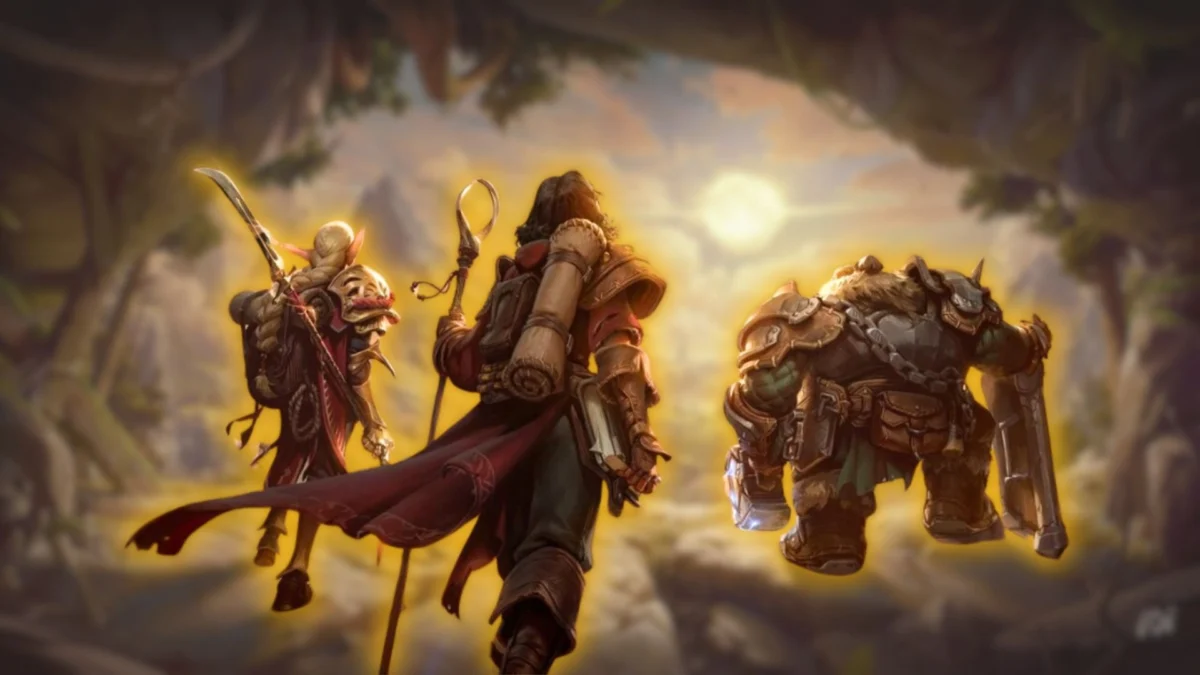
By [Your Name/Journalistic Byline]
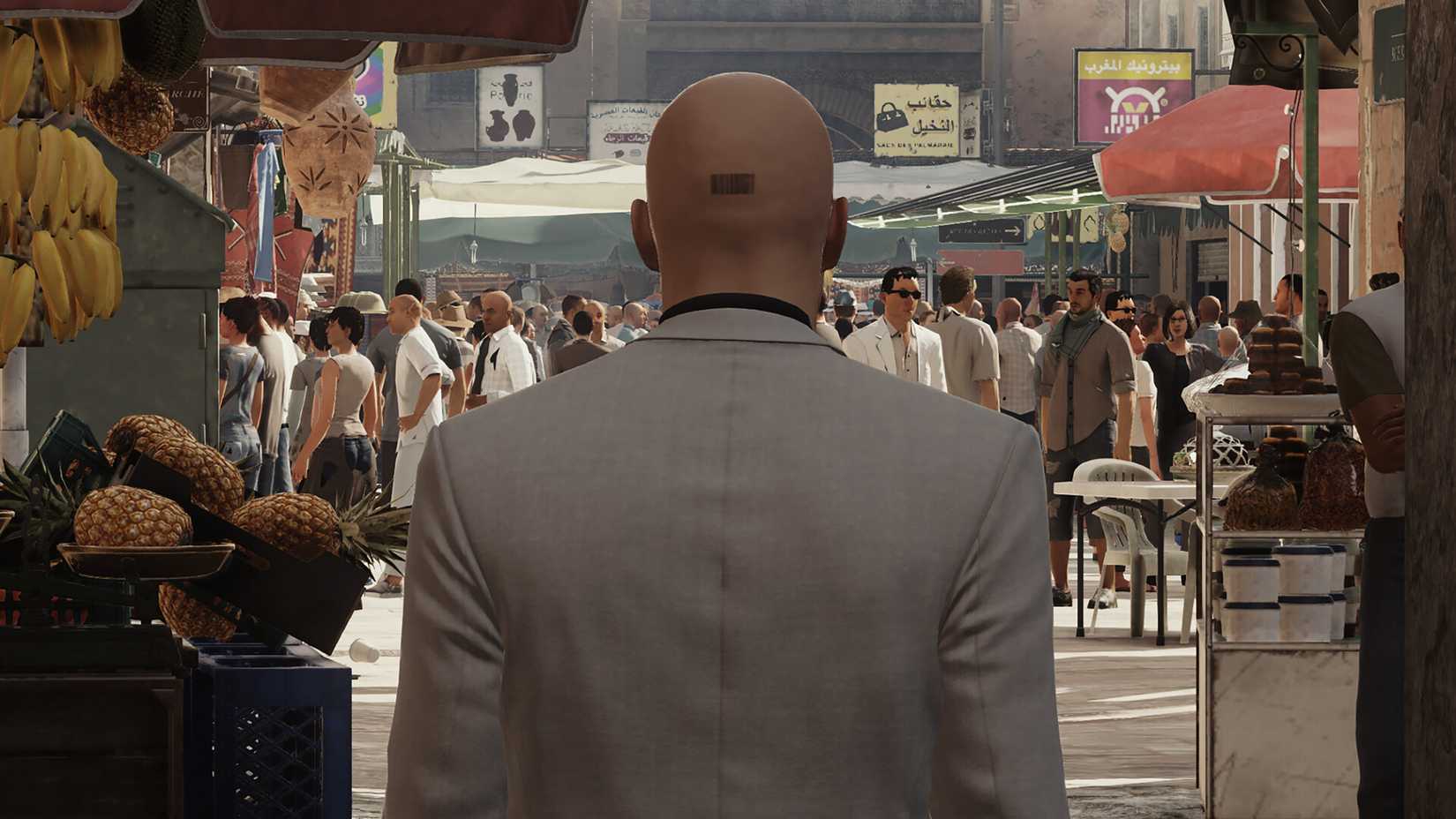
In an industry defined by its volatility, few things are as jarring as the sudden dissolution of a major publishing partnership. This week, IO Interactive—the powerhouse studio behind the Hitman trilogy and the recent critical and commercial smash 007 First Light—confirmed that its collaboration with Xbox on the ambitious project codenamed "Project Fantasy" has come to an abrupt end.
While the public statement from the studio remains diplomatic, carefully toeing the line between optimism and transparency, the human cost is undeniable. Staffing cuts at the studio have already begun, serving as a grim reminder that in the high-stakes world of triple-A development, even the most promising projects are subject to the cold, shifting winds of corporate strategy.
The Genesis and Vision of Project Fantasy
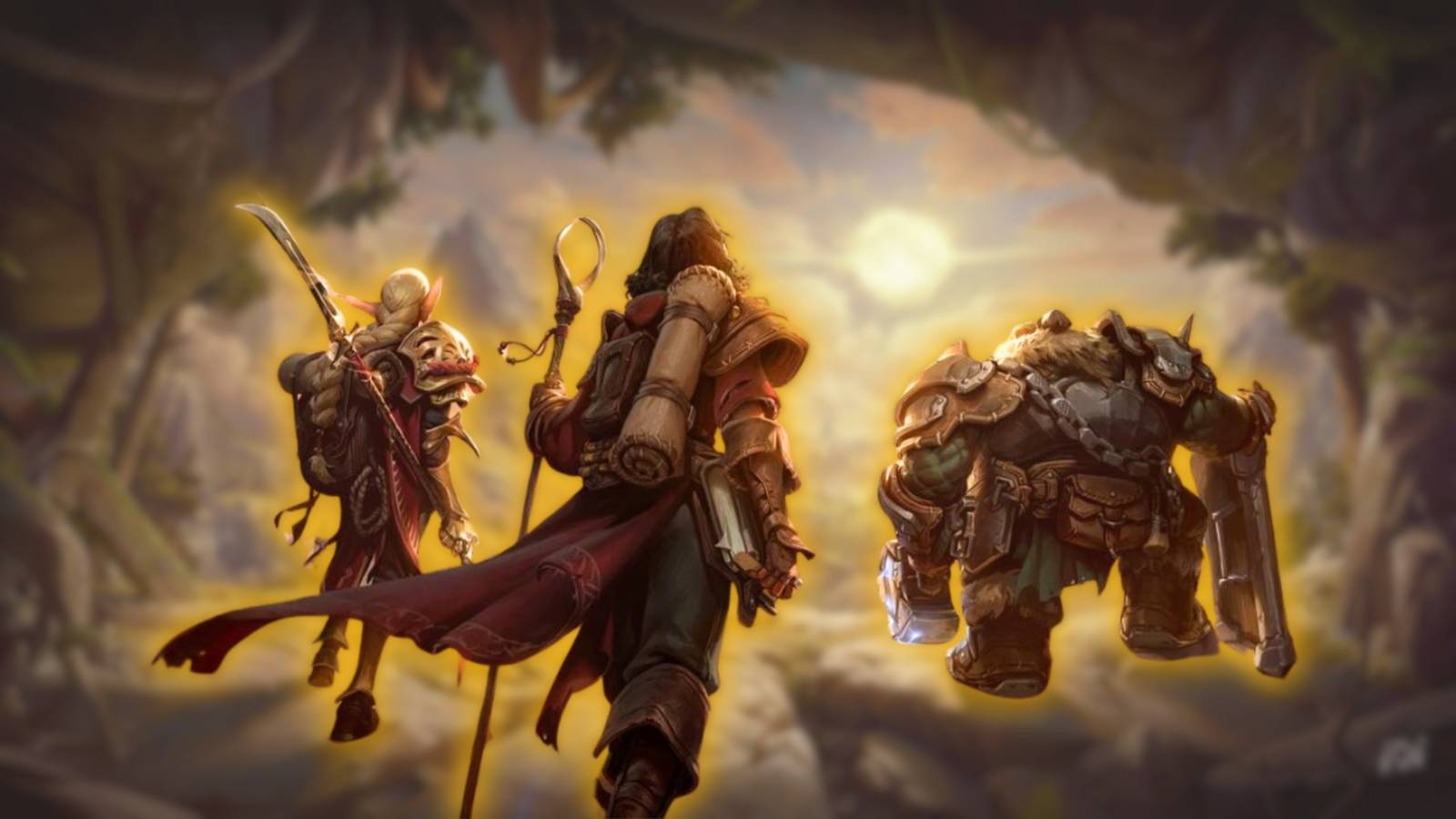
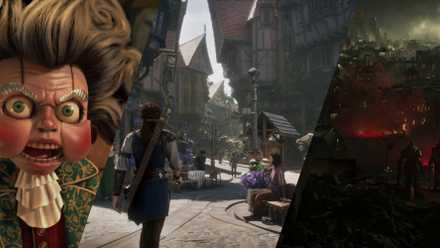
Announced in early 2023, Project Fantasy was framed as a bold, ambitious departure for IO Interactive. Known for the methodical, precision-based gameplay of Agent 47 and the cinematic espionage of James Bond, the studio sought to pivot toward something entirely different: an online fantasy RPG.
The vision was deeply earnest. Drawing inspiration from classic Fighting Fantasy gamebooks and the collaborative, unpredictable nature of tabletop role-playing campaigns, the game was intended to explore the strength of a "diverse group of individuals" coming together to form something greater than the sum of their parts. This was not a cynical market pivot designed to chase trends; it was a passion project—a creative exercise for a team that had mastered the art of single-player infiltration and was ready to build a digital world of their own design.
Now, that vision faces an uncertain future. While IO Interactive insists they remain "100% committed" to the project and that it will "eventually see the light of day," the loss of a major financial and logistical partner like Xbox creates a significant void that the studio must now scramble to fill.

A Chronology of Corporate Contraction
To understand why a successful studio like IO Interactive would find itself suddenly untethered, one must look at the broader context of Xbox’s current fiscal reality. The termination of the Project Fantasy deal is not an isolated incident; it is a symptom of a systemic "reset" taking place within the walls of Microsoft’s gaming division.
The timeline of this shift has been rapid and painful:
- 2024: The industry was stunned by the closure of Arkane Austin and Tango Gameworks, two studios with track records of critical success.
- Late 2025: Xbox implemented a significant price hike for Game Pass, pushing the Ultimate tier to $30 a month, a move that triggered a exodus of millions of subscribers.
- June 10, 2026: CEO Asha Sharma released an internal memo signaling a radical shift in philosophy. The memo, which functioned as a public admission of structural failure, highlighted that over the past five years, Xbox had poured more than $20 billion into content, hardware, and platforms—only to see annual revenue decline by half a billion dollars.
- July 2026: As the fiscal year closes, the company prepares for a new wave of layoffs, with rumors of further studio closures circulating throughout the industry.
The Economic Data Behind the Pivot
The numbers behind the current Xbox strategy paint a bleak picture of "growth at any cost." Despite the massive $68.7 billion acquisition of Activision Blizzard, the division’s internal profitability margin has stagnated at a meager 3%.

When a company spends billions to acquire an ecosystem only to see its subscription service bleed users and its revenue dip, the board of directors inevitably demands a "reset." For Asha Sharma, this means an aggressive narrowing of the company’s focus. The directive is clear: move away from experimental, mid-to-large-scale publishing deals and prioritize the "highest priorities"—a corporate euphemism for safe, established, and guaranteed hits.
According to reporting from Bloomberg, the internal mandate is now laser-focused on three pillars: Fallout, The Elder Scrolls, and Halo. Anything that does not fit into this "mega-franchise" strategy is currently viewed as an unnecessary expense. The cancellation of the Project Fantasy partnership is a direct result of this, as the game failed to provide the immediate, high-margin returns required to justify its existence within the current Microsoft portfolio.
Official Responses and Corporate Diplomacy
Microsoft’s response to the situation was, as expected, a masterclass in corporate-speak. In a statement to Bloomberg, a spokesperson insisted that Xbox is not reducing its overall investment in gaming, but rather "taking a fresh look at where we invest."

"We are focusing on our highest priorities," the statement read, offering little comfort to the developers losing their jobs. The company maintains that this is a reallocation of resources, not a withdrawal from the industry. However, the distinction is purely academic for those currently facing unemployment. When a company with the resources of Microsoft claims to be "focusing," it often means they are discarding anything that doesn’t align with their most conservative projections.
IO Interactive, conversely, has maintained a professional front. By avoiding finger-pointing, they preserve their reputation as a reliable partner—a move likely intended to keep the door open for potential future publishers or investors who might see value in the Project Fantasy IP.
Implications for the Future of Independent Studios
The fallout from this decision has sent shockwaves through the development community. The question being asked in every board room is: "If IO Interactive—a studio that delivers on time, creates critical darlings, and just sold over three million copies of 007 First Light—isn’t safe, then who is?"
1. The Death of the Mid-Tier Experiment
The industry has long relied on the "middle-class" of gaming—projects that are ambitious and high-quality but aren’t necessarily billion-dollar live-service behemoths. By pulling funding from Project Fantasy, Xbox is signaling that the middle-tier is effectively dead within their ecosystem. Independent studios looking to partner with massive publishers may now find the terms increasingly predatory, or worse, find that there is no seat at the table for anything that isn’t a proven, multi-generational franchise.
2. The Vulnerability of IP
IO Interactive’s predicament highlights the fragility of intellectual property in a consolidated market. When a publisher controls the purse strings, they control the destiny of a game, regardless of its creative merit. If the project doesn’t align with the quarterly earnings report, it is discarded. This creates a disincentive for studios to innovate, pushing them toward sequels and remakes that are easier to sell to a risk-averse board.
3. The Human Cost
Beyond the spreadsheets and the industry analysis, there is a human tragedy unfolding. The layoffs at IO Interactive, like those at Tango and Arkane, represent the loss of years of creative labor, institutional knowledge, and personal livelihoods. When a deal falls through, the executives move on to the next merger, but the developers are left to navigate a job market that is increasingly hostile to the very creative risks they were hired to take.
The Billion-Dollar Question: What Comes Next?
As IO Interactive navigates the fallout of this separation, the path forward remains murky. The studio is, by all accounts, in a strong position; they have the Hitman legacy and the momentum of the 007 franchise to carry them. They will likely find another path for Project Fantasy, perhaps as a self-published title or with a partner more aligned with experimental development.
However, the broader trend is undeniable. Microsoft has spent the better part of a decade trying to build an "all-encompassing" content pipeline, and now, finding that the cost of such an empire is unsustainable, they are burning it down to save the infrastructure.
The industry is entering a new era of consolidation and extreme risk aversion. While the giants like Call of Duty and The Elder Scrolls will continue to thrive, the creative middle-ground—the space where new IPs, strange ideas, and passion projects like Project Fantasy live—is shrinking.
For gamers, this is a worrying trend. The most iconic titles of the last two decades were often the result of publishers taking a chance on a studio with a weird, ambitious, or "non-priority" idea. If that room for experimentation continues to close, we may find ourselves in a future where the only games that reach the market are the ones that have been scrubbed of all risk, all passion, and all surprise.
For now, the industry watches and waits, hoping that the "reset" promised by Xbox doesn’t end up resetting the entire medium back to a state of stagnant, franchise-driven mediocrity.

 Basiran
 Ali Ikhwan