Asro
Asro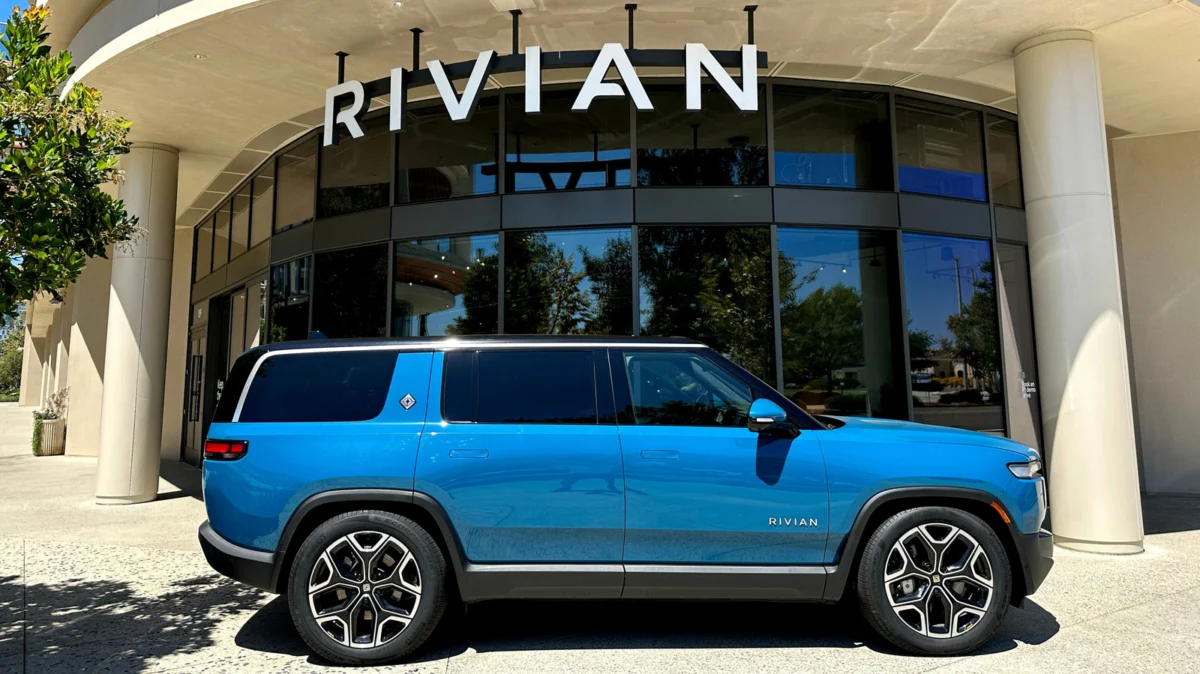
The electric vehicle (EV) sector, long characterized by high-stakes technological competition and aggressive marketing, faces a new legal reckoning. Rivian, the Irvine-based manufacturer known for its rugged, adventure-ready R1T truck and R1S SUV, is the subject of a newly filed class-action lawsuit. The core of the litigation centers on allegations that the company misled early adopters regarding the autonomous driving capabilities of its first-generation (Gen 1) fleet.
As the automotive industry pivots toward an era defined by software-defined vehicles, the lines between "driver-assist" and "full autonomy" have become a battlefield for both regulators and consumers. For Rivian, this lawsuit threatens to erode the brand equity built on promises of cutting-edge innovation.
The Core Allegations: A Gap Between Promise and Reality
The class-action complaint, which has garnered significant attention from industry analysts and consumer advocates, asserts that Rivian intentionally overstated the technological potential of its early-production vehicles. Specifically, plaintiffs allege that the company marketed its Gen 1 R1T and R1S models as being equipped with the foundational hardware necessary to achieve Level 3 autonomous driving.
In the industry-standard SAE (Society of Automotive Engineers) framework, Level 3 autonomy signifies "conditional automation." At this level, the vehicle manages most aspects of driving, including steering, acceleration, and braking, in specific conditions, allowing the driver to disengage their attention from the road.
The plaintiffs argue that Rivian’s marketing materials—which touted advanced sensor suites and future-proof compute power—induced customers to pay a premium for vehicles that, in reality, lacked the essential physical components to ever achieve such feats. The lawsuit claims that the Gen 1 vehicles were shipped without the necessary high-resolution cameras, specialized sensors, and high-performance processing units required for true hands-free operation.
"No software update—no matter how sophisticated—will enable its Gen 1 Vehicles to perform as advertised," the complaint states. "Rivian unquestionably knew that its Gen 1 Vehicles would never be capable of Level 3 autonomy or ‘true hands-free driving’ yet continued to tout the supposed capabilities of its vehicles to induce consumers to purchase them."
Chronology of the Controversy
The tension between Rivian’s marketing narrative and the technical reality of its vehicles has been simmering for years. To understand the current legal challenge, one must look at the timeline of Rivian’s technological rollout:
- Initial Launch (2021-2022): Rivian begins delivering its R1T and R1S models. The company markets the vehicles with a sophisticated driver-assistance system, often implying that the hardware suite is capable of evolving into more advanced autonomous states over time via Over-the-Air (OTA) updates.
- The "Autonomy and AI Day" (2023): Rivian hosts a highly publicized event to discuss its future technological roadmap. During this event, the company shifts focus toward "universal hands-free driving," a feature set designed for its next generation of vehicles.
- The Gen 2 Launch (2024): Rivian officially rolls out its second-generation platform. This new iteration explicitly includes upgraded cameras, improved processing hardware, and the software architecture necessary to support the promised "hands-free" features.
- The Filing of the Class Action (2025-2026): Disillusioned Gen 1 owners, observing that their vehicles were left behind by the technological leap taken in the Gen 2 models, initiate legal action. The complaint marks a formal escalation from online forum grievances to a structured judicial challenge.
The Technical Reality: Hardware vs. Software
The crux of the technical argument lies in the concept of "hardware debt." In the EV world, companies often ship vehicles with sensor suites they intend to leverage for future features. However, as sensor technology has evolved at an exponential pace, the "future-proof" claims made in 2021 have been rendered obsolete by the hardware requirements of 2025.
The plaintiffs contend that Rivian’s Gen 1 sensors—which were sufficient for basic Level 2 cruise control and lane-centering—were fundamentally incapable of the redundancy and environmental processing required for the higher-level autonomy hinted at in promotional materials. For a vehicle to operate at Level 3, it generally requires a sophisticated combination of LiDAR, radar, and high-fidelity cameras, coupled with a central computer capable of processing petabytes of data in real-time.
If the Gen 1 architecture lacked the physical inputs to "see" the environment with the required precision, no amount of machine learning or software optimization could bridge that gap. This creates a scenario where the "future-proof" promise becomes, according to the lawsuit, a form of consumer deception.
Implications for the EV Industry
The Rivian lawsuit is not an isolated event; it is emblematic of a broader crisis of expectation management in the automotive sector. For years, manufacturers have competed in an "autonomy arms race," often utilizing terminology that confuses the average consumer.
The Problem of Terminology
The term "Self-Driving" is arguably the most contested phrase in modern marketing. When companies use it to describe systems that still require a driver to keep their eyes on the road, they risk blurring the lines of legal liability. If this lawsuit results in a judgment against Rivian, it could force the entire industry to adopt more rigorous, standardized labeling for driver-assistance systems.
Impact on Consumer Trust
Rivian has cultivated a brand identity centered on transparency and "adventure." A high-profile legal battle regarding fundamental dishonesty could damage the brand’s reputation with its core demographic—environmentally conscious, tech-savvy early adopters. If these customers feel that the premium price tag they paid was predicated on a false promise, the long-term impact on loyalty and brand sentiment could be severe.
Regulatory Oversight
Regulators, particularly the National Highway Traffic Safety Administration (NHTSA), have been increasingly wary of the marketing practices surrounding driver-assistance systems. This lawsuit may provide the impetus for regulators to intervene more directly in how these features are advertised, potentially mandating that manufacturers explicitly state the limitations of their hardware at the point of sale.
Official Responses and Legal Strategy
When approached for comment regarding the lawsuit, Rivian has maintained a position of strategic silence, declining to address the specifics of the pending litigation. This is a standard corporate legal tactic designed to prevent the company from inadvertently making statements that could be used against them in court.
Industry analysts suggest that Rivian’s legal defense will likely hinge on the "fine print." Most automotive purchase agreements contain extensive disclaimers stating that software features are subject to hardware limitations and that future capabilities are not guaranteed. Rivian will likely argue that its marketing materials were "aspirational" rather than contractual guarantees.
However, the plaintiffs are aiming to bypass these disclaimers by focusing on the concept of "fraudulent inducement." If they can prove that Rivian executives were aware at the time of sale that the Gen 1 hardware could never reach the promised levels of autonomy, the disclaimer protections may be significantly weakened.
The Road Ahead: What to Expect
As the legal proceedings unfold, the discovery phase will be critical. If plaintiffs gain access to internal Rivian communications, emails, and engineering documents from the Gen 1 development phase, the public may finally learn how much of the "autonomy promise" was a genuine technical goal versus a strategic marketing decision.
For current Gen 1 owners, the lawsuit represents a quest for restitution—whether through vehicle buybacks, software credits, or monetary compensation for the perceived loss of value. For the broader industry, this case serves as a warning: as consumers become more sophisticated, the "beta-testing" of high-end features on paying customers will face increased scrutiny.
The era of "marketing-first" autonomy is hitting a wall of reality. Rivian, a company that has been a darling of the electric transition, must now navigate a complex legal landscape that asks a fundamental question: When does an ambitious vision for the future become an actionable misrepresentation of the present? The answer to that question, when it finally arrives in a courtroom, will set a precedent for the entire automotive industry for years to come.

 Ali Ikhwan
 Rifan Muazin