


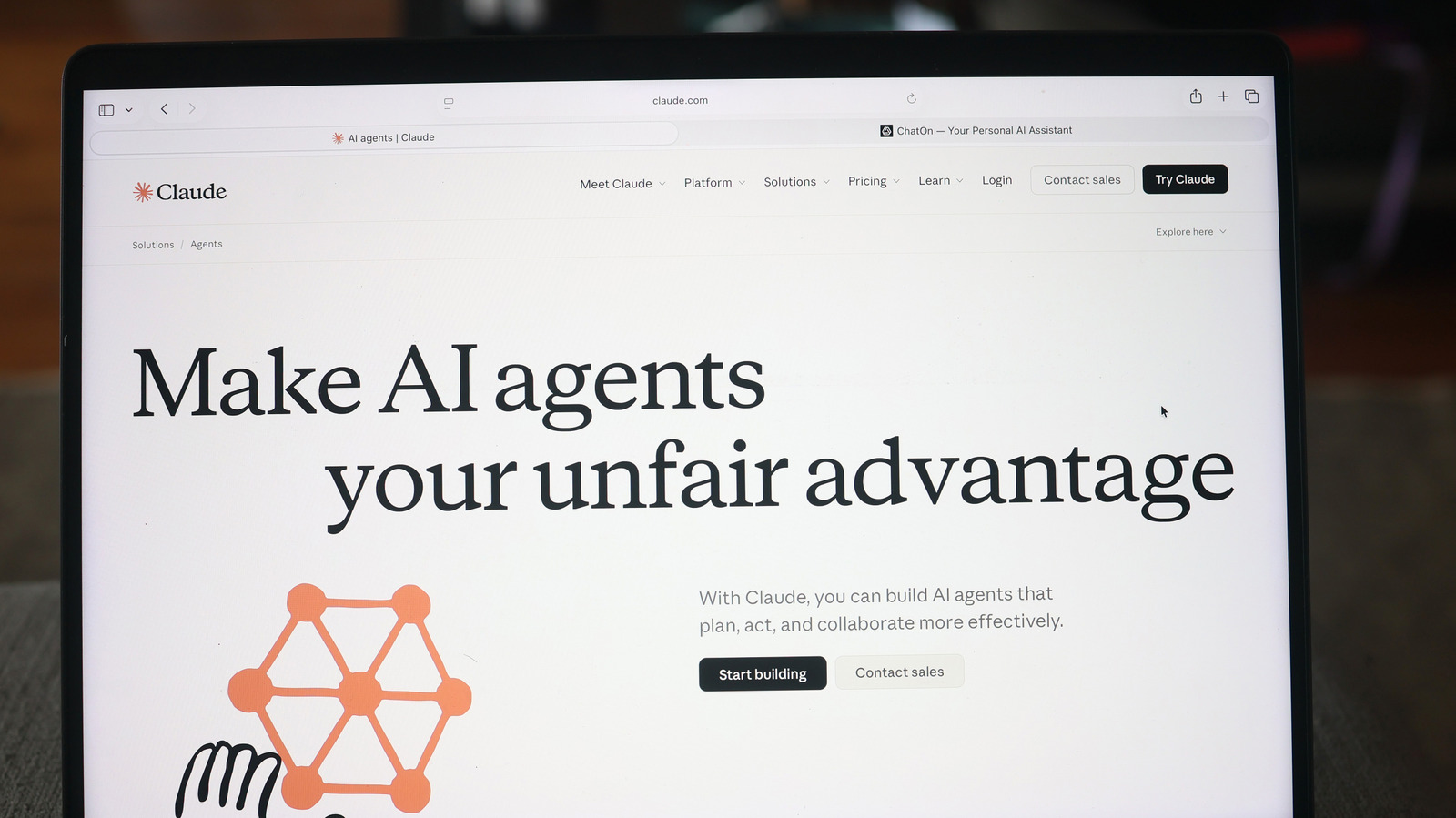
The landscape of generative artificial intelligence is facing a tectonic shift as two of the world’s most powerful music publishing conglomerates, Sony Music Publishing and Warner Chappell Music, have launched a massive legal offensive against Anthropic, the developer of the Claude AI model. The lawsuit, filed in federal court, alleges that the AI startup engaged in a "brazen campaign of illegally torrenting, scraping, and downloading" thousands of copyrighted musical compositions to fuel its large language models (LLMs).
This development represents a critical escalation in the ongoing war between creative industries and technology developers over the "fair use" of training data. With the plaintiffs seeking damages that could reach into the billions, the outcome of this case promises to set a definitive precedent for the future of AI development and the protection of intellectual property in the digital age.
The Core Allegations: A Case of Systematic Theft?
In a scathing complaint that accuses Anthropic of "one of the largest and most blatant ongoing thefts of intellectual property in history," Sony and Warner outline a methodology of data acquisition they argue is both predatory and illegal.
The core of the publishers’ argument centers on how Claude models are trained. They contend that Anthropic did not simply "browse" the internet for general knowledge; instead, they allege the company deliberately sourced massive repositories of song lyrics and musical scores from unauthorized sites, such as those hosting pirated torrents. By doing so, the plaintiffs argue, Anthropic created a model that can reproduce lyrics and provide detailed analyses of songs that it has no legal right to exploit for commercial gain.
The complaint emphasizes that this was not an accidental or incidental ingestion of data. Instead, the publishers describe a systematic, large-scale operation designed to harvest protected works without compensation, credit, or license. For the plaintiffs, this represents a fundamental violation of copyright law that threatens the livelihoods of songwriters and the economic viability of the publishing industry.
A Pattern of Litigation: The Chronology of Conflict
The legal action taken by Sony and Warner does not exist in a vacuum. It is part of a broader, accelerating trend of litigation targeting Anthropic’s business model.
The Early Warnings
The first major tremors in this saga began when a group of authors filed a class-action lawsuit against Anthropic, alleging that the company utilized pirated copies of their books to train its systems. That case served as a harbinger for the current tensions. It concluded in a landmark settlement, with Anthropic agreeing to a staggering $1.5 billion payout to resolve the claims—a figure that underscored the severity of the alleged copyright violations.
The Music Industry’s Initial Response
Earlier this year, the industry’s resistance hardened. Universal Music Group and Concord Music Group filed their own high-profile lawsuit, alleging that Anthropic had illegally ingested over 20,000 copyrighted songs. That lawsuit, which sought damages exceeding $3 billion, signaled that the music industry was no longer interested in negotiating individual licensing deals but was instead pivoting toward aggressive litigation to protect their catalog’s value.
The Sony-Warner Escalation
The most recent filing by Sony and Warner acts as a reinforcement of this strategy. By combining the legal weight of the world’s largest music publishers, the industry is signaling that it will not tolerate the "black box" training methods employed by AI startups. Each successive lawsuit has grown in scope and detail, effectively building a comprehensive narrative that characterizes Anthropic’s growth as being fueled by illicit data acquisition.
The Economics of Infringement: Supporting Data
The financial stakes in this litigation are monumental. The plaintiffs are seeking a jury trial and are asking for maximum statutory damages. Under current US copyright law, damages for willful infringement can reach up to $150,000 per work.
If a jury finds that Anthropic infringed upon "thousands upon thousands" of compositions—as the complaint alleges—the total liability could balloon into the billions of dollars. Furthermore, the publishers are seeking an additional $25,000 per instance for the removal of "Copyright Management Information" (CMI). This refers to the metadata and digital watermarks that identify the original creators and owners of a work. By allegedly stripping this information during the scraping process, the publishers argue that Anthropic made it impossible for the industry to track and license its content, a clear violation of the Digital Millennium Copyright Act (DMCA).
To put this into perspective, the sheer volume of data required to train a state-of-the-art model like Claude is vast, encompassing billions of parameters. When a substantial portion of that "training diet" consists of copyrighted music, the scale of infringement is essentially unprecedented.
Official Responses and Corporate Stance
As of the time of this writing, Anthropic has remained relatively tight-lipped regarding the specifics of the new complaint. Historically, the company has argued that its models operate within the bounds of "fair use," suggesting that the transformation of data into a generative output is a unique creative act that does not violate the underlying rights of the source material.
Anthropic has previously emphasized its commitment to "AI safety" and "constitutional AI," suggesting that their models are designed to be helpful and harmless. However, they have yet to articulate a legal defense that addresses the specific accusations of using pirated torrent sites to acquire training data. Industry analysts suggest that Anthropic’s defense will likely hinge on the argument that training an AI model is an "inherently transformative" process that benefits the public, a defense that has yet to be fully tested in a high-stakes copyright trial.
The Implications: A Turning Point for Generative AI
The lawsuit against Anthropic is not just about music; it is a battle for the soul of the generative AI industry. The implications of this case will resonate across several sectors:
1. The Death of the "Wild West" Era
For years, AI companies operated under the assumption that they could "scrape first and ask questions later." This lawsuit suggests that the grace period is over. Technology firms will now likely be forced to transition toward licensed, clean data sets, which will significantly increase the cost of AI development.
2. The Future of Fair Use
The courts will have to grapple with a foundational question: Does the ingestion of copyrighted material for the purpose of training a commercial AI product constitute "fair use" under the law? A ruling in favor of Sony and Warner could force AI companies to pay retroactive licensing fees for their existing models, potentially rendering many current AI products financially unsustainable.
3. Impact on Songwriters and Creators
For the artists represented by these publishers, the case is a matter of survival. If AI models can generate music in the style of, or using the lyrics of, famous artists, it risks devaluing the original human creative output. The music industry is fighting to ensure that they maintain control over their intellectual property in an era where that property can be instantly replicated and synthesized.
4. Regulatory Pressure
This case will almost certainly attract the attention of legislators in Washington and Brussels. If the courts prove unable to resolve these disputes quickly, it may invite sweeping new regulations that dictate how AI companies are allowed to train their models, potentially shifting the regulatory landscape toward a "license-only" model for AI data.
Conclusion: A Precedent in the Making
The confrontation between Sony Music Publishing/Warner Chappell Music and Anthropic is far more than a corporate disagreement. It is the frontline of a struggle to define the rules of the road for the most transformative technology of the 21st century. As the case proceeds to discovery and potential trial, the world will be watching to see whether the law protects the creators of human culture or the engineers of synthetic intelligence. One thing is certain: the era of unchecked data scraping is rapidly coming to an end, and the cost of innovation will henceforth include the price of fair compensation for the creators who built the foundation upon which AI stands.











