

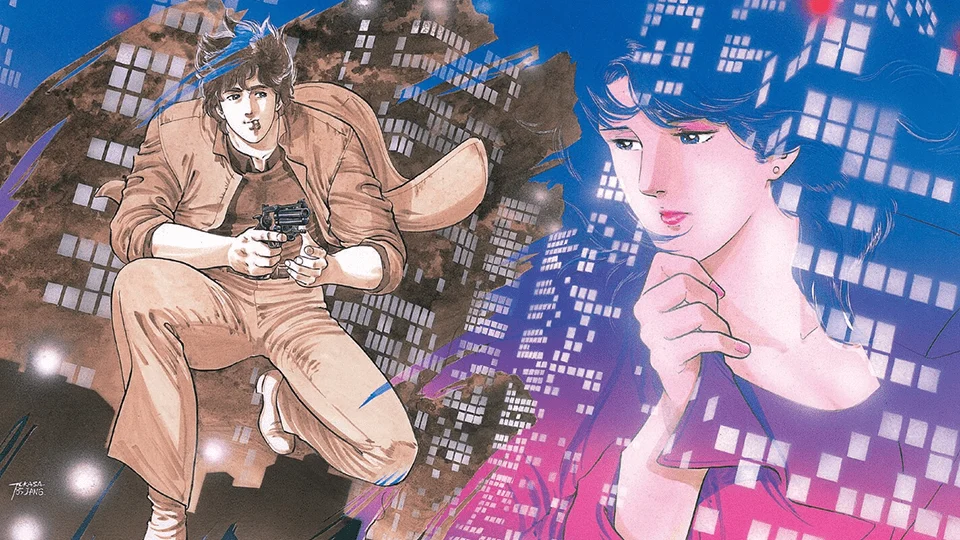
The landscape of classic manga in the Western market is currently experiencing a profound "renaissance." For decades, many foundational works of the 1980s remained either out of print or entirely unlicensed in North America. However, the tide has turned. Leading this resurgence is the legendary mangaka Tsukasa Hojo, whose seminal works—Cat’s Eye and City Hunter—are finally receiving the prestige treatment they deserve.
With the upcoming release of the Volume 1 Omnibus editions from Abrams Books’ Kana imprint, fans and new readers alike are poised to rediscover the high-octane action, sophisticated art, and urban noir aesthetics that defined an era of Japanese pop culture. Scheduled for release on September 23, 2025, these collections represent more than just a reprint; they are a curated celebration of a master’s legacy.
Main Facts: The Return of the Shinjuku Legends
The core of this release consists of two massive "3-in-1" omnibus volumes. Abrams Books, through its specialized manga imprint Kana, has designed these editions to serve as definitive collector’s items.
The Cat’s Eye Omnibus Vol. 1
Cat’s Eye, which originally ran from 1981 to 1985, is the series that catapulted Hojo to superstardom. The new omnibus collects the first three volumes of the original manga, encompassing 23 chapters. The physical production is notably high-end, featuring:
- A high-quality dust jacket with iconic cover art.
- Full-color pages printed on premium glossy paper.
- Forty-eight pages of specialized two-color inserts, maintaining the aesthetic integrity of the original magazine serialization.
- An expert translation that balances modern readability with the 1980s period setting.
The City Hunter Omnibus Vol. 1
Following the success of Cat’s Eye, Hojo launched City Hunter in 1985, a series that would run until 1991 and become a global phenomenon. The Volume 1 Omnibus similarly collects the first three volumes, totaling 25 chapters. Key features include:
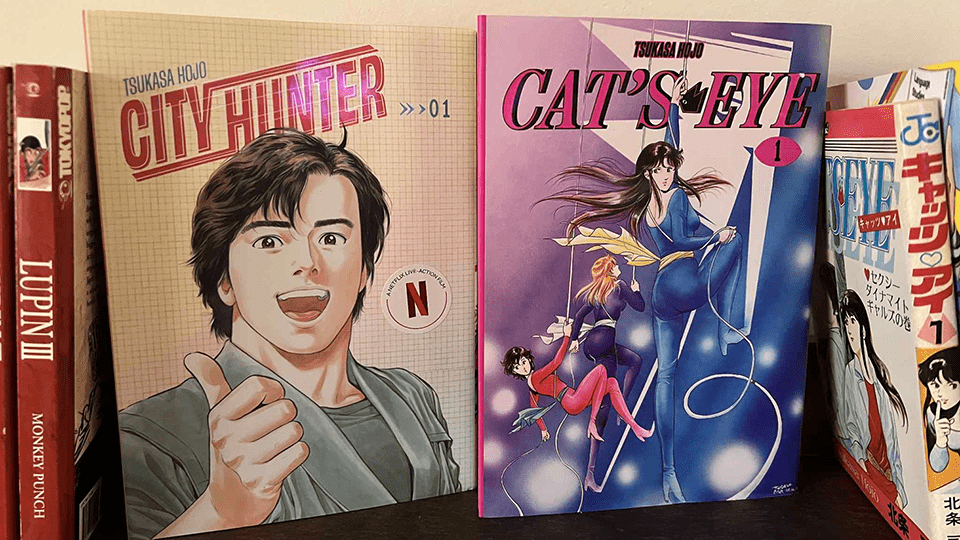
- A full-color dust jacket and six pages of full-color glossy inserts.
- Extensive "behind-the-scenes" content, including Hojo’s personal commentary on the creation of specific chapters.
- A comprehensive interview with the author regarding the series’ origins.
- Detailed translation notes, which are essential for explaining cultural nuances, such as the infamous "mokkori" catchphrase associated with the protagonist, Ryo Saeba.
Chronology: From Showa Era Success to Global Streaming
To understand the significance of these omnibus releases, one must look at the timeline of Tsukasa Hojo’s influence on the medium.
1981–1985: The Rise of the Kisugi Sisters
Hojo debuted Cat’s Eye in Weekly Shonen Jump. It was a radical departure from the standard battle manga of the time, focusing on three sisters—Hitomi, Rui, and Ai—who operate a cafe by day and act as high-stakes art thieves by night. The series was a massive hit, leading to a legendary anime adaptation and establishing Hojo’s signature "realistic" yet glamorous art style.
1985–1991: The Era of the Sweeper
Immediately following Cat’s Eye, Hojo created City Hunter. Set in the gritty, neon-lit streets of Shinjuku, it followed Ryo Saeba, a "sweeper" or private eye/hitman for hire. The series balanced hard-boiled noir action with slapstick comedy, creating a blueprint for the "cool but flawed" hero that would influence characters like Spike Spiegel in Cowboy Bebop.
The International Gap
While both series were massive in Japan, Europe (particularly France and Italy), and Hong Kong (spawning a famous Jackie Chan live-action film), the North American market saw sporadic releases. For years, fans had to rely on out-of-print single volumes or secondary-market imports.
2024–2025: The Modern Resurgence
The momentum for these new manga editions has been fueled by a wave of modern adaptations. In early 2024, Netflix released a live-action City Hunter film that was praised for its faithfulness to the source material. Simultaneously, Disney+ announced a new Cat’s Eye anime adaptation, intended to adhere more closely to Hojo’s original manga than the 1980s version did. This alignment of media—streaming films, new anime, and prestige manga reprints—marks 2025 as the "Year of Hojo."

Supporting Data: Technical Specifications and Content Depth
The decision by Abrams Books to utilize the "Omnibus" format is backed by market data suggesting that modern manga readers prefer high-value, durable collections over thin, individual volumes.
Narrative Architecture
The Cat’s Eye omnibus covers the foundational "Phantom Thief" arc. It introduces the central conflict: Hitomi’s boyfriend, Toshio Utsumi, is the very police officer tasked with catching "Cat’s Eye." This romantic tension, combined with the sisters’ secret quest to find their missing father through stolen artwork, provides a narrative depth that justifies the 23-chapter collection.
The City Hunter omnibus is equally dense, focusing on the formation of the iconic partnership between Ryo Saeba and Kaori Makimura. It begins with Ryo’s original partner, Hideyuki Makimura, whose tragic departure sets the stage for his sister Kaori to take his place. This volume establishes the "XYZ" message board at Shinjuku Station—the narrative device that triggers each mission.
Visual Fidelity
Tsukasa Hojo is renowned for his technical precision, particularly regarding firearms, vehicles, and fashion. The use of glossy paper for color inserts in these editions is a critical data point for collectors. Unlike standard newsprint-style manga paper, glossy stock prevents ink bleed and preserves the fine linework Hojo is famous for. The inclusion of 48 pages of two-color (duotone) inserts in Cat’s Eye is particularly rare for Western releases and reflects a commitment to archival quality.
Official Responses: The Publisher’s Perspective
While specific corporate statements from the Kana imprint emphasize "bringing classic brilliance to a new generation," the editorial direction of these volumes speaks for itself. By including translation notes and author interviews, the publishers are acknowledging a more "mature" or "academic" manga audience.

Industry analysts note that the Kana imprint’s strategy mimics the success of "Hardcover Deluxe" editions seen with series like Berserk or Vinland Saga. By positioning City Hunter and Cat’s Eye as collectible "Omnibus" sets, Abrams is targeting both the nostalgic Gen X/Millennial demographic and Gen Z readers who have discovered the series through Netflix and TikTok-driven retro aesthetics (City Pop culture).
The inclusion of the "mokkori" explanation in the translation notes is an "official response" to a long-standing localization challenge. In previous decades, Western publishers often censored or mistranslated Ryo Saeba’s lecherous outbursts. The new edition’s commitment to explaining the term in its cultural context suggests a shift toward "unfiltered" localization that respects the original author’s intent.
Implications: The Future of Classic Manga in the West
The release of these two omnibus volumes carries significant implications for the North American manga industry and the legacy of Tsukasa Hojo.
1. The Viability of "Retro-Cool"
The success of these volumes will likely serve as a bellwether for other 80s and 90s titles. If City Hunter and Cat’s Eye perform well, it opens the door for other "urban legend" series that have been trapped in licensing limbo. It proves that there is a sustainable market for "City Pop" era manga—works that emphasize urban sophistication, fashion, and adult-oriented action.
2. Archival Preservation
By creating high-quality, durable books, Abrams is participating in the "archival" movement of manga. These are not disposable magazines; they are library-quality volumes designed to last decades. This shifts the perception of manga from "youth entertainment" to "literary art."

3. Cross-Media Synergy
The release strategy demonstrates the power of the "Netflix Effect." The live-action City Hunter film acted as a massive marketing campaign for the manga. As streaming platforms continue to look for established IP (Intellectual Property) with global recognition, we can expect more "Omnibus" releases to coincide with high-budget adaptations.
4. Re-evaluating Tsukasa Hojo
Finally, these editions allow for a critical re-evaluation of Hojo’s work. Often overshadowed by the sheer volume of Shonen Jump’s battle-centric hits (like Dragon Ball or Fist of the North Star), Hojo’s work is being recognized for its unique blend of Western cinematic influence and Japanese heart. Ryo Saeba is no longer just a "perverted detective"; he is being seen as a complex icon of Shinjuku’s lost era.
Conclusion
The City Hunter and Cat’s Eye Omnibus Vol. 1 editions are more than just books; they are a bridge between the 1980s golden age of manga and the modern global era of streaming. For the veteran fan, they offer a long-awaited chance to own these stories in a format that matches their quality. For the newcomer, they provide a neon-soaked entry point into the world of one of manga’s greatest storytellers. When they hit shelves on September 23, they will undoubtedly cement Tsukasa Hojo’s place in the pantheon of Western manga culture.










No comments yet. Be the first to join the conversation!