Basiran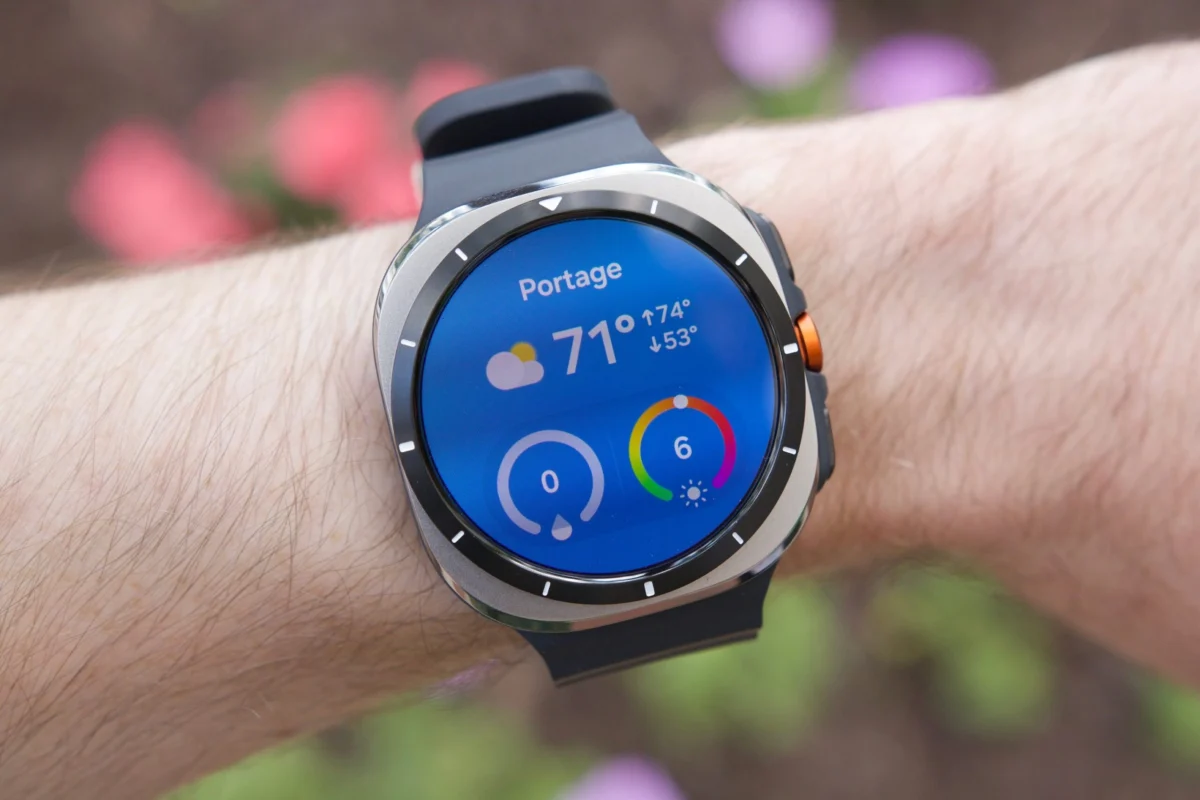
For years, the Achilles’ heel of the modern smartwatch has been its reliance on the charging cable. While smartphones have pushed into multi-day usage and laptops can last through cross-continental flights, the high-performance smartwatch has largely remained tethered to the wall every 24 to 48 hours. However, as the wearable market matures, Samsung is signaling a major shift. Reports surrounding the upcoming Galaxy Watch Ultra 2 suggest a significant "battery glow-up," potentially moving the needle from a device that requires daily vigilance to one that offers true, multi-day endurance.
The Core Revelation: A 35% Capacity Leap
The most compelling detail to emerge regarding the Galaxy Watch Ultra 2 concerns its power cell. According to industry intelligence reports, the upcoming flagship is expected to feature a battery with a rated capacity of 784mAh. In the marketing language typically favored by Samsung, this will likely be touted as an 800mAh "typical capacity."
When compared to the 590mAh battery housed in the current Galaxy Watch Ultra, this represents a staggering 35% increase in raw capacity. In the world of compact electronics, where internal volume is measured in fractions of a millimeter, a 35% gain is nothing short of monumental. This shift suggests that Samsung engineers have either successfully optimized the internal layout of the watch chassis or have tapped into new, higher-density battery chemistry to squeeze significantly more energy into the same wrist-worn form factor.

Chronology: Building Toward a New Standard
The evolution of the Galaxy Watch Ultra series has been a narrative of incremental refinement punctuated by occasional leaps in capability.
- 2024: Samsung officially launched the first Galaxy Watch Ultra, a device designed to compete directly with high-end sports watches like the Apple Watch Ultra and Garmin’s Fenix series. It introduced a rugged, titanium-focused design and a focus on extreme activity tracking.
- 2025: The iteration focused on software stability and refining the health-tracking sensor suite. While hardware remained relatively static, power efficiency became a major point of consumer feedback.
- 2026 (Upcoming): With the expected July 2026 launch window, the Galaxy Watch Ultra 2 is poised to address the most persistent criticism of its predecessor: battery longevity.
This trajectory demonstrates a company moving from "establishing presence" to "perfecting the user experience." The decision to pair this battery upgrade with a major platform shift suggests that 2026 will be a pivotal year for the Wear OS ecosystem.
Supporting Data: Efficiency Beyond Just Capacity
While a 35% increase in battery capacity is impressive, the raw numbers tell only half the story. The endurance of a smartwatch is a delicate balance between energy storage and power consumption. Samsung appears to be tackling this from both ends.

The Qualcomm Snapdragon Wear Elite Factor
Reports indicate that the Watch Ultra 2 will pivot away from the proprietary Exynos W1000 chipset in favor of Qualcomm’s Snapdragon Wear Elite platform. This is a significant move. The Snapdragon Wear Elite is designed specifically for AI-driven, high-performance wearables, emphasizing granular power management. By moving to a more efficient architecture, the Watch Ultra 2 could see "double-dipped" gains: a larger tank of energy combined with a more efficient engine.
The Role of Wear OS 7
The software layer cannot be ignored. With Google’s recent unveiling of Wear OS 7 at I/O 2026, the industry is bracing for a 10% efficiency improvement across the board. When Wear OS 7 is paired with the power-sipping potential of the Snapdragon Wear Elite chip, the theoretical endurance gains become much more than just a marketing claim. Industry analysts estimate that if these three factors—the 784mAh battery, the Snapdragon processor, and the optimized OS—align, the Galaxy Watch Ultra 2 could comfortably bridge the gap to a true three-day battery life, even with moderate GPS and health tracking enabled.
The 5G Paradox: Capability vs. Endurance
One of the most debated features of the upcoming device is the potential integration of robust 5G support. While connectivity is a massive convenience for users who wish to leave their smartphones behind during runs or commutes, it is notoriously power-hungry.

The implementation of 5G on a wearable device requires constant polling of cellular towers, a process that can drain a battery significantly faster than standard Bluetooth or Wi-Fi connectivity. The primary question facing early adopters will be: Will the 35% battery boost be consumed entirely by the demands of 5G?
Samsung is reportedly planning to roll out 5G models primarily in the United States and South Korea, markets with the infrastructure to support such features. This regional strategy suggests that Samsung is acutely aware of the power trade-offs. The company likely hopes that the increased battery capacity will provide enough overhead to make 5G a "use-all-day" feature rather than a niche, high-drain luxury that users disable to save power.
Official Responses and Industry Outlook
While Samsung has not yet provided an official technical breakdown of the Watch Ultra 2, their recent public communications regarding Wear OS 7 and "AI-powered wearable efficiency" point toward a broader strategy of longevity.

Industry experts suggest that this move is a direct response to the "Garmin effect." As more consumers move away from specialized sports watches toward "smart" devices that can handle deep fitness metrics, the bar for battery life has been raised. Users are no longer satisfied with daily charging rituals; they demand devices that can track a weekend backpacking trip without a wall outlet.
Implications for the Wearable Market
The potential success of the Galaxy Watch Ultra 2 could trigger a ripple effect across the entire wearable sector.
- Consumer Expectations: If Samsung successfully delivers a reliable three-day battery, the "daily charge" expectation for high-end smartwatches may become a thing of the past. Other manufacturers, including Google with its Pixel Watch line and various brands in the Wear OS ecosystem, will face immense pressure to match this endurance.
- AI Integration: With the Snapdragon Wear Elite chip, the Watch Ultra 2 is expected to lean heavily into on-device AI. Whether it is real-time health coaching, advanced sleep analysis, or smarter notification filtering, these features require compute power. A larger battery doesn’t just benefit longevity; it provides the headroom for more advanced, power-intensive AI tasks that previously had to be offloaded to the phone.
- The Rise of the "Always-On" Wearable: As battery anxiety decreases, users are likely to keep their devices on longer, leading to richer health datasets. This creates a virtuous cycle for companies like Samsung, as more consistent data leads to better health insights and more personalized user experiences.
Looking Toward the July Launch
As we approach the July 2026 launch alongside the next generation of Samsung’s foldable smartphones, the Galaxy Watch Ultra 2 is shaping up to be more than just a successor—it is a correction of course. By prioritizing the battery, Samsung is demonstrating a mature understanding of what its power users actually want: a device that works as hard as they do, without constantly begging for a charge.

Whether the device lives up to the lofty expectations of a three-day battery life remains to be seen. However, the confluence of a 35% larger battery, a next-generation processor, and an optimized operating system represents the most promising hardware upgrade path Samsung has taken in years. For the wearable industry, the race for the "infinite" smartwatch has officially moved to the next level. All eyes are now on the performance metrics that will follow the official launch.

 Jia Lissa
 Asro
Asro