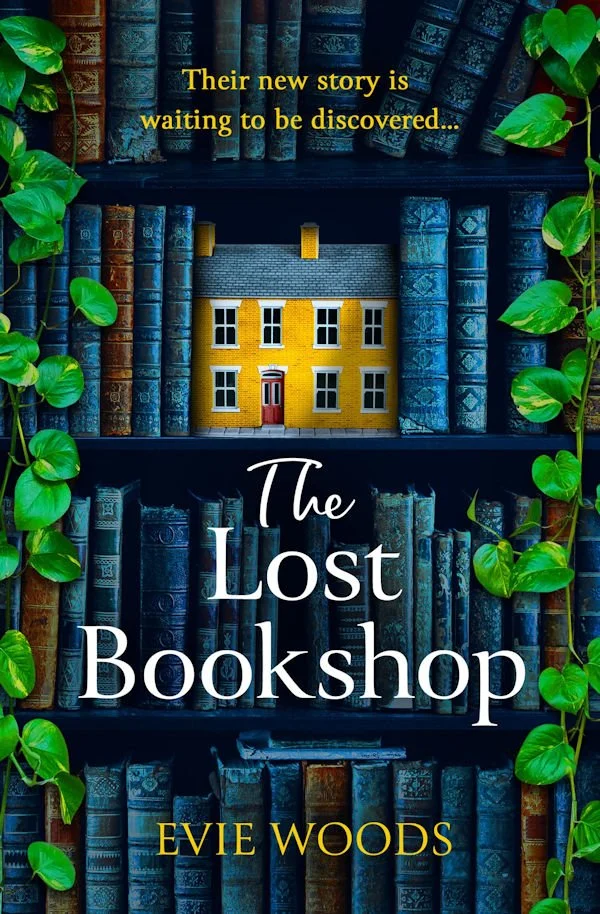
In an era increasingly defined by the sterile glow of e-readers and the algorithmic suggestions of digital storefronts, a quiet revolution is taking place on the shelves of local independent bookstores. It is a movement back to the tactile, the tangible, and the profound human connection found within the pages of a physical book. At the heart of this literary homecoming is The Lost Bookshop by Evie Woods, a novel that does not merely tell a story about books—it serves as an impassioned manifesto for why they matter.
Main Facts: A Gateway to the Extraordinary
On a quiet street in Dublin, a shop vanishes and reappears, shifting through the folds of time. This is the premise of Evie Woods’ breakout novel, a work of magical realism that has captured the hearts of readers weary of the digital churn. The story weaves together the lives of three protagonists: Opaline, a woman fleeing the confines of 1920s England; Martha, a present-day soul seeking refuge from a life that has left her feeling like a side character; and Henry, an academic whose obsession with a lost manuscript leads him on a journey far more personal than he anticipated.
The book is not simply a narrative; it is an exploration of the "lost" stories of history—specifically the stories of women who have been marginalized by a patriarchal society. Through a dual-timeline structure, Woods crafts a narrative that is both an homage to the golden age of antiquarianism and a searing critique of the obstacles placed before those seeking self-actualization.
Chronology: The Intertwining of Two Eras
The structural genius of The Lost Bookshop lies in its ability to bridge the gap between the 1920s and the modern day.
- The 1920s: We follow Opaline as she traverses a landscape ravaged by the aftermath of the Great War and the creeping shadow of a global pandemic. In this era, the book trade serves as a sanctuary, a profession that allows a woman to assert her independence in a world determined to box her in.
- The Modern Day: Martha and Henry find themselves drawn to a mysterious, elusive shop in Dublin. Their quest for a vanished manuscript serves as the engine of the plot, but the real journey is one of psychological liberation.
As the reader moves between these timelines, the parallels become clear: whether in the post-war recession of the early 20th century or the high-pressure environment of the 21st, the human need for belonging remains constant. The chapters, distinctly labeled by perspective, allow for a seamless transition, ensuring that while the stakes remain high, the reader is never lost in the complexity of the temporal shifts.
Supporting Data: The Case for the Physical Page
The resurgence of interest in print media is no longer anecdotal; it is a cultural phenomenon. Recent trends in the publishing industry indicate a growing fatigue with screen-based reading, leading to a "tactile revival."
- The Sensory Experience: Readers are increasingly citing the physical attributes of books—the smell of paper, the weight of the spine, and the ability to physically track one’s progress—as primary motivators for their return to brick-and-mortar shops.
- The "Third Place" Effect: Independent bookshops, like the "One Last Chapter" village shop that inspired this review, serve as vital community hubs. They offer a "third place"—neither home nor work—where intellectual curiosity is fostered without the pressure of digital surveillance.
- Formatting Matters: As noted by enthusiasts, the aesthetic choices of a book, such as the placement of chapters on the right-hand page or the use of generous margins, significantly impact the reading experience. The Lost Bookshop adheres to these "classic" formatting standards, providing a visual and ergonomic comfort that mass-market paperbacks often neglect.
Official Responses and Thematic Implications
While The Lost Bookshop is a work of fiction, its themes have resonated deeply with critics and readers alike. The novel has been lauded for its "delicate handling" of heavy subject matter, including emotional and mental abuse, the pressures of social expectation, and the historical marginalization of women.
The Feminist Lens
Evie Woods has been vocal about her intentions regarding the text. She states, "I wanted to write a book that would encapsulate how I feel, as a woman, about the women who have been marginalized in the past and continue to be written out of their own stories, even today." By juxtaposing the 1920s with the present, Woods illustrates that while the legal landscape for women has shifted, the internal struggle for autonomy remains a battlefield.
Psychological Impact
The novel posits that books are not mere entertainment but tools for survival. As the character Martha remarks, "The thing about books is that they help you to imagine a life bigger and better than you could ever dream of." This sentiment is echoed by Henry, who finds that his academic pursuits, once a way to hide from the world, become the catalyst for his own evolution into a "man of destiny."
The Quest for Meaning: Why This Book Matters
To read The Lost Bookshop is to accept an invitation to a quest. For the reviewer, the quest began with the simple act of stepping into a local bookstore and deciding to abandon the digital reader in favor of a physical book. It is a decision that pays dividends in clarity, emotional engagement, and the simple, profound joy of turning a page.
The novel is not a lecture; it is an experience. It utilizes the "Irish charm" of its setting and the magical realism of its plot to lower the reader’s defenses, only to hit them with profound truths about the necessity of making decisions. As Henry quotes his sister, Lucinda: "It didn’t matter whether the decision you made was right or wrong, as long as you made it. That’s what moved you along in life."
Conclusion: A Call to the Shelves
In a world that is increasingly digitized and detached, The Lost Bookshop stands as a reminder of the power of the printed word. It is a story about the intersection of history and modernity, about the magic that exists in the mundane, and, most importantly, about the transformative power of literature.
For those who have forgotten the pleasure of holding a book, for those who feel like side characters in their own lives, and for those who believe in the hidden magic of dusty shelves, this novel is essential reading. It is a heartfelt, engrossing, and beautifully crafted journey that encourages the reader to stop, look around, and perhaps, find their own way home.
Recommended Age: 16+
Content Warnings: Please be advised that the novel contains depictions of physical, emotional, and mental abuse, as well as references to murder, suicide, substance use (smoking/drinking), incarceration, and the horrors of war.
As you close the final page of The Lost Bookshop, you may find yourself doing exactly what Martha did: rationing the final chapters, savoring the narrative like a long-lost treasure, and realizing that the true "lost bookshop" is not a physical location at all—it is the transformative potential within every reader, waiting to be found.