

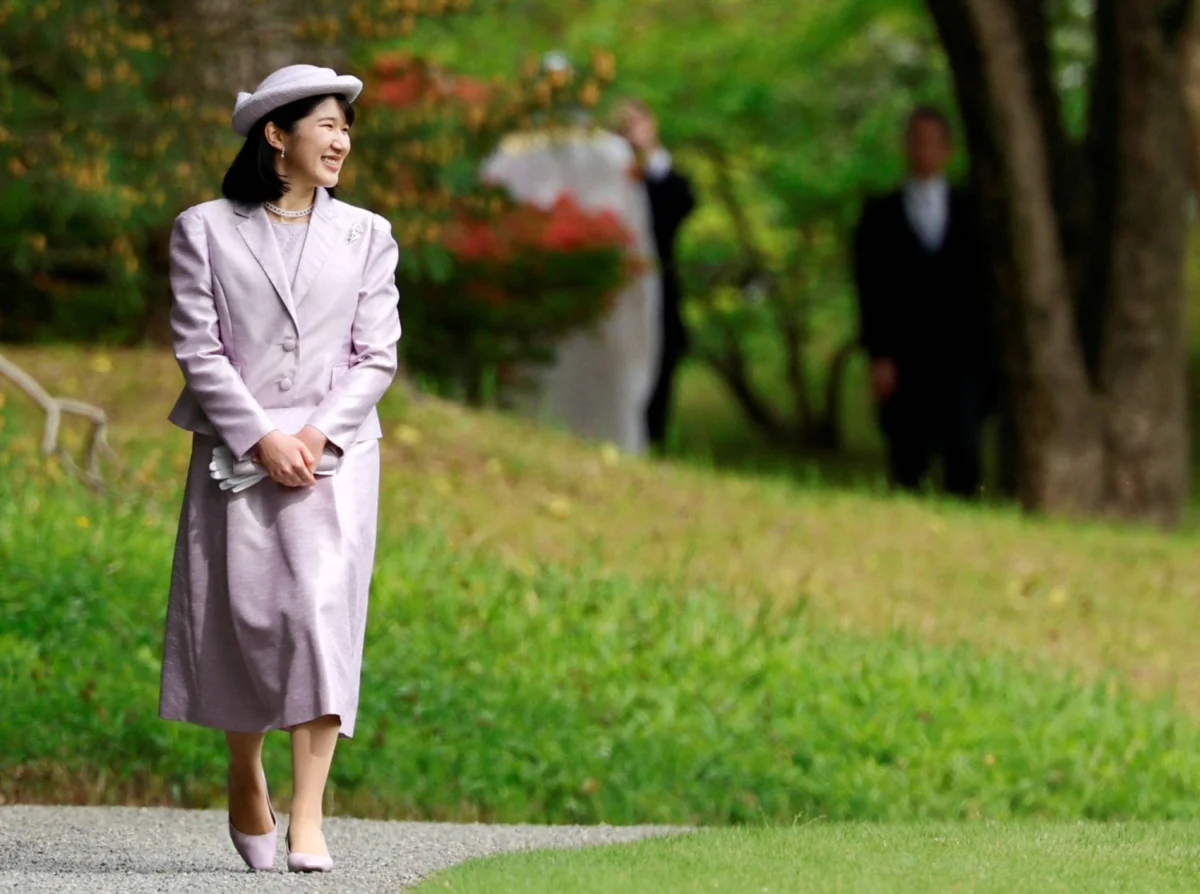
For generations, the Imperial House of Japan has operated under a rigid, often austere, legal framework that dictates the lives of its members with clockwork precision. Yet, as the 21st century progresses, the institution finds itself at a delicate intersection of tradition and modernization. New legislative proposals currently under consideration threaten to fundamentally alter the lives of Japan’s princesses, sparking a national debate that pits the preservation of imperial continuity against the individual liberties of the royal family.
At the heart of this potential transformation is a set of bills that would grant imperial princesses the option—and perhaps the obligation—to remain within the Imperial House even after marriage. This shift represents a seismic departure from the current Imperial House Law, which mandates that female members lose their royal status upon marrying a commoner.
The Current Legal Framework: A History of "Commoner" Transitions
To understand the magnitude of these proposed changes, one must first examine the existing structure of the Imperial House Law, enacted in 1947. Since the post-war reforms, the Imperial family has been significantly downsized. The law dictates that any princess who marries outside the aristocracy—which, in modern Japan, means any commoner—must relinquish her royal titles, her public duties, and her financial allowance, transitioning into the life of a private citizen.
This transition has been highly publicized in recent years. Notable examples include Sayako Kuroda, the daughter of Emperor Emeritus Akihito, who left the palace in 2005 to marry urban planner Yoshiki Kuroda, and Mako Komuro, the daughter of Crown Prince Fumihito, whose 2021 marriage to Kei Komuro drew global headlines and prompted significant public scrutiny. These women successfully navigated the path from imperial prominence to the relative anonymity of domestic life.
The proposed legislation seeks to rewrite this script. By allowing princesses to maintain their official roles after marriage, the government hopes to address the dwindling number of imperial family members capable of performing the grueling schedule of public duties required by the institution.
The Burden of Duty: Why the Shift?
The impetus for these revisions is not merely cultural; it is logistical. The Imperial family is shrinking rapidly. With a male-only succession line and a shortage of eligible male royals, the burden of public representation—attending ceremonies, representing the state abroad, and engaging in charitable works—has fallen increasingly on a smaller group of individuals.
Princess Aiko, the only child of Emperor Naruhito, has become a focal point of this discussion. During her 2022 coming-of-age press conference, Aiko expressed a sentiment that resonated deeply with the Japanese public: a desire to "spend a long time together" with her parents. This remark was interpreted by many royal watchers not just as an expression of familial affection, but as an implicit acknowledgment of the unique, isolated life she leads within the palace walls.
However, if the proposed laws pass, the "choice" to remain in the family may eventually become a mandatory expectation. If a princess is granted the status of a permanent working royal, the freedom to step away from the public eye—to marry and live as a "normal" citizen—may be permanently curtailed.
The Dual Implications: Duty vs. Liberty
The proposed changes present a "million-dollar question" that carries immense weight for the individuals involved: Would they want to stay?

The Case for Stability
Proponents of the new legislation argue that keeping princesses within the imperial fold provides the institution with much-needed stability. As the royal family ages, the loss of younger members to marriage leaves the monarchy vulnerable to staffing shortages. If princesses could marry while retaining their titles, they could continue to serve the country, ensuring that the imperial presence remains robust and visible.
The Case for Autonomy
Conversely, the "flip side" of this policy is the effective end of the "normal life" option. For Mako Komuro and Sayako Kuroda, the ability to leave the imperial family was a necessary exit strategy—a way to escape the stifling pressure of the Imperial Household Agency (IHA) and the constant gaze of the media. By mandating that future princesses remain in the family regardless of marital status, the state may be effectively trapping them in a life of permanent public service, potentially exacerbating the mental health struggles that have frequently been reported within the imperial ranks.
Chronology of Imperial Transitions
- 1947: The Imperial House Law is enacted, establishing that female members lose their imperial status upon marriage to commoners.
- 2005: Sayako Kuroda (formerly Princess Nori) marries and departs the imperial family, the first high-profile departure under the modern law.
- 2017: The Diet passes a one-time law allowing Emperor Akihito to abdicate, sparking a broader national conversation regarding succession and the status of female members.
- 2021: Mako Komuro marries Kei Komuro, leading to widespread public discourse regarding the intersection of imperial status, media intrusion, and individual autonomy.
- 2022: Princess Aiko officially comes of age, signaling a new generation of imperial leadership and raising questions about her future role in a changing system.
- 2024–2026: Legislative discussions intensify as the government explores structural reforms to maintain the viability of the imperial institution.
Official Responses and Public Sentiment
The IHA has historically been a conservative force, prioritizing the preservation of tradition over radical reform. However, internal documents and reports suggest that even the agency recognizes the unsustainability of the current path. Government officials, including those in the ruling Liberal Democratic Party (LDP), have expressed concerns that without an increase in the number of working royals, the imperial family will be unable to fulfill its ceremonial obligations to the Japanese state.
Public opinion, however, is deeply divided. A significant portion of the Japanese public is sympathetic to the desire of princesses to lead private lives. Many see the rigid constraints of the Imperial House Law as an outdated relic of the pre-war era. Yet, there is also a traditionalist base that views the preservation of the imperial bloodline and the dignity of the royal family as paramount, regardless of the personal cost to its members.
Looking Ahead: The Future of the Monarchy
The proposed bills are not merely about administrative convenience; they are a fundamental re-evaluation of what it means to be a "royal" in 21st-century Japan. If the law changes to allow princesses to marry and remain in the family, the monarchy will essentially be creating a new category of "working royals" who balance familial life with state obligations.
However, this transition will not be seamless. It will require a fundamental shift in the relationship between the Imperial House and the public. Can an individual be both a private spouse and a public icon of the state? Can the IHA transition from a body that manages the isolation of royals to one that supports the integration of royal life into the broader society?
The situation remains fluid. As the government continues its deliberations, the princesses of Japan find themselves at the center of a historic transition. Whether these changes ultimately empower the female members of the imperial family or constrain them remains to be seen. What is clear is that the "long time" Princess Aiko spoke of spending with her parents may soon be defined by a new, more rigid set of legal realities that will reshape the Imperial House for decades to come.
As the debate continues, the world watches to see if Japan will modernize its ancient institution, or if the weight of tradition will once again dictate the path forward, leaving little room for the personal aspirations of those born into the Chrysanthemum Throne.











