

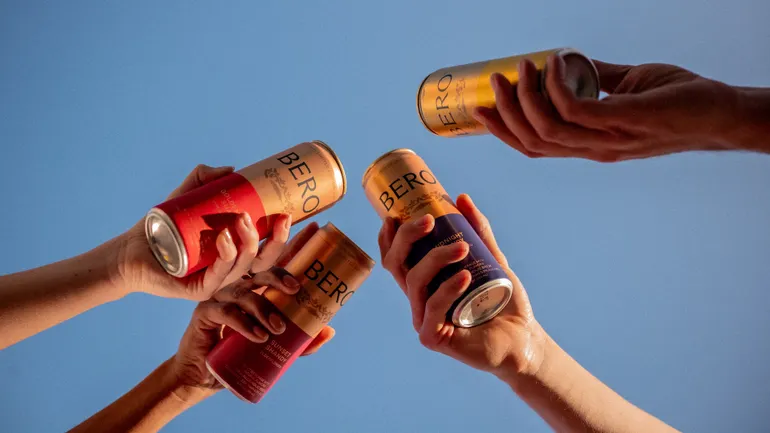
In the rapidly evolving world of premium beverages, the nonalcoholic (NA) beer sector is undergoing a profound metamorphosis. No longer relegated to the fringes of the cooler or dismissed as a compromised alternative, NA beer has emerged as a symbol of the "sober-curious" movement and a lifestyle choice for the health-conscious professional. At the center of this cultural shift stands Bero, a brand that hit the market in late 2024 with a potent combination of celebrity influence, high-end craftsmanship, and a savvy, multi-channel marketing strategy. Co-founded by actor Tom Holland—the global face of the Spider-Man franchise—Bero has transcended the typical "celebrity brand" trope to become a legitimate force in the competitive beverage landscape.
The Genesis of Bero: A Founder’s Personal Mission
The inception of Bero is rooted in the personal journey of its most famous face. Tom Holland, who has been vocal about his own path to sobriety, sought to address a gap in the market: the absence of a high-quality, nonalcoholic beer that didn’t feel like a consolation prize.
"The goal was never to create something that feels like an alternative," says Jackie Widmann, Senior Vice President of Marketing at Bero. "It was about creating a product that stands on its own merits—something that mirrors the quality, complexity, and social experience of traditional craft beer, but without the alcohol."
By launching with a portfolio that includes a crisp European pils, a bold hazy IPA, and a refreshing wheat beer, Bero positioned itself as a lifestyle brand first and an NA brand second. This distinction is critical to its early success, allowing it to compete not just with other NA brands, but with legacy craft breweries.
Chronology of a Rapid Ascent
The trajectory of Bero has been nothing short of meteoric. Since its late 2024 launch, the brand has demonstrated a masterclass in modern go-to-market execution:
- Q4 2024: Official market launch of Bero. The brand establishes its identity through a focus on "mindful indulgence" rather than strict abstinence.
- Early 2025: Bero hits Target shelves nationwide, providing immediate, high-visibility retail access.
- Mid-2025: The brand reports a staggering $10 million in sales within its first year, signaling massive consumer demand.
- June 2025: Bero launches a new line of shandies—a move reportedly inspired by Zendaya—which expands the brand’s palate appeal.
- July 2025: The brand initiates a high-profile partnership with fitness giant Barry’s, cementing its position in the "active lifestyle" segment.
- Late 2025: Bero secures a high-profile alliance with luxury automotive brand Aston Martin, emphasizing its "premium" positioning.
The Numbers: A Booming Market
Bero is operating within an industry experiencing exponential growth. According to data from The Business Research Company, the global nonalcoholic beer market is poised for massive expansion, moving from an estimated $23.84 billion in 2025 to a projected valuation of over $38 billion by 2030.
Bero’s internal projections suggest that its own revenue is set to more than double in the coming year. This growth is being driven by an aggressive expansion of distribution channels, moving from the initial Target rollout to major retailers including Kroger, Publix, Erewhon, and Amazon. The success of the brand lies in its ability to capture a segment of the market that is moving away from traditional alcohol consumption without abandoning the social rituals associated with it.
The Strategic Power of Partnerships
One of the most distinct aspects of Bero’s growth strategy is its reliance on "lifestyle alignment" rather than traditional broadcast advertising.
The Chase Sapphire Reserve Connection
Bero’s partnership with Chase has been a pillar of its B2B strategy. Initially seeking space in Chase’s airport lounges, the relationship evolved into a sophisticated business-to-business and business-to-consumer hybrid. By leveraging the Chase ecosystem, Bero gained access to high-profile hospitality clients and high-net-worth consumers.
"We were able to build that into something bigger," explains Widmann. "Chase helped us get in front of a lot of different high-profile hotel and restaurant clients that are all part of their ecosystem. It was an authentic way for us to build around the journey of creating a business from the ground up."
Fitness and Luxury: Barry’s and Aston Martin
By aligning with Barry’s, a fitness studio chain synonymous with high-intensity training, Bero successfully integrated itself into the "work hard, play hard" mentality. The launch of a limited-edition Bero-inspired shake at Barry’s Fuel Bars represents a pivot toward experiential marketing—positioning the beer as a reward for physical achievement.
Conversely, the partnership with Aston Martin serves to elevate the brand’s perception. By anchoring the brand in British heritage and craftsmanship, Bero moves beyond the "health" category and into the "luxury" category. It is a strategic move to ensure that Bero is seen as an aspirational, premium choice.
Redefining the Conversation: The "100% Bero" Philosophy
Bero’s marketing team has made a concerted effort to shift the rhetoric surrounding nonalcoholic beverages. Historically, the industry has defined itself by what is missing—the alcohol. Bero flips this narrative to focus on what the consumer gains.
"We really wanted to shift the focus to the things that you get, receive, and feel when you choose Bero," says Widmann. "We’re embracing the quality, the taste, and the craftsmanship. It’s not about sacrifice; it’s about having the option to maintain a balanced lifestyle."
The "100% Bero" campaign, utilized during the launch of their shandy line, perfectly encapsulates this. By breaking down the product—"70% lemonade, 30% Bero, 100% refreshing"—the brand demystifies the product and makes it accessible to a broader demographic. This approach allows them to appeal to those who might be intimidated by a complex IPA but are looking for a refreshing, flavor-forward beverage.
The Dual-Front Approach: B2C vs. B2B
One of the most complex challenges for any beverage brand is maintaining a consistent voice across different audiences. Bero manages this by tailoring its messaging:
- The B2B Narrative: For distributors and retailers, the story is one of entrepreneurship and market viability. Bero positions itself as a partner that understands the volatility of the hospitality industry and offers a product that keeps the menu relevant in a changing landscape.
- The B2C Narrative: For the consumer, the story is emotional and lifestyle-driven. It is about community, mindfulness, and belonging. Bero avoids being "preachy" about sobriety, instead focusing on the idea that every consumer—sober or otherwise—deserves a high-quality, inclusive beverage option.
Future Implications: The Road Ahead
As Bero enters its second year, the challenge will be scaling without diluting the brand’s premium feel. The company has already signaled that its next phase of growth will involve deeper storytelling regarding the realities of entrepreneurship. Holland’s role as a founder will continue to be a focal point, with future marketing initiatives expected to pull back the curtain on the challenges faced by the business as it expands globally.
The success of Bero serves as a blueprint for modern consumer brands. By leveraging celebrity not just as a face, but as a genuine business driver; by choosing partners that reinforce brand values; and by shifting the conversation from "alternative" to "premium choice," Bero has managed to capture the zeitgeist.
As the NA market continues its rapid expansion toward the $38 billion mark, Bero has positioned itself not just as a participant, but as a standard-bearer. Whether in the boardroom, the airport lounge, or the local gym, Bero is proving that the future of social drinking may not be about what is in the glass, but the lifestyle it represents.











