

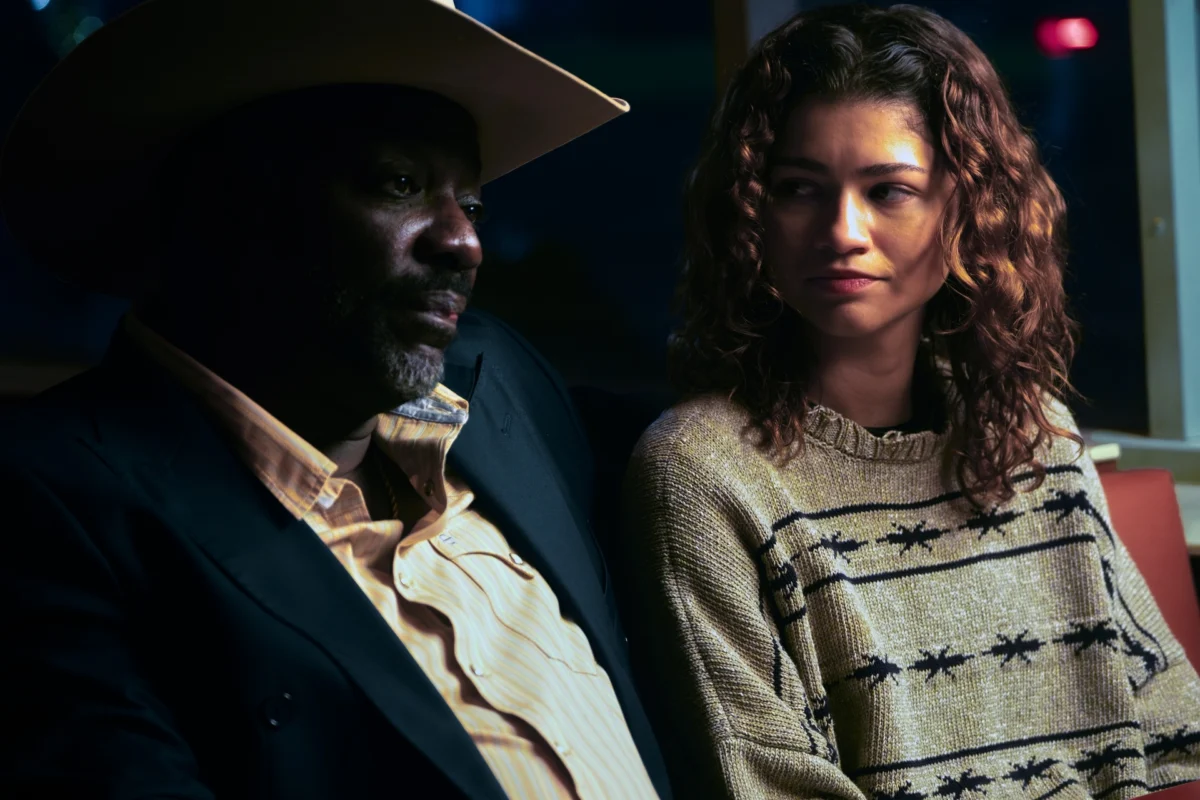
After a turbulent, genre-defining seven-year journey, HBO’s gritty teen drama Euphoria has officially come to an end. The announcement, which effectively confirms that the Season 3 closer, "In God We Trust," serves as the series finale, marks the conclusion of a project that redefined the visual language of modern television and catapulted its ensemble cast into the stratosphere of global superstardom.
Sam Levinson, the creator, writer, and director of the series, confirmed the news during an appearance on The New York Times’ music podcast, Popcast, hosted by Joe Coscarelli and Jon Caramanica. HBO subsequently verified the statement, bringing a definitive close to a show that spanned three seasons and 26 episodes.
A Chronology of a Modern Classic
When Euphoria premiered in 2019, it arrived like a lightning strike. With its neon-soaked cinematography, avant-garde makeup aesthetics, and an unflinching exploration of addiction, trauma, and identity, it didn’t just garner ratings—it sparked a cultural conversation.
- 2019 (The Debut): The first season introduced audiences to Rue Bennett (Zendaya), a recovering drug addict navigating the claustrophobic pressures of East Highland High. It became an immediate critical darling, earning Zendaya her first Emmy Award for Outstanding Lead Actress in a Drama Series.
- 2020-2021 (The Bridge): Due to the global pandemic, production was halted. However, Levinson released two standalone "bridge" episodes that focused on intimate character studies, keeping the momentum alive while the industry navigated lockdowns.
- 2022 (The Peak): Season 2 became a social media juggernaut, with weekly episodes dominating discourse on platforms like X (formerly Twitter) and TikTok. The show cemented its status as a zeitgeist-defining hit, despite growing criticism regarding its graphic content and chaotic production environment.
- 2026 (The Conclusion): Following a protracted four-year hiatus between the second and third seasons, the series returned with a time-jump narrative that attempted to shift the focus from high school angst to adult existentialism, exploring themes of faith and moral redemption before ultimately bowing out.
The Factors Behind the Finale
The end of Euphoria is hardly a surprise to industry insiders or the show’s most dedicated followers. Several converging factors made a fourth season—or even a continuation of the third—highly unlikely.
The Stardom Paradox
The most significant hurdle was the success of the cast itself. When Euphoria began, its actors were rising stars. By the time production on Season 3 finally commenced, the ensemble had transformed into some of the most sought-after talent in Hollywood. Zendaya, whose portrayal of Rue served as the show’s emotional anchor, evolved into a global box-office force with franchises like Dune and Spider-Man. Similarly, stars like Sydney Sweeney, Jacob Elordi, and Hunter Schafer became household names with packed calendars, making the logistical nightmare of synchronizing schedules for a production as demanding as Euphoria nearly impossible.
Production Delays and Creative Shifts
As Variety reported extensively in 2024, the path to Season 3 was fraught with complications. The creative team grappled with extensive rewrites and a narrative pivot that utilized a significant time jump to account for the aging cast. These delays were compounded by the 2023 WGA and SAG-AFTRA strikes, which paralyzed Hollywood and further distanced the production from its peak popularity.
Levinson’s Creative Burnout
Even before the final season aired, Levinson signaled that his relationship with the show was nearing its natural conclusion. In an interview with The New York Times earlier this year, he admitted that he wrote every season as if it were the last. When asked about the prospect of a Season 4, his response was telling: "I don’t know. As of right now, all I want to do is hang out with my wife and kids and read some Elmore Leonard and watch ‘Mrs. Miniver’ again."
Implications for HBO and the Industry
The conclusion of Euphoria leaves a significant void in HBO’s programming slate. For years, the network relied on the show to maintain its relevance among Gen Z audiences.
The show’s legacy is complex. It will be remembered for its technical brilliance—specifically the cinematography of Marcell Rév and the haunting, synth-heavy score by Labrinth. However, it also leaves behind a blueprint for how prestige television can be integrated into the digital ecosystem. Euphoria was a "watercooler show" in the age of streaming, where viral clips and character-specific "fits" drove engagement long after the credits rolled.
Conversely, the show’s end serves as a cautionary tale for the industry regarding the sustainability of "event" television. The four-year gap between seasons arguably diluted the show’s cultural impact, proving that in the hyper-fast world of modern streaming, momentum is a perishable commodity.
A Final Look at the Ensemble
While the show has ended, the impact on its cast remains profound. The series served as a masterclass in ensemble acting, featuring a roster that—beyond Zendaya—included:
- Hunter Schafer (Jules Vaughn)
- Jacob Elordi (Nate Jacobs)
- Sydney Sweeney (Cassie Howard)
- Alexa Demie (Maddy Perez)
- Colman Domingo (Ali Muhammad)
- Maude Apatow (Lexi Howard)
- Eric Dane (Cal Jacobs)
In recent interviews surrounding the finale, actors like Colman Domingo and Adewale Akinnuoye-Agbaje have spoken to the emotional weight of bringing these characters to a close. For Domingo, who played the role of Rue’s sponsor, the show was an exploration of the "messiness of humanity," a sentiment that seems to define the series’ overall ethos.
Looking Forward: What Remains of East Highland?
The final episode, "In God We Trust," sought to provide a sense of closure to a group of characters who were rarely afforded peace. By moving away from the toxic high school dynamics and into a world where the characters were forced to "wrestle with the virtue of faith, the possibility of redemption and the problem of evil," the show attempted to graduate from a teen drama into a character-driven study of survival.
Whether this conclusion satisfies the vocal and often polarized fanbase remains to be seen. However, in an era where television shows are often canceled abruptly or stretched until they lose their creative integrity, Euphoria at least had the privilege of an intentional exit.
Sam Levinson, along with executive producers including Drake, Ravi Nandan, and the rest of the production team, has managed to create a piece of work that, for better or worse, defined the early 2020s. As the lights dim on the streets of East Highland, the industry is left to wonder: will we ever see another show that captures the chaos of youth with such visceral intensity?
For now, the story of Rue Bennett is over. The Euphoria era has officially passed into the annals of television history, leaving behind a legacy as fractured, brilliant, and unforgettable as the characters themselves.











No comments yet. Be the first to join the conversation!