Raul Delapena Setiawan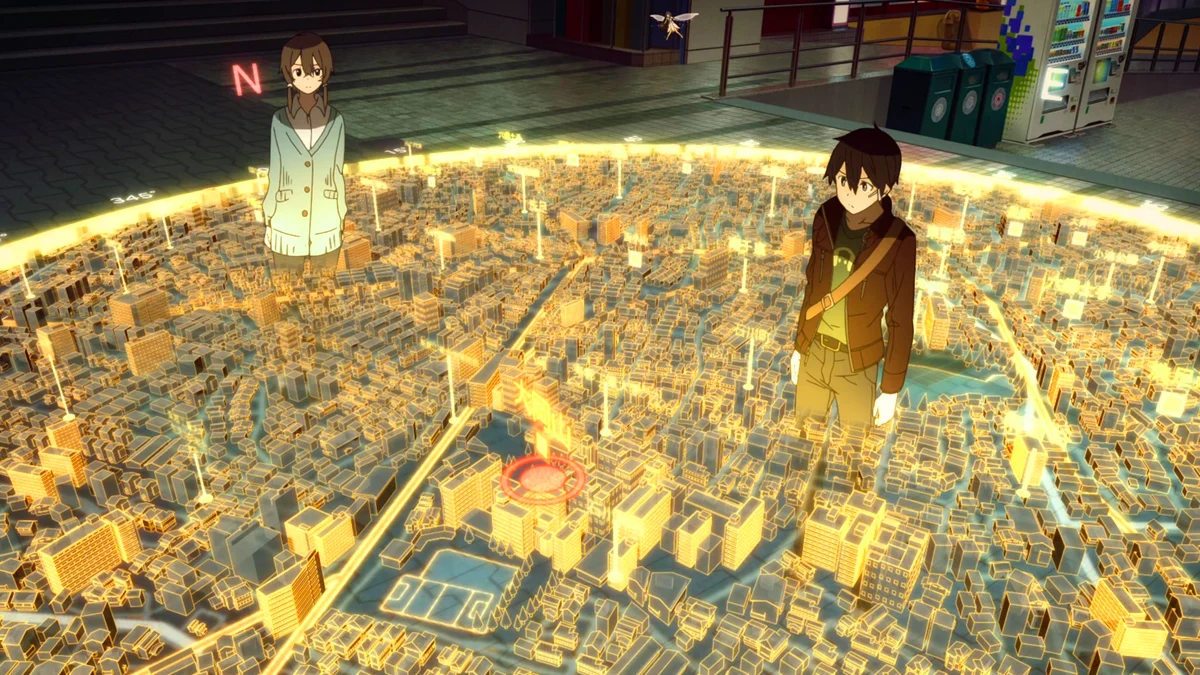
In the rapidly shifting landscape of global entertainment, Japanese animation—once a niche subculture—has ascended to become a dominant pillar of international pop culture. Yet, as the medium’s footprint expands from Tokyo to Times Square, a internal debate is intensifying within the Japanese industry: Should anime evolve to meet Western cultural sensibilities, or is its "Japan-first" eccentricity the very secret to its success?
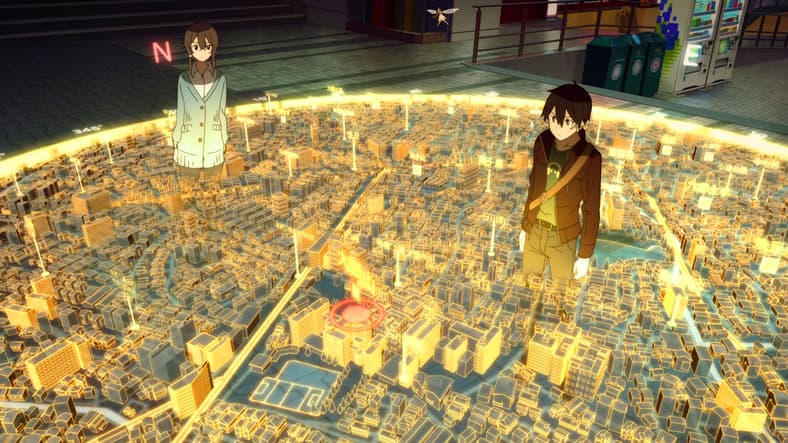
Tomohiko Itō, the acclaimed director behind the global phenomenon Sword Art Online and the critically praised ERASED, has stepped firmly into this fray. In a recent comprehensive interview with the Japanese outlet Daily Shincho, Itō issued a stern warning to his peers and production committees: the pursuit of "globalization" in creative intent is a path that "often leads to failure."
Main Facts: The Resistance to "Global Pander"
The core of Itō’s argument rests on the idea of creative authenticity. As Western streaming giants and distributors pour billions into the anime ecosystem, there is an increasing pressure on Japanese studios to sanitize content or adjust tropes to align with international—specifically North American—standards of political correctness and narrative structure.

Itō, who directed both seasons of the original Sword Art Online (SAO) series and the hit film Sword Art Online The Movie: Ordinal Scale, believes that trying to anticipate what an overseas audience wants is a fool’s errand. According to Itō, when Japanese creators attempt to "globalize" their work, they often lose the specific cultural spark that made the work attractive to foreigners in the first place.
"On the contrary, focusing too much on ‘the world’ often leads to failure," Itō stated, as translated by DeepL. "What Japanese people think will be popular globally probably won’t appeal to people overseas."
His comments touch upon a growing tension in the industry regarding "sensitivity reading" and the alteration of traditional anime tropes—such as fan service or stylized violence—to avoid friction with Western social mores. Itō specifically noted that while creators are aware of strict North American views on "political correctness," attempting to preemptively censor or alter the medium to appease those standards risks alienating the core audience and diluting the art form.

Chronology: From Niche Export to Global Hegemony (2020–2024)
To understand why Itō is sounding the alarm now, one must look at the unprecedented consolidation and growth of the anime market over the last four years. The director noted several key milestones that have fundamentally changed the stakes for Japanese creators:
- The 2020 Crunchyroll Acquisition: Sony’s Aniplex (a subsidiary of Sony Music Entertainment Japan) acquired Crunchyroll for $1.175 billion, merging it with Funimation. This created a near-monopoly on global anime streaming, placing the keys to international distribution in the hands of a corporate entity with significant Western interests.
- The COVID-19 Catalyst: During the 2020–2022 period, while Hollywood production ground to a halt, anime consumption spiked globally via streaming platforms. Itō observed that Japanese animation effectively "filled the gap" left by the absence of Western blockbusters.
- The Hollywood Labor Crisis: The 2023 WGA and SAG-AFTRA strikes further weakened the output of traditional American studios. Itō believes this "loss of power" in Hollywood allowed anime to transition from a secondary choice to a primary source of entertainment for global audiences.
- Toho’s Expansion (2024): Most recently, Toho—the legendary studio behind Godzilla—acquired the British anime distributor Manga Entertainment (now Crunchyroll UK) and the American distributor GKIDS. This signals a shift where Japanese companies are no longer just licensing content but are actively seeking to own the "pipes" of international distribution.
Supporting Data: The "Hollywood Gap" and the Value of the "Galápagos Effect"
The data supporting Itō’s "Japan-first" philosophy can be found in the massive success of films that made no concessions to global sensibilities.
Demon Slayer: Kimetsu no Yaiba – The Movie: Mugen Train (2020) remains the highest-grossing Japanese film of all time, earning over $500 million worldwide. Crucially, the film was a direct continuation of a television season, requiring viewers to have deep knowledge of the lore—a move traditionally considered "risky" by Western marketing standards which prefer standalone entries.

Itō points to this success as evidence that "authentic" Japanese storytelling—even with its specific cultural quirks and "girls fighting with lots of skin"—resonates because it offers an alternative to the increasingly homogenized "Disney-style" predictable harmony of Western animation.
Furthermore, the "Galápagos Syndrome"—a term often used pejoratively to describe Japanese products that evolve in isolation for a domestic market—is now being re-evaluated as a competitive advantage. Because anime was developed specifically for Japanese tastes without the "oversight" of global focus groups, it developed a unique visual language and narrative complexity that Western audiences now find refreshing.
Official Responses and Industry Sentiment
Itō’s stance reflects a broader sentiment currently percolating within the Japanese government and industry leadership.

Recently, a new Japanese policy proposal surfaced seeking to defend "creative freedom" for anime, manga, and video games against foreign pressure. This move by Japanese lawmakers suggests a national recognition that "Soft Power" is tied to the preservation of cultural distinctiveness.
However, the industry is not a monolith. While directors like Itō and One Piece’s Takashi Otsuka have criticized the "Disney-fication" of animation, some production committees remain wary. The fear of "cancellation" or being shut out of lucrative Western platforms like Netflix or Disney+ has led some studios to adopt "safety guidelines" that Itō suggests are detrimental to the creative process.
Itō’s critique also extended to how the industry treats its workers. He noted that while Western and Chinese audiences have begun to idolize the "internal staff"—the directors, cinematographers, and animators—the Japanese domestic market remains overly focused on voice actors (Seiyuu).
"Director Haruo Sotosaki [of Demon Slayer] rarely gets introduced domestically, yet he’s recognized abroad," Itō remarked. He urged the Japanese industry to better recognize the technical mastery of its creators, noting that for the sake of future aspirants, the "history of who did what" must be preserved and celebrated.
Implications: The Future of the "Anime Aesthetic"
The implications of Itō’s warnings are profound for the next decade of animation. If Japanese studios succumb to the pressure of "globalized" creative standards, we may see:
- Narrative Homogenization: A shift toward "safe," Western-style hero tropes and a reduction in the moral ambiguity and "weirdness" that defines many Seinen and Shonen titles.
- Visual Sanitization: A decrease in stylized character designs that might be deemed "problematic" by North American social standards, potentially leading to a loss of the very visual diversity that makes anime stand out.
- A Shift in Power: If "Japan-first" creators like Itō continue to see success, we may see Japanese studios becoming more assertive in their distribution deals, demanding that their works be presented "as is," without localizing edits or script overhauls.
Itō’s next project, an anime film adaptation of Keigo Higashino’s Kusunoki no Bannin (The Guardian of the Camphor Tree), is poised to be a litmus test for his philosophy. Set to hit Japanese theaters at the end of this month, the film is a deeply Japanese story rooted in local mystery and supernatural lore.

Conclusion: The Strength of Local Roots
Tomohiko Itō’s message is clear: Anime did not conquer the world by trying to be "global"; it conquered the world by being unapologetically Japanese.
By pushing back against the notion of pandering to international audiences, Itō is not merely defending "fan service" or specific tropes; he is defending the right of a culture to produce art for itself first. In his view, the global audience is an invited guest to a Japanese table—and the moment the host starts changing the menu to suit the guest’s every whim, the meal loses the very flavor that made the guest travel across the world to taste it.
As the industry moves forward, the "Itō Doctrine"—prioritizing internal staff recognition and creative autonomy over international trend-chasing—may become the blueprint for ensuring that anime remains a vital, distinct, and world-leading medium for generations to come.

 Asep Darmawan
 Lina Irawan