Azzam Bilal Chamdy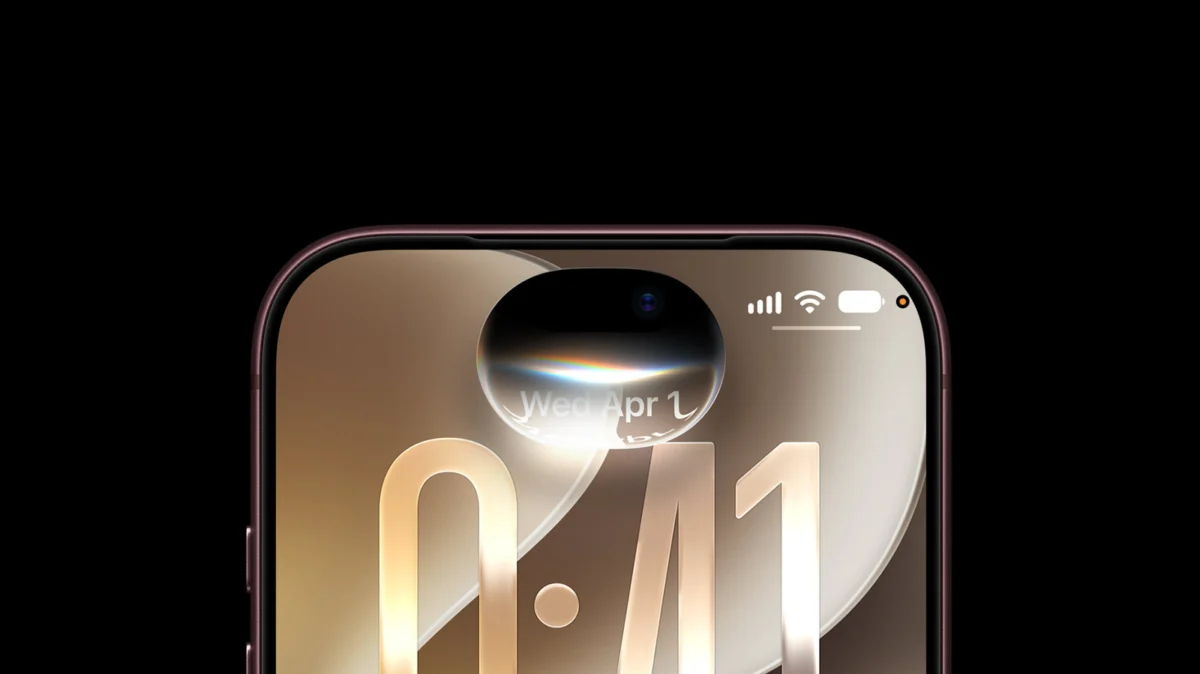
For millions of Apple enthusiasts, the release of a major operating system update is usually a cause for celebration, bringing with it new features, security enhancements, and UI refinements. However, the rollout of iOS 27 has hit a localized but frustrating snag. A recently discovered software bug is causing devices to become temporarily unresponsive, leaving users stranded on frozen screens. While the issue is not permanent, it has sparked widespread discussion across social media and tech forums, serving as a reminder of the complexities involved in modern mobile OS architecture.
Main Facts: What Is Happening with iOS 27?
The core of the issue lies in a specific interaction between the iPhone’s system interface and user input. Reports began surfacing shortly after the public release of iOS 27, noting that the device becomes completely unresponsive to touch input under a specific set of circumstances.
The bug is not a malicious piece of malware, nor is it a sign of hardware failure. Instead, it is a classic "race condition" in the software—a state where the system attempts to process two conflicting UI requests simultaneously, resulting in a deadlock. When a user triggers the Notification Center and the Control Center in rapid succession, the iOS spring-board (the process that manages the home screen and UI) becomes overwhelmed.
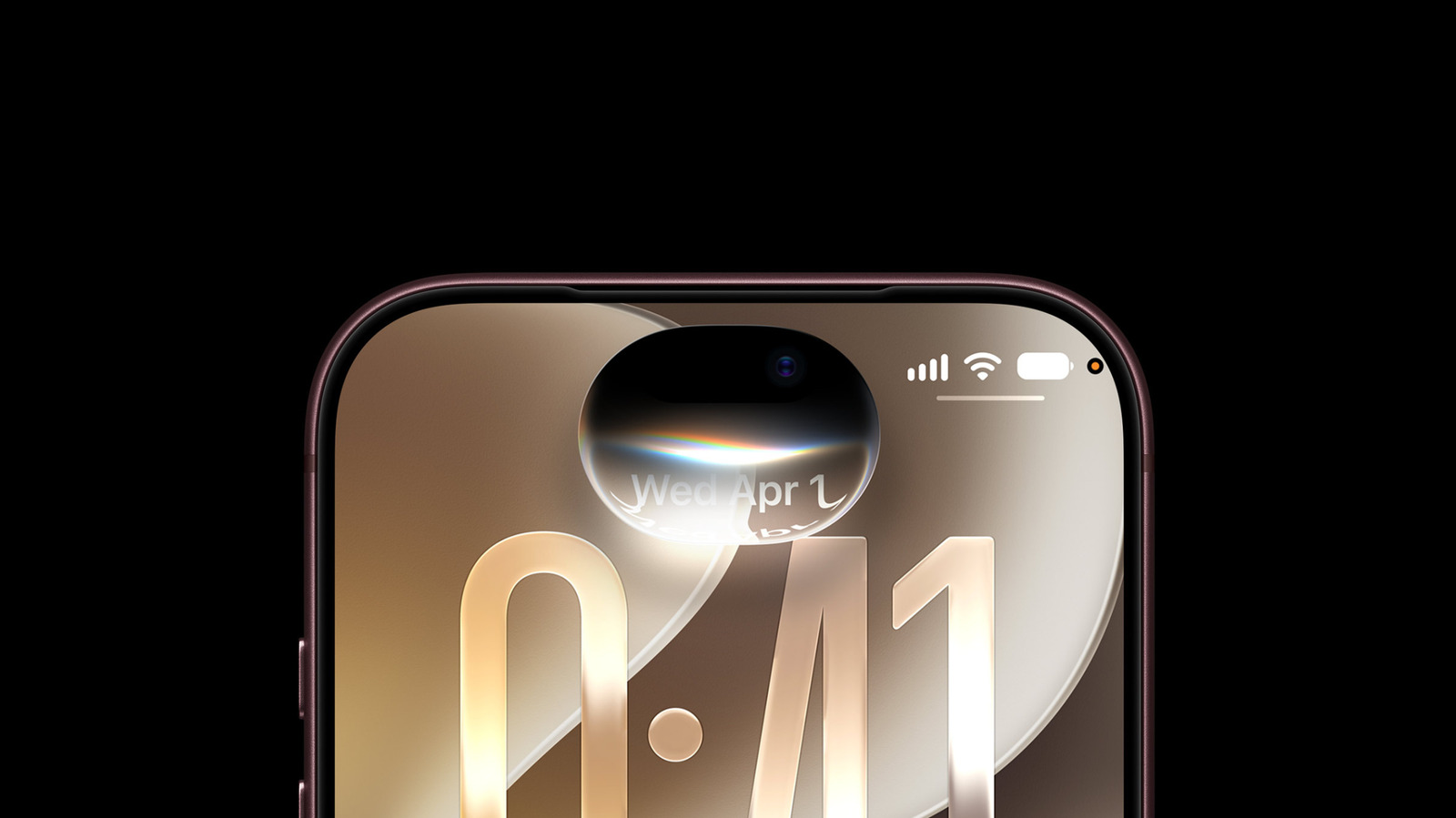
The result is a "frozen" interface where icons and UI elements may appear stuck or overlapping at the top of the display. Crucially, the phone stops registering any touch input, rendering the device temporarily unusable until a hard reset is performed. While the glitch is undoubtedly annoying, Apple’s ecosystem remains fundamentally secure; the bug does not compromise user data, encryption, or account security.
A Chronology of the Discovery
The trajectory of this bug follows the standard lifecycle of modern software glitches:
- Initial Rollout: Apple officially released iOS 27 to the public, touting major updates to Siri and system-wide AI integration.
- The "Viral" Moment: Within 48 hours of the release, users on platforms like X (formerly Twitter) and Reddit began documenting a specific sequence of swipes that caused their devices to lock up.
- Verification by Tech Outlets: By September 16, 2026, major tech publications including 9to5Mac verified that the issue was replicable across multiple hardware iterations of the iPhone.
- Widespread Awareness: As the "prank" nature of the bug spread—where users were intentionally triggering the freeze to show friends or colleagues—the volume of support queries regarding "bricked" phones spiked.
- Current Status: Apple is currently expected to address the issue in a minor point release (likely iOS 27.0.1) aimed at patching UI stability and process handling.
Troubleshooting: How to Restore Your Device
If you find yourself staring at a frozen iPhone screen, the standard "swipe to power off" method will not work because the touchscreen is unresponsive. To resolve this, you must bypass the software entirely using a hardware-level override known as a "Force Restart."
The Force Restart Protocol
If your device becomes unresponsive, follow these steps exactly:
- Volume Up: Press and quickly release the Volume Up button.
- Volume Down: Immediately press and quickly release the Volume Down button.
- Side Button: Press and hold the Side button (the power button) on the right side of the device.
- The Wait: Keep holding the button even when the screen goes black. Do not let go until you see the Apple logo appear on the display. This may take 10 to 15 seconds.
Once the Apple logo appears, the device is performing a cold boot, which clears the volatile RAM and forces the operating system to reload from scratch. This process effectively kills the hung process causing the UI deadlock.
Supporting Data and Technical Context
Why does this happen? At its core, the iOS 27 update introduced significant changes to how the system handles gesture recognition and overlay animations. When a user pulls down the Notification Center, the system initiates a blur effect and a gesture-tracking state. By pulling the Control Center down almost simultaneously, the system is forced to calculate two complex, overlapping animations.
In previous versions of iOS, there were "gatekeepers" in the code that prevented the Control Center from initializing while the Notification Center was in transition. It appears that in the rush to optimize the responsiveness of the new Siri-AI interface, these logic checks were either modified or inadvertently bypassed.
This is a recurring theme in mobile software development. As interfaces become more fluid, the number of "interrupt" states a processor must handle increases exponentially. While Apple employs rigorous beta testing, the sheer variety of user input speeds—the "human factor"—can occasionally expose edge cases that automated testing scripts miss.
Official Responses and Apple’s Stance
As of the time of writing, Apple has not issued a formal press release regarding the "freeze" bug, which is standard procedure for the company. Apple typically prefers to let the software development cycle speak for itself. However, internal support channels have reportedly been updated to advise Genius Bar employees and AppleCare representatives on how to guide users through the force restart process.
Industry analysts suggest that Apple’s engineering teams are likely already working on an incremental update. Historically, Apple is highly sensitive to UI glitches that affect the "premium" feel of the iPhone. Because this bug affects the basic user experience of interacting with the home screen, it is prioritized higher than minor cosmetic bugs. Expect a patch in the coming weeks that adds the necessary "debouncing" or "locking" logic to the gesture-recognition system.
The Broader Implications for iOS
The iOS 27 "freeze" bug serves as a microcosm of the challenges facing Apple as it integrates more complex AI features into its operating system.
1. The Complexity Tax
Every new feature added to iOS increases the potential for inter-process conflicts. As Apple moves further into the "Golden Gate" era of AI-driven computing, the OS is becoming heavier. Ensuring that these new features don’t interfere with the fundamental "feel" of the device is the biggest challenge for the Cupertino software team.
2. User Trust and the "Golden Path"
Apple’s brand is built on the promise that "it just works." When a user’s phone freezes, it disrupts the expectation of seamlessness. While this bug is temporary, it highlights the need for more robust "failsafe" modes in mobile OS design. Future versions of iOS might benefit from a more aggressive system-level watchdog that can identify a hung UI process and restart only the Springboard process, rather than requiring a full device reboot.
3. The Impact of Social Media
The speed at which this bug became a viral "prank" underscores the vulnerability of modern technology to social media trends. In the past, a niche software bug might have stayed within technical forums for weeks. Today, it can reach millions of users in hours. This puts added pressure on Apple to respond faster, not necessarily because the bug is dangerous, but because the perception of a broken device can harm the product’s reputation in the public eye.
Conclusion: Looking Ahead
The iOS 27 freezing issue is a temporary inconvenience, not a systemic failure. It is a reminder that even the most refined software ecosystems are susceptible to the complexities of human interaction and high-speed processing.
For the average user, the best advice remains the same: keep your device updated, practice patience during the first few weeks of a major OS release, and memorize the force restart procedure. It is a powerful tool that, while rarely needed, can be the difference between a panicked trip to the Apple Store and a simple fix you can perform in your own home. As Apple prepares its next patch, we can expect the system to return to the stability users have come to expect, though the memory of this "freeze" will likely serve as a case study in software engineering for years to come.

 Jia Lissa
 Neng Nana