

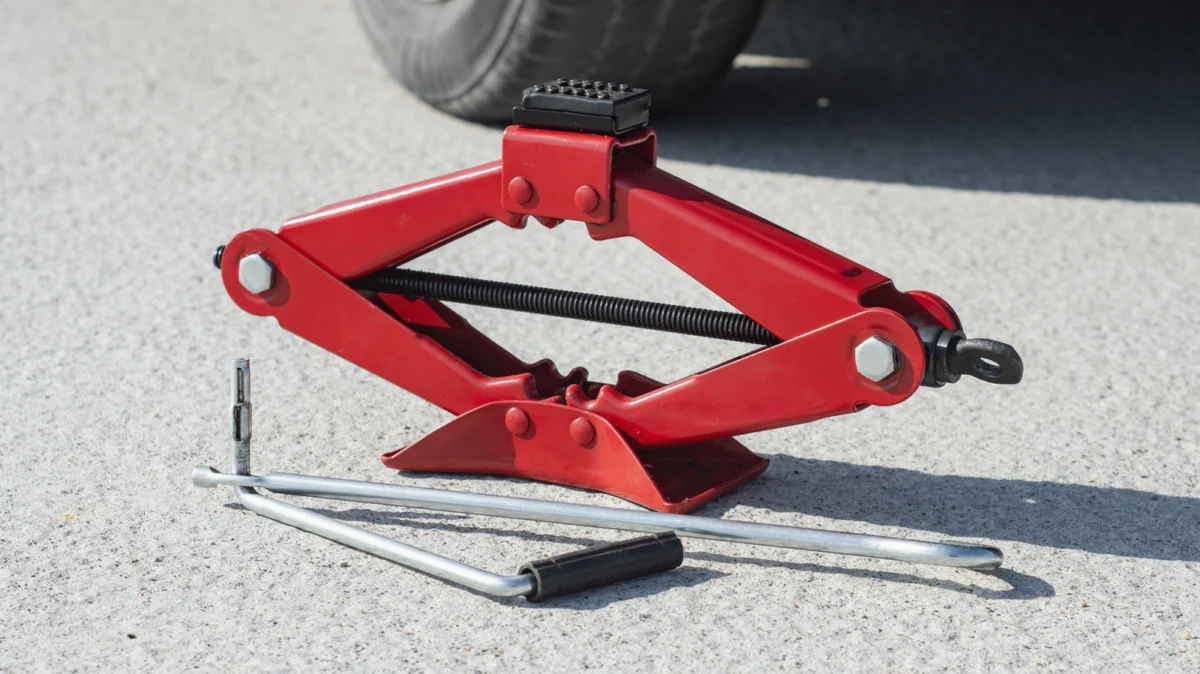
For many homeowners, the arrival of spring is synonymous with dusting off the lawn mower and preparing the yard for the growing season. As part of this routine, many are tempted to perform their own maintenance—sharpening blades, clearing debris, or cleaning the underside of the cutting deck. In an effort to save time and money, a common DIY shortcut involves grabbing the scissor jack from the trunk of a family sedan to hoist the mower.
While this may seem like a practical application of the tools you already have in your garage, safety experts and mechanics warn that using automotive lifting equipment for lawn machinery is a dangerous gamble. Not only are these tools structurally ill-suited for the task, but they also expose users to significant risks of mechanical failure and physical injury.
Main Facts: The Structural Mismatch
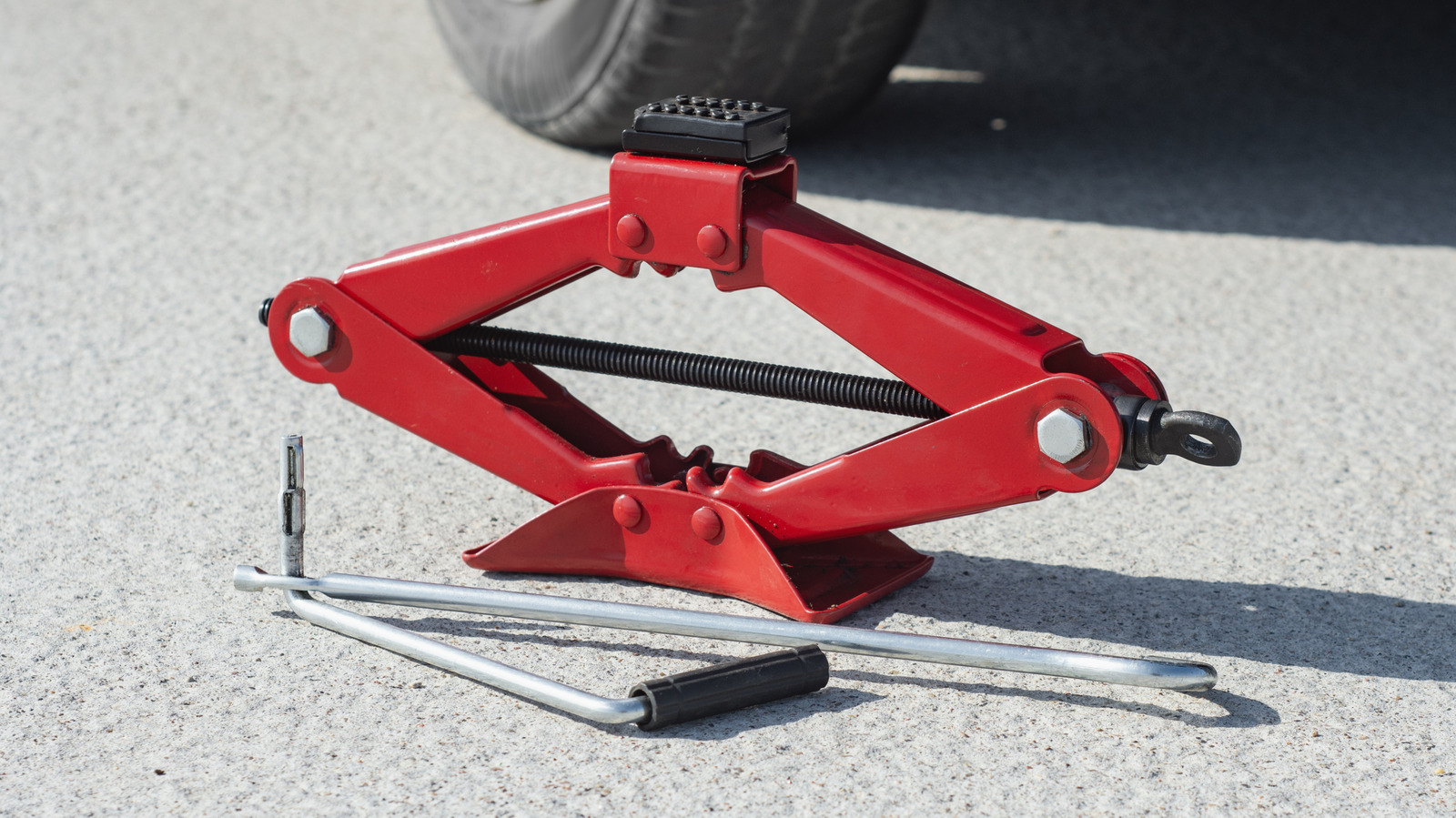
The fundamental issue lies in the engineering of the tools. An automotive scissor jack is designed for a singular purpose: lifting a vehicle at a reinforced "pinch weld" or designated frame point to allow for a tire change. These jacks have a very limited lift range and a vertical design that is inherently unstable for the uneven, awkward geometry of a lawn mower.
Most lawn mowers lack the structural integrity required to be lifted by a point-load jack. Unlike a car, which has a chassis designed to support thousands of pounds at specific contact points, a mower deck is often made of stamped steel or aluminum. Applying the concentrated pressure of a jack head to the underside of a mower deck can lead to denting, bending, or even structural failure. Furthermore, the base of an automotive jack is often too narrow to provide the wide, stable footprint required to keep a heavy piece of machinery from tipping.
Chronology of Maintenance Evolution
The history of home lawn maintenance has evolved alongside the complexity of the machines themselves.
- The Early Era (1950s–1970s): Maintenance was simple. Push mowers were lightweight, and the standard practice was to manually tip the machine on its side. As long as the air filter and carburetor were kept upward to prevent oil and fuel leakage, this was safe and effective.
- The Rise of Riding Mowers (1980s–2000s): As suburban lawns expanded, riding tractors became common. These machines were significantly heavier, leading to an increase in improvised maintenance techniques. This period saw a rise in "shade tree" mechanics using stacks of wood, unstable ramps, or automotive jacks to reach the blades.
- The Professionalization of DIY (2010–Present): With the proliferation of high-end zero-turn mowers, the need for specialized equipment became clear. Manufacturers responded by introducing dedicated lawn mower lift jacks—devices specifically designed to cradle the front tires or frame of a mower, providing a stable, elevated workspace that adheres to modern safety standards.
Supporting Data: Understanding Weight Distribution
A common misconception is that a mower lift must be as robust as an automotive shop hoist. Many homeowners assume that if their zero-turn weighs 700 pounds, they need a 1,000-pound rated lift. However, the physics of lifting a mower are different from lifting a car.
When using a professional mower lift, you are typically only hoisting the front end. According to data provided by industry leaders like MoJack, a mower lift only needs to support a fraction of the total machine weight.
- Zero-Turn Mowers: Only about 30% of the total weight is exerted on the front lift. A 600-pound machine places approximately 180 pounds of force on the lift.
- Lawn Tractors: Approximately 50% of the weight is placed on the lift, as the engine and transmission are often positioned differently.
This data highlights that while you do not need an industrial crane, you do need a device specifically engineered to distribute that 150 to 300 pounds across a wide contact area, rather than the single, sharp point of a car jack.
Official Guidance and Industry Best Practices
Safety organizations, including the Consumer Product Safety Commission (CPSC) and various equipment manufacturers, emphasize that "improvisation" is the leading cause of lawn-mower-related accidents.
When asked about the use of automotive jacks, professional mechanics offer a unified response: Don’t do it. The potential for the jack to slip or the mower to shift is exceptionally high. When a mower falls, it can result in crushed limbs, severe lacerations from the blades, or catastrophic damage to the mower’s engine and spindle assemblies.
If you own a push mower, the recommendation remains simple: keep the machine on the ground or use a specialized, low-cost push-mower lift designed to tilt the machine safely. For riding mowers and zero-turns, the investment in a dedicated lift jack—ranging from $150 to $300—is considered a standard cost of ownership. It is an investment in both the longevity of your equipment and your personal safety.
Implications for the Homeowner
The implications of choosing the wrong tool go beyond a simple repair job. When you use a car jack to lift a mower, you are introducing the following risks:
- Mechanical Damage: You may warp the cutting deck, which will cause the mower to cut grass unevenly, ruining the aesthetic of your lawn for the rest of the season.
- Fluid Contamination: Improper lifting angles can cause oil to seep into the combustion chamber or fuel to leak into the air filter, potentially destroying the engine.
- Physical Hazard: The most severe implication is personal injury. Mowers are heavy, and if they slip off a scissor jack, there is no "safety stop" or locking mechanism to prevent the machine from crushing whatever is underneath.
- Warranty Voidance: Many manufacturer warranties explicitly state that improper maintenance, including the use of non-approved lifting equipment that causes structural damage, will void your coverage.
Conclusion: Making the Right Choice
Maintenance is an essential part of owning a lawn mower. Replacing blades, cleaning debris, and inspecting belts ensures your machine lasts for years. However, the "right" way to perform these tasks is by using the right equipment.
If you are a casual user with a small push mower, manual tilting—when done correctly with the air filter facing up—is sufficient. If you have upgraded to a riding or zero-turn mower, you must also upgrade your maintenance toolkit. A dedicated mower lift provides the necessary stability, height, and safety features that an automotive jack simply cannot offer.
Prioritizing your safety by purchasing a purpose-built lift jack is not just a convenience; it is a necessity for responsible lawn care. By moving away from improvised tools, you ensure that your weekend chores remain a productive part of your routine rather than a dangerous, costly mistake. Always consult your mower’s user manual for specific lifting instructions provided by the manufacturer, and never compromise your safety for the sake of saving a few dollars on the proper equipment.












No comments yet. Be the first to join the conversation!