

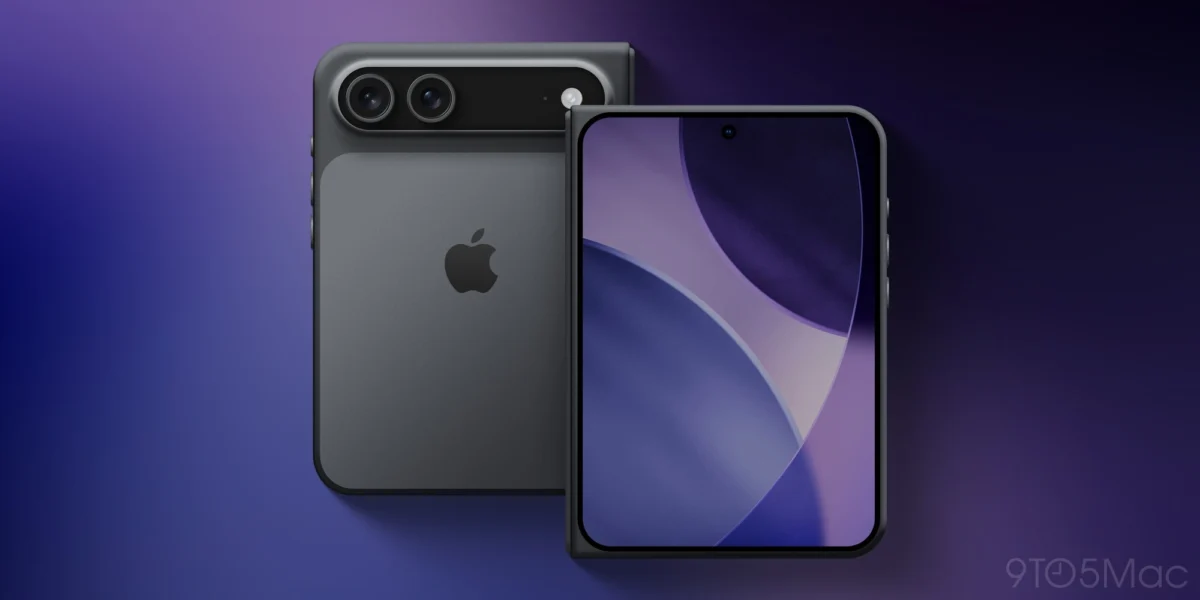
The smartphone industry is bracing for a seismic shift. As Apple prepares to enter the foldable market with its long-anticipated "iPhone Ultra," excitement is currently being tempered by a harsh reality: supply chain constraints that could mirror one of the most difficult product launches in the company’s history. According to veteran supply chain analyst Ming-Chi Kuo, Apple’s foray into the foldable form factor will be characterized by extreme scarcity, potentially making the device one of the most difficult consumer electronics products to acquire in 2026.
While the "iPhone Ultra" promises to redefine the flagship experience, prospective buyers should prepare for a marathon rather than a sprint to secure one. With production numbers trailing significantly behind traditional Pro-series models, the road to owning Apple’s most ambitious hardware project to date will likely be paved with long wait times, shipping delays, and the specter of a volatile secondary market.
Main Facts: The Anatomy of the iPhone Ultra
The rumors surrounding the iPhone Ultra have finally coalesced into a clear picture of what the hardware will offer. Apple is reportedly targeting a device that bridges the gap between the iPhone and the iPad, functioning as a high-end hybrid.
Key specifications identified in recent reports include:

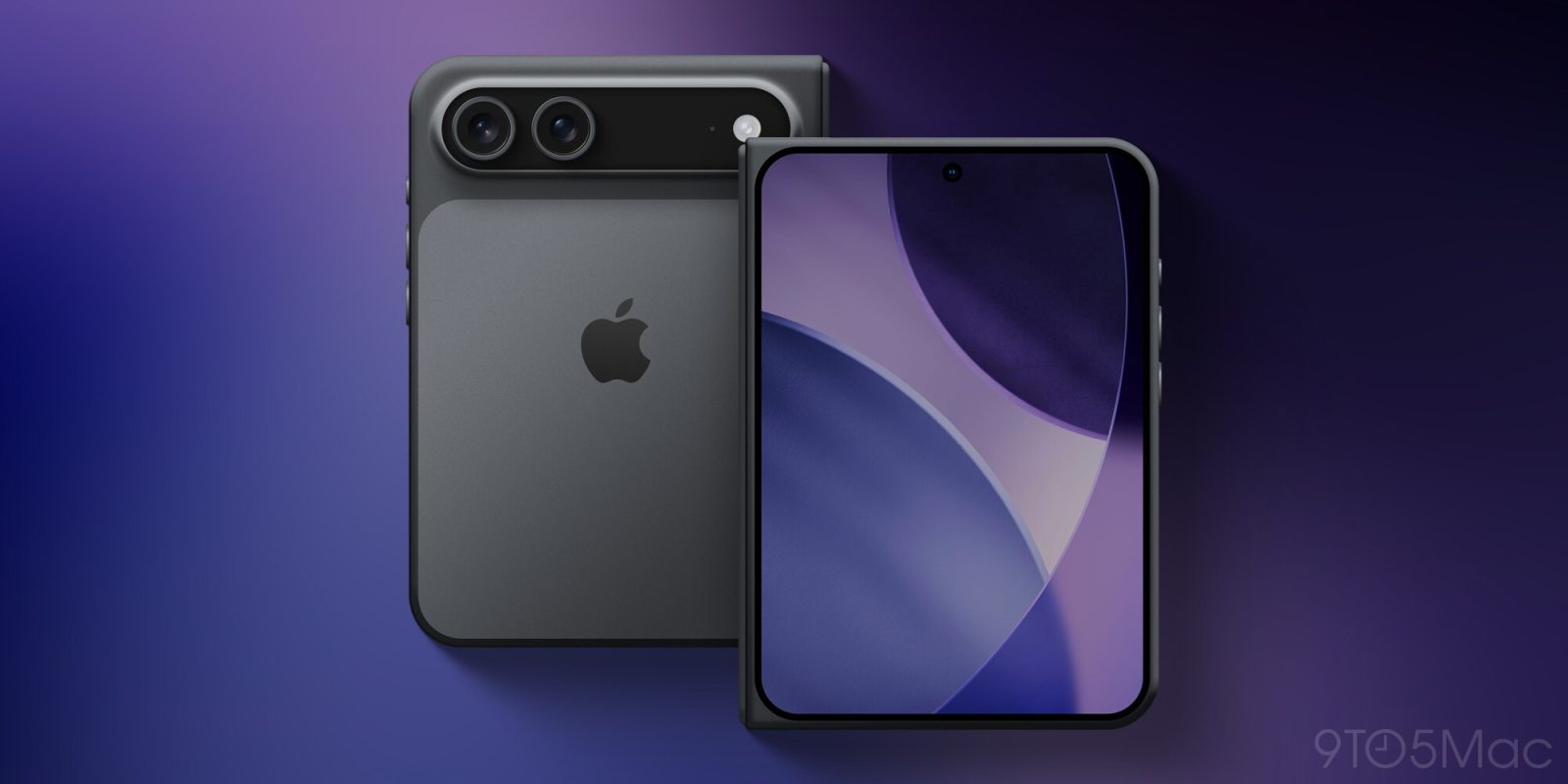
- Dual-Display Architecture: The device is expected to feature a 5.5-inch external cover display for standard smartphone tasks, expanding to a 7.8-inch internal folding display, providing a tablet-like experience akin to the iPad mini.
- Engineering Marvel: Despite the complexity of a folding hinge and dual screens, the device is rumored to measure under 5mm in thickness when fully unfolded. This would make it thinner than the current "iPhone Air," showcasing a significant breakthrough in thermal management and component density.
- Premium Pricing: Reflecting its status as a "halo" product, the iPhone Ultra is projected to retail between $2,300 and $2,500. This price point positions it firmly in the ultra-luxury segment, targeting power users, enterprise professionals, and early adopters.
However, the hardware’s innovation is matched by its manufacturing complexity. The technical requirements for such a thin, foldable chassis have resulted in a cautious ramp-up by Apple’s manufacturing partners, leading to the supply bottleneck now being projected for the second half of 2026.
Chronology: From R&D to Retail Hurdles
The path to the iPhone Ultra has been years in the making, defined by internal testing and high-stakes procurement.
- 2024–2025 (Development Phase): During this period, Apple reportedly filed dozens of patents regarding hinge durability, crease reduction, and specialized display coatings. Rumors suggested Apple was waiting for foldable technology to mature to meet its stringent quality control standards.
- Early 2026 (The Greenlight): Reports surfaced that Apple had placed initial orders for approximately 10 million units, signaling that the supply chain was finally ready for mass production.
- Mid-2026 (The Bottleneck): As the September launch window approached, industry surveys began to highlight a disparity between anticipated demand and actual assembly capabilities. Analysts identified that yield rates for the folding displays were lower than expected, creating a ceiling on how many units could be completed per week.
- Late 2026 (The Launch Window): The current consensus among analysts is that while an announcement will occur in September, physical availability will be severely gated, potentially mirroring the "delayed gratification" model of the 2017 iPhone X launch.
Supporting Data: The Numbers Behind the Scarcity
The most compelling evidence regarding the difficulty of purchasing an iPhone Ultra comes from Ming-Chi Kuo’s latest industry survey. The data provides a stark contrast between the flagship iPhone 18 Pro/Pro Max lines and the upcoming foldable model.
According to the data:
- H2 2026 Total Shipments: Apple is expected to assemble roughly 7 to 8 million units of the iPhone Ultra by the end of the calendar year.
- Q3 2026 Availability: During the critical launch quarter (Q3), production is expected to yield only 0.5 to 1 million units. This represents a mere 10% of the year’s total inventory for the device.
- The Pro Comparison: In the same quarter, Apple is projected to ship between 20 and 22 million units of the iPhone 18 Pro and Pro Max. These numbers confirm that the foldable iPhone will account for a tiny fraction of total iPhone sales, making it a niche, albeit prestigious, offering.
These figures suggest that even if Apple opens pre-orders in September, the "in-stock" inventory for retail stores will likely be non-existent. Consumers walking into Apple retail locations will almost certainly be met with empty shelves, as available units will likely be prioritized for pre-order fulfillment.
Official Responses and Strategic Positioning
Apple has maintained its signature silence regarding the specific release strategy of the iPhone Ultra. In line with company policy, no executives have commented on the rumors surrounding supply chain constraints or the specific pricing models.
However, industry experts note that Apple’s strategy reflects a calculated approach to new product categories. By limiting the initial supply, Apple maintains the "prestige" of the device while allowing time to monitor real-world performance—particularly concerning the hinge and screen longevity. This "controlled release" strategy was used effectively with the Apple Vision Pro, where the high price and limited initial availability allowed Apple to cultivate a "prosumer" user base while gathering feedback before a wider rollout.
The choice to launch in September, despite the supply constraints, is likely a strategic decision to align the iPhone Ultra with the broader iPhone ecosystem launch. By keeping the marketing cycle unified, Apple ensures that the foldable device remains at the center of the conversation alongside the standard iPhone 18 lineup.

Implications: A High-Stakes Market
The implications of this supply situation are significant for both Apple and the consumer.
The Scalper Economy
With demand expected to dwarf supply by a factor of ten to one, the secondary market is poised for disruption. Analysts predict that if a customer manages to secure a unit, they could see "scalped" prices ranging from 50% to 100% above the retail price. This creates a challenging environment for genuine users, who must compete against automated bot systems that often plague high-demand, low-supply tech launches.
User Experience and Delivery Times
For those who attempt to order through official channels, delivery times are expected to be aggressive. Projections suggest wait times of four to six weeks or longer for those who miss the initial "first wave" of pre-orders. Apple will likely implement a "ship-to-home" preference to avoid store crowding, effectively moving the launch from the physical storefront to the digital backend.
Market Stabilization
Kuo and other analysts estimate that supply chain stability will not be achieved until at least the first quarter of 2027. By that time, Apple will have a clearer understanding of the consumer appetite for a $2,500 folding phone. If demand remains high, Apple will likely increase production capacity for a broader release later in the year. If demand cools, the company will have successfully avoided the trap of over-producing a niche, high-cost item.

Conclusion: The Road Ahead
The iPhone Ultra is not just another device; it is a declaration of intent. Apple is entering the foldable market with a product that prioritizes design elegance and engineering prowess over volume. However, the cost of this ambition is a launch period characterized by extreme scarcity.
For the average consumer, the message is clear: if you are determined to own the iPhone Ultra on day one, you must be prepared to act with surgical precision during the pre-order window. Expect to monitor shipping dates closely, prepare for potential delays, and perhaps wait until the 2027 calendar year for the supply chain to catch up with the fervor of the market.
Whether this device becomes a staple of the Apple lineup or remains a rare collector’s item will depend on the performance of these first few million units. For now, the tech world watches and waits, knowing that the most revolutionary phone in a decade will be the hardest one to find.











