


In an era where personal data is increasingly commodified, the quest for a "perfect" note-taking application has become more than a matter of productivity—it is now a fundamental concern for digital privacy. For many power users, the struggle has always been balancing functionality with security. While industry giants like Notion or Evernote offer expansive ecosystems, they often do so at the cost of absolute privacy. Conversely, minimalist tools like Simplenote provide speed but lack the sophisticated organizational architecture required for modern workflows.
Enter Notesnook, an emerging contender in the note-taking space that is rapidly positioning itself as the middle ground between the rigid simplicity of text-based editors and the bloated complexity of enterprise-grade knowledge management systems. By prioritizing end-to-end encryption (E2EE) and a robust free-tier feature set, Notesnook is challenging established norms.
Main Facts: The Core Proposition of Notesnook
At its foundational level, Notesnook is designed as a cross-platform, encrypted note-taking application. Unlike many of its competitors that encrypt data only "at rest" on their servers, Notesnook employs zero-knowledge encryption. This means that every note, attachment, and snippet of metadata is encrypted on the user’s device before it ever reaches the cloud.
The core advantages that have drawn users away from legacy platforms include:
- Zero-Knowledge Security: The company’s architecture ensures that not even their own developers can access user content. This is a critical differentiator compared to mainstream apps that hold the decryption keys themselves.
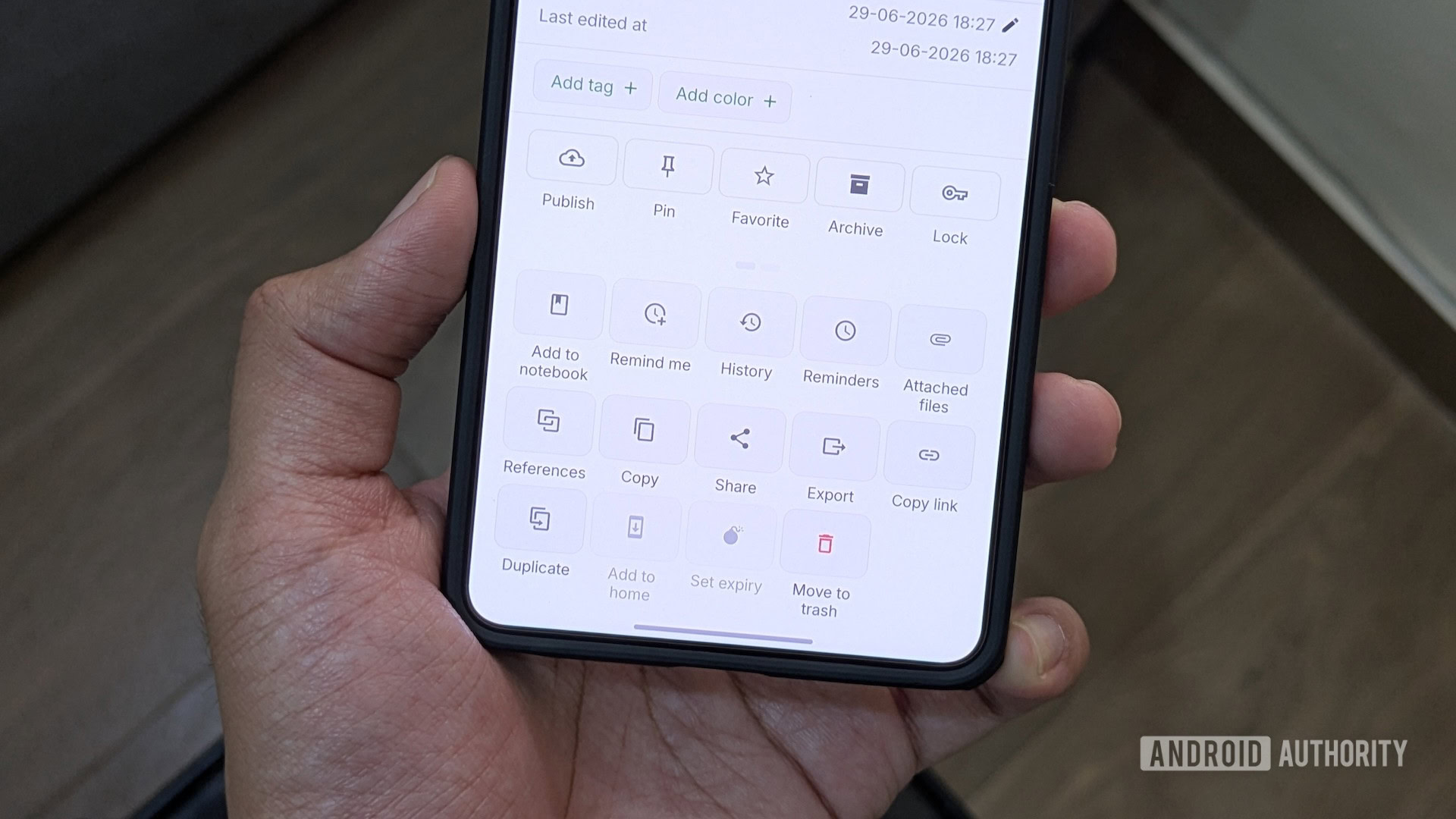
- Feature-Rich Free Tier: Unlike competitors that wall off essential features behind paywalls, Notesnook offers a generous free version that includes cross-device synchronization. This eliminates the "manual sync" friction often associated with offline-first apps like Obsidian.
- Offline-First Functionality: Notesnook operates natively offline. Users can view, search, and edit their entire library without an active internet connection, with synchronization occurring seamlessly once connectivity is restored.
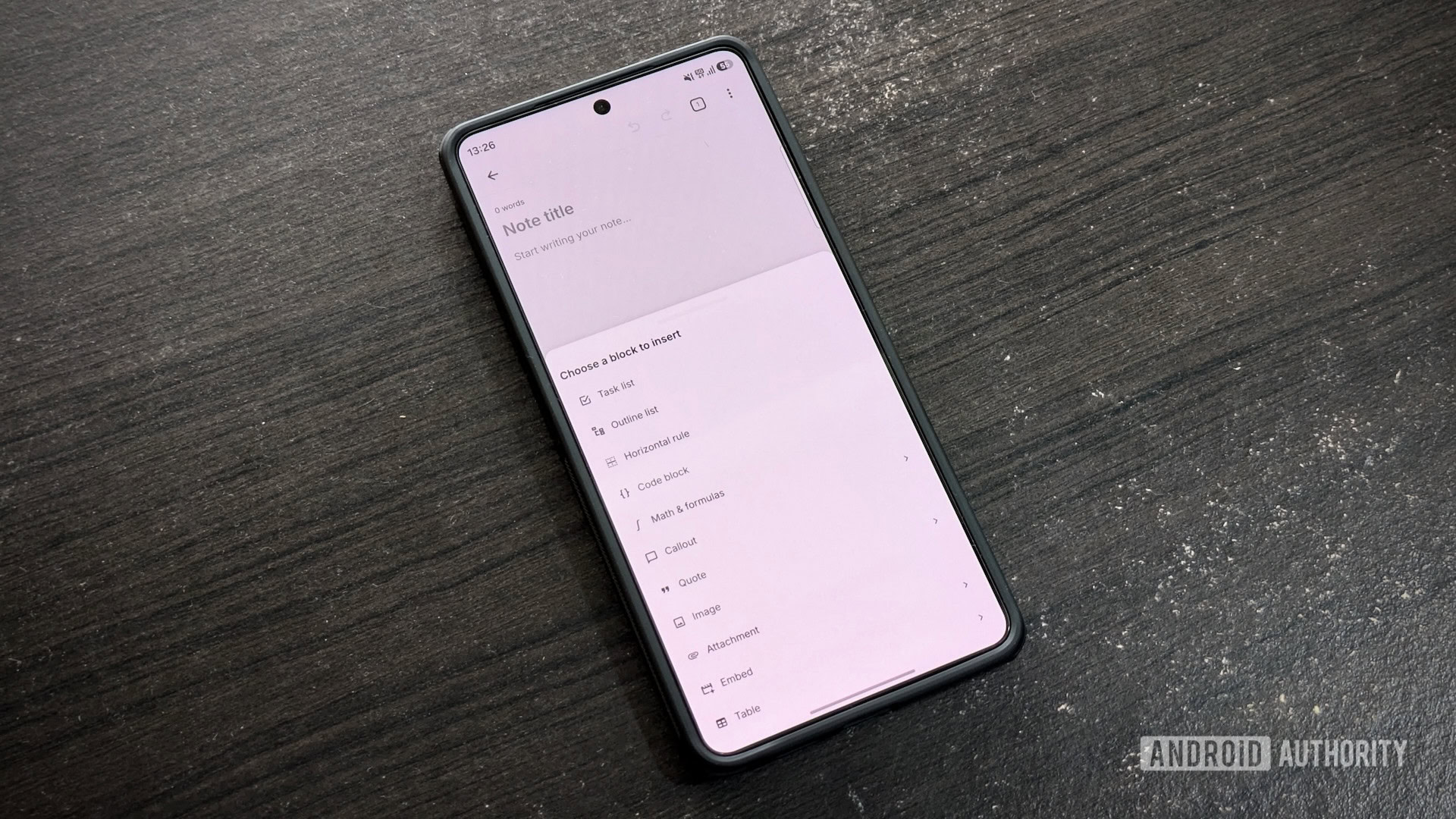
- Web Clipping Capabilities: The platform includes a dedicated browser extension (available for Firefox and Chromium browsers) that allows users to capture specific paragraphs or entire webpages, maintaining the formatting integrity of the original source.
Chronology: The Evolution of a Note-Taking Workflow
For many, the migration to Notesnook was not an impulsive decision but the result of a long-standing "app-hopping" journey. To understand why users are making the switch, one must look at the typical evolution of a digital note-taker’s toolkit.
Phase 1: The Minimalist Era
Historically, many users began with tools like Simplenote. Its speed, distraction-free interface, and raw speed made it the go-to for capturing quick thoughts. However, as the volume of information increased, the lack of hierarchy and poor formatting capabilities began to impede productivity.
Phase 2: The Structured Knowledge Era
The natural progression for many was toward Obsidian. By using a local-first, Markdown-based system, users gained the ability to create complex networks of information. While powerful, Obsidian’s reliance on local storage presented hurdles for those requiring seamless, native cloud-based syncing across multiple devices without technical workarounds.
Phase 3: The Privacy-Centric Pivot
In recent months, a significant portion of the productivity community has begun transitioning to Notesnook. The migration is largely driven by a desire to retain the "folder-and-notebook" structure of traditional note-taking while gaining the peace of mind that comes with E2EE. This shift signifies a maturation of the market, where privacy is no longer a "nice-to-have" but a mandatory requirement for digital life.
Supporting Data: Comparative Analysis
When evaluating the transition from legacy apps to Notesnook, several technical pillars become apparent. The following comparison highlights where the current market stands:
| Feature | Simplenote | Obsidian | Notesnook |
|---|---|---|---|
| End-to-End Encryption | No | Optional (Plugin) | Yes (Default) |
| Cross-Device Sync | Yes | Manual/Paid | Yes (Free) |
| Rich Text Editor | No | Limited | Yes |
| Offline-First | Yes | Yes | Yes |
| Collaboration | Yes | No | In Development |
The data suggests that while Notesnook currently trails behind in advanced collaborative features, it occupies a "sweet spot" for individuals who manage a mix of professional and personal data. Its ability to handle rich media—such as PDFs, audio clips, and scanned receipts—places it leagues ahead of text-only alternatives.
Official Responses and Developer Philosophy
The developers of Notesnook have been vocal about their design philosophy. In various community forums and official documentation, the team has emphasized that the app was built to solve the "trust deficit" in the productivity industry.
When questioned about the lack of certain features found in competitors—such as the "knowledge graph" found in Obsidian or real-time multi-user collaboration—the team has consistently stated that they are prioritizing the stability of their encryption protocols and the refinement of their core editor.
Official updates indicate that while features like real-time collaboration are high on the roadmap, they are being implemented with a "privacy-first" constraint. Unlike other platforms that might compromise on security to enable instant, server-side collaboration, Notesnook is exploring decentralized or encrypted methods to ensure that privacy remains uncompromised even when sharing data.
Implications for the Future of Productivity
The rise of Notesnook carries significant implications for the broader software landscape. It signals that users are tired of trading their privacy for convenience.
1. The Death of the "Free-to-Harvest" Model
For years, the industry standard was to provide a "free" service in exchange for data-mining user habits to improve algorithms or advertising. Notesnook’s business model, which relies on a premium subscription for advanced features rather than data monetization, forces competitors to reconsider their own privacy postures.
2. The Return of Local Control
The success of Notesnook and its counterparts reinforces a trend toward "Local-First Software." Even though Notesnook utilizes cloud syncing, the fact that it remains fully functional offline and encrypts data before transit puts control back into the hands of the user. This is a direct response to the "vendor lock-in" that has plagued users of closed-source, proprietary platforms.
3. A Niche for Every Need
It is becoming increasingly clear that no single app will ever fully replace another. The current landscape suggests a "best-of-breed" ecosystem. Users are finding that they prefer using:
- Notesnook for daily logging, sensitive information, and quick captures.
- Obsidian for complex database management, deep research, and long-form writing.
- Notion (for those who choose it) for project management and team-based collaboration.
Conclusion: Is it Time to Switch?
The decision to adopt Notesnook depends largely on your personal "pain points." If your current workflow is hampered by the lack of secure synchronization or if you feel uncomfortable storing sensitive financial or personal data in a non-encrypted environment, Notesnook is arguably the best solution available today.
However, for those deeply entrenched in advanced Markdown workflows or those who rely on the visual, interconnected nature of knowledge graphs, moving to Notesnook might feel like a step backward in terms of raw functionality.
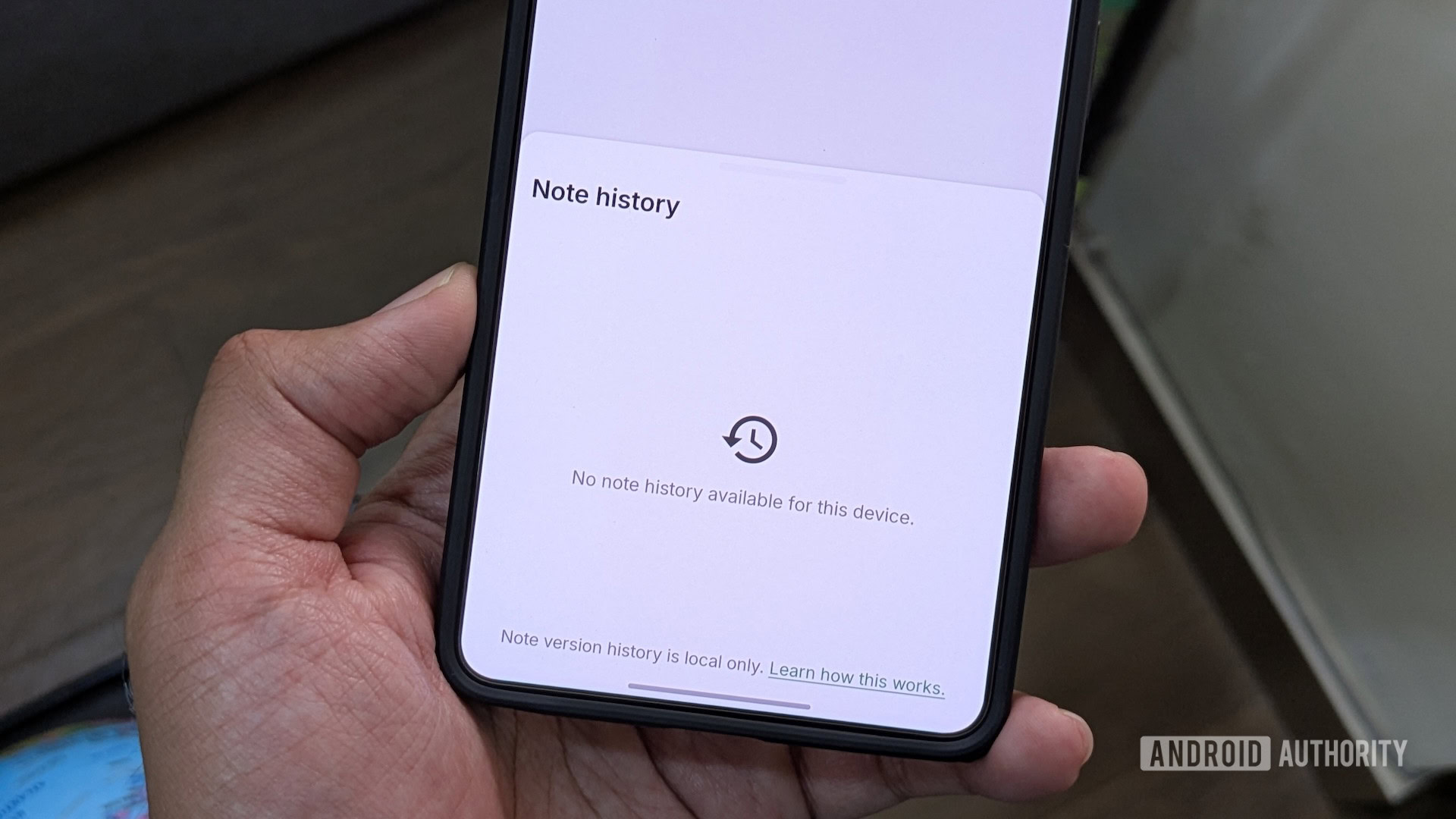
Ultimately, Notesnook has achieved something rare: it has created a product that feels both modern and responsible. As the application continues to mature—addressing the current gaps in revision history and collaborative tools—it is poised to become the bedrock of the privacy-conscious professional’s digital toolkit. For those of us who spend our days documenting our thoughts, the shift to a truly private, secure environment is not just an upgrade in software; it is an upgrade in our digital hygiene.











