

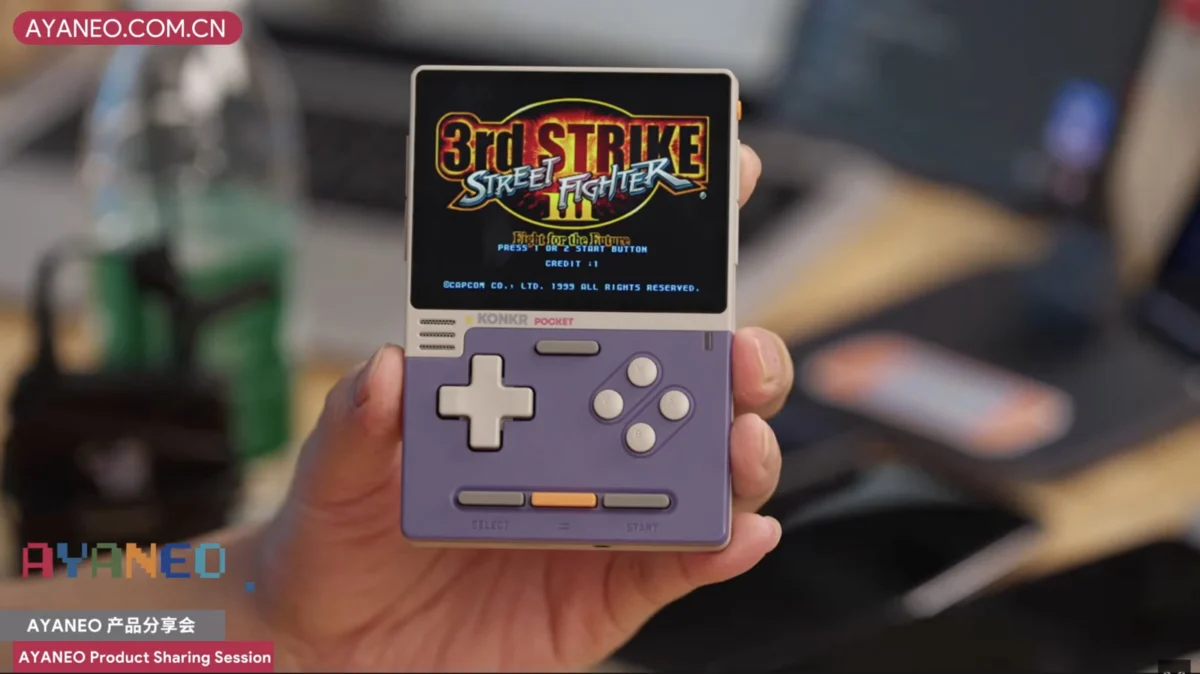
In the fast-evolving landscape of handheld gaming, Ayaneo has carved out a unique niche by blending the raw power of modern PC hardware with the nostalgic aesthetics of legacy consoles. The company’s latest announcement—the Konkr Pocket Block—marks a significant departure from their previous high-end, premium-focused strategy. Touted as the world’s first "AI-integrated" retro handheld, this device aims to shrink the footprint of modern gaming while drastically lowering the barrier to entry for enthusiasts.
Main Facts: A New Direction for Ayaneo
The Konkr Pocket Block is an ultra-compact handheld gaming device that draws heavy inspiration from the iconic vertical orientation of the original Nintendo Game Boy. Unlike the company’s flagship products, which are often characterized by their bulk, high-performance processors, and premium price tags, the Konkr Pocket Block is being positioned as a lifestyle-focused, budget-friendly entry point.
The most provocative claim surrounding the device is its integration of Artificial Intelligence. While the specifics of this implementation remain under wraps, Ayaneo has branded the Pocket Block as "the world’s first AI handheld." This suggests the inclusion of machine learning features—potentially for real-time upscaling, intelligent battery management, or automated software optimization—designed to make retro emulation more seamless for the end user. By housing this under the Konkr brand, Ayaneo is signaling that this device will be significantly more accessible than the $1,000+ gaming rigs they are typically known for producing.
Chronology: From Premium Powerhouses to Pocketable Retro
Ayaneo’s trajectory over the past few years has been a rapid expansion into every conceivable corner of the handheld market.
- Early 2023: Ayaneo solidified its reputation for high-end Windows handhelds, focusing on ergonomic design and top-tier silicon.
- Late 2023 – Early 2024: The company began experimenting with the "retro" factor, launching the Pocket DMG and the Pocket Vert. These devices were designed to evoke memories of the 8-bit and 16-bit eras, featuring minimalist, sleek chassis that appealed to collectors.
- The Streaming Reveal: During a recent company keynote, CEO Arthur Zhang introduced the Konkr Pocket Block. In a live demonstration, Zhang placed the device side-by-side with the Pocket Vert and Pocket DMG. The visual contrast was immediate: the Pocket Block is significantly smaller, trading the sleek, modern minimalism of the Vert for a more tactile, "retro-aesthetic" design.
- Future Outlook: Ayaneo has committed to a drip-feed of information regarding the internal specifications, aiming to maintain buzz leading up to a formal release date.
Supporting Data: Understanding the Market Shift
To understand why the Konkr Pocket Block is a calculated risk, one must look at the current state of the handheld market. The segment has been dominated by two tiers: the ultra-powerful, x86-based Windows handhelds (like the Ayaneo Next II or the Steam Deck) and the budget-tier, Android-based emulation devices (like those from Anbernic or Retroid).
Ayaneo has historically sat in the former, but the Pocket series is their attempt to capture the latter. The "Pocket Vert," which serves as the current benchmark for this pivot, carries a starting price of $269. By launching the Konkr Pocket Block under a dedicated budget sub-brand, Ayaneo is explicitly targeting the market share held by lower-cost competitors.
The emphasis on "extremely compact" form factors is also a response to consumer feedback. While enthusiasts enjoy powerful devices, the portability of the original Game Boy remains the gold standard for many gamers. If the Konkr Pocket Block can achieve a price point below $200 while maintaining a build quality superior to generic budget handhelds, it could effectively disrupt the entry-level market.
Official Responses and Strategic Intent
During the streaming session, CEO Arthur Zhang framed the Konkr Pocket Block as a "democratization" of the Ayaneo design philosophy. The company recognizes that while their premium handhelds are engineering marvels, they are inaccessible to the casual gamer who simply wants to relive their childhood with modern conveniences.
The lack of concrete information regarding the "AI features" is a deliberate marketing tactic—a "teaser" designed to generate speculation within enthusiast forums. However, company insiders suggest that the AI integration will likely revolve around the user interface and performance tuning. For example, the device may feature an "AI Game Assistant" that can automatically identify the best emulation settings for a given ROM, or an AI-driven power management system that extends battery life based on the intensity of the game being played.
Ayaneo’s shift to a budget sub-brand for this device also indicates a separation of concerns. By keeping the "Konkr" label distinct from the core Ayaneo brand, the company is protecting its reputation for luxury while simultaneously experimenting with high-volume, lower-margin hardware.
Implications: The Future of Retro Handhelds
The introduction of the Konkr Pocket Block has several profound implications for the industry.
1. The Normalization of AI in Low-Power Devices
For years, AI has been the buzzword for high-end GPUs and massive cloud servers. Ayaneo’s attempt to bring AI to a pocket-sized handheld suggests that specialized hardware acceleration is becoming cheap enough to include in consumer-grade gaming gadgets. If successful, this could set a new standard where "smart" features are expected even in $200 devices.
2. A War of Aesthetics
Ayaneo is betting that "retro" is not just a passing trend but a permanent aesthetic preference. By moving away from the sleek, high-tech look of the Pocket Vert toward something more "blocky" and nostalgic, they are aiming to capture the hearts of the 30-to-45-year-old demographic—those who grew up with the original Game Boy and value tactile, recognizable design.
3. Consolidation of the Budget Market
The handheld emulation market is currently fragmented, with hundreds of obscure brands releasing similar hardware. Ayaneo, with its established supply chain, software support, and marketing reach, is in a prime position to consolidate this market. If the Konkr Pocket Block delivers on the promise of "premium build at a budget price," smaller, less-reliable competitors may struggle to compete.
4. The Challenge of Software Optimization
The biggest hurdle for the Konkr Pocket Block will be software. Ayaneo’s Windows-based devices are lauded for their software layer, but the budget segment often relies on Android or custom Linux distributions. Ensuring that the "AI features" don’t become bloatware—and that they actually provide a tangible benefit to the end user—will be the defining challenge for the company’s development team.
Conclusion: A Gamble on Nostalgia and Innovation
The Konkr Pocket Block represents a pivotal moment for Ayaneo. It is a bold experiment in balancing the company’s heritage of high-performance engineering with the mass-market appeal of affordable, pocketable gaming.
By leveraging the "Konkr" sub-brand, Ayaneo is effectively insulating its premium lineup from the potential pitfalls of budget manufacturing while testing whether their brand equity can carry them into the entry-level space. Whether the "AI handheld" branding is a genuine technological leap or a sophisticated marketing gimmick remains to be seen. However, given the company’s track record of pushing hardware boundaries, the industry will be watching closely as more details emerge.
For the gamer, the prospect is enticing: a high-quality, ultra-portable device that understands the value of the past while utilizing the cutting-edge intelligence of the future. If the price is right, the Konkr Pocket Block may well become the default recommendation for anyone looking to enter the world of retro gaming.












No comments yet. Be the first to join the conversation!