Layla Zulfa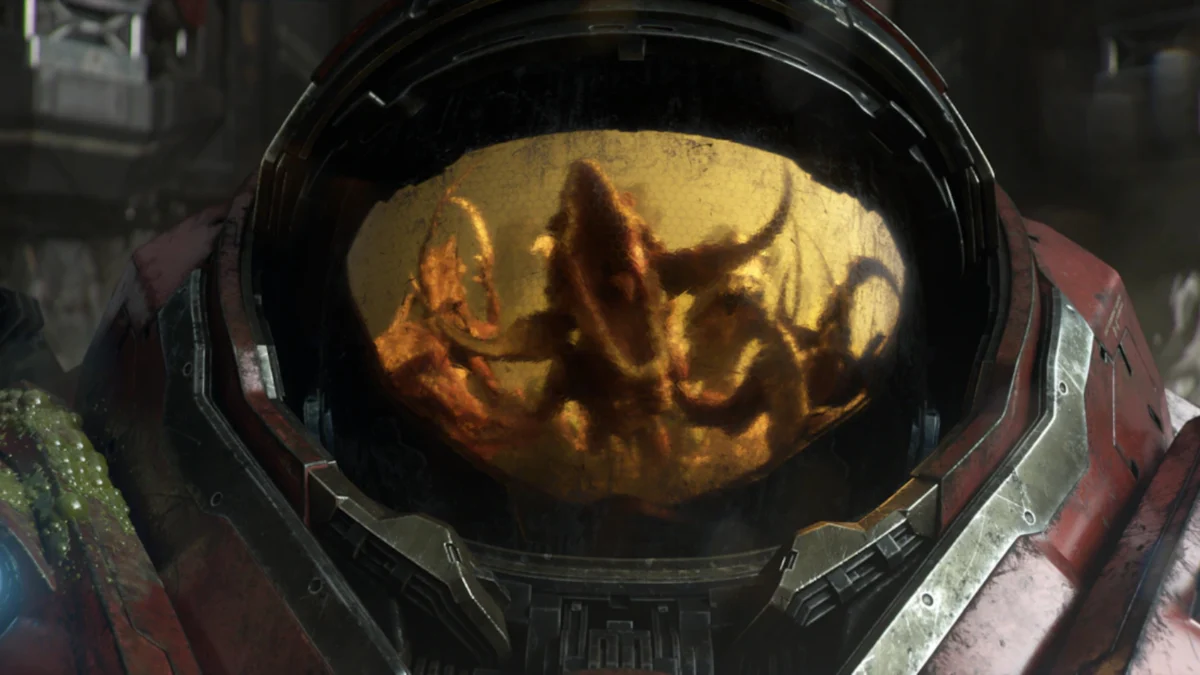
By Gaming Industry Desk
The silence that has gripped the Koprulu Sector for over a decade has finally been shattered. During the keynote presentation at BlizzCon 2026, Blizzard Entertainment officially unveiled a new entry in the StarCraft franchise. Breaking away from the real-time strategy (RTS) roots that defined the series for nearly thirty years, this new title—simply and boldly titled StarCraft—is confirmed to be an open-world shooter. With a projected release window of 2030, the announcement marks the most significant shift in direction for the storied IP since its inception in 1998.
The Evolution of a Legend: From RTS to Open-World
For generations of PC gamers, StarCraft was synonymous with high-speed tactical decision-making, mineral management, and the intricate balancing of the Terran, Zerg, and Protoss factions. However, the industry landscape has shifted significantly since the release of StarCraft II: Legacy of the Void in 2015.
The upcoming title promises to trade the isometric, god-view perspective for a visceral, boots-on-the-ground experience. By transitioning to an open-world shooter format, Blizzard aims to provide players with a grounded perspective of the galactic conflict. Instead of commanding armies from the sky, players will experience the terror of a Zerg swarm or the technological awe of the Protoss through the eyes of a character within the world. This represents a seismic shift in gameplay philosophy, moving from macro-management to micro-level immersion.
A Chronology of the Franchise: The Long Road to Revival
To understand the gravity of this announcement, one must look at the timeline of the StarCraft universe and its turbulent development history.
- 1998: The release of the original StarCraft, which revolutionized the RTS genre and became a cornerstone of global esports.
- 2002: The initial announcement of StarCraft: Ghost, a tactical third-person shooter focused on the operative Nova Terra.
- 2006: Following years of development hell and shifting focus, StarCraft: Ghost is indefinitely postponed, eventually becoming a cautionary tale in the gaming industry.
- 2010: StarCraft II: Wings of Liberty launches to massive critical and commercial acclaim, solidifying the franchise’s dominance in the RTS space.
- 2015: Legacy of the Void concludes the main narrative arc of the StarCraft II trilogy.
- 2020: Blizzard officially announces the end of active development for new paid content for StarCraft II, leaving the franchise in a state of suspended animation.
- 2023: Following Microsoft’s acquisition of Activision-Blizzard, leadership figures—including Phil Spencer—openly express interest in exploring the potential of the dormant IP.
- 2026: Blizzard officially reveals the development of an "open-world StarCraft shooter" at BlizzCon.
- 2030: The projected launch window for the new project.
Supporting Data: Why Now?
The decision to revive StarCraft is not merely a nostalgic gesture; it is a strategic maneuver fueled by shifting market demands and corporate synergy.
Current industry data suggests that the "extraction shooter" and "open-world action" genres remain among the most profitable segments in gaming. By leveraging the immense lore, visual identity, and emotional resonance of the StarCraft universe, Blizzard is positioning itself to capture both the aging core demographic that grew up with the RTS titles and a new generation of players who favor immersive, narrative-driven action.
Furthermore, the integration of the franchise into the Xbox ecosystem—a key point of discussion during the Microsoft acquisition—provides the development team with the resources to pursue a project of this scale. The 2030 release window suggests a lengthy development cycle, indicating that Blizzard is investing heavily in engine technology and world-building to ensure that this shooter does not meet the same fate as the ill-fated Ghost project.
Official Responses and Corporate Strategy
The reaction from the upper echelons of Blizzard and Microsoft has been one of calculated optimism. During his time as head of Xbox, Phil Spencer frequently highlighted the "untapped potential" of the StarCraft brand. His advocacy for the series signaled to fans that a revival was a matter of "when," not "if."
In a post-announcement briefing, Blizzard representatives emphasized that the team behind the new project includes veterans who worked on previous StarCraft titles alongside fresh talent recruited for their expertise in shooter mechanics. While no gameplay was shown at BlizzCon, the teaser trailer—which featured a high-fidelity look at a Terran Marine’s visor reflecting a encroaching Zerg menace—was designed to evoke the specific "gritty, desperate" tone that defined the original game’s aesthetic.
"We are not looking to replace the RTS experience," said a lead developer on the project. "We are looking to expand the definition of what it means to be a soldier in the Koprulu Sector. We want to show you the universe you know, but from a perspective that makes the stakes feel incredibly personal."
Strategic Implications: What This Means for the Industry
The shift to an open-world shooter format carries significant implications for the future of Blizzard Entertainment:
1. Diversification of the Portfolio
For decades, Blizzard was defined by three pillars: World of Warcraft, Diablo, and StarCraft. With Diablo IV establishing a strong live-service presence and World of Warcraft continuing its legacy, adding a high-budget shooter to the mix balances the company’s genre representation.
2. The Microsoft/Xbox Factor
As an Xbox-exclusive property, the new StarCraft is expected to be a major selling point for the console ecosystem. This is a clear indicator that Microsoft intends to utilize its massive library of acquired IPs to drive hardware and Game Pass adoption through the end of the decade.
3. Managing Fan Expectations
The biggest hurdle for this project is the weight of history. StarCraft fans are notoriously protective of the franchise’s legacy. By announcing the title four years ahead of its expected release, Blizzard is attempting to manage expectations and avoid the pitfalls of a "surprise" launch. They have clearly learned from the StarCraft: Ghost era—transparency and a long lead time are essential to convincing a skeptical fanbase that this game is worth the wait.
4. Technical Hurdles
Creating a seamless open-world experience that captures the chaotic scale of a StarCraft battle is a monumental technical challenge. Can the game engine support hundreds of Zerg units on screen while maintaining the performance standards expected of a modern shooter? The 2030 timeline suggests that the team is likely building the game to take full advantage of next-generation hardware iterations that will be prevalent by the end of the decade.
Conclusion: A New Horizon
The announcement of a new StarCraft game is, in many ways, the end of a long, cold winter for one of gaming’s most iconic series. While the transition from strategy to shooter will undoubtedly be met with debates within the community, the opportunity to re-enter the Koprulu Sector in a fully realized, open-world format is an enticing prospect.
As the industry looks toward 2030, all eyes will be on Blizzard to see if they can finally deliver the StarCraft experience that fans have been dreaming of for over twenty years. For now, the transmission from the front lines is clear: the war has changed, but the struggle for survival in the galaxy remains as intense as ever.


 Asro
Asro
 Ammar Sabilarrohman