
 Lina Irawan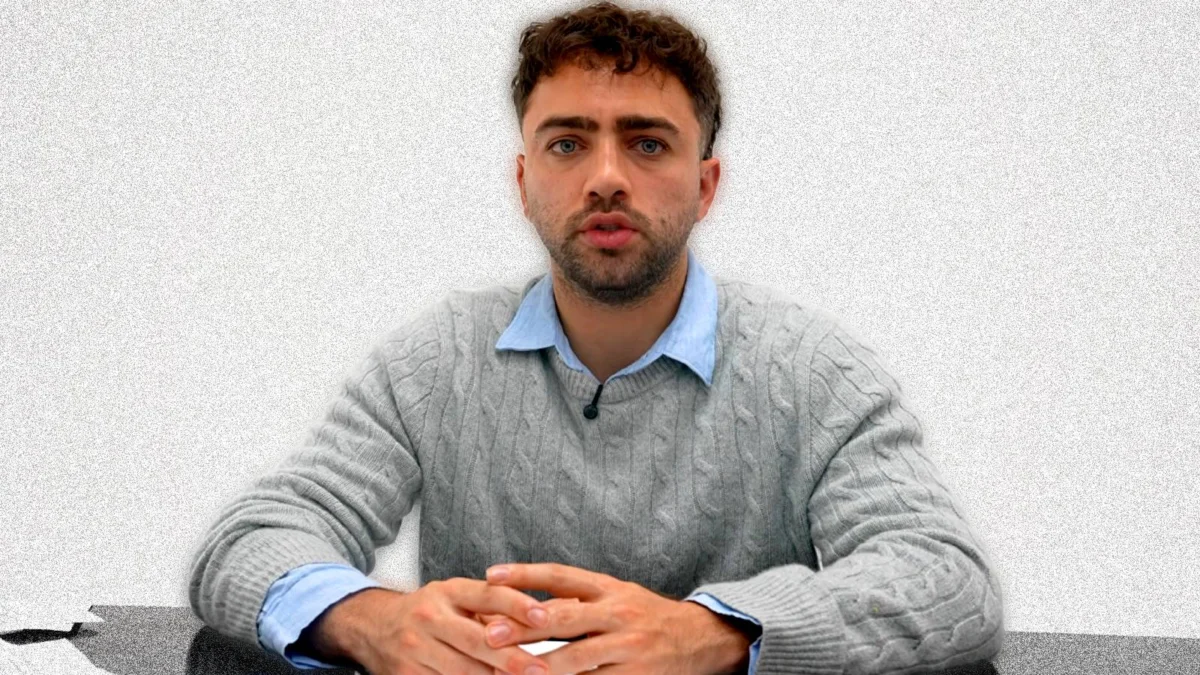
The landscape of professional content creation was rocked in late 2025 when high-profile Twitch streamer Emiru (Emily Schunk) publicly accused fellow creator Mizkif of a series of severe personal and professional misconducts. Months of legal maneuvering have culminated in a dramatic escalation: Mizkif has released a 45-minute video titled "Emiru Lied, Part 1," in which he systematically disputes the allegations and provides a candid, albeit one-sided, breakdown of his ongoing defamation lawsuit against the streamer, as well as several industry entities.
This unfolding saga represents a watershed moment for the streaming industry, highlighting the fragility of creator reputations and the complex, often messy intersection of public accusations and civil litigation.
The Chronology of Conflict
The roots of this legal battle trace back to October 2025, when Emiru hosted a livestream that sent shockwaves through the gaming community. During the broadcast, she leveled grave allegations against Mizkif, including psychological and domestic abuse, stalking, harassment, sexual assault, and blackmail. The accusations were immediate and visceral, prompting an industry-wide reckoning.
Mizkif, who was then deeply integrated into the One True King (OTK) organization, issued an immediate denial, but the reputational damage was instantaneous. Following Emiru’s testimony, OTK publicly stood in solidarity with her. While the organization clarified that its decision to cut ties with Mizkif had occurred "some time ago" and was distinct from the October allegations, the timing of the announcement left the public with the impression of a total decoupling.
The legal response followed shortly thereafter. Mizkif filed a lawsuit in the Western District of Texas, naming Emiru, Zack "Asmongold" Hoyt, OTK, Mythic Talent Management, and King Gaming Labs as defendants. The suit centers on claims of defamation and breach of contract, asserting that the allegations were not only false but manufactured to destroy his career.
Mizkif’s Defense: The "Emiru Lied" Narrative
In his recent 45-minute exposé, Mizkif adopts a posture of defiance. Addressing his audience, he stated, "I deny those accusations completely. I am the one who went to court. I sued her for defamation, meaning for making false accusations that damaged me."
The video is a granular examination of the conflict. Mizkif focuses on three primary pillars:
- Contextualization of Past Statements: Mizkif argues that clips from his original response video—which many critics claimed were confessions or admissions of guilt—were taken entirely out of context. He asserts that his words were misinterpreted by a community primed for outrage.
- Contradictions in Testimony: Throughout the video, Mizkif highlights discrepancies between Emiru’s October 2025 livestream, subsequent court filings, and private communications he claims were exchanged after the alleged incidents. He suggests that the shifting nature of her story is indicative of a lack of veracity.
- Professional and Personal Impact: Mizkif details the tangible fallout of these accusations, describing a loss of friendships, an inability to secure sponsorship deals, and a de facto banishment from major industry events. He frames his lawsuit not as an act of aggression, but as a necessary step to reclaim his livelihood.
The Judicial Landscape: Understanding the Magistrate’s Report
While Mizkif’s video aims to influence public opinion, the legal reality is governed by the slow, technical machinery of the federal court system. In June 2026, a federal magistrate judge issued a report and recommendation that serves as a critical, albeit preliminary, milestone in the case.
The report evaluated Emiru’s motion to dismiss the defamation claims. Importantly, the magistrate did not rule on the truthfulness of the allegations; instead, the court assessed whether the lawsuit had been "pleaded sufficiently" to proceed to the discovery phase.
The magistrate found that the "gist" of Emiru’s statements—specifically the allegations of sexual assault—was "reasonably capable of a defamatory meaning." Consequently, the judge recommended that the motion to dismiss be denied, allowing the core of Mizkif’s defamation case against Emiru to move forward.
However, the legal path forward is not a total victory for Mizkif. The court has requested a "more definite statement" within 30 days. Mizkif must now provide a forensic breakdown of every specific statement made by Emiru that he deems defamatory, including exact quotes, evidence of their falsehood, and a clear articulation of the damages incurred by each specific statement.
Industry Implications and Organizational Fallout
The legal fallout has extended far beyond the two primary parties. The magistrate judge also recommended dismissing the defamation claim against Asmongold (Zack Hoyt) without prejudice, suggesting that his public statements, while critical, did not meet the high bar required for a defamation judgment in this context.
Furthermore, the report recommended compelling arbitration for the claims against OTK, Mythic Talent Management, and King Gaming Labs, while staying the remainder of the case. These entities, which represent the infrastructure of the creator economy, have largely retreated into legal silence.
Mizkif’s legal team has already begun pushing back. In a June 29 filing, he officially objected to the recommendations regarding arbitration and the stay of proceedings, arguing that the court should handle the entire matter in a unified, public fashion rather than fracturing the case across private arbitration panels. He did not, however, object to the dismissal of the claims against Hoyt or the requirement for a more definite statement.
The Court of Public Opinion vs. The Court of Law
Mizkif’s decision to label his video "Part 1" signals an intent to keep the court of public opinion engaged. This strategy is common in the influencer space, where the timeline of a court case often moves too slowly for an audience conditioned to constant content cycles.
However, legal experts caution that such videos can be a double-edged sword. While they serve to rally a base, they can also complicate ongoing litigation. Any statement made by Mizkif in these videos could theoretically be used against him during discovery or cross-examination.
For the streaming community, the case raises uncomfortable questions about the power of accusations in the digital age. When high-profile creators are "canceled" based on allegations that are later contested in court, the lack of a clear, objective arbitration process often leaves the audience confused and polarized.
Looking Ahead
As of late June 2026, the case remains in a state of suspended animation. The magistrate’s report is merely a recommendation; the final decision rests with the district judge. Whether the case will proceed to a full trial or be settled in private arbitration remains to be seen.
The broader implications are clear: the creator economy is maturing in ways that are increasingly litigious. The days of internal dispute resolution within creator houses and management agencies appear to be fading, replaced by the rigid, expensive, and public mechanisms of the American legal system.
For now, the industry watches and waits. Mizkif’s campaign to clear his name continues, and if the "Part 1" designation is any indication, the digital discourse surrounding these allegations is far from over. The final resolution of this case will likely set a precedent for how the streaming industry handles accusations of misconduct, potentially changing the way creators interact with their management, their peers, and their audiences for years to come.


 Suro Senen
 Pevita Pearce




