

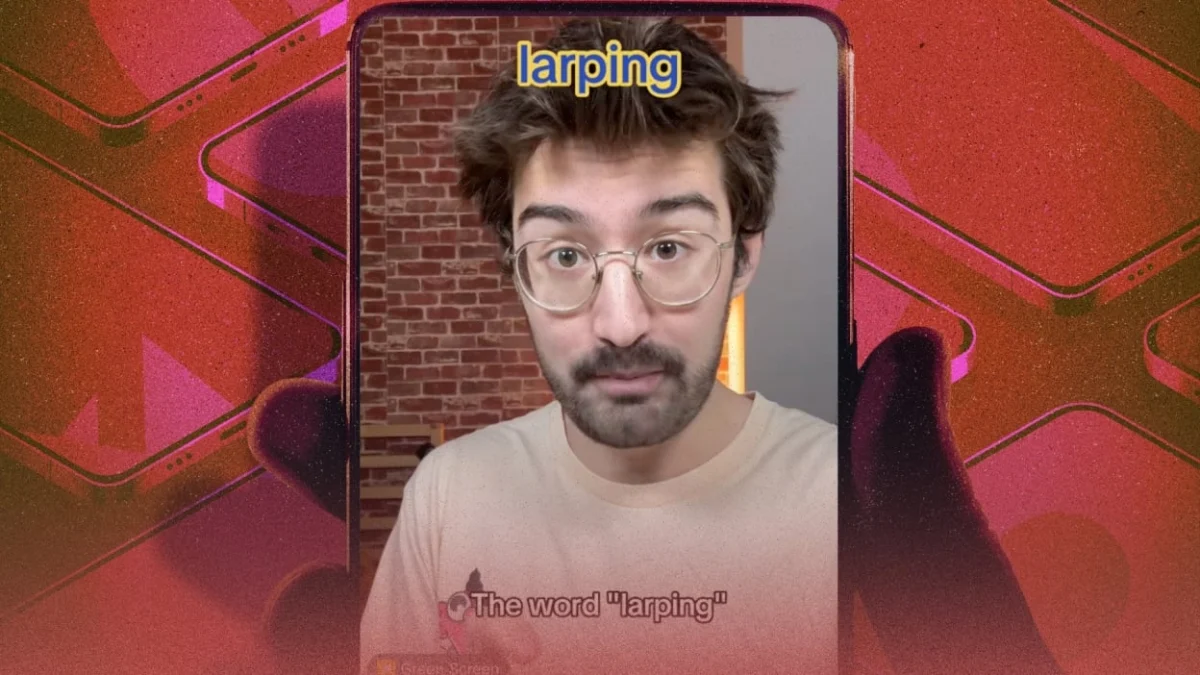
In the digital ecosystem of 2026, where identity is curated, polished, and broadcasted in real-time, the most cutting insult isn’t found in a complex vocabulary. It is a single, borrowed word: "Larper."
Once a benign term reserved for hobbyists engaging in live-action role-playing games, the word has undergone a linguistic metamorphosis. Today, it serves as a digital scarlet letter, used to strip away the veneer of credibility from influencers, political commentators, and casual hobbyists alike. To call someone a "larper" is to accuse them of "faking it"—not in the sense of a minor mistake, but in the sense that their entire persona is a performance rather than a lived reality.
The Evolution of the "Fake": A Chronological Shift
The human instinct to police inauthenticity is not new, but the language we use to express it has shifted alongside our cultural norms.
- The "Poser" Era (1990s–2000s): In the pre-social media age, the "poser" was the ultimate social outcast. Whether it was the wrong brand of skate shoes or a lack of deep knowledge about a specific subculture, the accusation was rooted in physical presence and shared knowledge. It was a gatekeeping mechanism meant to preserve the "purity" of niche groups.
- The "Try-Hard" and "Hipster" Phase (2010s): As the internet began to accelerate, the focus shifted from membership to effort. A "try-hard" was someone who cared too much, while the "hipster" was someone whose authenticity was performative—a critique of one’s aesthetic choices as a shortcut to cultural capital.
- The Rise of the "NPC" and "Industry Plant" (2020s): As social media algorithms took hold, the critique turned toward autonomy. "NPC" (Non-Player Character) implied a lack of independent thought, while "industry plant" suggested that an influencer’s success was manufactured by corporate interests rather than organic growth.
- The "Larper" Current (2026): We have now arrived at the "Larper" stage. It is the culmination of these previous iterations. It suggests that not only are you a poser or an NPC, but you are actively engaging in a full-scale, theatrical performance of a life you do not actually lead.
Anatomy of the Accusation: What Makes a "Larper"?
At its core, the modern usage of "larper" is an accusation of bad faith. It appears in contexts ranging from the mundane to the extreme.
In the realm of fandom, a "larper" is the person who claims to be a lifelong devotee of a franchise but is revealed to have only joined the movement once it became commercially viable. In politics, it is a label used to delegitimize activists or pundits whose behavior is perceived as "theatrical"—people who adopt extreme stances or aesthetics for social media engagement rather than genuine ideological conviction.
The term has gained significant traction because of its adaptability. It effectively captures the anxiety of a generation that is hyper-aware of "content" as a commodity. When every aspect of life is recorded and uploaded, the line between "being" and "performing" becomes increasingly blurred.

Supporting Data: The Authenticity Paradox
The rise of "larper" as a pejorative is directly correlated to the "authenticity paradox" currently plaguing the creator economy.
According to recent digital culture analysis, audiences are increasingly skeptical of high-production-value content. As AI-generated personas and hyper-polished aesthetic feeds become the norm, the "authenticity tax"—the premium audiences place on appearing "real"—has skyrocketed.
- The "Messy" Aesthetic: Creators are now intentionally curating "messy" rooms, unedited rants, and "behind-the-scenes" vulnerability to avoid the "larper" label.
- The Backlash: Ironically, the more effort a creator puts into proving they are "real," the more they become susceptible to "larper" accusations. If a creator’s attempt to look authentic feels too calculated, they are branded a "larper" precisely because they are performing the performance of authenticity.
This creates a high-stakes environment where any sign of inconsistency—a change in fashion style, a shift in political opinion, or a sudden interest in a new hobby—can trigger an internet-wide audit of the person’s history.
The Implications: Gatekeeping in the Age of Discovery
The most significant implication of the "larper" label is the chilling effect it has on personal exploration.
"Larper" has become a potent tool for digital gatekeeping. Newcomers to any hobby—whether it is extreme sports, political activism, or niche film criticism—are often immediately met with suspicion. If a newcomer expresses too much enthusiasm or adopts the aesthetic markers of the community too quickly, they are labeled a "larper" by veteran members.
This creates an environment where one must "earn" the right to participate. It discourages growth and learning, as the fear of being labeled a fraud prevents people from engaging with new subjects unless they can demonstrate total mastery from day one.

A Philosophical Inquiry: Are We All Larping?
Perhaps the most uncomfortable truth about the "larper" phenomenon is that, in a world dominated by social media, we are all participating in a form of role-play.
When we curate our LinkedIn profiles, we are "larping" as the professional we aspire to be. When we post photos of our hikes on Strava or our books on Goodreads, we are "larping" as the active, well-read versions of ourselves. The internet, by design, forces us to make our identities legible and static. We are forced to turn the fluid, messy process of living into a series of repeatable, digestible moments.
The "larper" insult is a symptom of this frustration. We are projecting our own insecurities about our own performative lives onto others. By identifying someone else as a "larper," we are subconsciously attempting to draw a line in the sand: They are the fake one; I am the genuine one.
Conclusion: Navigating the Performance
As we look toward the future of digital interaction, the term "larper" is unlikely to disappear. It will evolve, as all slang does, eventually being replaced by a newer, sharper word for the same anxiety.
The challenge for the modern internet user is to distinguish between performative bad faith and the natural, human process of evolving interests and identities. While there will always be those who curate their lives for profit or status, the weaponization of the "larper" label reminds us that we have become deeply uncomfortable with the idea of change.
In the end, the next time you feel the urge to call someone a "larper," it might be worth asking: Are they truly faking their life, or are they simply doing what we are all doing—navigating the strange, public, and often performative landscape of the 21st century? The answer, as always, is likely somewhere in the middle.










