Nana
Nana
By Editorial Staff
June 15, 2026
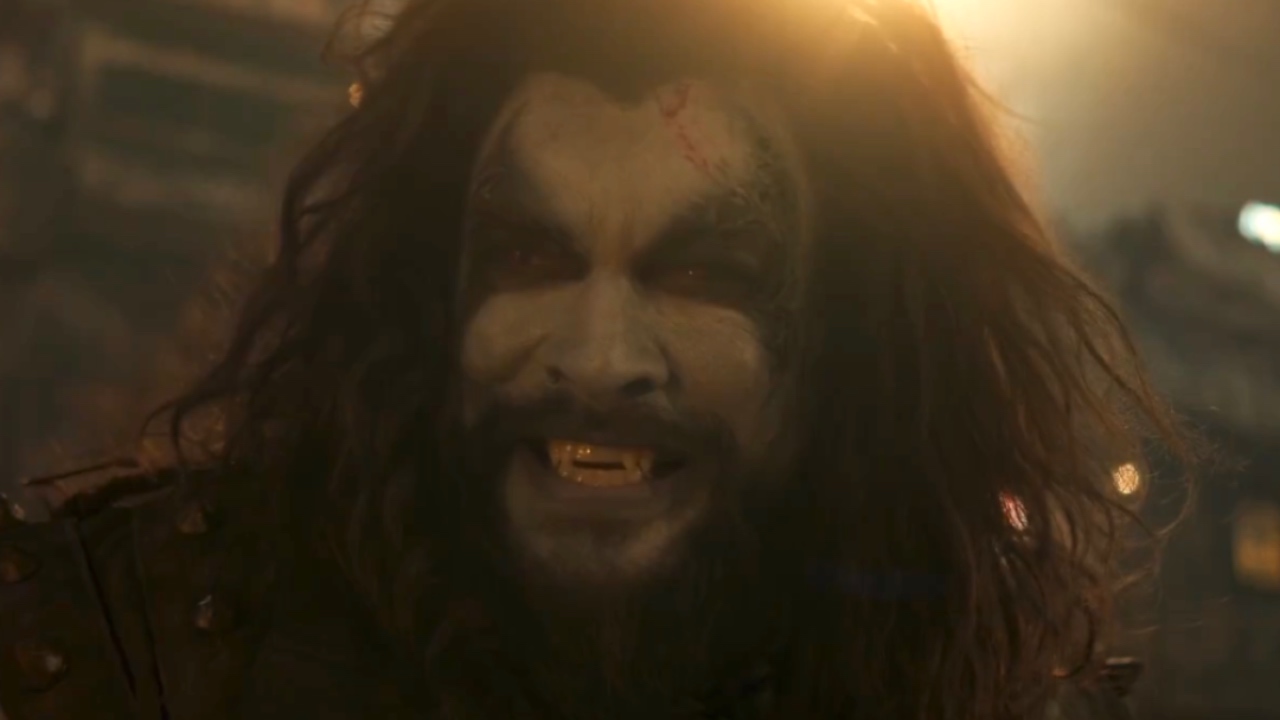
The landscape of the DC Universe is shifting. As fans prepare for the long-awaited arrival of the cigar-chomping, space-faring bounty hunter known as Lobo, the conversation surrounding the character has pivoted from mere anticipation to a deep dive into the creative integrity of the property. While audiences will soon get their first taste of "The Main Man" in the upcoming Supergirl feature, star Jason Momoa has made one thing abundantly clear: if Lobo is to headline his own franchise, he will not be playing by the rules of a standard PG-13 superhero film.
The Main Facts: A Hard Line in the Sand
In a candid interview with Collider, Jason Momoa laid out his conditions for a solo outing as the DC antihero. For Momoa, the character of Lobo—a Czarnian mercenary with a penchant for extreme violence, irreverent humor, and total anarchy—simply cannot be captured within the constraints of a restrictive rating.
"It’s all I want, and I promise—I’m just going to put this out there right now—I do not have any interest in making a Lobo PG-13 movie," Momoa stated firmly. This declaration serves as a definitive boundary for the actor, who has long been vocal about his passion for the character. Momoa emphasized that while he remains a team player regarding Lobo’s appearances in other DC projects—such as the upcoming Supergirl—his commitment to a solo feature is contingent upon the studio’s willingness to embrace a mature, R-rated tone.
For the DC Universe (DCU) under the stewardship of James Gunn and Peter Safran, this presents a unique creative challenge and an equally compelling opportunity. By aligning the project with an R-rating, the studio would be acknowledging the inherent nature of the character, ensuring that the transition from comic book panel to silver screen remains faithful to the source material that fans have championed for over four decades.
A Chronology of Chaos: From 1983 to the Modern DCU
To understand why an R-rating is non-negotiable for a character like Lobo, one must look at the character’s history. Created by writer Roger Slifer and artist Keith Giffen, Lobo made his debut in Omega Men #3 in 1983. Initially envisioned as a parody of the grim-and-gritty antiheroes of the era, the character quickly transcended his satirical roots to become one of the most popular, albeit problematic, figures in the DC stable.
The Evolution of the Last Czarnian
- 1983–1990: Lobo begins as a stoic, biker-style villain, but his personality gradually shifts toward the hyper-violent, foul-mouthed space mercenary fans recognize today.
- 1990s: The "Lobo Mania" era. The character becomes a staple of DC’s darker, more mature storytelling, headlining several successful miniseries and becoming a fan-favorite guest star.
- 2010s: Lobo undergoes various creative reboots, attempting to modernize his aesthetic while maintaining his core identity as the "Scourge of the Cosmos."
- 2026: Jason Momoa is cast as the definitive live-action version of the character, marking the first time the space-biker enters the mainstream DC cinematic fold.
Lobo’s backstory is defined by a singular act of planetary genocide: he wiped out the entire population of his home planet, Czarnia, simply because he could. This level of extreme, nihilistic behavior is the bedrock of his characterization. To strip that away for the sake of a broader demographic appeal would, as Momoa implies, hollow out the very essence of what makes "The Main Man" such a compelling, if deeply unhinged, protagonist.
Supporting Data: The Case for R-Rated Comic Adaptations
Momoa’s stance is bolstered by a significant shift in market trends. The "R-rated superhero" sub-genre has proven not only viable but incredibly lucrative. The success of films like Deadpool, Logan, and the standalone Joker films demonstrated that audiences are not only willing but eager for comic book adaptations that lean into mature themes, graphic action, and complex psychological profiles.
Financial and Critical Precedents
- The Deadpool Effect: By embracing a self-aware, violent, and vulgar tone, the Deadpool franchise redefined the ceiling for R-rated comic book films, proving that a narrower audience target can result in higher cultural impact and profitability.
- The Prestige Shift: The success of Joker proved that "dark" comic book movies could win major critical acclaim, including Academy Awards. This paved the way for studios to experiment with more mature narratives.
- Creative Freedom: An R-rating allows for the visceral nature of Lobo’s "regenerative healing factor" and his brutal weaponry to be depicted with accuracy. Without the ability to show the aftermath of a Lobo-led skirmish, the film would inevitably feel sanitized.
Furthermore, the current development of DC’s Clayface project—which is reportedly leaning into body horror and psychological tension—suggests that DC Studios is building a portfolio of diverse, mature content. By allowing creators to tailor the rating to the character, rather than forcing characters into a one-size-fits-all PG-13 box, the DCU is positioning itself as a more versatile cinematic universe.
Official Responses and Creative Direction
While James Gunn and Peter Safran have yet to provide a granular breakdown of the future slate, their public comments on the new DCU have consistently emphasized "director-driven" and "character-first" storytelling. Momoa’s insistence on an R-rating for a solo Lobo project is a direct test of this philosophy.
Insiders suggest that the relationship between Momoa and the studio heads is collaborative. The fact that Momoa is appearing as Lobo in Supergirl suggests that the character is already a key piece of the puzzle. However, the tone of that appearance is reportedly more "tempered," likely to fit the ensemble nature of a superhero film. Momoa’s comments serve as a preemptive "thank you, but no" to any attempts to scale down that intensity for his own spinoff.
"If they want me, I’ll be there," Momoa told Collider. "But if I make a solo movie, I’m not doing it unless it’s rated R." This is not a threat, but a statement of professional requirement. For an actor of Momoa’s stature, the prestige of the project is tied to the quality of the adaptation.
Implications: What This Means for the DC Universe
The implications of this stance are twofold. First, it establishes that the new DCU is willing to listen to its talent, particularly when that talent has a deep understanding of the character they are portraying. Momoa is not just an actor; he is a fan of the source material who understands that Lobo’s appeal lies in his lack of a moral compass.
Second, this creates a roadmap for how DC handles "villain-protagonist" projects. If a character is inherently violent, attempting to force them into a family-friendly mold often leads to lackluster audience reception. By embracing the R-rating, DC can ensure that Lobo remains a distinct, high-energy presence that separates itself from the more traditional "heroic" films like Superman or The Flash.
The Road Ahead
As we look toward the June 26 debut of this version of Lobo, fans can expect a character who is restrained—a "PG-13 version of the Last Czarnian," if you will. But the horizon holds the promise of something far more visceral.
The success of this strategy hinges on the studio’s willingness to treat Lobo not as a standard superhero, but as a space-western antihero. If they succeed, they will have effectively tapped into a goldmine of character potential that has been waiting to be fully unleashed since 1983.
For now, the message is clear: Jason Momoa is ready to bring the fragging heat, but only if he’s allowed to bring the full, unadulterated, R-rated experience along with it. Whether the studio agrees remains the final piece of the puzzle, but given the current trajectory of the DCU, the chances of seeing a truly unrestrained Lobo have never been higher.

 Nana Wu
 Jia Lissa