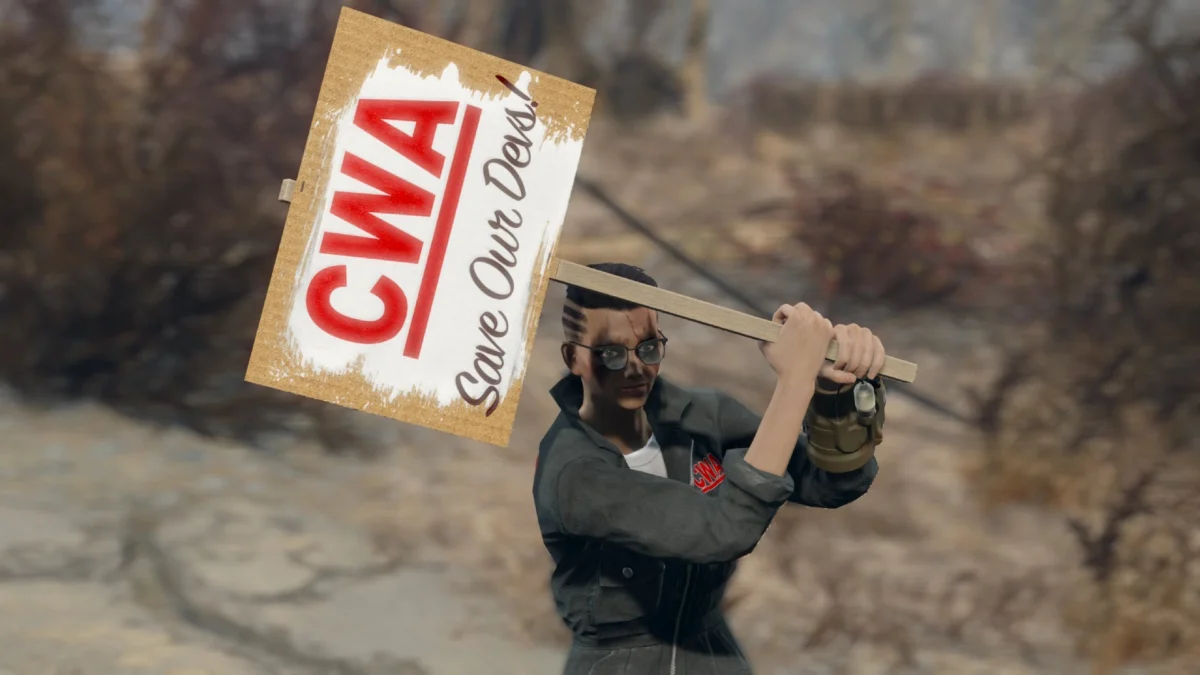
Blizzard Entertainment’s long-standing campaign to safeguard its intellectual property has reached a new boiling point. In a move that signals a continued hardline stance against unauthorized modifications of its flagship MMORPG, the developer has initiated legal proceedings against the team behind Project Ascension, one of the most prominent World of Warcraft (WoW) private servers currently in operation.
This latest development, coming on the heels of the successful closure of the popular Turtle WoW project last year, highlights an intensifying friction between Blizzard’s corporate legal strategy and a community of players dedicated to custom, "Classic-plus" experiences. As the gaming industry watches this legal saga unfold, questions regarding the future of fan-run projects, the definition of digital ownership, and the potential for an official "Classic+" announcement have come to the forefront of the World of Warcraft discourse.
The Legal Siege: A New Chapter in Enforcement
The legal action against Project Ascension is not a singular event but rather the latest escalation in a multi-year strategy. Earlier this month, Blizzard officially filed a lawsuit against the creators of the server, alleging copyright infringement and unauthorized use of their proprietary assets. The situation took a more urgent turn last week when Blizzard filed a formal summons request, effectively putting the defendants on the clock.

The court documents are stark in their tone, noting that the creators of the server have a 21-day window to respond to the allegations. The language of the summons leaves little room for ambiguity: "A lawsuit has been filed against you. If you fail to respond, judgment by default will be entered against you for the relief demanded in the complaint."
For the staff behind Project Ascension, this represents an existential threat. These servers are often maintained by volunteers with limited legal resources, making a prolonged battle against a multi-billion dollar entity like Activision Blizzard an uphill, if not impossible, endeavor.
A History of "Cease-and-Desist" and Legal Precedent
To understand the weight of this current lawsuit, one must look at the history of Blizzard’s interactions with the private server community. The most famous case remains the shutdown of Nostalrius between 2015 and 2016. Nostalrius was a massive, non-profit project that sought to replicate the original World of Warcraft experience—a "vanilla" server that predated Blizzard’s own official Classic offerings.

The shutdown of Nostalrius sparked a massive community outcry, leading to a direct dialogue between the server’s developers and Blizzard executives at the company’s Irvine headquarters. While Nostalrius was forced to shut its doors, the pressure exerted by the community served as a catalyst for Blizzard to officially announce and eventually launch World of Warcraft: Classic in 2019.
However, unlike Nostalrius, which sought to preserve the past, modern private servers like Turtle WoW and Project Ascension have pivoted toward innovation. They offer "Classic+" content—new spells, reworked talent systems, custom raids, and adjusted class roles—which creates a unique challenge for Blizzard. By providing content that the official game lacks, these projects have tapped into a vein of player desire that the current retail version of the game has failed to satisfy.
The Evolution of Private Server Innovation
The popularity of Project Ascension stems from its radical departure from standard Warcraft mechanics. Known for its "classless" system, it allows players to build custom characters by selecting abilities from any class, fostering a level of theory-crafting and build diversity that is absent in the rigid structures of the retail game. Similarly, Turtle WoW offered an immersive expansion of the vanilla world, adding quests, zones, and items that felt native to the 2004 aesthetic.

These servers are not merely trying to emulate old code; they are attempting to act as community-driven game developers. This has placed them in a precarious position. When a fan project gains enough traction to become a competitor to the official product, Blizzard’s legal department has historically viewed it not as a tribute, but as a direct threat to the integrity of their intellectual property.
The "Classic+" Narrative and Official Ambitions
The timing of this lawsuit is particularly noteworthy given the current state of the World of Warcraft ecosystem. There is a palpable, building expectation for an official "Classic+" announcement at BlizzCon 2026.
During the "State of Azeroth" presentation earlier this year, Executive Producer Holly Longdale teased a major revelation before being conspicuously cut off. Her comment—"I can say with confidence that all Classic players across the globe have a lot to look forward to. I’m excited to announce…"—sent the community into a frenzy of speculation.
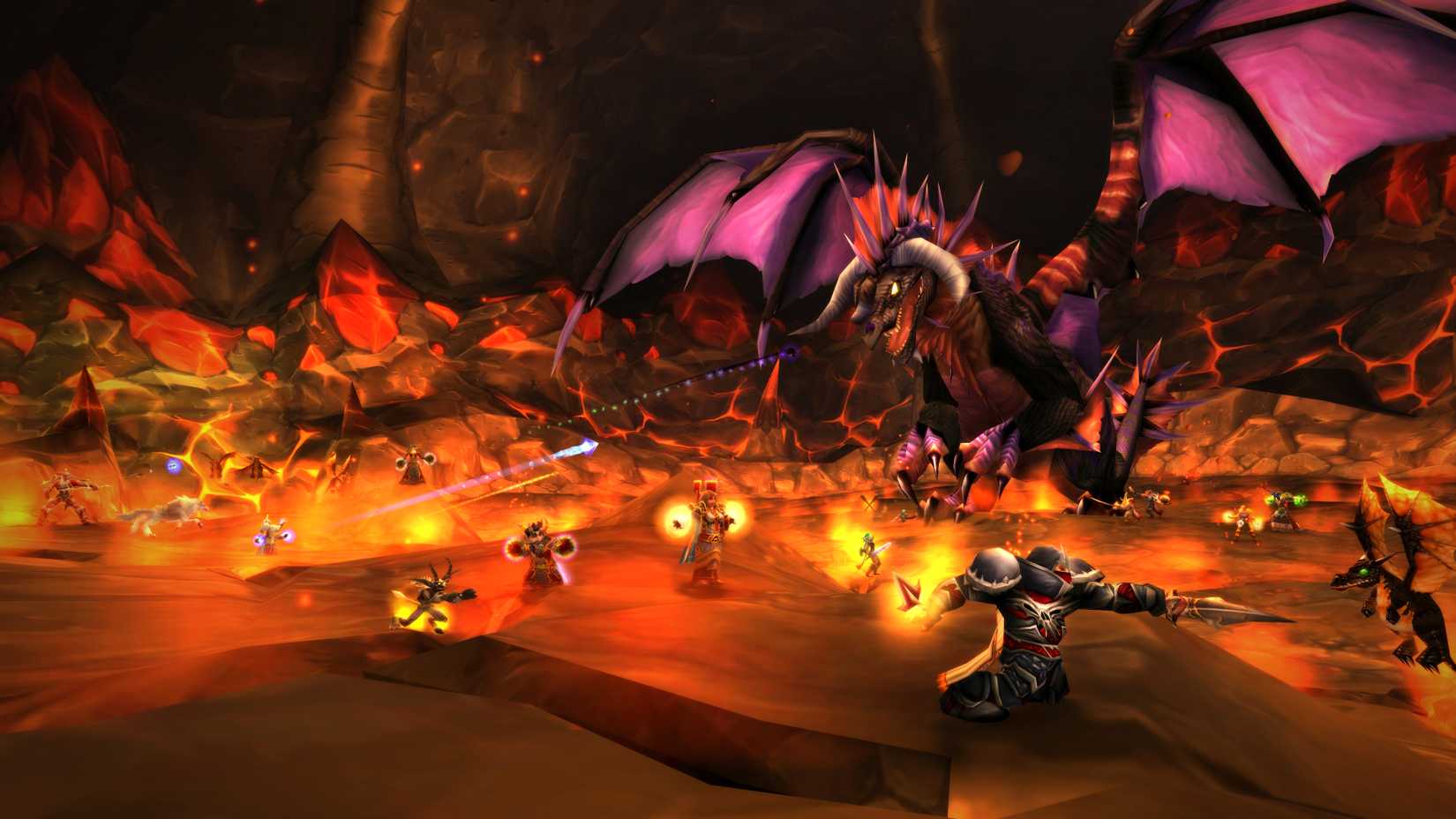
Many industry analysts and veteran players believe that Blizzard is actively purging the landscape of successful private servers to clear the path for its own version of a "Classic+" offering. By eliminating the alternatives, Blizzard ensures that when they eventually launch their own custom content, the player base will be funneled directly into their ecosystem, maximizing subscription revenue and player engagement.
Community Reaction: A Divided Perspective
The community response to the closure of these servers is deeply polarized. On one hand, there is a vocal contingent of players who view Blizzard’s actions as an overreach—a "scorched earth" policy that destroys years of passion-driven work. These players argue that if Blizzard is unwilling to provide the specific type of content that private servers offer, they should allow those communities to exist rather than forcing them into the shadows.
Conversely, there is the legal and professional perspective. World of Warcraft is a proprietary software product. Blizzard has spent billions of dollars on development, infrastructure, and brand maintenance. From a corporate governance standpoint, allowing unauthorized third parties to host and modify their code sets a dangerous precedent. If Blizzard does not defend its trademarks and copyrights, it weakens their legal standing in future disputes, a concept known as "trademark abandonment."

Implications for the Future of MMORPGs
What does this mean for the future of the genre? The crackdown on Project Ascension and Turtle WoW suggests that the era of the "wild west" for private servers is drawing to a close. As cloud computing becomes cheaper and server technology more accessible, the barrier to entry for hosting these projects has dropped, leading to an explosion of custom WoW experiences.
However, as these projects become more sophisticated, they draw more attention. Blizzard’s move against these servers is a clear signal that they intend to exert total control over the Warcraft brand.
Moreover, the industry is watching how Blizzard navigates its relationship with its player base. The company has recently emphasized its desire to use AI to handle "boring" tasks, allowing developers to focus on creative innovation. If they can successfully implement this strategy, perhaps they can fulfill the player demand for "Classic+" content without relying on the vacuum created by banning fan projects.
Conclusion: A Turning Point for Azeroth
The lawsuit against Project Ascension serves as a stark reminder of the realities of digital ownership in the modern age. Players may feel a sense of ownership over their characters and their time, but the legal reality remains that they are merely guests in a world owned and operated by a corporation.
As we approach BlizzCon 2026, the stakes have never been higher. If Blizzard delivers a robust, high-quality "Classic+" experience, they may eventually be forgiven by a community currently reeling from the loss of its favorite independent servers. However, if the official offerings fail to capture the spirit of what made these private projects special, the friction between the developer and its most dedicated fans will only continue to grow.
For now, the servers remain in the crosshairs, and the 21-day countdown for the Project Ascension team has begun. It is a defining moment for the World of Warcraft community—a moment that will likely shape the trajectory of the game for years to come. Whether this leads to a new era of official innovation or a further alienation of the player base remains to be seen, but one thing is clear: the battle for the soul of Azeroth is far from over.