Nana Muazin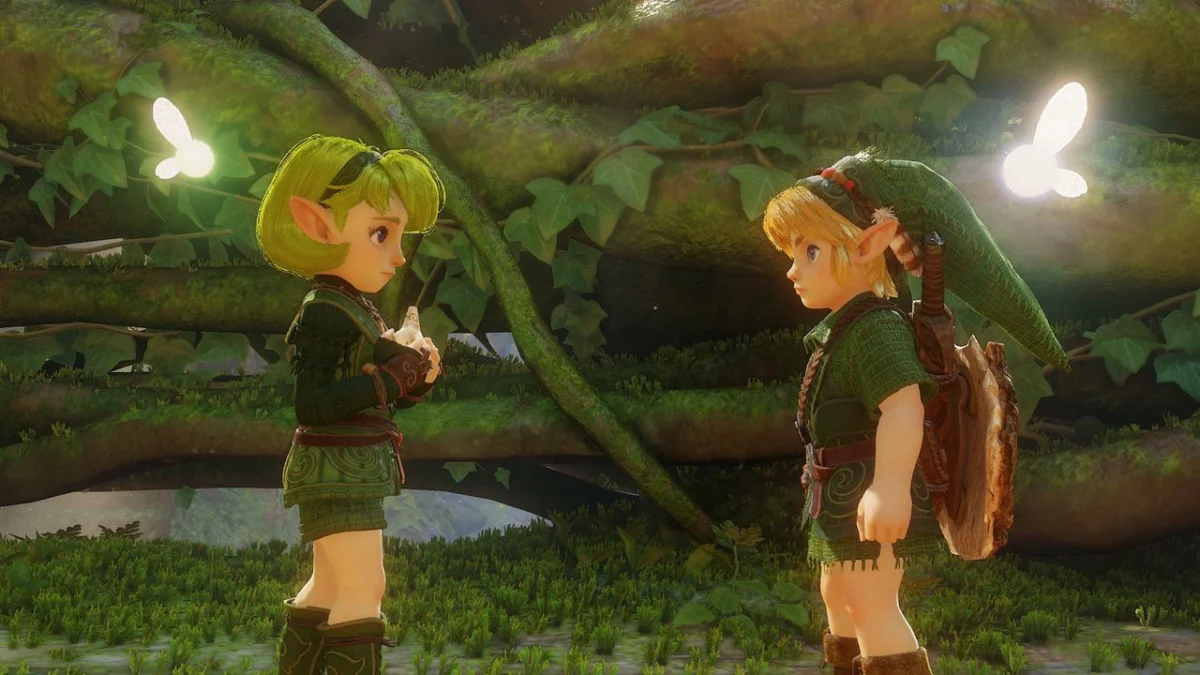
The gaming industry rarely witnesses a moment of such collective anticipation. Following the monumental reveal during the recent Zelda 40th Anniversary Direct, Nintendo has finally pulled back the curtain on its most requested project: a full-scale, ground-up remake of the 1998 masterpiece, The Legend of Zelda: Ocarina of Time. Scheduled for a global release on November 5, 2026, exclusively for the successor to the Nintendo Switch, this project represents more than a nostalgic trip; it is a technical statement of intent from the Kyoto-based gaming giant.
While fans have spent years speculating about a potential "Ocarina" revival, the reality unveiled by Nintendo appears to transcend the expectations of a simple high-definition remaster. By utilizing advanced rendering techniques and modern hardware capabilities, Nintendo is aiming to reconcile the cherished memories of the N64 classic with the visual fidelity expected of a 2026 flagship title.
The Core Transformation: Beyond Mere Textures
During the Anniversary Direct, series producer Eiji Aonuma described the project as a "faithful interpretation using modern technologies." For many, this phrase might have initially suggested a modest polish. However, the initial gameplay footage and high-resolution stills released by Nintendo reveal a complete visual overhaul.
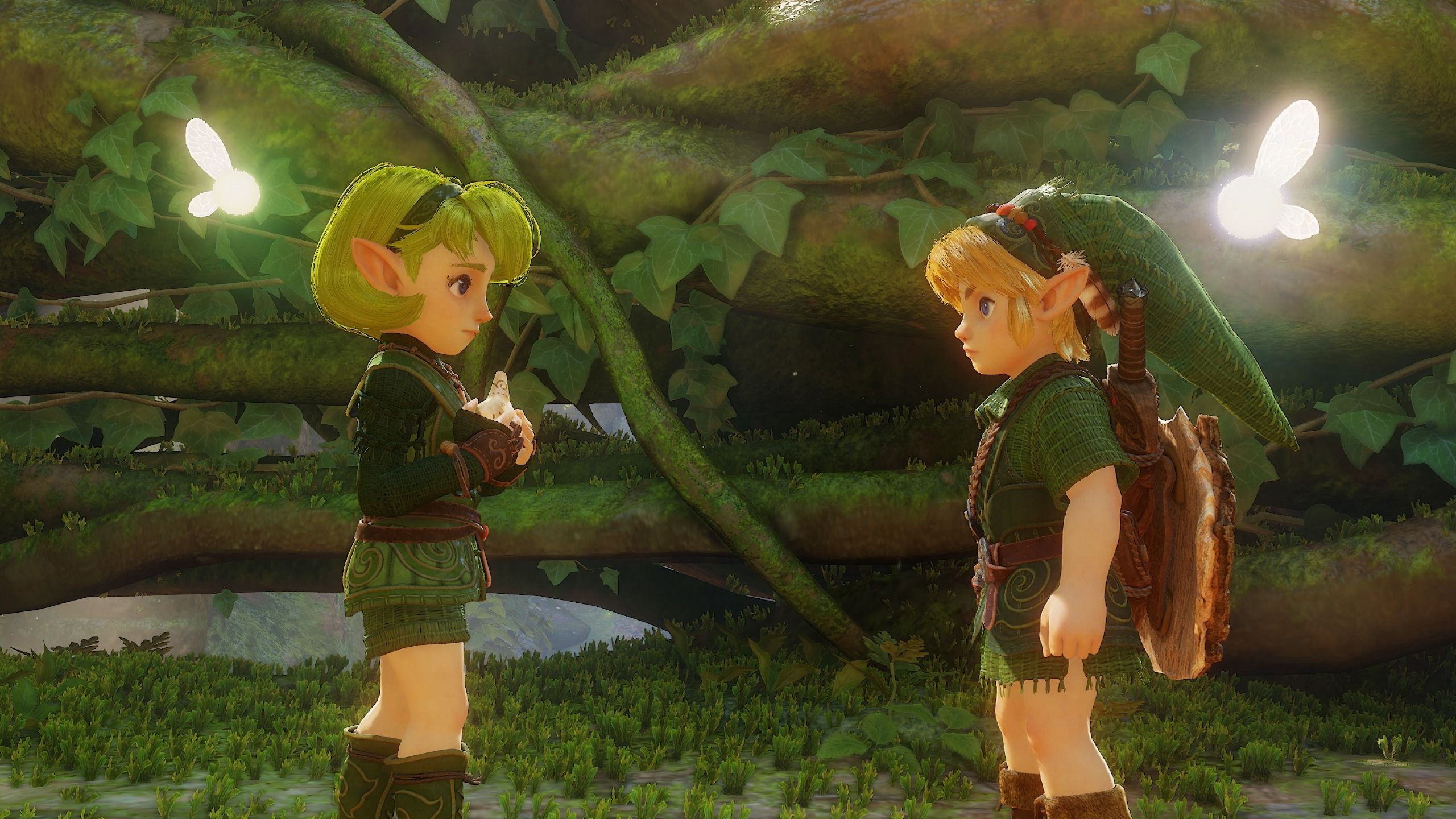
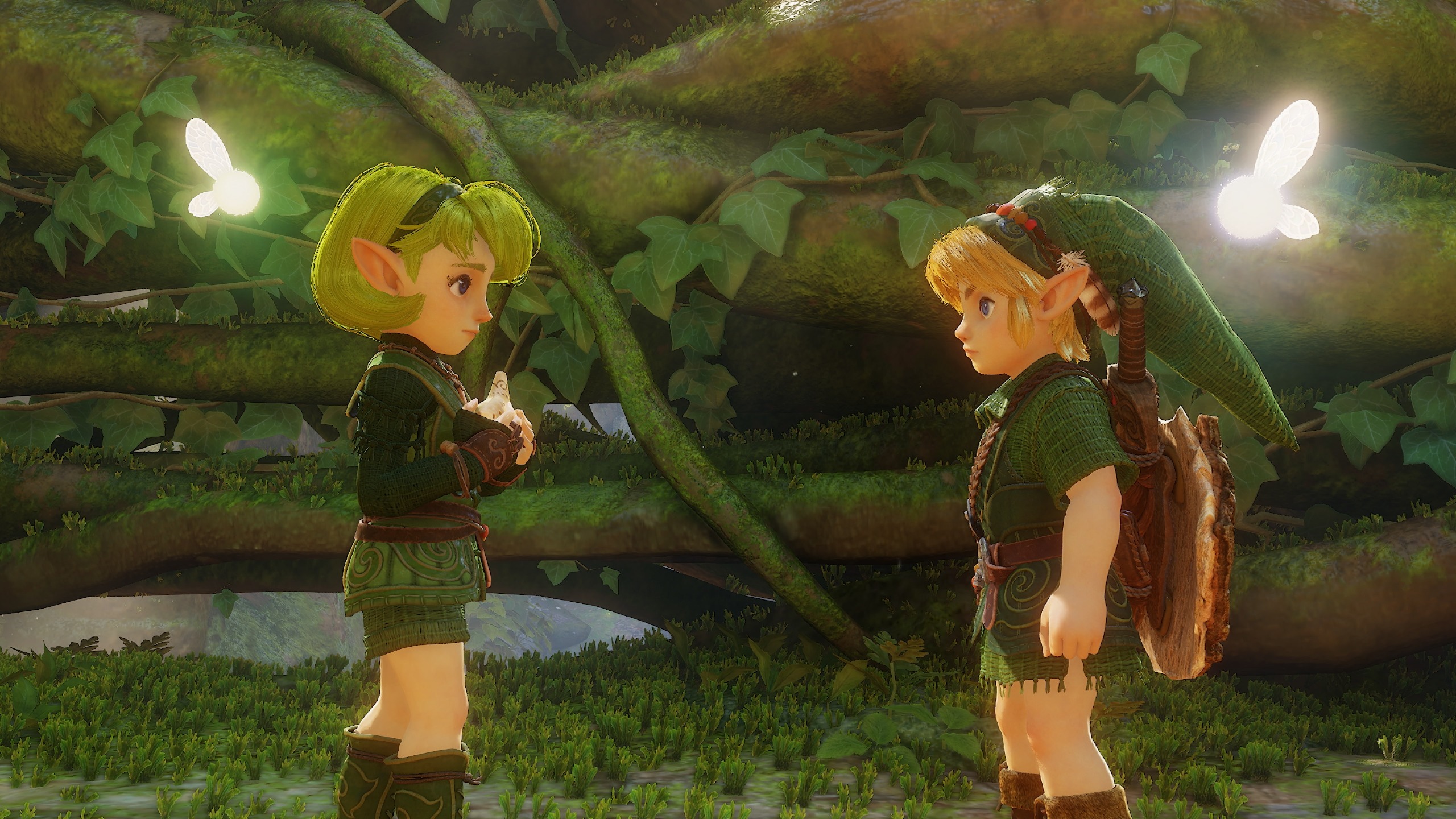
The environments of Hyrule have been rebuilt from the ground up. Gone are the jagged polygons of the late 90s; in their place are sprawling, organic landscapes defined by sophisticated soft-shadow lighting, physically-based rendering (PBR) for textures, and a volumetric atmosphere that brings the Great Deku Tree’s forest and the scorched earth of Death Mountain to life in ways previously impossible.
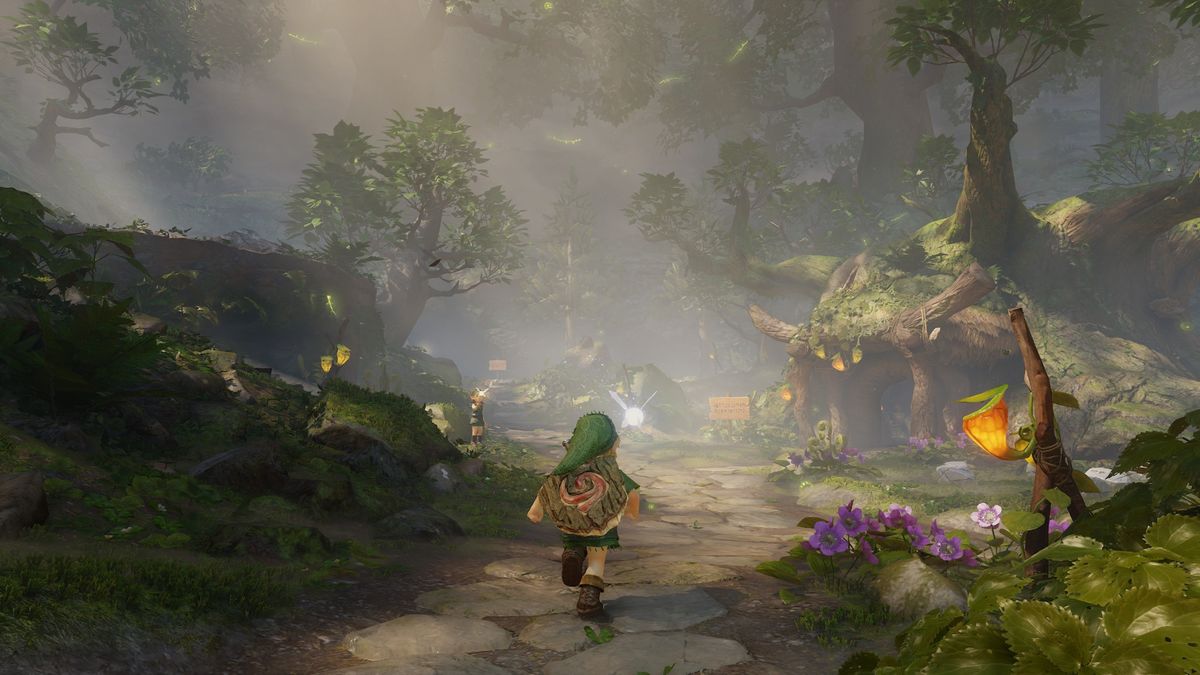
Perhaps the most divisive element of the reveal has been the character modeling. Young Link, in particular, has received a fresh design that balances the iconic aesthetic of the original with a level of facial articulation that some observers have dubbed "uncanny." Yet, this design choice serves a greater purpose: allowing for more nuanced cinematic storytelling, bridging the gap between the silent protagonist of the past and the expressive heroes of modern gaming.
Chronology of a Masterpiece
To understand the weight of this remake, one must look at the timeline of the franchise’s evolution:
- 1998: The original Ocarina of Time launches on the Nintendo 64, revolutionizing 3D action-adventure gaming with the introduction of Z-Targeting and a dynamic day-night cycle.
- 2011: Nintendo releases Ocarina of Time 3D for the Nintendo 3DS, which introduced refined controls and updated visuals, setting the gold standard for portable remakes.
- 2024–2025: Persistent rumors regarding "Project Triforce" circulate, with leaks pointing toward a significant internal effort to bring legacy Zelda titles to next-generation hardware.
- 2026 (Anniversary Direct): Nintendo officially confirms the remake, showcasing a trailer that highlights the transition from 1998 low-poly assets to current-generation fidelity.
- November 5, 2026: The official release date for the title on the Switch 2 platform.
Mechanical Innovation: The Ocarina’s New Voice
The most intriguing departure from the original formula lies in the integration of the Switch 2’s hardware features. The developers have introduced a novel "Haptic Ocarina" mechanic. Utilizing the system’s sensitive internal microphone and enhanced haptic feedback, players are no longer restricted to pressing buttons to play songs. Instead, they can physically hum or whistle into the device, with the controller providing tactile resistance that mimics the sensation of playing a real wind instrument.
This mechanic acts as a microcosm for the entire project: Nintendo is not merely porting an old game; they are re-engineering the feel of the experience to suit a new generation of hardware. By forcing the player to engage physically with the Ocarina, the connection between the player, the controller, and the world of Hyrule is deepened, transforming a nostalgic button-press exercise into an immersive performance.
Data and Logistics: What Collectors Need to Know
For the physical media community, Nintendo has provided reassuring news. The game, which weighs in at an estimated 27 GB, will be housed entirely on a high-capacity physical cartridge. Unlike many modern titles that require massive "day-one" downloads or contain only partial data, the Ocarina of Time remake will be a complete, offline-playable experience out of the box.
Pricing and Availability
- Physical Edition: Retailing at $69.99 / £54.99, the physical version includes a premium foil-embossed cover. Early retail data from Amazon and Walmart in the US indicates a launch-window discount to $59.88.
- Digital Edition: Priced at $59.99, the digital release offers immediate access upon launch, though it lacks the collector-grade packaging.
- Regional Bonuses: The Nintendo UK store is currently offering a highly sought-after pre-order incentive: a set of 3D-molded replicas of the Spiritual Stones (the Kokiri Emerald, Goron Ruby, and Zora Sapphire). These limited-run items have already begun to drive significant traffic to the official storefronts.
Official Stances and Industry Implications
The decision to remake Ocarina of Time rather than focusing exclusively on original IPs reflects Nintendo’s strategy to leverage its "Crown Jewels" to anchor the launch window of their new hardware. Eiji Aonuma’s team has remained tight-lipped regarding the possibility of further remakes, such as Majora’s Mask or Twilight Princess, but the industry sentiment is clear: if this title performs as expected, the "Zelda Remake" pipeline could become a central pillar of Nintendo’s long-term software strategy.
Critics have questioned whether a remake can ever recapture the lightning-in-a-bottle success of the 1998 original. However, the sheer volume of pre-orders suggests that for the average consumer, the desire to experience a perfected, modern version of Hyrule outweighs any concerns regarding the sanctity of the original.
Implications for the Future of Gaming
This project marks a significant shift in how developers handle "legacy software." By avoiding the "minimalist remaster" trend and opting for a high-budget, full-scale remake, Nintendo is effectively ensuring that its most historic titles remain relevant to players who have never touched a controller from the 90s.
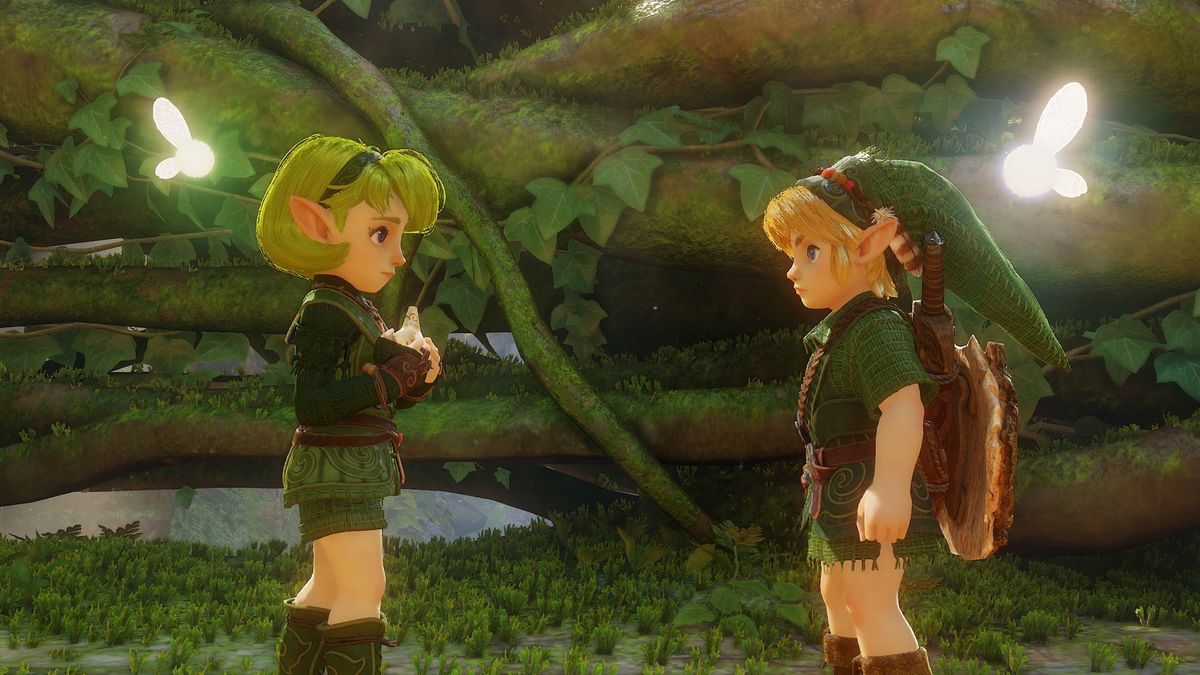
The technical implications are equally significant. If the game is indeed built using a proprietary engine capable of this level of environmental density, it provides a benchmark for what the Switch 2 platform can handle. The soft lighting and complex material shaders suggest that Nintendo is finally closing the gap between its artistic design language and modern, industry-standard rendering techniques.
As November 2026 approaches, the hype surrounding the Ocarina of Time remake is palpable. Whether one views this as a bold step forward or a cautious revisit of the past, one thing is certain: the return to Hyrule will be the most discussed gaming event of the year. For the fans, the wait is almost over. For the industry, the bar for the "perfect remake" has just been set, and it is higher than it has ever been.

 Laily UPN
 Dwi Wanna