

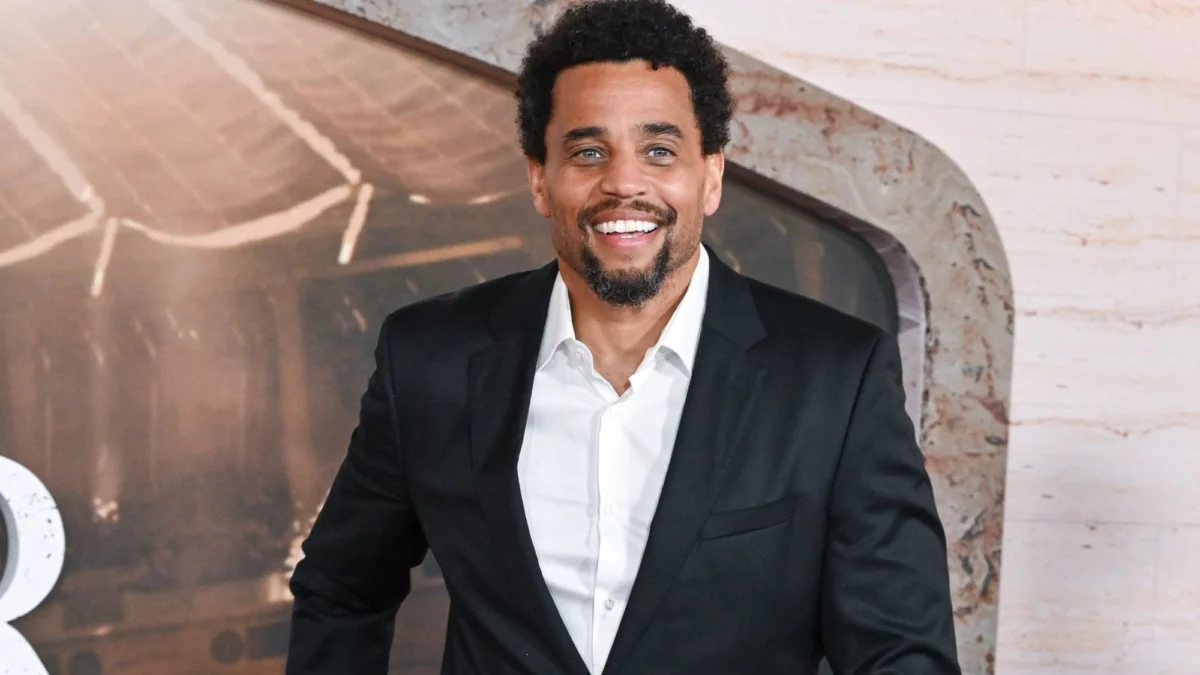
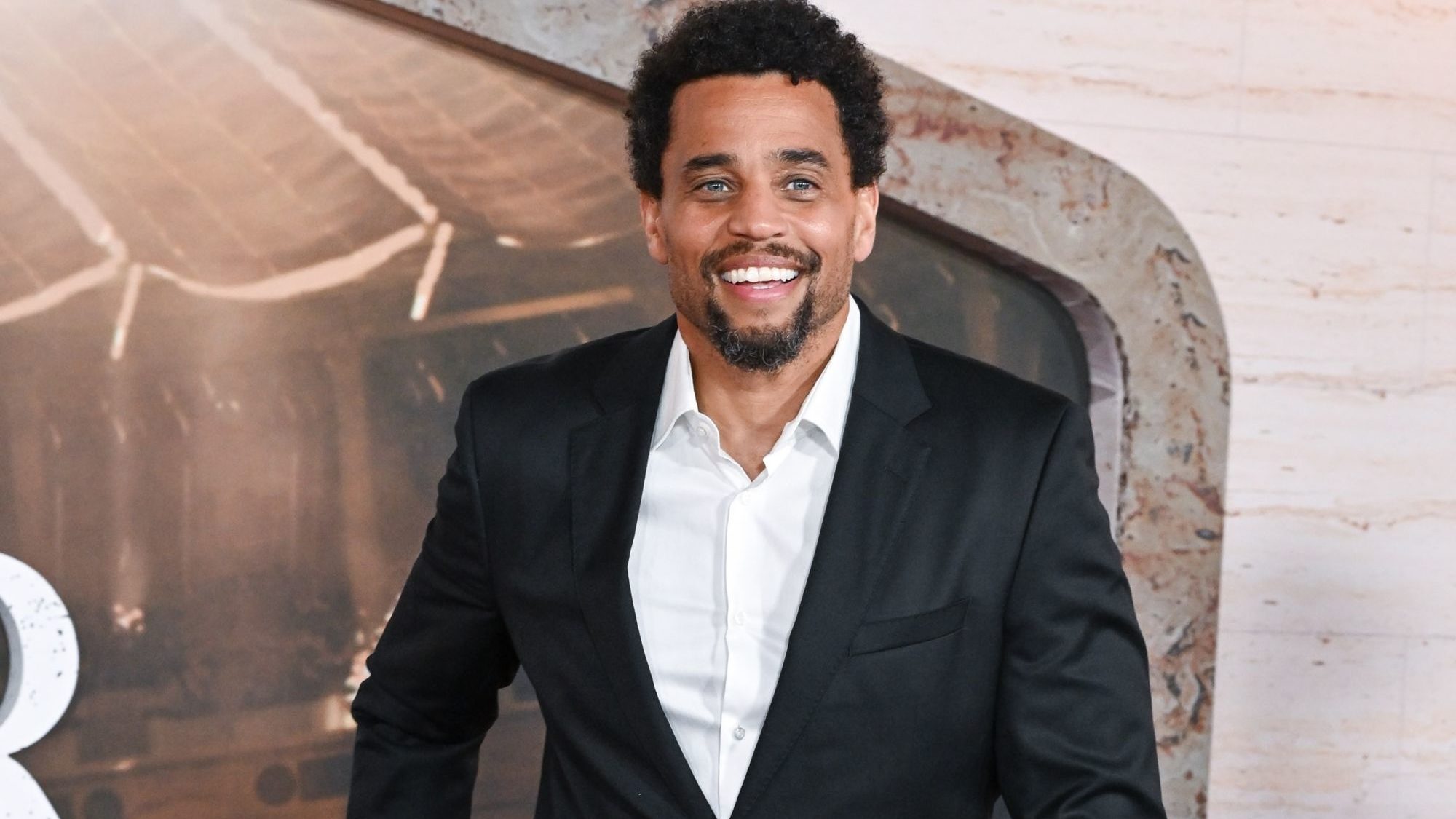
The enduring mythos of The Magnificent Seven is preparing for a bold new chapter. MGM+ has officially announced that actor Michael Ealy has joined the cast of its highly anticipated television series adaptation of the iconic Western classic. Ealy, known for his compelling performances in The Following, Almost Human, and Think Like a Man, will step into the boots of Vin Tanner—a role immortalized by the legendary Steve McQueen in the 1960 original.
This development marks a significant milestone for the production, which is scheduled to begin principal photography this June in the scenic landscapes of Calgary, Canada. As the series moves from development to active production, it solidifies MGM+’s aggressive strategy to bolster its original programming slate with high-caliber, recognizable intellectual property.
The Core Talent and Production Backbone
The series is not merely a visual recreation but a narrative reimagining helmed by industry veteran Tim Kring. Best known as the creator of the hit sci-fi phenomenon Heroes, Kring is tasked with translating the high-stakes tension of the original film into an eight-episode narrative structure. Kring will serve as the primary writer and executive producer, ensuring the series maintains a cinematic scope while leaning into the character-driven depth that long-form television allows.
Joining Ealy in the cast are acting stalwarts Matt Dillon and Will Patton, though specific character details for their roles remain under tight wraps. The production itself is a powerhouse collaboration between MGM+ Studios and MGM Television Studios. Beyond Kring, the executive production team is rounded out by an assembly of industry heavyweights, including Donald De Line, Lawrence Mirisch, Bruce Kaufman, and Matt Dillon himself, who is taking an active role in shaping the series both in front of and behind the camera.
A Chronology of a Western Icon
To understand the weight of this upcoming series, one must look at the historical trajectory of the material:
- 1954: Akira Kurosawa releases Seven Samurai, a masterpiece of Japanese cinema that serves as the spiritual and narrative foundation for all subsequent versions.
- 1960: Director John Sturges releases the Americanized Western adaptation, The Magnificent Seven. Featuring an ensemble cast including Yul Brynner, Steve McQueen, Charles Bronson, and James Coburn, the film becomes a cornerstone of the genre, bolstered by Elmer Bernstein’s iconic, Oscar-nominated score.
- 1966–1972: The original film spawns a series of sequels (Return of the Seven, Guns of the Magnificent Seven, The Magnificent Seven Ride!), attempting to recapture the magic of the original ensemble.
- 1998–2000: A television series version of The Magnificent Seven airs on CBS, featuring Michael Biehn and Ron Perlman, proving the concept’s versatility in an episodic format.
- 2016: Antoine Fuqua helms a feature film remake starring Denzel Washington, Chris Pratt, and Ethan Hawke. The film performs moderately well, proving there is still a global appetite for the "heroic underdog" trope.
- 2026: MGM+ announces the development of the latest iteration, a prestige series designed to capitalize on the streaming service’s growing footprint in the original content market.
The Narrative DNA: Why the Story Persists
The premise of The Magnificent Seven remains one of the most effective narrative archetypes in Western history. At its heart, it is a story of moral imperative: the residents of a small, defenseless village, exhausted by the relentless predations of a band of marauding bandits, seek the protection of seven American gunfighters.

The mathematical tension—seven men against fifty bandits—provides an evergreen framework for character development. In the original 1960 film, the interplay between the stoic Chris Adams (Yul Brynner) and the cool, calculated Vin Tanner (Steve McQueen) served as the emotional anchor for the audience. By casting Michael Ealy as Tanner, the series signals a desire to blend classic Western grit with modern, nuanced acting sensibilities. Ealy’s ability to project intelligence and intensity makes him a natural fit for the role of a professional gunfighter who finds a renewed sense of purpose in defending the defenseless.
Strategic Implications for MGM+
The decision to adapt The Magnificent Seven as an eight-episode series is a strategic masterstroke for MGM+. In the current "streaming wars," platforms are increasingly moving away from standalone films in favor of "event television" that can anchor a subscription service for weeks at a time.
MGM+ has been steadily building a library of high-quality content, and this series represents a shift toward more ambitious, large-scale genre projects. By utilizing a proven, globally recognized title, the studio mitigates the risks associated with new IP while offering a platform for high-end creative talent like Tim Kring to execute a long-form vision.
Furthermore, the choice of Calgary as a production hub is not accidental. The region offers a rugged, authentic landscape that has long been the preferred backdrop for prestige Westerns. The logistical infrastructure in Canada, combined with the creative oversight of the MGM teams, suggests a production value that will likely rival premium cable standards.
Industry Expectations and Challenges
While the pedigree of the cast and creative team is undeniably strong, the series faces the inevitable challenge of comparison. Remaking a property that has been reinterpreted multiple times—most recently in 2016—requires a delicate balance of honoring the source material while finding a distinct voice.
Critics and fans alike will be watching to see how Tim Kring approaches the moral ambiguity of the characters. In the 1960s, the "gunfighter" was often presented with a sense of romanticized nostalgia; modern audiences, however, tend to demand a more grounded, perhaps more cynical, exploration of violence and redemption.
"The Magnificent Seven is a story that keeps coming back because it reflects the timeless human need for justice in an unjust world," says industry analyst Sarah Jenkins. "By moving it to a series format, MGM+ has the chance to explore the backstories of these seven men in ways a two-hour film never could. It’s a smart pivot."
Looking Ahead: The Road to the Premiere
As the production gears up for the June start date, the industry is bracing for a wave of casting news to follow. With three of the seven roles filled, the question of who will join Ealy, Dillon, and Patton is the subject of much speculation. Will the production look for established stars to fill the remaining slots, or will they utilize the series to break new talent?

The series is also expected to pay homage to the musical legacy of the franchise. Elmer Bernstein’s original score is widely considered one of the greatest in cinema history. Whether the new series opts to modernize this score or lean into the classic orchestral swells will be a point of significant interest for film score enthusiasts.
Ultimately, the MGM+ Magnificent Seven is more than just another remake. It is a test case for how a classic Hollywood myth can be successfully translated for the modern streaming era. With Michael Ealy stepping into a legendary role and Tim Kring steering the ship, the project is poised to be one of the most-watched television events of its release year. For fans of the Western genre, the ride is just beginning. As production begins in the Canadian summer, the anticipation will only continue to grow for this high-stakes, eight-episode showdown.









No comments yet. Be the first to join the conversation!