

The landscape of PC gaming peripherals has shifted dramatically over the last few years. While once dominated by the standard offerings from console giants like Sony, Microsoft, and Nintendo, the third-party market is currently enjoying a golden age of innovation. From Hall Effect sensors to ultra-low-latency wireless connectivity, hardware enthusiasts are spoiled for choice.
However, Beitong, a brand making waves with its latest offering, is attempting to redefine the "customizable" category entirely. Their new flagship, the PanGu, is being marketed with a bold claim: it is the "LEGO for gamers." By prioritizing modularity, tool-less assembly, and intelligent software integration, the PanGu is positioning itself not just as a controller, but as an evolving platform for the enthusiast gamer.
Main Facts: The Modular Promise
At its core, the Beitong PanGu is a high-performance gamepad that ditches the traditional "closed-chassis" design philosophy. Unlike most controllers that require precision screwdrivers, complex disassembly, and the risk of voiding warranties, the PanGu is designed for rapid customization.
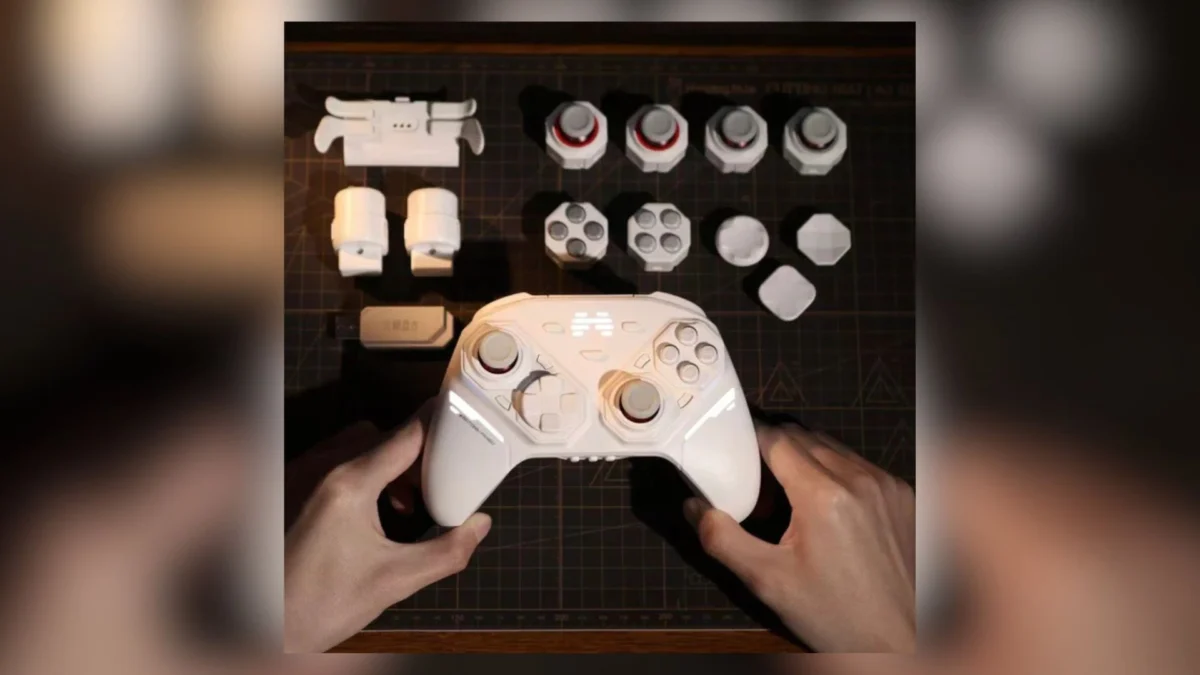
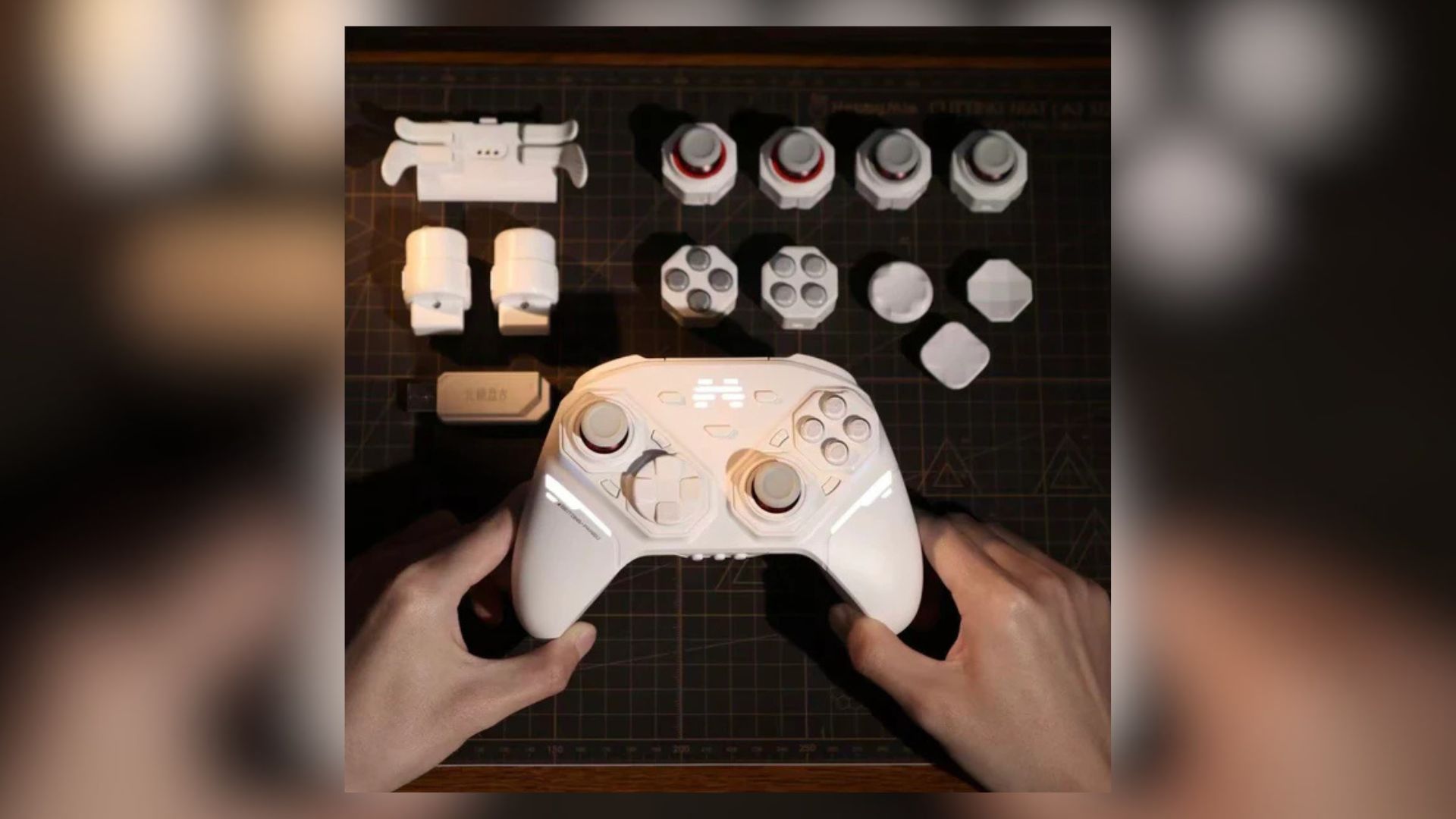
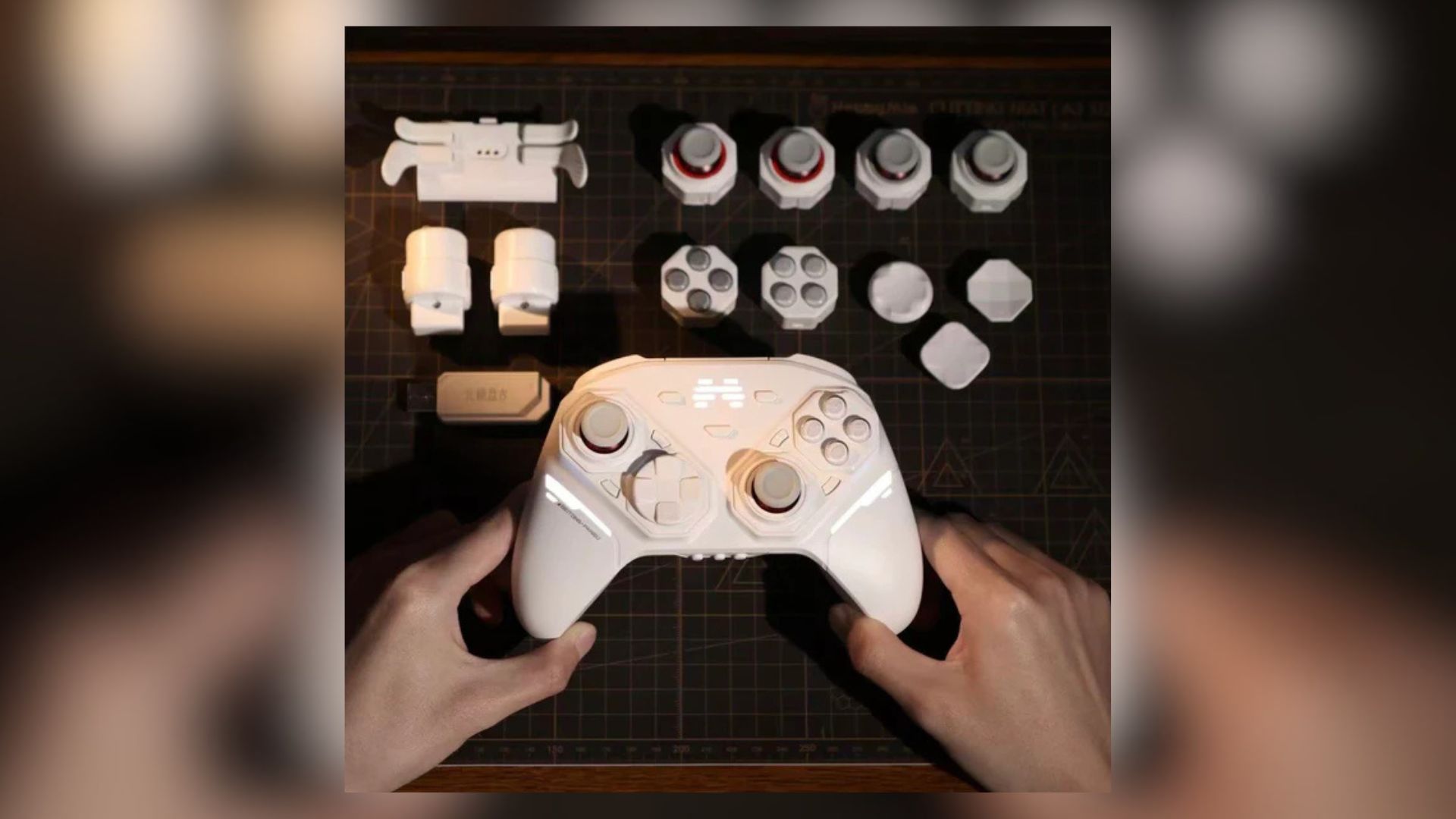
The controller allows users to swap out critical components on the fly, including:
- Joystick Modules: Easily removed via a dedicated release button.
- ABXY Button Layouts: Reconfigurable to match different gaming standards.
- Back Paddles: Adjustable for ergonomic preference or button remapping.
- Grip Shells: Interchangeable covers that offer varied textures and weights.
- Vibration Motors: Fully swappable, allowing users to remove them entirely if they prefer a lighter, esports-focused peripheral.
Technically, the device is no slouch. It features state-of-the-art TMR (Tunneling Magnetoresistance) joystick modules, which promise to eliminate the dreaded "stick drift" that plagues standard analog potentiometers. With support for 1,000 Hz polling rates in both wired and wireless modes, the PanGu is aimed squarely at competitive players who demand uncompromising responsiveness.
A Chronology of the PanGu’s Unveiling
The hype surrounding the PanGu began to build in late May 2026, when Beitong took to social media to showcase the controller’s "hot-swappable" capabilities. The viral nature of the demonstration video—showing a user pulling apart and rebuilding the controller in seconds—caught the attention of the tech community.
- May 2026: Initial reveal on X (formerly Twitter) showcasing the "LEGO-like" modularity.
- June 2026: Early retail listings begin to appear on specialty hardware platforms like GadgetHyper and MinixPC.
- July 2026: Initial reports confirm compatibility across Windows, Nintendo Switch, Android, and iOS platforms, signaling a broad target demographic.
While the controller is not yet a fixture on mainstream storefronts like Amazon, its appearance on niche import sites has sparked a flurry of discussion regarding its pricing, which currently fluctuates above the $100 threshold depending on the selected accessory bundle.
Supporting Data: Engineering and Performance
The engineering behind the PanGu is particularly fascinating when compared to the existing market leaders. The grip removal mechanism bears a striking resemblance to the hot-swappable battery or controller shell systems seen in high-end VR gear, such as the Meta Quest 3. This design choice serves a dual purpose: it allows for aesthetic customization and weight reduction. For professional players who find standard vibration motors to be a distraction, the ability to physically remove them is a significant value-add.
Furthermore, Beitong has integrated a software layer that attempts to bridge the gap between "hardware builder" and "casual user." When a module is swapped, the controller’s proprietary software allegedly detects the configuration change and suggests optimal button layouts. This is a level of integration rarely seen in modular controllers, which typically require manual remapping after hardware changes.
Comparative Analysis: The Competition
The PanGu enters a crowded field. The most direct competitor is the Turtle Beach Victrix Pro BFG Reloaded, a $200 behemoth that has long been the gold standard for modular controllers. However, the PanGu presents a distinct counter-argument:
- Tool-less vs. Tool-heavy: The Victrix Pro BFG often requires a micro-screwdriver to facilitate its most advanced configurations, whereas the PanGu emphasizes "pop-out" functionality.
- Price Point: At roughly half the price of the high-end competition, the PanGu provides a more accessible entry point for gamers who want modularity without the "premium" tax.
- Customization Depth: While the Victrix excels in durability, the PanGu leans into the "toy-like" versatility, inviting users to treat the controller as a project rather than a finished product.
Official Responses and Market Positioning
Beitong has positioned the PanGu as a direct response to the "planned obsolescence" of traditional controllers. By allowing users to replace only the specific component that fails—such as a worn-out joystick or a stuck button—Beitong argues that the PanGu has a longer lifecycle than any standard plastic-molded gamepad.
While there have been no official responses from major entities like Microsoft or Sony regarding this modular shift, the industry has clearly taken notice. The rise of companies like Beitong, Gamesir, and 8BitDo indicates that the "prosumer" market is no longer satisfied with the standard factory-issue controller. Consumers are demanding repairability and personalization, and the PanGu represents the most aggressive manifestation of this trend to date.
Implications for the Future of Peripherals
The success of the PanGu will likely hinge on two factors: long-term build quality and the availability of replacement modules. If the modules are proprietary and become difficult to source, the "modular" promise risks becoming a marketing gimmick. However, if Beitong creates an open ecosystem of parts—allowing users to mix and match modules over several years—they could fundamentally change how gamers invest in their hardware.
The design, while perhaps a bit "blocky" for those accustomed to the sleek curves of the Xbox Wireless Controller, reflects a deliberate choice: functionality over aesthetics. The industry is currently moving away from the "all-in-one" approach and toward the "modular toolkit" approach.
Final Verdict: A Bold Step Forward
As the PC gaming community continues to prioritize precision and longevity, the Beitong PanGu stands as a testament to the fact that innovation is currently happening in the third-party sector rather than the first-party giants.
While a $100+ price tag for a relatively unproven brand carries inherent risk, the PanGu offers features that even $200 controllers struggle to match in terms of user-friendliness. For the enthusiast who is tired of buying a new $70 controller every time a thumbstick develops drift, the PanGu is not just a peripheral; it is a long-term investment in modular gaming. Whether the market is ready to embrace this "LEGO-like" approach remains to be seen, but one thing is certain: the era of the static, unchangeable controller is coming to an end.












No comments yet. Be the first to join the conversation!