
 Pevita Pearce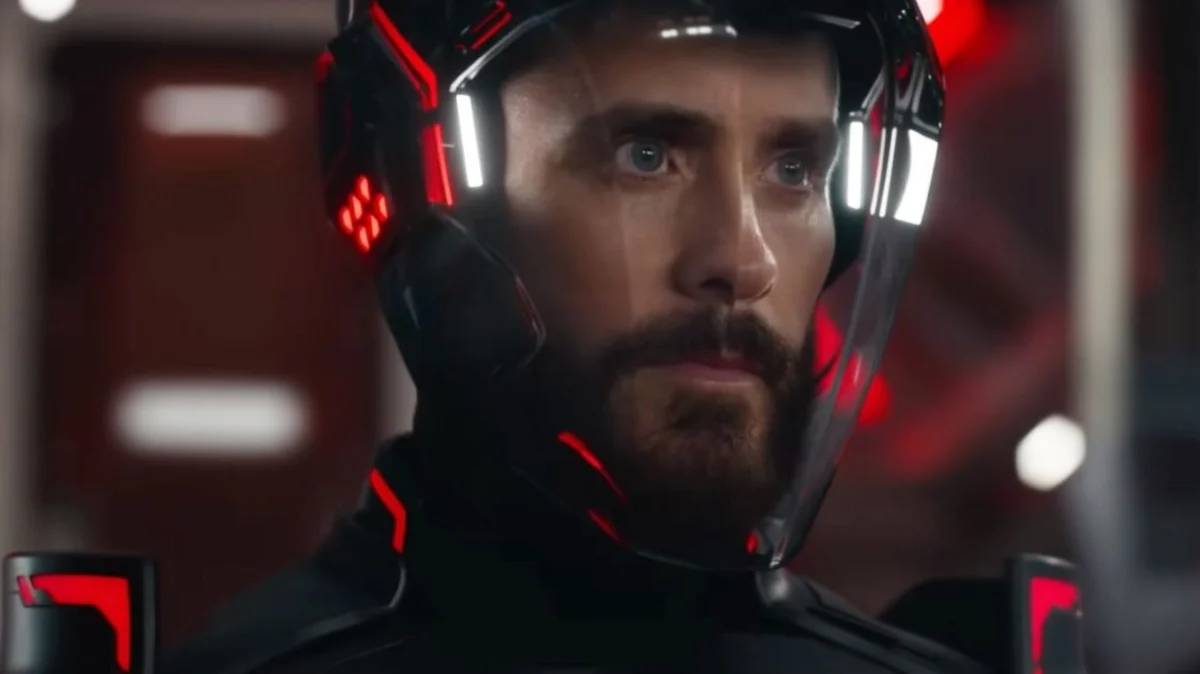
In the high-stakes ecosystem of modern Hollywood, few metrics carry as much weight as the "box office draw." Studios invest hundreds of millions of dollars into intellectual property, visual effects, and marketing, often banking on a marquee name to act as an anchor for global audience interest. However, over the past five years, a curious and concerning pattern has emerged involving one of the industry’s most recognizable faces: Jared Leto.
Once celebrated as a critically acclaimed actor with an Academy Award for his transformative work in Dallas Buyers Club, Leto has found himself at the center of a staggering string of commercial failures. While the film industry is inherently volatile, the sheer consistency of these underperformances suggests a disconnect between the actor’s high-profile status and his ability to convert that fame into theater attendance. From superhero spin-offs to legacy sequels and blockbuster ensembles, Leto’s name has become increasingly synonymous with projects that fail to meet their fiscal expectations.
A Chronology of Commercial Missteps
To understand the scope of the issue, one must look at the timeline of the 2020s—a period defined by seismic shifts in viewing habits, but also a period that has been particularly unkind to Leto’s filmography.
The Morbius Effect (2022)
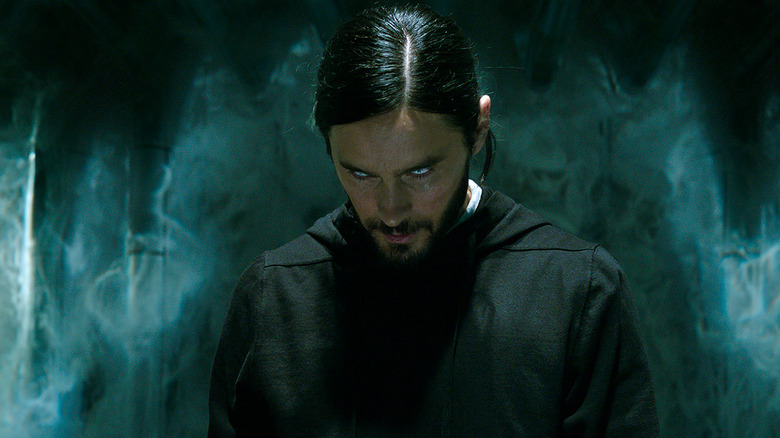
Sony Pictures’ attempt to leverage its Marvel rights outside of the Spider-Man MCU led to Morbius. Despite the weight of the Marvel logo, the film limped to a $167 million worldwide gross. While Sony eventually claimed the film was "profitable" when accounting for ancillary revenue streams like VOD and physical media, its theatrical run was a public relations and financial nightmare. Critics lambasted the film, and audiences largely stayed away, marking a significant blow to the viability of the studio’s "Spider-Verse" strategy.
The Haunted Mansion Misfire (2023)
Disney’s attempt to revitalize the Haunted Mansion brand failed to capture the magic of its predecessors. With a $150 million production budget, the film generated only $117 million globally. While Leto was part of an ensemble cast playing the Hatbox Ghost, his involvement in another high-budget tentpole that failed to recoup its investment only added to the narrative that his presence has become a signal for commercial trouble.
Tron: Ares and the 2025 Downfall
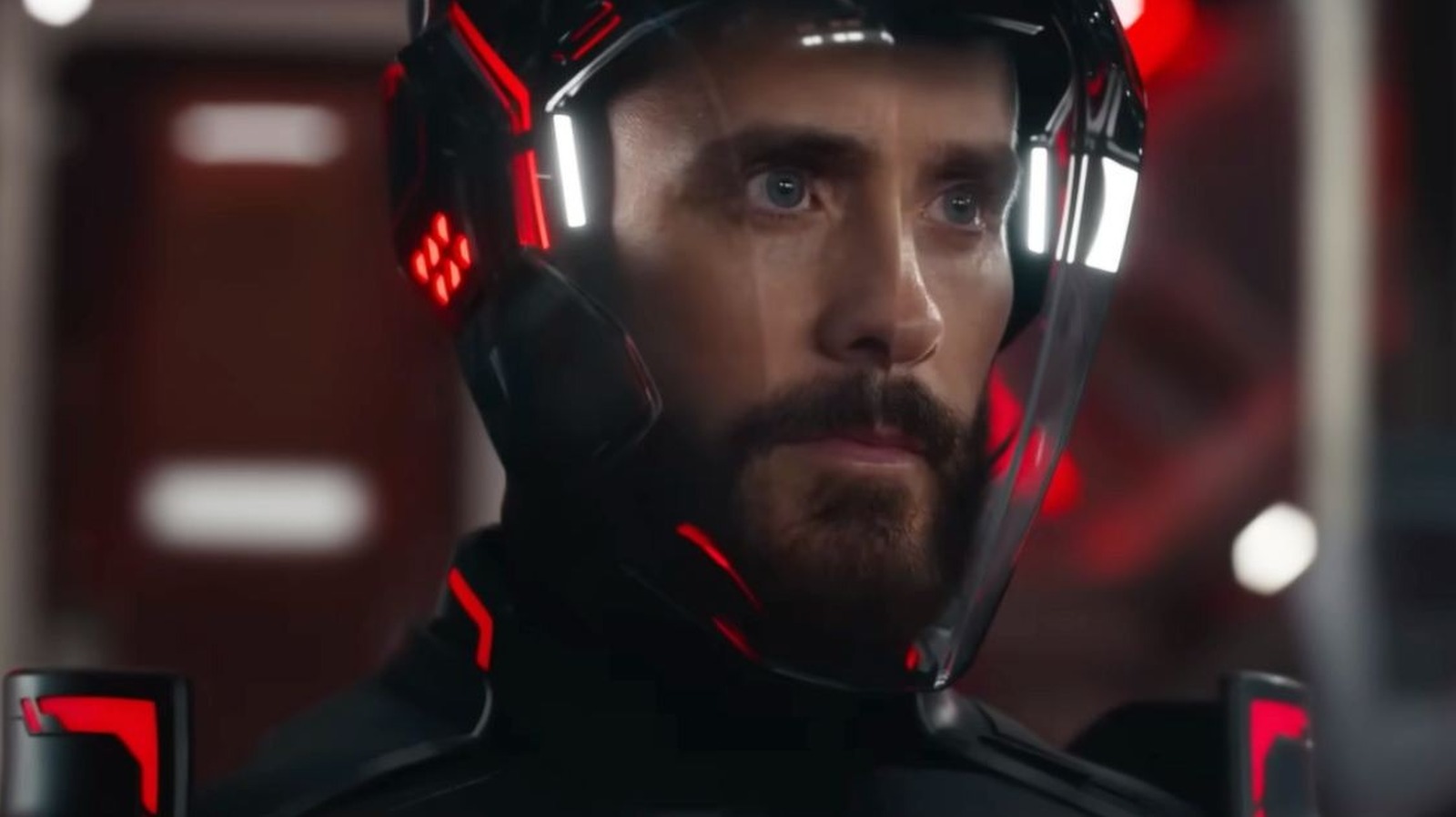
The highly anticipated sequel to Tron: Legacy arrived in 2025 with massive expectations and a budget exceeding $200 million. Instead of a box office juggernaut, the film concluded its run with a disappointing $142 million worldwide. As the lead, Leto was the face of the project, and the failure of Tron: Ares cemented the growing perception that his star power is no longer capable of carrying a tentpole franchise.
Masters of the Universe (2026)
Most recently, Amazon’s Masters of the Universe adaptation served as a stark case study in marketing challenges. With a budget of at least $170 million, the film has struggled to reach $112 million globally. Notably, Leto was largely absent from the promotional circuit for the film, a move that fueled speculation regarding whether studios are attempting to mitigate the "Leto effect" by hiding their lead actor from the public eye.
Supporting Data: The Decade of Disillusionment
The most damning aspect of Leto’s current trajectory is the lack of a genuine theatrical success in the last ten years. To find his last undeniable hit, one must look back to 2016’s Suicide Squad, which grossed $749 million worldwide. Even that victory is tempered by the fact that the film was critically reviled, and Leto’s portrayal of the Joker was met with significant backlash from comic book purists and mainstream audiences alike.
Prior to 2020, signs of this trend were already present. Blade Runner 2049 (2017), a film praised for its visual mastery, was a box office disaster, failing to earn back its $150–$185 million budget. Even the reshoots for Zack Snyder’s Justice League, which cost an additional $70 million to integrate Leto’s Joker, failed to move the needle in a way that justified the expenditure.
When we aggregate these numbers, the data suggests that Leto has become a high-risk investment. In an industry where "bankability" is the primary currency, he is increasingly operating at a deficit.
The Silence of the Studios: Marketing and Management
The most telling response from the industry isn’t a press release, but a strategic retreat. The deliberate exclusion of Leto from the marketing campaign for Masters of the Universe speaks volumes. In the world of blockbusters, the lead actor is usually the primary engine of the press tour. If a studio deems that their lead is a liability—or that his presence does not entice, but rather alienates—the marketing shifts to the brand or the supporting cast.
Furthermore, there is a mounting conversation regarding the personal controversies surrounding the actor. In June 2025, an investigative piece in Air Mail detailed allegations of impropriety involving multiple women. While Hollywood has historically ignored personal misconduct when a star is a consistent box office draw, the "juice" in this scenario is no longer "worth the squeeze." When an actor brings both a history of commercial failure and a shadow of reputational risk, the justification for hiring them becomes increasingly difficult to rationalize.
Implications for the Future of Hollywood
What does this mean for the future of the blockbuster? The "Leto Phenomenon" suggests that the era of the "movie star" as a guaranteed draw is fading. Audiences today are more likely to show up for an IP (like Barbie or Top Gun: Maverick) than for a specific actor. However, there is a corollary: if an actor becomes associated with a string of failures, they can actively detract from the perceived value of an IP.
1. The Death of the "Safe Bet"
Studios are becoming hyper-aware of the return on investment (ROI). For Leto, the path forward likely requires a pivot away from $200 million spectacles. His best work has historically occurred in mid-budget, character-driven dramas where the pressure of global box office dominance is absent.
2. The Shift in Casting Strategy
Casting directors are now tasked with analyzing not just talent, but the "cultural baggage" an actor brings. If a studio is risking $200 million, they cannot afford the risk of a lead actor who is perceived as "box office poison." We are likely to see a trend where high-budget franchises favor ensemble casts of rising stars rather than relying on a single, aging, or controversial anchor.
3. The Digital and Streaming Reality
As theatrical windows shrink, Leto’s future may lie in the streaming landscape. Platforms like Amazon, Netflix, and Apple TV+ operate on different metrics than traditional studios. For them, a project is a success if it generates subscriptions and "minutes viewed," rather than immediate ticket sales. This might provide a lifeline for an actor whose theatrical appeal has waned.
Conclusion
Jared Leto remains an enigmatic figure in cinema—a man of undeniable talent who, through a series of poor project choices and shifting audience tastes, has become a cautionary tale for modern Hollywood. The numbers are incontrovertible: his recent filmography represents a staggering loss of capital for major studios.
Whether he can rehabilitate his image as a bankable star remains to be seen. However, the current evidence is clear: the industry is no longer willing to bank on the Leto name to fill seats. In a business that thrives on the next big hit, Leto’s recent record serves as a stark reminder that in the eyes of the global audience, the star is only as valuable as their last success—and for Leto, that success is now a decade in the rearview mirror.


 Asep Darmawan




