

Japan’s architectural landscape is defined by more than just its skyline; it is shaped by an intimate, centuries-old dialogue between humanity and the forest. From the ancient, towering pillars of the Hōryū-ji Temple—the world’s oldest wooden structure—to the thatched-roof vernacular of Shirakawa-gō, Japanese wood architecture serves as a testament to a philosophy that views timber not merely as a resource, but as a living partner. Today, this tradition is experiencing a global renaissance, as international designers and architects look toward Japan’s unique blend of ancestral wisdom and modern innovation.
Main Facts: The Intersection of Nature and Craft
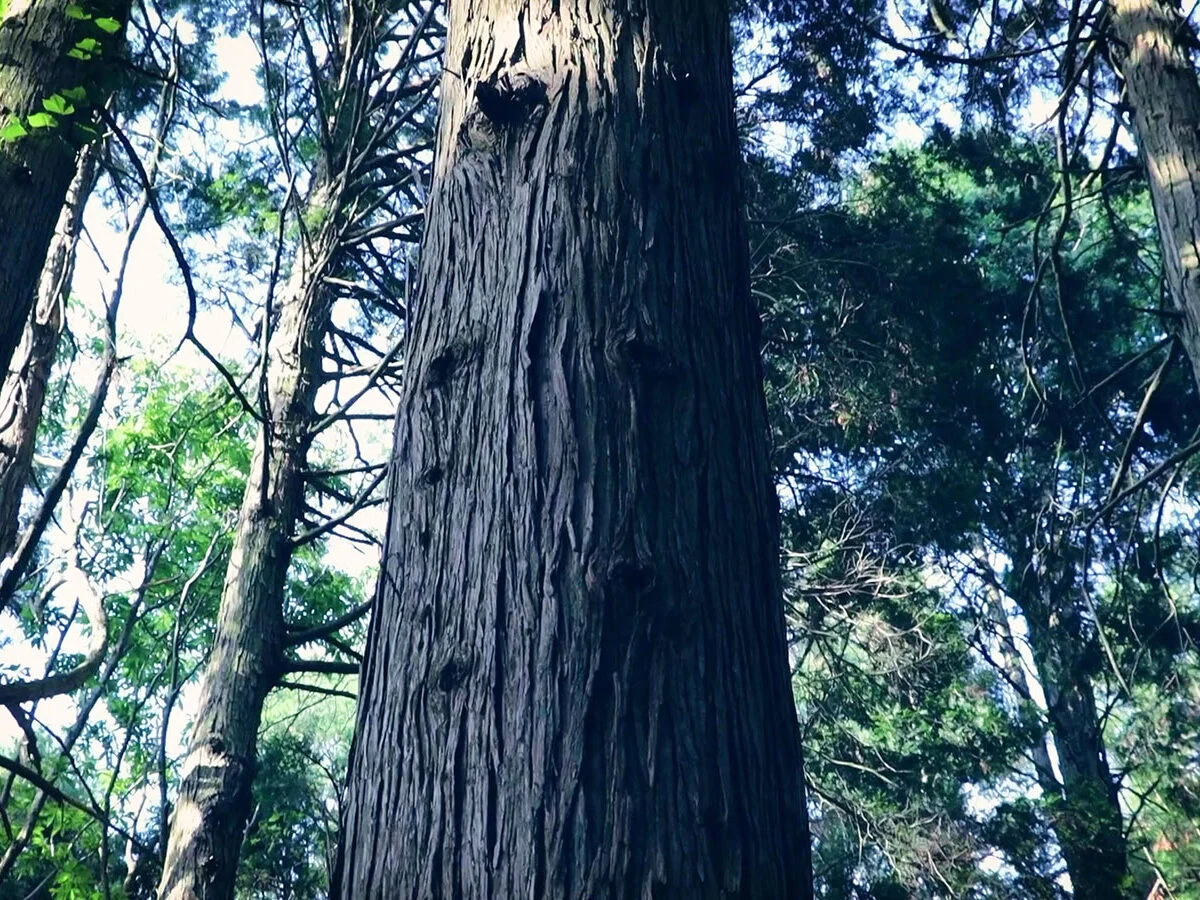
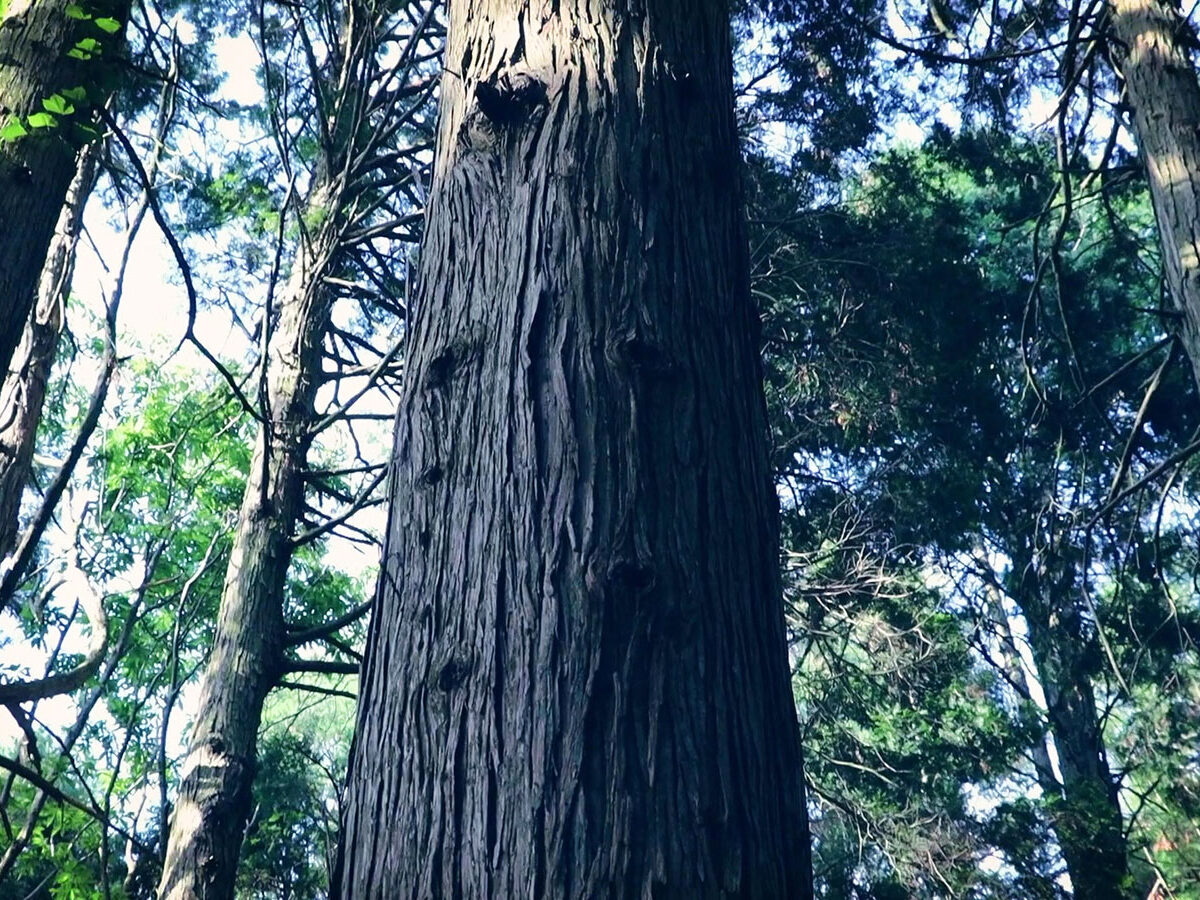
At the heart of Japanese wood culture is the belief that trees are sentient entities that require respect, careful stewardship, and precise handling. The industry relies on a diverse range of native species, most notably Japanese cedar (sugi) and Hinoki cypress (hinoki).
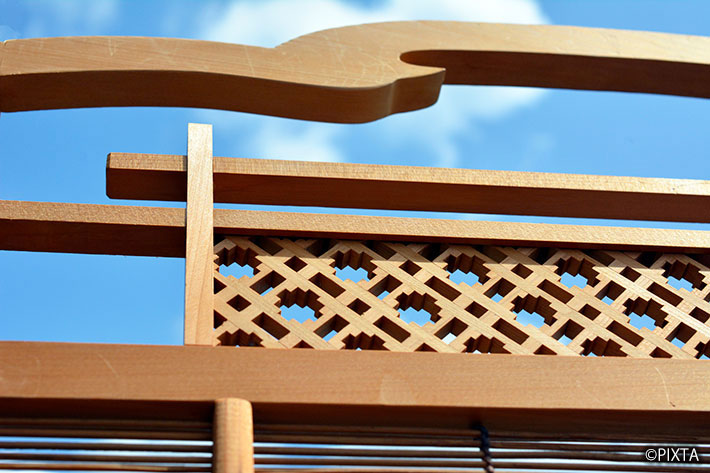
The technical superiority of Japanese woodworking is rooted in the absence of mechanical fasteners. Through complex joinery techniques—kigumi—carpenters assemble structures that can withstand Japan’s frequent seismic activity. These joints are flexible yet incredibly strong, allowing buildings to "breathe" and shift with the earth. This methodology has transcended domestic borders, influencing contemporary global architecture by demonstrating that high-performance, sustainable buildings can be achieved without relying on concrete and steel.
A Chronological Journey: From Ancient Roots to Modern Globalism
The story of Japanese wood is a timeline of adaptation.
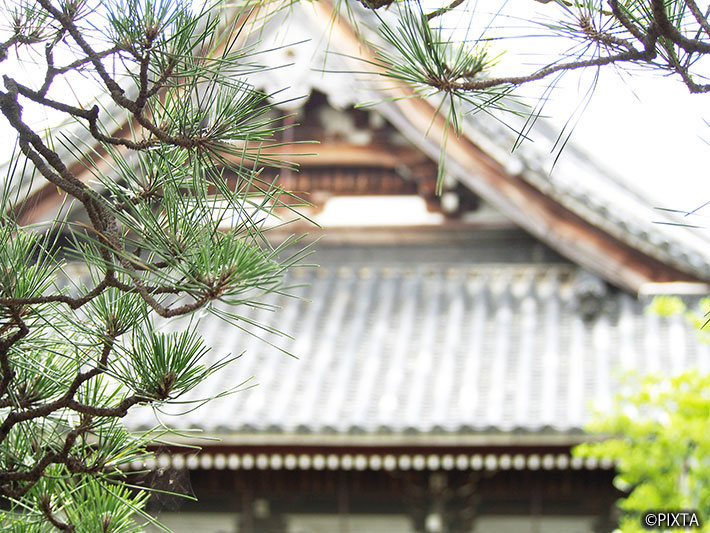
- 7th Century (Asuka Period): The construction of the Hōryū-ji Temple marked a turning point in East Asian architecture. Using cypress wood that has survived over 1,300 years, the temple proved that properly treated, high-quality timber could defy the erosive nature of time.
- Edo Period (1603–1867): Wood became the primary material for the burgeoning urban centers. The development of specialized hand tools—planes, saws, and chisels—reached a zenith, establishing the aesthetic of minimalism and precision that we associate with Japanese design today.
- Late 20th Century: The industrialization of construction posed a threat to traditional methods. However, a pivot toward sustainability began to emerge, with government initiatives emphasizing the importance of domestic forest management.
- Present Day: We are witnessing a "second wave" of interest. Digital design tools (CAD/CAM) are now being used to replicate complex, hand-cut joints at scale, bringing the beauty of traditional craftsmanship into the reach of international markets and large-scale architectural projects.
Supporting Data: The Science of the Senses
The appeal of Japanese timber is not purely aesthetic; it is deeply biological. Lead carpenter Adam Zgola, an expert who has spent years immersing himself in the Japanese craft, notes that the tactile and olfactory experiences of wood are fundamental to the Japanese living experience.
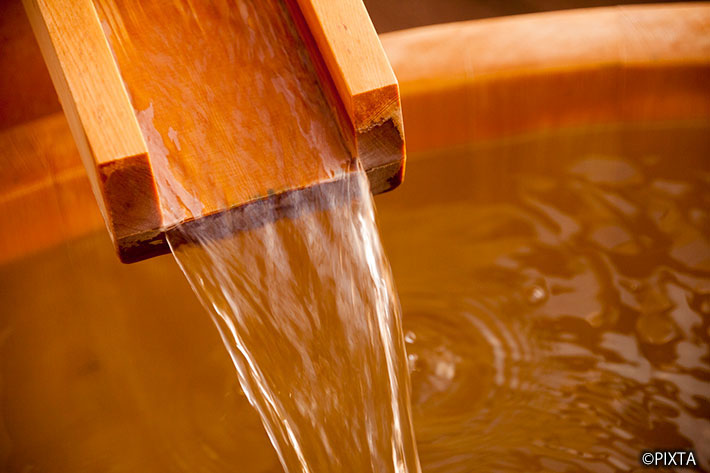
"Cedar has a gloss so it feels warm," Zgola explains. "Hinoki cypress is cool and lovely. It has a high oil content, making it naturally resistant to insects and moisture. You can smell that characteristic hinoki scent the moment you step into a traditional hot spring resort."
This is supported by studies in biophilic design, which suggest that the presence of natural wood in interior spaces lowers human heart rates and cortisol levels. In Japan, where the connection to nature is often formalized in the home through engawa (verandas) and wooden bathhouses, these materials are essential components of health and wellness.
Official Perspectives: Excellence Beyond Borders
The Japan Wood Products Export Association (JWPEA) has been instrumental in codifying and promoting these traditional techniques to an international audience. By documenting the work of master craftsmen, the association highlights that Japanese wood products are not just "materials"—they are precision-engineered components.

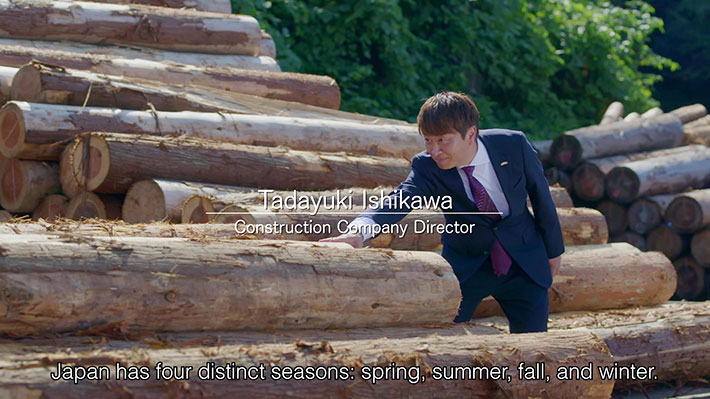
Tadayuki Ishikawa, a director at a prominent construction firm, argues that the global perception of Japanese wood is shifting from a niche interest to a gold standard. "If you look anywhere in the world," Ishikawa asserts, "the quality of Japanese building techniques—the precision of the fit, the selection of the grain, and the treatment of the wood—is simply unmatched."
This perspective is bolstered by the economic reality of the timber trade. As the world shifts toward carbon-neutral construction, the longevity of Japanese wood—which can last for centuries if maintained—positions it as an ideal candidate for sustainable development.

Implications: The Global Future of Japanese Woodcraft
The influence of Japanese woodcraft is currently rippling through the international furniture and interior design sectors. Tiffany Luk, an international sales executive, observes that modern global consumers are increasingly weary of disposable, mass-produced furniture.
"We are seeing a profound shift," Luk notes. "Furniture that combines classic Japanese joinery with modern, functional designs is gaining significant interest abroad. People are looking for pieces that tell a story, that age gracefully, and that represent a commitment to the environment."
This trend is not merely about importing furniture; it is about importing a philosophy. By integrating Japanese wood into global architecture, designers are adopting a "cradle-to-cradle" mindset. This includes:
- Sustainable Silviculture: Japan’s forest management practices ensure that for every tree harvested, the ecosystem is nurtured for the next generation.
- Resource Efficiency: Traditional craftsmanship minimizes waste. Every offcut has a purpose, a concept known in Japanese culture as mottainai (a sense of regret over waste).
- Durability as Ecology: The most sustainable building is one that does not need to be replaced. By utilizing timber that can endure for centuries, the Japanese tradition offers a viable alternative to the carbon-heavy lifecycle of modern synthetic building materials.
A Call to Discovery
For those interested in exploring this intersection of art, science, and ecology, the Japan Wood Products Export Association’s ongoing campaign offers a window into this world. Their documentary work serves as an invitation to architects, interior designers, and homeowners to reconsider their relationship with their living spaces.
As we move toward a future that demands greater environmental responsibility, the ancient techniques of Japan’s master carpenters offer more than just aesthetic beauty. They provide a blueprint for how we might live in harmony with the natural world. Whether through the installation of a hinoki soaking tub or the inclusion of cedar-paneled architecture in a new home, the adoption of Japanese woodcraft is a step toward a more sustainable, tactile, and meaningful existence.
In the end, the legacy of Japanese wood is not found in the museums of the past, but in the enduring, fragrant grain of the wood that continues to shape our present and future. It is a reminder that when human hands work in partnership with nature, the results are timeless.











