

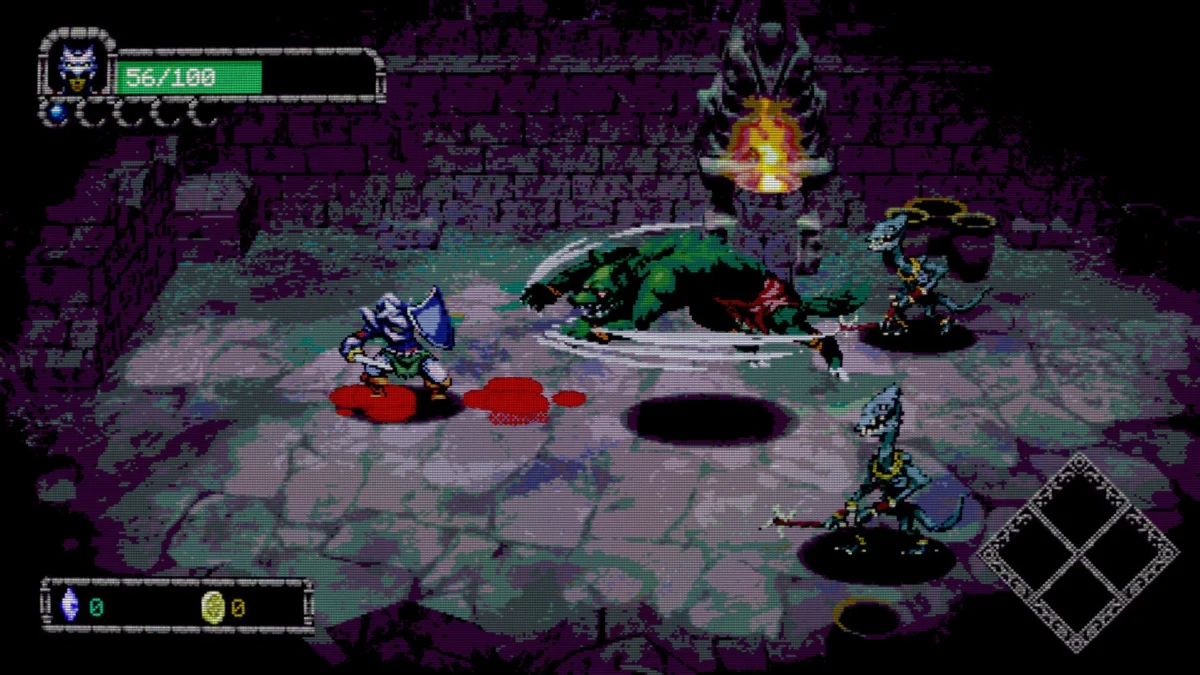
In the crowded landscape of modern independent gaming, the term "dungeon crawler" often conjures specific, rigid imagery: grid-based movement, turn-based decision-making, and a deliberate, often slow-paced adherence to tabletop sensibilities. Yet, a new title from 13AM Games, Dungeon Lurker, is looking to challenge those conventions. By fusing the atmospheric, dark-fantasy aesthetic of 1990s-era RPGs with the visceral, high-velocity combat mechanics of a classic beat-‘em-up, Dungeon Lurker promises to redefine what it means to delve into the depths.
The Genesis of the Concept: Bridging Genres
At its core, Dungeon Lurker acts as a stylistic bridge. For players who have historically found the turn-based nature of traditional dungeon crawlers—like Wizardry or Eye of the Beholder—to be too detached, this title offers a more tactile alternative.
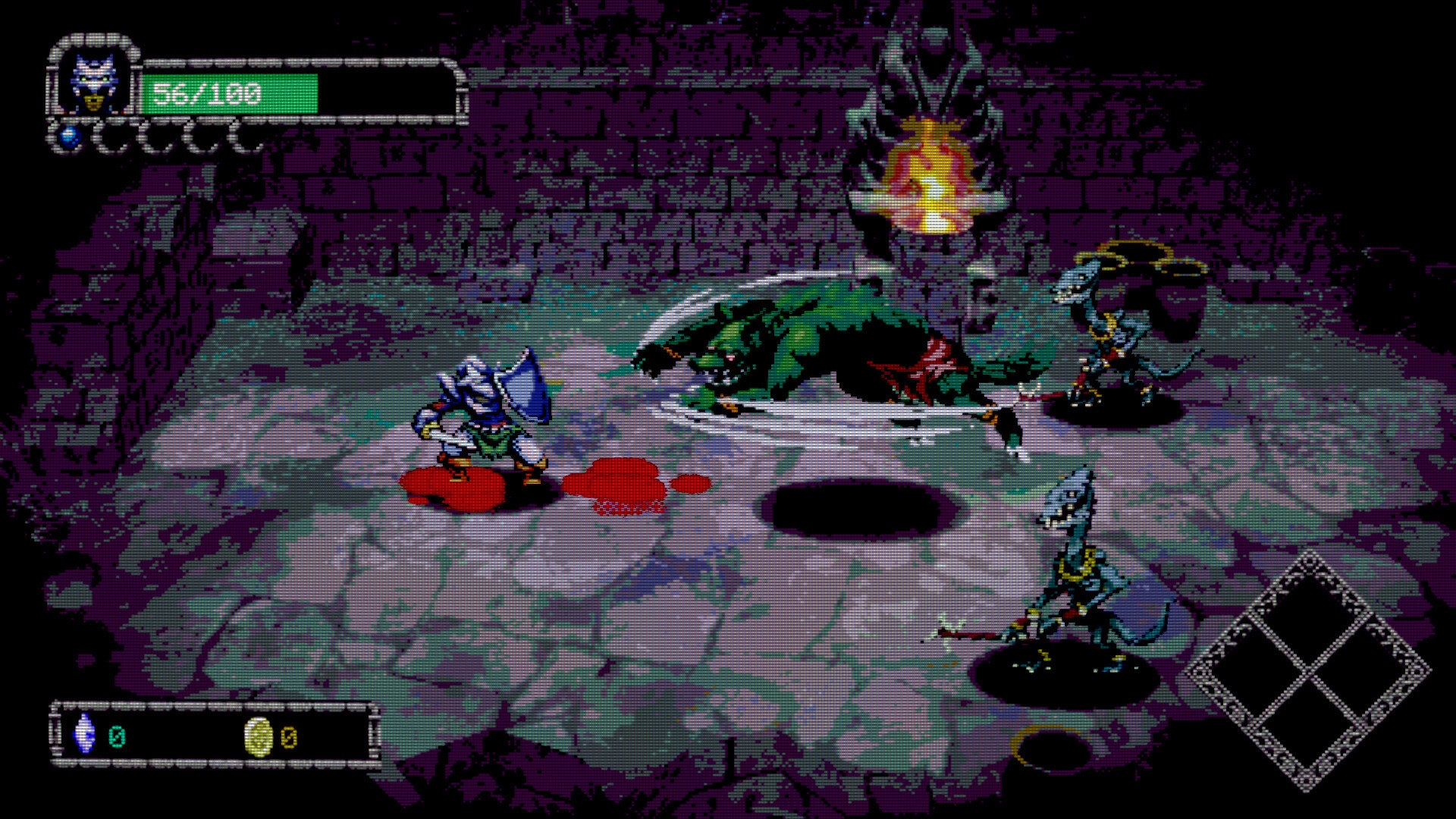
The game’s primary draw is its combat system. Rather than navigating through menus or calculating movement tiles, players engage in real-time skirmishes. The protagonist, a knight reminiscent of 90s dark fantasy box art, wields a sword and shield with a weight that developers emphasize through "hitstop"—the momentary freezing of animation upon impact that conveys force. The combat loop allows for combos that juggle enemies against walls, creating a kinetic flow that feels more akin to Streets of Rage or Final Fight than a traditional RPG.
Chronology of Development and Reveal
The development trajectory of Dungeon Lurker has been marked by a focus on "hand-crafted" integrity. In an era where procedural generation and AI-assisted asset creation are becoming industry standards, 13AM Games has made a bold, deliberate choice to move in the opposite direction.
- Initial Concept Phase: The studio focused on capturing the "crunchy" audio-visual identity of 90s dark fantasy. The intent was to marry the aesthetic of a bygone era with modern physics-based combat.
- The Combat Prototype: During the early prototyping phase, the team experimented with the "shield bash" mechanic, which serves as both a defensive tool and a crowd-control device. This became the foundation for the game’s flow.
- Announcement Trailer: The official reveal trailer, released recently, showcased the game’s signature pixel art style and the fluid, combo-heavy combat. It highlighted the juxtaposition between the gloomy, oppressive dungeon environment and the high-octane action occurring within it.
- Current State: The game is currently listed on Steam, with the developers actively inviting community engagement through wishlisting as they polish the final mechanics and narrative beats.
Supporting Data: Structure and Mechanics
Dungeon Lurker is not merely an action game; it is a roguelike with a structure that rewards persistent progression. While the combat is fast-paced, the meta-game is designed to keep players engaged over the long term.
The Roguelike Loop
While specific details regarding the roguelike systems are still being drip-fed to the public, the core loop is clear:
- Exploration: Players delve into dungeons, collecting spells, potions, and equipment.
- Surface Progression: Upon returning to the surface, players utilize the resources gathered during their run to upgrade their gear, enhance their charms, and boost their spell potency.
- The Hand-Crafted World: Unlike many contemporaries, Dungeon Lurker features over 30 unique, hand-crafted levels. By eschewing procedural generation, the developers aim to ensure that every encounter, trap placement, and secret is intentionally designed to challenge the player’s mastery of the combat system.
Audio-Visual Design
The "muddy, deep sound effects" mentioned in early impressions suggest a focus on sensory immersion. The sound design is meant to ground the player, making each sword swing feel heavy and each monster encounter feel dangerous. The pixel art follows suit, utilizing a palette of deep shadows and muted, earthy tones that emphasize the claustrophobic nature of the dungeon.
The Narrative Mystery: "Connected to Your Past"
Perhaps the most intriguing aspect of Dungeon Lurker is the underlying narrative mystery. Unlike many dungeon crawlers that prioritize gameplay over story, Dungeon Lurker hides a specific, potentially tragic secret.
The promotional material hints at a connection between the player character and a past event involving two figures: a child named Mikey and his companion, Gabriel. The developers have remained tight-lipped regarding the specifics of this relationship, but they have confirmed that the mystery of the dungeon is inextricably linked to the player’s own history. This adds an emotional layer to the dungeon-delving experience—it is not merely about loot and survival; it is about uncovering a buried truth.
Implications for the Genre
The release of Dungeon Lurker could have significant implications for how indie developers approach the dungeon crawler genre.
The Rejection of AI and Proceduralism
By committing to fully hand-crafted levels, 13AM Games is making a philosophical statement. There is a growing fatigue among players toward "infinite" content generated by algorithms. Dungeon Lurker positions itself as an antidote to this trend, suggesting that a curated, handcrafted experience provides a higher quality of challenge and atmosphere.
Hybridization as the New Standard
We are seeing a trend where genres are no longer siloed. By injecting beat-‘em-up mechanics into a roguelike framework, 13AM Games is expanding the potential audience for dungeon crawlers. If the game succeeds, it may encourage other studios to experiment with blending fast-paced action combat into genres that have traditionally been slower or more tactical.
The "90s Revival" Aesthetic
The game’s aesthetic, described as being "ripped straight from the cover art of a ‘90s era RPG," taps into the powerful nostalgia market. By modernizing the gameplay while retaining the visual grit of the 16-bit and early 32-bit eras, Dungeon Lurker appeals both to veteran gamers who grew up with these titles and to younger players drawn to the current "retro-renaissance" movement.
Looking Ahead: What to Expect
As the game moves toward its final release, the community will be watching closely to see how the roguelike progression systems balance against the rigid nature of hand-crafted levels. Will the game offer enough variety for repeated playthroughs without the randomness of procedural generation? How will the narrative about Mikey and Gabriel unfold within the confines of a dungeon-crawler structure?
For now, the game stands as a promising experiment in genre-blending. It is a title that respects the history of the dungeon crawler while refusing to be limited by its traditional constraints. For those interested in tracking the game’s progress, the official Steam page remains the primary hub for updates, trailers, and developer diaries.
In a market saturated with "more" content, Dungeon Lurker is betting on "better" content—focused, intense, and deeply atmospheric. Whether it can truly capture the lightning-in-a-bottle appeal of both the classic crawler and the modern action game remains to be seen, but the intent is clear: to ensure that the secrets waiting in the dark are worth the effort it takes to reach them.
Dungeon Lurker is currently in development. Prospective players are encouraged to wishlist the title on Steam to receive updates on the release schedule and further details regarding its unique combat and narrative systems.










No comments yet. Be the first to join the conversation!