Lina Hope
After a staggering 175-month wait—dating back to the release of the iconic HD Hero 2—GoPro has finally entered the wireless audio market. For over a decade, vloggers and action sports enthusiasts have relied on third-party workarounds, external adapters, and bulky setups to capture professional-grade audio on their GoPro cameras. With the 2026 launch of the GoPro Wireless Mic System, the company is attempting to close the loop on its ecosystem.
At a price point of $159 for the two-mic bundle, GoPro is entering a battlefield saturated with premium offerings from DJI, Rode, and Insta360. While the system offers undeniable convenience and solid sound quality, our review finds that it is a promising debut hampered by minor, yet fixable, software oversights.
Main Facts: What’s in the Box?
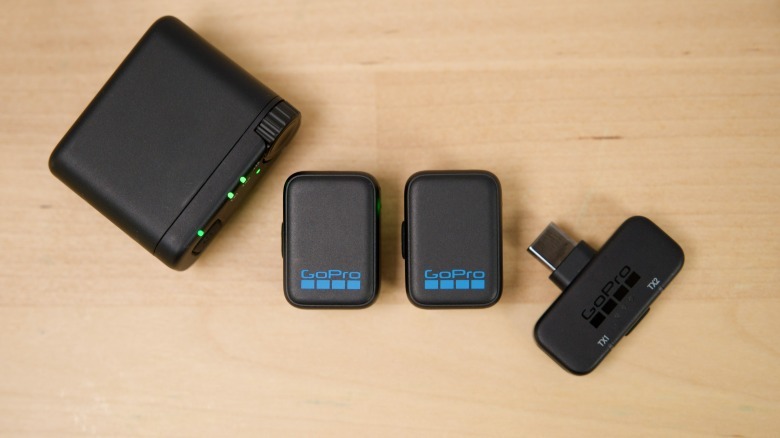
The GoPro Wireless Mic System is designed with modularity in mind. The core kit includes two lightweight wireless transmitters and two distinct receivers, ensuring compatibility across a wide range of devices.
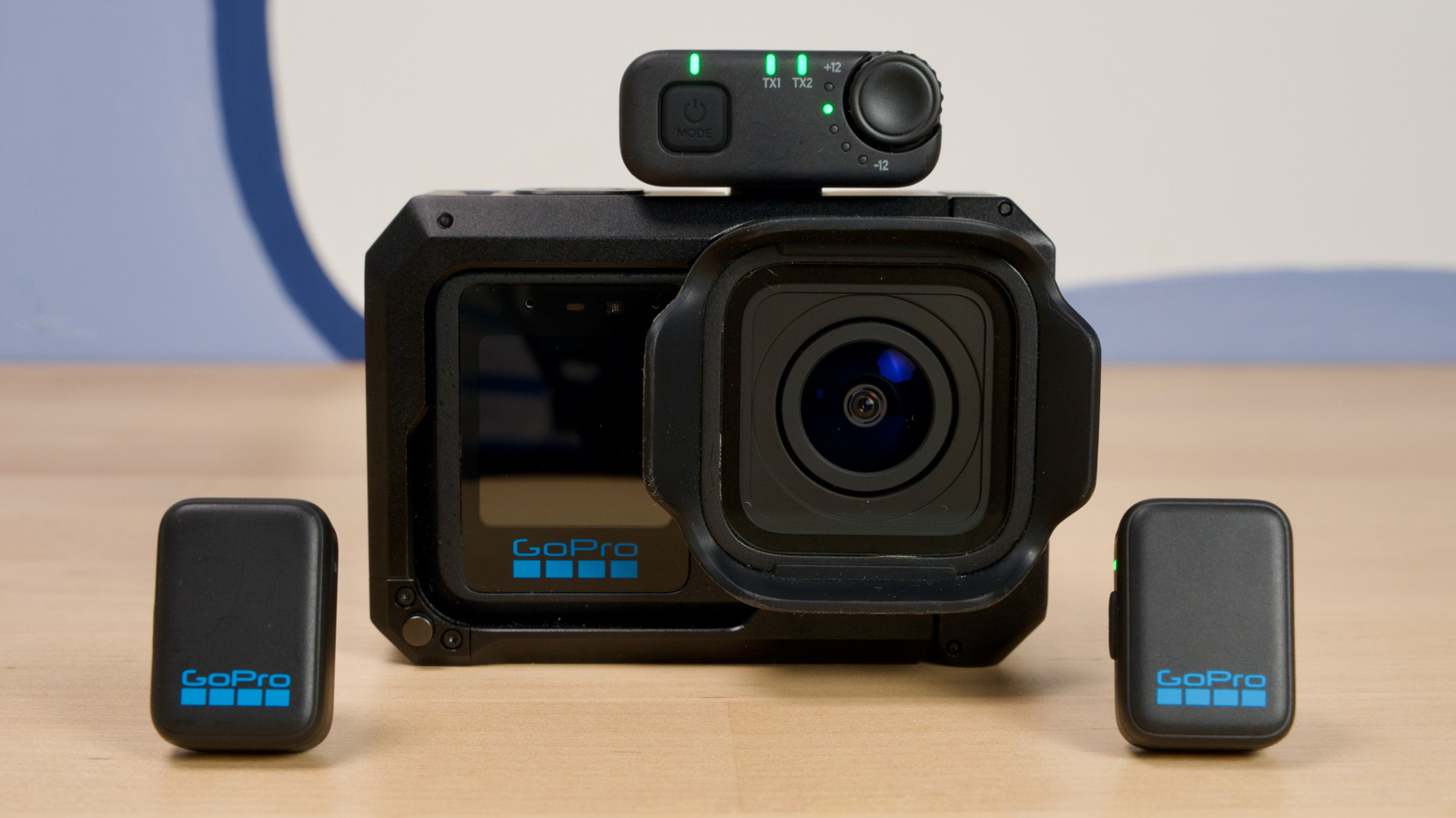
- The Transmitters: Weighing in at a mere 10g (0.3 oz), these microphones are exceptionally discreet. They feature built-in clips and magnetic mounts, making them easy to hide under clothing. Each unit provides roughly six hours of battery life.
- The 3.5mm Receiver: Designed for mirrorless and DSLR cameras, this receiver includes a 3.5mm headphone jack for real-time monitoring and a manual gain control dial.
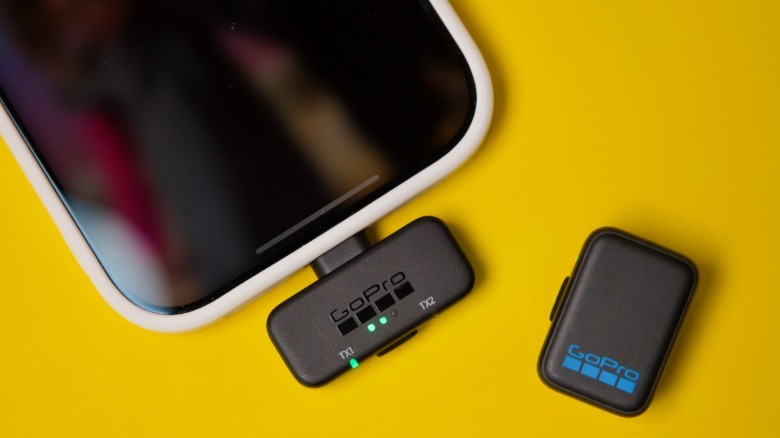
- The USB-C Receiver: A compact dongle designed for mobile devices, PCs, and, crucially, direct-to-GoPro connectivity.
- The Charging Case: A streamlined case that provides up to 20 hours of total runtime, maintaining a smaller physical footprint than most industry competitors.
A Chronology of Audio Frustration
To understand why this product matters, one must look at the history of GoPro audio. Since the early days of the Hero 2, the camera was clearly capable of high-fidelity 1080p (and later 4K) video, but the internal microphones were perpetually stifled by wind noise and the need for waterproof housing, which muffled sound.
For years, users were forced to purchase the "Media Mod" or use bulky 3.5mm adapters that compromised the camera’s sleek form factor. The industry shift began in earnest with the Hero 12, which finally allowed for direct Bluetooth audio connectivity. However, relying on Bluetooth meant sacrificing the stability and quality of a dedicated 2.4GHz wireless link. The 2026 Wireless Mic System represents the culmination of this evolution, finally providing a native, high-bandwidth solution that removes the "adapter tax" from the vlogging experience.
Supporting Data and Technical Performance
In our testing, the system demonstrated a clear superiority over the built-in microphones found on the GoPro Media Mod. In controlled office environments, the audio was crisp, focused, and exhibited a natural frequency response that handled vocal mid-tones well.
Noise Reduction Analysis
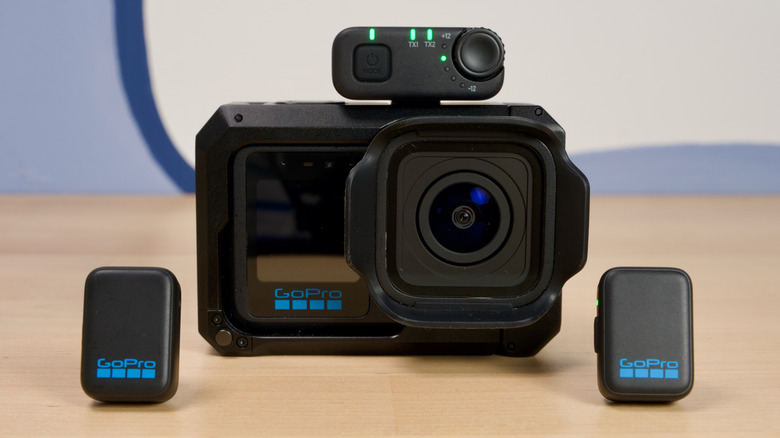
The system’s integrated noise reduction toggle is a standout feature. When used with a receiver, it effectively stripped away ambient hums—such as an office fan or low-level background air conditioning—without introducing the "underwater" artifacts common in cheaper consumer microphones. However, we noted that when using the system in its "Bluetooth-only" mode (connecting directly to the GoPro without a receiver), the noise reduction algorithm was less forgiving, occasionally introducing noticeable digital artifacts.
The "Split" Channel Conundrum
One of the most significant technical hurdles identified during testing involves the USB-C receiver. When both microphones are active, the system defaults to a "split" recording mode—sending one mic to the left channel and the other to the right. While this is standard for professional post-production, it creates a jarring experience for users who want to upload directly from their phone or camera without editing. Currently, there is no in-camera setting to force a mono-summed output, forcing creators to rely on third-party apps like Blackmagic Camera or manual editing software.
The Competitive Landscape
GoPro is not the first to the party. The market is currently dominated by:
- Rode (Wireless Go/Micro): The gold standard for many, though their kits often struggle with case compatibility when housing multiple receivers.
- DJI (Mic Mini/3): The primary rival. DJI’s integration with its own Osmo action cameras is seamless, and they currently hold an advantage in features like remote recording start/stop.
- Insta360 (Mic Pro): Offers high-end specs but sits at a different price point, often appealing to the pro-sumer market rather than the casual vlogger.
GoPro’s primary edge is, unsurprisingly, its native integration. The USB-C receiver is designed to fit the Hero camera’s recessed port perfectly, avoiding the "dongle-dangle" that plagues other third-party setups.
Implications for Content Creators
The release of this system signals a strategic pivot for GoPro. By addressing the "audio gap," the company is positioning the Hero series not just as an action cam, but as a legitimate, all-in-one vlogging rig. For the creator who values a "run-and-gun" workflow, the ability to pack a tiny, fast-charging audio system that works natively with their camera is a major selling point.
However, the lack of "32-bit float" recording—a feature becoming standard in the audio industry for preventing clipped audio—is a missed opportunity. Similarly, the inability to trigger the camera’s shutter button from the microphone itself is a feature that creators have grown to expect from DJI products, and its absence here feels like an oversight that limits the "all-in-one" experience.
Conclusion and Future Outlook
The GoPro Wireless Mic System is a robust, well-engineered, and highly portable solution that will undoubtedly satisfy the majority of the GoPro user base. Its sound quality is a significant step up from previous native audio solutions, and its physical design is top-tier.
Yet, the product feels like it is version 1.0. The UI quirks—such as the single VU meter on the GoPro screen when two mics are active—and the lack of an in-camera mono-summing option suggest that the software is still catching up to the hardware.
The Verdict: If you are a dedicated GoPro user, this system is a must-buy for the sake of convenience and workflow speed. However, for those who demand advanced professional features like 32-bit float or remote camera control, the current iteration leaves room for improvement. With a few firmware updates, GoPro could easily turn these "fixable flaws" into a market-leading ecosystem. For now, it is a strong, competent, and highly necessary addition to the vlogger’s toolkit, ensuring that GoPro no longer feels like the "odd one out" in the high-stakes world of digital content creation.

 Laily UPN
 Nila Kartika Wati