In the annals of crowdfunding history, few cautionary tales are as protracted or as polarizing as Project Phoenix. What began in 2013 as a beacon of hope for fans of Japanese role-playing games (JRPGs)—promising a "AAA" experience built by industry veterans—has devolved into a decade-long exercise in broken promises, radio silence, and a revised development roadmap that stretches toward 2031. After seven years of absolute silence, the project’s lead, Hiroaki Yura, has finally broken his vow of secrecy, offering a glimpse into a project that has become a synonym for "vaporware" in the gaming community.
A Legacy of High Expectations
When Project Phoenix launched its Kickstarter campaign in 2013, it was positioned as a revolutionary title. It promised to marry the sensibilities of classic Japanese RPGs with modern, high-fidelity development standards. The allure was bolstered by the participation of legendary composer Nobuo Uematsu—the man behind the iconic scores of the Final Fantasy series—and a team that boasted experience on major industry franchises.
The community responded with overwhelming enthusiasm, pledging over $1 million to bring the vision to life. The initial development timeline was ambitious, with a projected release date in 2015. At the time, the project seemed like the perfect proof-of-concept for the viability of indie-funded, high-budget JRPGs. However, the reality of game development, coupled with mismanagement and shifting priorities, would soon dismantle those early promises.
Chronology of a Disappearing Act
The downfall of Project Phoenix did not happen overnight; it was a slow, agonizing erosion of trust.
- 2013: The Kickstarter campaign successfully secures over $1 million, far exceeding its initial funding goal.
- 2015: The original target release date passes without a game. The development team officially announces a delay, pushing the window back to 2018.
- 2018: The new deadline comes and goes. The studio falls into a pattern of sporadic communication that eventually ceases entirely.
- 2019: Any semblance of a public development cycle evaporates. The project’s official channels go dark, leading many backers to assume the project had been quietly canceled.
- 2024: Following a seven-year void, Hiroaki Yura finally issues a private update to backers, which subsequently leaks to the public via ResetEra.
This seven-year "blackout" period remains one of the most significant breaches of trust in crowdfunding history. During this time, the project essentially vanished from the public consciousness, save for occasional inquiries from frustrated backers demanding refunds or status reports.
The July 2024 Re-emergence: A Confession
On July 7, 2024, the silence was finally broken. In a candid, if belated, message to his backers, Yura addressed the elephant in the room with startling honesty.
"It has been seven years since my last update," the message read. "I’m not going to soften that or bury it down the page. You backed this project, you trusted me with it, and then you heard nothing for a very long time. That silence is mine to answer for."
Yura’s explanation for the silence centered on a self-imposed "rule" that he would only update backers if he had something "worth showing." In retrospect, he admitted that this was a catastrophic failure of judgment, noting that "a plain ‘we’re still working, slowly’ would have been far better than nothing."
Defending External Work
One of the primary grievances voiced by backers over the last decade was the perception that Yura and his team were prioritizing other commercial projects while Project Phoenix sat on the back burner. Yura addressed this head-on, acknowledging that he had indeed shipped other games during the hiatus. However, he maintained a strict defense regarding the financial integrity of the project, asserting that "no money from the Kickstarter went towards the other games."
Whether this satisfies the thousands of backers who feel their investment was effectively used to subsidize the developer’s career in other areas remains a point of intense debate.
Supporting Data and Current State
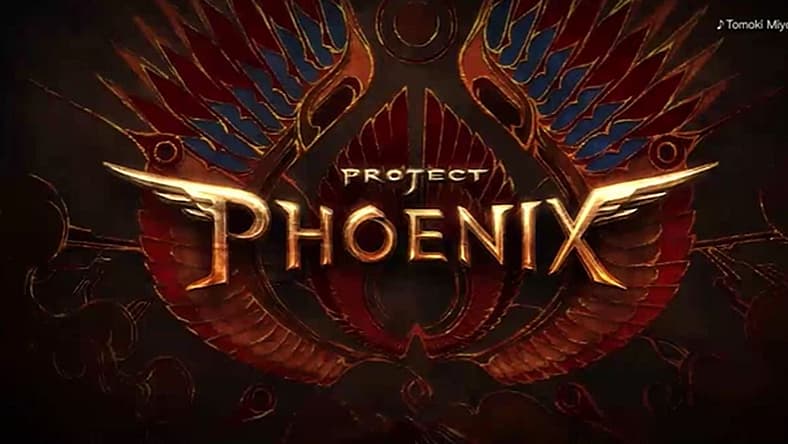
To provide a veneer of legitimacy to his update, Yura shared tangible assets that have been in development. This included the finalized main theme by Nobuo Uematsu, which was made available to backers for download, and a roughly two-minute video demonstrating the current "lookdev" and prototype state of the game.
In a supplemental interview with Video Games Chronicle (VGC), Yura provided gameplay footage that illustrates a vastly different aesthetic than the one pitched in 2013. The footage, while technically functional, highlights the massive disconnect between the original pitch and the current reality of the project.
The 2031 Horizon
Perhaps the most jarring aspect of the update is the revised production timeline. Yura stated, "I am not going to hand you a release date I can’t keep… We are aiming to finish production at the end of 2031."
By the time 2031 rolls around, the project will have been in development for 18 years. In the fast-moving landscape of video game technology, the tools, engines, and design philosophies that were cutting-edge in 2013 will be nearly two decades old. This raises the question: is the game still relevant, or is the team simply trying to fulfill a moral obligation to complete a project that has long since outlived its era?
Implications for the Crowdfunding Model
The Project Phoenix saga serves as a definitive case study in the risks of crowdfunding. The platform, originally designed to empower creators, has often been exploited by developers who either lack the project management skills to execute their vision or who underestimate the sheer logistical weight of delivering a game.
The Erosion of Backer Trust
The primary implication here is the damage done to the ecosystem of independent funding. When high-profile projects like this fail to communicate, it creates a "chilling effect." Potential backers are less likely to support future indie developers, fearing that their money will vanish into a void of poor management and broken communication.
Accountability and Transparency
Yura’s decision to open a Discord server for direct communication with backers is a step toward accountability, though critics would argue it is a case of "too little, too late." The move acknowledges that the traditional update model—the email blast—is no longer sufficient for managing the expectations of a long-term community. By allowing for a more conversational, albeit potentially volatile, channel of communication, the team is attempting to rebuild the bridge they burned.
Conclusion: A Moral or Financial Debt?
As the community processes the news that Project Phoenix is aiming for a 2031 conclusion, the sentiment among original backers remains divided. Some are appreciative of the admission of guilt and the finally delivered assets. Others see the 2031 date as an admission of failure disguised as a roadmap—a way to keep the project "technically active" to avoid legal or platform-based repercussions.
Hiroaki Yura ended his message with a poignant, if desperate, plea: "To everyone still here after all this time, thank you. I don’t take it lightly, and I intend to earn back the trust you put in me."
Whether he can "earn back" that trust after nearly two decades of silence is doubtful. Project Phoenix is no longer just a game; it is a cautionary tale about the perils of ambition without execution, and a reminder that in the world of game development, the most important asset isn’t a million dollars or a legendary composer—it’s the integrity of the promise made to those who believe in the vision. For now, the world watches, waits, and wonders if, by 2031, there will be anyone left who cares to play the result.