Asep Darmawan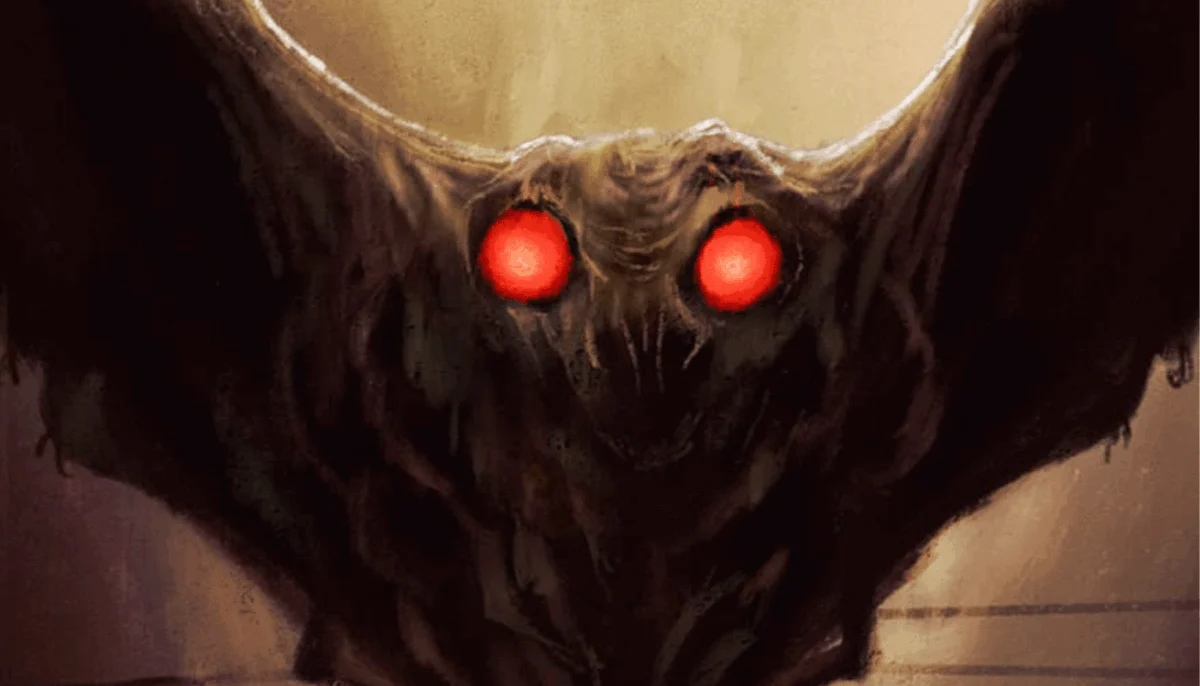
A few months ago, the internet was brought to a standstill by the emergence of "Jimothy." Initially whispered to be a new, undiscovered species of cryptid spotted scuttling through the urban greenery of Seattle, the truth was far more grounded: Jimothy was simply a raccoon suffering from a spinal deformity. Yet, in a testament to the modern era’s desperate need for mystery, the public didn’t turn away. Instead, they embraced the creature, immortalizing him with his own official Dungeons & Dragons stat block as "Jimothy, Beloved Cryptid."
This cultural moment highlights a growing appetite for cryptozoology and its darker cousin: cryptid horror. Whether fueled by the genuine mystery of the unknown or the thrill of potential danger, readers are increasingly turning to literature to explore the terror that lurks just outside the reach of scientific classification.
Defining the Cryptid: Science vs. The Unexplained
To understand the appeal of this genre, one must first define the subject. Strictly speaking, a cryptid is an animal whose existence remains unconfirmed by conventional science. These are the creatures that dwell in the periphery of our maps—Bigfoot, the Loch Ness Monster, the elusive Bunyip, and the fearsome Jersey Devil.

However, the definition has expanded. In the public consciousness, "cryptid" now frequently encompasses the supernatural, the anomalous, and the biologically impossible. As Judith Tarr explores in her comprehensive SFF Bestiary series, the history of cryptids is a tapestry of folklore, misidentified fauna, and genuine, bone-chilling encounters that have defied rational explanation for centuries.
A Chronology of Cryptid Proliferation in Horror Literature
The intersection of cryptozoology and horror has a long, storied history, but it has seen a sharp resurgence in the last decade.
- Mid-20th Century: The roots of the genre lie in creature features and pulp magazines, where "monsters of the week" served as stand-ins for Cold War anxieties.
- The 2000s: With the advent of the high-speed internet, the "Montauk Monster" phenomenon of 2008 signaled a shift. When a strange, hairless carcass washed up in New York, the debate over its identity—raccoon versus something more sinister—captivated millions.
- 2010s to Present: Literature has moved away from simple "monster movies on the page" toward more nuanced, atmosphere-heavy narratives. Authors like Max Brooks and Christina Henry have elevated the genre, using the cryptid as a lens through which to examine social isolation, trauma, and the fragility of the human condition.
Supporting Data: Five Essential Cryptid Horror Novels
The following five novels represent the pinnacle of modern cryptid fiction. They blend the visceral terror of "teeth and claws" with deep, thematic exploration.

1. Crota by Owl Goingback
In the quiet town of Logan, Missouri, Sheriff Skip Harding faces an unprecedented threat. After a series of grisly, impossible mutilations are discovered, the town is forced to confront a reality that defies logic. While local authorities initially suspect a bear, Game Warden Jay Little Hawk recognizes the handiwork of the Crota—a subterranean terror released by a seismic event. This novel is not merely a creature feature; it is a profound dive into Native American mythology and the claustrophobic dread of exploring the unknown deep below the earth’s surface.
2. The Montauk Monster by Hunter Shea
Inspired by the 2008 viral sensation, Hunter Shea’s The Montauk Monster leans into the "pure pulp" aesthetic. In this narrative, a pack of bizarre, hyper-aggressive creatures turns a sleepy seaside town into a slaughterhouse. Shea masterfully balances the gore with an escalating sense of dread, introducing a biological threat: a disease transmitted by the creatures that turns the horror into a race against a slow, painful transformation. It is a reminder of why we fear what we cannot identify.
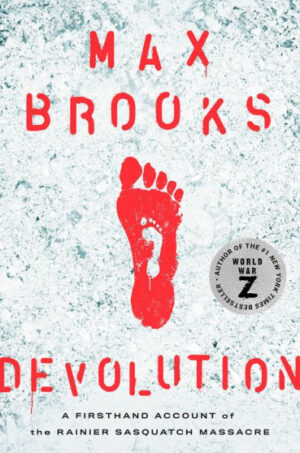
3. Devolution by Max Brooks
Max Brooks, best known for his reinvention of the zombie genre, takes on the king of all cryptids: the Sasquatch. Devolution utilizes a "mixed media" format, presented as the recovered diary of Kate Holland, a resident of the ill-fated Greenloop eco-community. When a volcanic eruption traps the residents in the wilderness, they are forced to contend with a group of territorial, highly intelligent, and lethal Sasquatch. The book is a biting satire on modern lifestyle choices, but it remains, at its core, a terrifyingly sincere survival horror.

4. Near the Bone by Christina Henry
Christina Henry crafts a chillingly atmospheric tale set on a snowy, isolated mountain. The protagonist, Mattie, is trapped in an abusive marriage, living in the shadow of a monster that stalks the woods. When a group of cryptozoologists arrives to track the beast, the narrative becomes a tense struggle on two fronts: the creature in the snow and the human monster in the cabin. Henry uses the "less is more" approach, keeping the beast in the shadows to maximize the psychological toll on the reader.
5. Below by Laurel Hightower
Focusing on the legend of the Mothman, Below is less of a standard monster attack and more of a journey of internal resilience. After a tragic accident leaves Addy stranded in a snowstorm, she finds herself hunted by more than just the Mothman. The novella uses the cryptid as a metaphor for the external forces—and the baggage of past trauma—that threaten to consume us. It is a haunting exploration of how one finds the strength to survive when the world literally turns against them.
Official Responses and Scientific Skepticism
The scientific community maintains a rigorous skepticism regarding cryptids. Official organizations, such as the International Society of Cryptozoology (though currently defunct), have long faced the "proof dilemma." Without a "type specimen"—a biological body—science cannot formally recognize a species.
However, many cryptozoologists argue that the absence of evidence is not evidence of absence. The discovery of the Coelacanth in 1938—a fish thought to have gone extinct 66 million years ago—serves as the primary argument for those who keep searching. The "official" response to most sightings remains: misidentification, hoax, or natural decomposition of known species (like the Montauk Monster’s raccoon). Yet, this skepticism only fuels the literary imagination, allowing authors to play in the gap between what is known and what is possible.
Implications: Why We Need the Monster
The enduring popularity of cryptid horror has profound implications for our culture. In an age where we have mapped the globe via satellite and can identify almost any organism with a simple DNA test, the "mystery" has been largely eradicated.
Cryptids represent the last bastion of the truly unknown. They allow us to project our fears—of nature, of the wilderness, of the things we cannot control—onto a canvas that is just blurry enough to be whatever we fear most. Whether it is the loneliness of the woods, the corruption of our institutions, or the fragility of our own bodies, the cryptid is a mirror.

As readers, we don’t just want to be scared; we want to be reminded that the world is bigger, stranger, and more dangerous than the spreadsheets and algorithms of our daily lives suggest. Jimothy the raccoon may have been a simple, sad case of a spinal deformity, but he reminded us that we want to believe. We want there to be something in the woods, something in the water, and something waiting just beyond the edge of our understanding. As long as there is an unknown, there will be stories, and as long as there are stories, the monsters will continue to thrive in the dark.

 Siti Muinah
 Basiran