Siti Muinah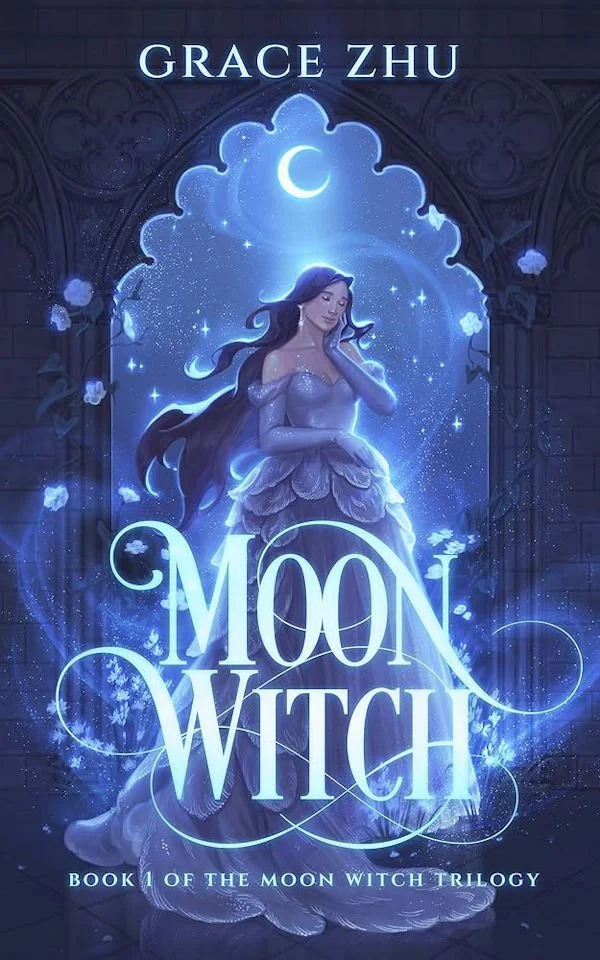
By the Editorial Team
May 1, 2026
As the calendar turns to May, the literary community finds itself deep in the trenches of the 11th annual Self-Published Fantasy Blog-Off (SPFBO). Today marks a significant milestone in our evaluation process: we are bidding farewell to our second group of five contestants. In the high-stakes arena of self-published fantasy, where thousands of voices compete for recognition, the SPFBO serves as both a crucible and a launchpad.
Our mission remains steadfast: to read, review, and evaluate a sprawling selection of independent works with the aim of identifying the standout titles that will eventually advance to our semi-finals. As we release this second wave of contenders from the competition, we take this opportunity to reflect on the nature of subjective criticism and the enduring spirit of the indie author community.
The Philosophy of the Blog-Off
Before delving into the specific critiques of this round’s eliminations, it is essential to reiterate the core tenets of our judging process. We do not approach this contest with a rigid rubric of “worst to best.” Our reading order is randomized, and our process is designed to be organic. We evaluate titles in batches of five, moving toward the semi-finals only when we have identified the strongest narratives that resonate with our diverse panel of experts.

It is a fundamental truth of the literary world that reading is entirely subjective. A narrative flaw to one reader may be a stylistic preference to another. The books we choose to set aside today are not failures; they are simply stories that did not align with our specific panel’s current sensibilities. We encourage our readers to look past our decision to eliminate these titles and explore the synopses provided. What we leave behind may well be another reader’s next five-star obsession. We extend our deepest gratitude to every author who submitted their work; the bravery required to submit a manuscript to public, critical scrutiny is the lifeblood of this competition.
Chronology of the Second Five
The following titles were evaluated over the past month. Despite finding moments of brilliance in each, our panel ultimately decided that these entries would not be progressing to the next stage of the SPFBO 11.
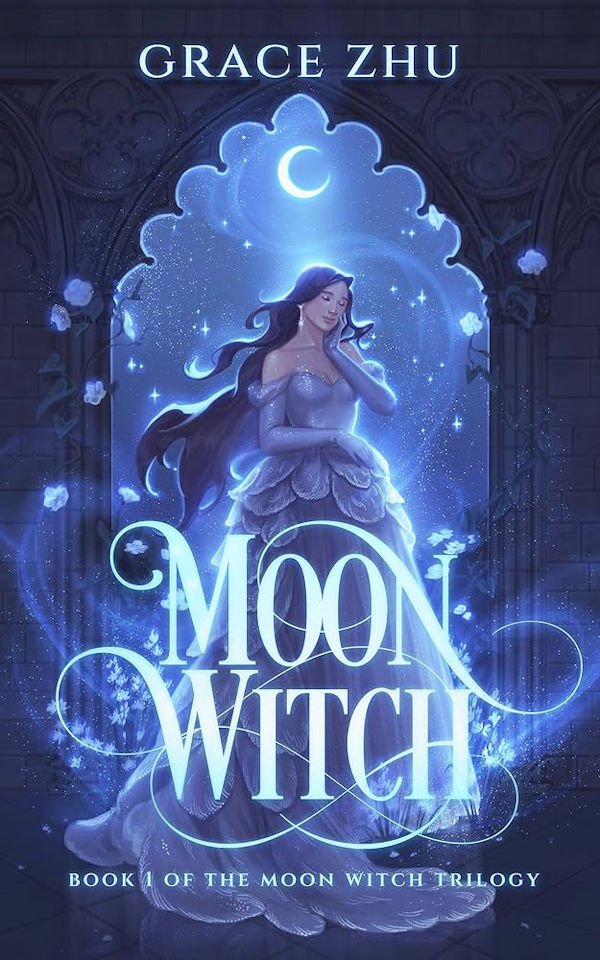
Moon Witch (Moon Witch, #1) by Grace Zhu
Grace Zhu’s portal fantasy presents a compelling premise: a photographer and her best friend discover a hidden realm of witches after stumbling through a portal in an abandoned manor. The initial hook—the separation of the two friends and the protagonist’s infatuation with the son of a powerful witch—offered a solid foundation for a classic trope.
The Verdict: While the judges commended Zhu’s word choice and the imaginative worldbuilding, the narrative failed to achieve the necessary momentum to sustain our interest. Some panelists noted a lack of emotional resonance with the characters, finding the prose somewhat stagnant. Despite this, we recognize a clear potential in Zhu’s writing voice and look forward to seeing how she matures as an author in future projects.
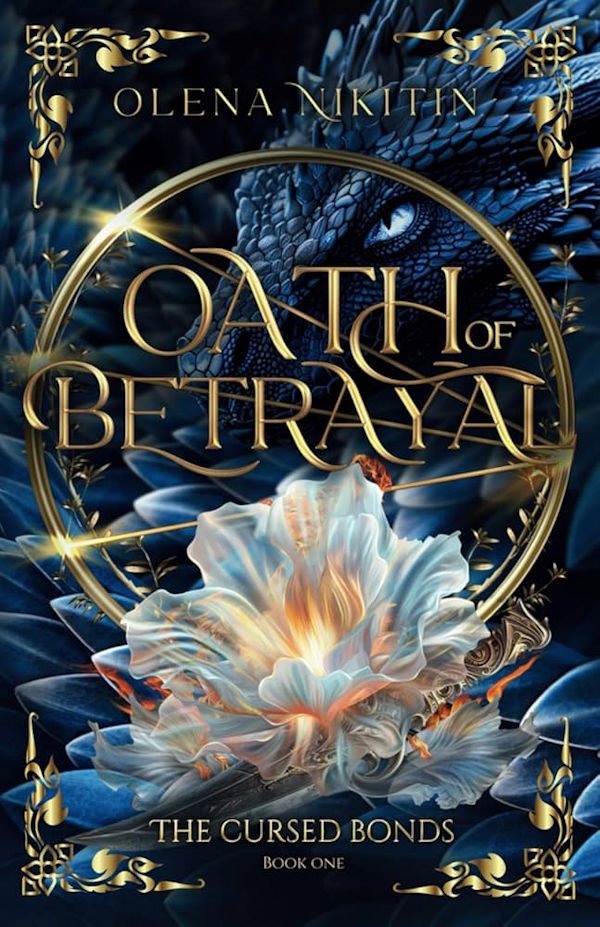
Oath of Betrayal (The Broken Bonds, #1) by Olena Nikitin
Oath of Betrayal caters to a specific, growing demand in the fantasy market: "romantasy." Featuring a protagonist in her 30s, polyamorous dynamics, and mature content, it checks many boxes for genre enthusiasts. The story follows Annika, a woman burdened by a magical catastrophe, as she navigates a world of dragons, dark fae, and necromancers.
The Verdict: The inclusion of diverse relationship dynamics and a mature lead was a high point for our panel. However, structural challenges hampered the experience. Specifically, the use of multiple first-person points of view created a disjointed reading experience, and the density of the world-building occasionally overwhelmed the narrative flow. Furthermore, concerns regarding gendered terminology—specifically the use of "females" rather than "women"—created a disconnect for our judges. While this title may appeal to readers who prioritize high-heat romance and dragon-centric lore, it did not meet our criteria for advancement.
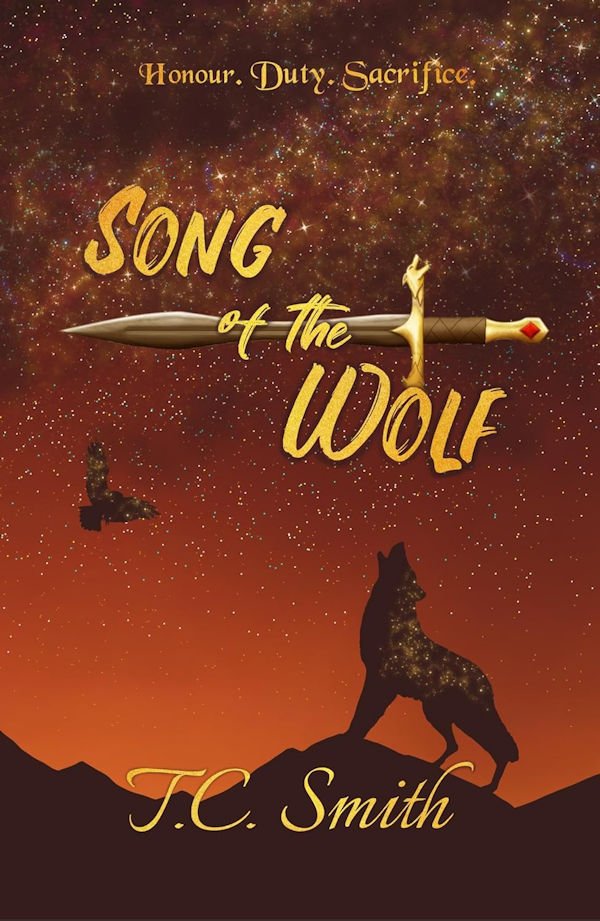
Song of the Wolf by T. C. Smith
Set against the backdrop of an elven kingdom in turmoil, Song of the Wolf features a young queen, Talin Zylvaris II, struggling to maintain power amidst a coup and an encroaching threat of Hellhounds.
The Verdict: The world-building here is undeniably strong, showcasing an author with a deep sense of place. However, the book suffered from a "plot-decision" dilemma. At several critical junctures, character motivations felt inconsistent, leading to a breakdown in narrative immersion. While individual characters were well-crafted, their collective choices often felt dictated by plot requirements rather than organic character growth, causing the panel to lose its connection to the struggle of the Torrian throne.
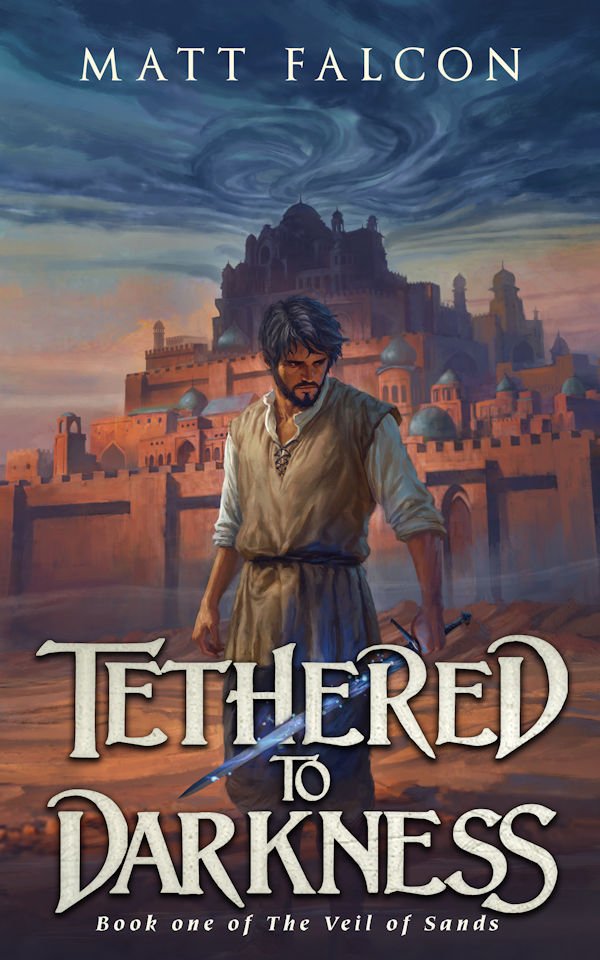
Tethered to Darkness by Matt Falcon
This entry ventured into the brutal, sand-swept world of Eoden City. The protagonist, Shen Auger, must navigate the tyranny of his father, the "Vessel of the Gods," while discovering secrets hidden in the wasteland.
The Verdict: This was perhaps the most polarizing "pass" of the round. Every judge found something to enjoy, yet no one was truly galvanized by the experience. It serves as a classic example of a "competent but not compelling" read. As one panelist succinctly noted: "I never found a reason to put it down, but I also never found myself desperate to pick it back up." For fans of epic fantasy who enjoy steady pacing, this may be a worthy pick, but it failed to capture the spark required for our semi-finalist list.
The Fire Within by John B. Cheek
A grand-scale fantasy focusing on three distinct individuals caught in a war between the Orkhlands and the Northern realms, The Fire Within offered the most traditional epic scope of the bunch.
The Verdict: This book came remarkably close to advancing. In fact, one judge was so enthralled that they completed the volume in a single sitting. The bones of the story—the stakes, the character arcs, and the world-building—are all solid. The unfortunate culprit for its elimination was a lack of polish. The manuscript currently requires a rigorous round of developmental and line editing to smooth out its rough edges. We believe that with a tighter editorial pass, this author’s work could be truly formidable.
Supporting Data: The Road Ahead
With these five titles concluded, our panel has now processed a significant portion of our initial allocation. The sheer volume of entries—300 books across the entire SPFBO 11—is a testament to the health and vitality of the self-publishing industry.
For readers interested in tracking the broader progress of the competition, we encourage you to visit the official SPFBO website managed by Mark Lawrence. This central hub provides the necessary data to track how other blogs are fairing with their respective lists and which titles are emerging as the heavyweights of the year.
Official Responses and Reflections
The act of judging is a heavy responsibility. Our panel, which includes Adawia Asad, Eva Geraghty, Evelyn Grimald (“E.G.” Stone), Julia Kitvaria Sarene, Karen Lucia, Kerry Smith, Kit Caelsto, Maureen Neuman, Robert Max Freeman, Sara Rosevear, Sherry Cammer, Stacey Markle, Tianna Twyman, and Yaniv Rosenfeld Cohen, brings a wealth of different reading tastes to the table.
This diversity is our greatest strength and our greatest challenge. By having a panel with such wide-ranging preferences—from high-concept epic fantasy to intimate, character-driven romantic drama—we ensure that a book’s elimination is not the result of a single narrow-minded opinion, but a reflection of a collective consensus.
Implications for the Industry
What do these eliminations imply for the state of self-published fantasy in 2026?
- The Importance of Polish: As seen with The Fire Within, great storytelling can be undermined by technical shortcomings. The barrier to entry for self-publishing is low, but the barrier to success remains high. Professional editing is no longer a luxury; it is a necessity for those hoping to compete at this level.
- Genre Saturation: The presence of multiple "dragon-heavy" and "romantasy" titles highlights current market trends. Authors are clearly responding to reader demand, but this also means that unique "hooks" are required to stand out from a crowded field.
- The Power of Voice: The books that resonated most, even when they didn’t advance, were those with a distinct, confident narrative voice. The technical "rules" of writing are secondary to the ability to make the reader care about the outcome of the story.
Conclusion
We remain committed to the journey of the remaining 20 books in our cohort. To the authors of the five books discussed today: thank you for your contribution. We hope that the feedback provided here serves as a useful tool for your future revisions and career development.
For our readers, please stay tuned. The road to the semi-finals is long, and the competition is only getting fiercer. Follow our updates on Bluesky and Threads for real-time reactions and further insights as we continue our search for the next great self-published fantasy masterpiece.
Featured image by Anna Zakharova.

 Layla Zulfa
 Ali Ikhwan