Basiran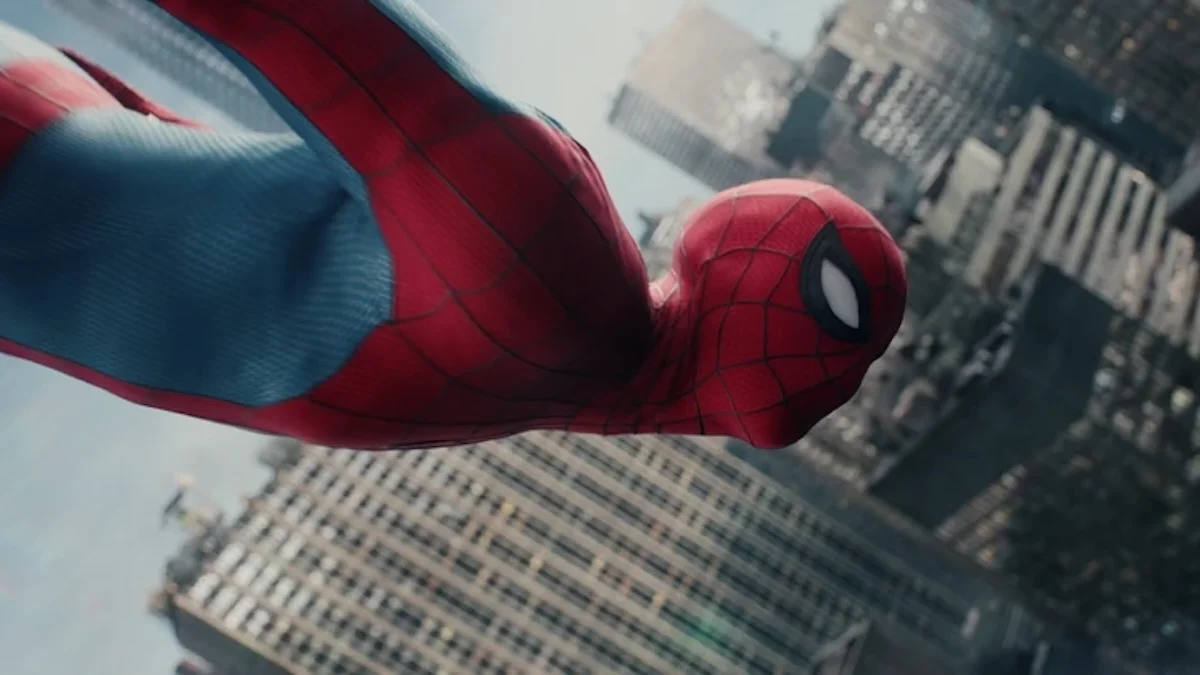
In the modern cinematic landscape, the experience of going to the movies has expanded well beyond the screen. For decades, the concession stand was a utilitarian pitstop—a place to secure a tub of buttered popcorn and a sugary drink before retreating into the darkness of the auditorium. However, in recent years, this mundane ritual has been upended by a new, aggressive marketing strategy: the "collectible" popcorn bucket.
What was once a simple plastic vessel has evolved into a high-stakes arena of industrial design, social media bait, and, increasingly, unintended controversy. The latest chapter in this strange saga involves Cinemark’s promotional merchandise for the upcoming Spider-Man: Brand New Day. While the intent was clearly to celebrate the iconic web-slinger, the resulting design has sparked a firestorm of social media discourse, cementing the fact that in 2026, the most viral movie-related content often comes from the snack counter rather than the trailer.
A Chronology of Concession Controversy
To understand the current state of movie marketing, one must look back at the watershed moment that changed the industry’s approach to merchandise forever.
The Dune Catalyst (2024)
The "Dune bucket" remains the gold standard—or perhaps the cautionary tale—of viral merchandise. Designed to resemble the iconic sandworms of Arrakis, the bucket featured a gaping maw intended to hold popcorn. Upon its release alongside Dune: Part Two, the internet collectively recoiled and then doubled over in laughter. The design’s suggestive anatomy was immediately identified by social media users, turning a high-brow sci-fi epic into a meme-factory overnight. Whether or not the studio anticipated the reaction, the bucket sold out globally, proving that "infamy" is just as effective as "prestige" when it comes to retail movement.
The Deadpool & Wolverine Pivot
Following the Dune debacle, the industry began to lean into the joke. For the 2024 blockbuster Deadpool & Wolverine, the marketing team leaned into the self-aware, irreverent humor of the characters. The bucket was intentionally designed to be bizarre, acknowledging the "gutter-mind" trend rather than avoiding it. This shift signaled a change in strategy: if you can’t beat the internet’s propensity for dirty humor, you might as well monetize it.
The Supergirl "Gripper" Cup
If Dune was an accident and Deadpool was a meta-joke, the Supergirl "gripper" cup was a head-scratcher. Released as a promotional item for James Gunn’s latest project, the cup featured a textured, suited-torso design. Fans were quick to point out that the aesthetic, when viewed from certain angles, bore an unfortunate resemblance to a biological extremity. The viral discourse was so intense that many consumers assumed the images were AI-generated deepfakes. When reality confirmed the cup was genuine, it sparked a broader conversation about corporate quality control and the lack of "fresh eyes" on merchandise design teams.
The Spider-Man "Brand New Day" Incident
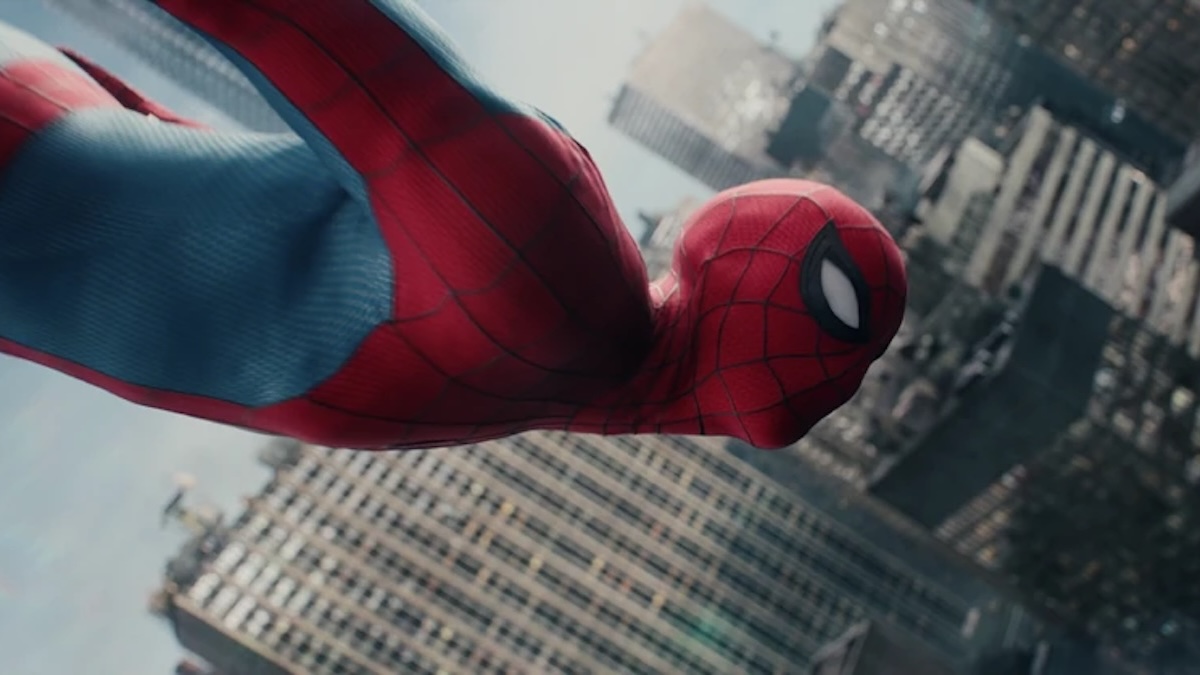
This brings us to the current controversy. The Spider-Man: Brand New Day collectible features a web-shooting pose with a cone-shaped structure meant to hold popcorn and a straw for beverages. While structurally innovative, the visual shorthand of the web design has once again invited comparisons that are decidedly not "family-friendly." Social media platforms like Instagram have become battlegrounds of disbelief, with users questioning how such a design made it through the prototyping phase without a single executive raising a hand to object.
Anatomy of a Design Failure: Why Does This Keep Happening?
Industry analysts suggest that the rise of these "questionable" designs is not necessarily a result of gross incompetence, but rather a byproduct of the "viral-first" marketing culture.
The Pressure of "Instagrammability"
In an era where film studios rely heavily on social media engagement to drive box office numbers, merchandise is no longer just a functional item; it is content. Marketing teams are under immense pressure to produce products that are distinct, tactile, and inherently "shareable." In the race to create a product that stands out on a TikTok feed, aesthetic subtlety is often sacrificed for high-contrast, high-concept designs.
The Outsourcing Loop
A significant portion of theater merchandise is designed by third-party contractors or international manufacturing firms that may not have deep cultural context regarding how a product might be perceived in specific markets. When a design is approved via a digital rendering, the nuances of shape, texture, and light—which often lead to these "double-take" moments—are frequently lost until the physical prototype is finalized and photographed under harsh, real-world lighting.
The "All Publicity is Good Publicity" Strategy
There is a growing school of thought that suggests some of these designs are not accidents at all. In the attention economy, being the subject of a viral joke is worth millions of dollars in free advertising. If a popcorn bucket is trending on X (formerly Twitter) or Reddit, the film is top-of-mind for millions of potential moviegoers. Even if the discourse is mocking, the brand awareness is undeniable.
Supporting Data and Fan Reception
While the vocal minority on social media dominates the conversation, the data tells a more nuanced story.
- The "Core" Fan Response: For many die-hard collectors, the "meme-ability" of a product is secondary to its status as a limited-edition collectible. Despite the jokes, sales for these items remain consistently high. Collectors of the Spider-Man franchise, for instance, have shown high interest in the accompanying, less-controversial merchandise, such as the comic-printed blankets and classic-style water bottles.
- Retail Velocity: Data from major theater chains shows that "event" merchandise increases concession stand revenue by an average of 15% to 22% compared to traditional, non-branded packaging. This financial incentive creates a powerful feedback loop that encourages theater chains to keep pushing the envelope with increasingly experimental designs.
Implications for the Future of Film Marketing
The trajectory of this trend suggests that we are unlikely to return to the era of plain cardboard tubs. The theater-going experience is becoming increasingly synonymous with "collectible culture."
The Professionalization of "Viral Design"
Expect to see a shift toward "intentional irony." Studios will likely begin hiring designers who specialize in meme-centric aesthetics—professionals who understand how to design products that appear provocative enough to spark discourse but remain within the bounds of brand safety.
The Quality Control Crisis
The Supergirl and Spider-Man cases have highlighted a critical gap in the supply chain: the lack of a "public perception audit." Large studios may soon implement formal review panels that include focus groups not just for the film content, but for the merchandise itself, specifically tasked with identifying potential "internet-unfriendly" interpretations.
Consumer Fatigue
However, there is a risk of diminishing returns. As these controversies become more frequent, they may lose their "shock value." If every popcorn bucket is designed to be a meme, none of them will be special. Consumers may eventually tire of being the butt of a marketing joke, potentially leading to a backlash against what some perceive as "cheap" or "tacky" promotional tactics.
Conclusion
As Spider-Man: Brand New Day nears its July 31 release, the buzz surrounding the film is undeniably elevated by the conversation—however crude—surrounding its concession stand offerings. Whether this is a brilliant marketing strategy or a series of unfortunate design oversights, the result is the same: the movie is at the center of the cultural conversation.
Hollywood has learned a valuable, if bizarre, lesson: when you place a product in the hands of the internet, you surrender control over how it is perceived. As long as these buckets continue to fly off the shelves, the industry will continue to produce them, regardless of how many double-takes they cause. The "Dune treatment" has become the new industry standard, and for better or worse, the popcorn bucket is now a major player in the business of blockbuster filmmaking.

 Evan Lee Salim
 Ammar Sabilarrohman