

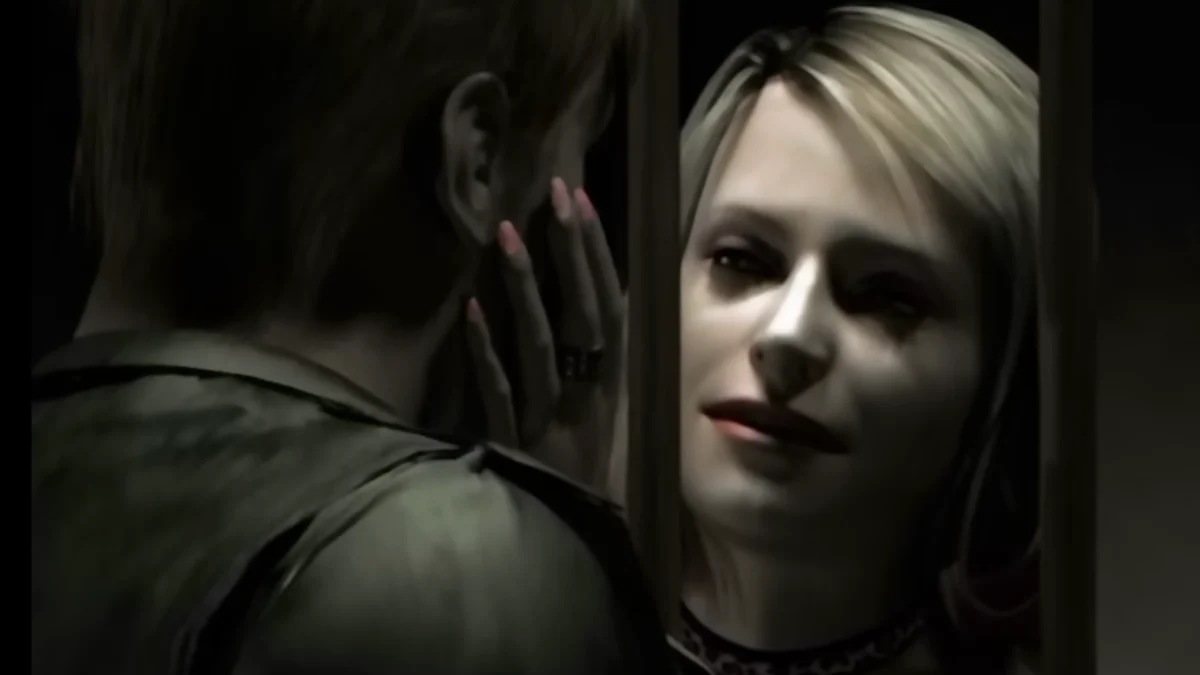
In the hallowed, fog-drenched corridors of video game history, Silent Hill 2 stands as a monolith of psychological horror. Since its 2001 release, fans have dissected every texture, sound byte, and narrative thread, attempting to decode the subconscious fears that birthed the game’s iconic imagery. However, a recent, fervent internet debate has emerged from this analytical fervor, centering on an unlikely intersection: the world-renowned pop icon Madonna and the grotesque, skin-crawling creature designs of the Silent Hill franchise.
What began as a playful observation on social media regarding the aesthetic influence of Madonna’s 1998 music video, "Nothing Really Matters," has spiraled into a contentious tug-of-war between a dedicated subset of fans and Masahiro Ito, the legendary art director of Silent Hill 2. As the debate intensifies, it serves as a fascinating case study in how internet lore can override authorial intent, turning a nuanced artistic reference into an exaggerated legend.
The Genesis of the Rumor: A Misinterpreted Connection
The spark for this controversy was a viral post on X (formerly Twitter), which facetiously suggested that Madonna’s "Nothing Really Matters" music video served as a primary inspiration for the atmospheric perfection of Silent Hill 2. The post claimed, with a mix of genuine fervor and internet irony, that fans have the "Queen of Pop" to thank for the game’s unsettling, rusted-metal aesthetic.
This claim was not entirely fabricated from thin air; it originated from a now-deleted post by Masahiro Ito himself in 2019. In that post, the artist had indeed cited the "Nothing Really Matters" music video as an inspiration for the game’s "rotten mood." However, in the years since, Ito has found himself in the unenviable position of having to repeatedly clarify his own creative process, finding that fans have taken his brief mention of the video and ballooned it into a theory that Madonna’s artistry was the foundational bedrock of the game’s design.
Chronology of the Discrepancy
To understand the friction between the artist and his audience, one must look at the timeline of the clarification:
- 2019: Masahiro Ito shares a post acknowledging the "Nothing Really Matters" video as an inspiration for the mood and animation of Silent Hill 2.
- October 2024: Ito returns to social media to clarify that his influence was strictly limited to the video’s choreography, not the artist herself.
- May 21, 2025: Following renewed viral attention to the theory, Ito issues a blunt, definitive statement on X, explicitly distancing his work from the music and persona of Madonna.
- Present Day: The discourse continues to circulate, with fans frequently doubling down on the narrative that Madonna was a formative creative force for the franchise, despite the artist’s explicit denials.
The Art of Butoh: A Misunderstood Influence
At the core of the debate is the distinction between pop music iconography and the avant-garde performance art of Butoh. In his latest attempts to settle the matter, Ito has been remarkably precise.
"I said I was inspired by Madonna’s ‘Nothing Really Matters’ video," Ito wrote in a recent post, "but I meant the Butoh-like dances by Asian dancers painted entirely white in the video, not herself or her song."
Butoh, a form of Japanese dance theater that emerged in the late 1950s, is defined by its rejection of traditional aesthetics in favor of the grotesque, the primal, and the deeply vulnerable. It is characterized by labored, agonizing movements, contorted limbs, and a sense of existential dread. When dancers in the "Nothing Really Matters" video perform with their white-painted skin and jerky, otherworldly motions, they are tapping into the same visual lexicon that informs the Silent Hill franchise.
Ito’s inspiration was not the musical output of Madonna, but the specific, visceral physical theater performed by the dancers in that singular visual context. This distinction is vital: for Ito, the reference was to the movement and physicality of the performers, which mirrored the jerky, twitching nature of the "Lying Figure" or the "Bubble Head Nurse."
The Impact of Horror: Butoh in Modern Media
The use of Butoh as a horror aesthetic is not unique to Silent Hill. It is a visual language that has been utilized by visionary directors to tap into the uncanny.
The influence of Butoh can be seen in:
- Kiyoshi Kurosawa’s Pulse (2001): The ghostly figures in this J-horror masterpiece often adopt unnatural, Butoh-inspired postures before they descend into acts of despair.
- Guillermo del Toro’s Frankenstein (2025): Del Toro famously required actor Jacob Elordi to undergo intensive training in Butoh to capture the disjointed, miserable essence of his version of the Creature.
By contextualizing his inspiration within the broader scope of Butoh, Ito attempts to shift the conversation away from pop culture trivia and toward the serious artistic techniques he employed to craft the horror of Silent Hill.
The Clash of Narratives: Creator vs. Fandom
The friction here highlights a modern phenomenon: the "death of the author" in the age of social media. When a creator makes a passing comment that captures the imagination of a subculture, it can quickly evolve into a piece of accepted historical canon, regardless of the creator’s subsequent denials.
For a subset of horror fans—many of whom are also pop culture enthusiasts—the idea that a legend like Madonna contributed to the dark, psychological depth of Silent Hill is an appealing, almost poetic narrative. It creates a bridge between two seemingly disparate worlds. Consequently, when Ito pushes back, insisting that he does not, in fact, like Madonna and that the connection was limited to a few seconds of background choreography, it is perceived by some as an act of denial rather than a correction of facts.
Ito’s frustration is palpable. "Even if that person posted it as a joke," he noted in a recent update, "once it spreads, many people take it at face value." This reflects the broader danger of internet discourse: the rapid dilution of nuance. As the "Madonna-Silent Hill" rumor proliferates, the actual influence—the history of Butoh and the specific visual language of Japanese dance—is stripped away, leaving behind a headline-grabbing, but inaccurate, pop-culture anecdote.
Implications for Future Media Analysis
The Silent Hill vs. Madonna saga serves as a cautionary tale for those who archive and analyze the history of video games. It underscores the necessity of relying on direct, substantiated creator commentary while remaining wary of the "internet-echo-chamber" effect.
For the Silent Hill franchise, which is currently undergoing a renaissance with remakes and new entries, the integrity of its artistic origins is paramount. Masahiro Ito’s work is characterized by a deep, scholarly engagement with art history, architecture, and psychological trauma. Reducing his creative output to a music video reference—even one he acknowledged—risks undermining the deliberate, often grueling work that went into defining the "Silent Hill" aesthetic.
Conclusion
While the image of a fan listening to "Like a Prayer" while fighting Pyramid Head is undeniably amusing, the truth of the Silent Hill design remains rooted in far more somber influences. The "fight" boiling over in the community is, ultimately, a struggle between the romanticized myth-making of the internet and the lived reality of an artist’s creative process.
As we continue to celebrate the legacy of Silent Hill 2, it is worth remembering the artist’s request: listen to the intent, respect the nuance, and perhaps allow the horror to exist on its own terms—unburdened by the pop-culture labels we might desperately want to attach to it. Masahiro Ito may be exhausted by the persistent questioning, but his message is clear. He has provided the blueprint for his madness, and it is built on the haunting, silent shudders of Butoh, not the rhythmic beats of a pop anthem.











No comments yet. Be the first to join the conversation!