
 Asro
Asro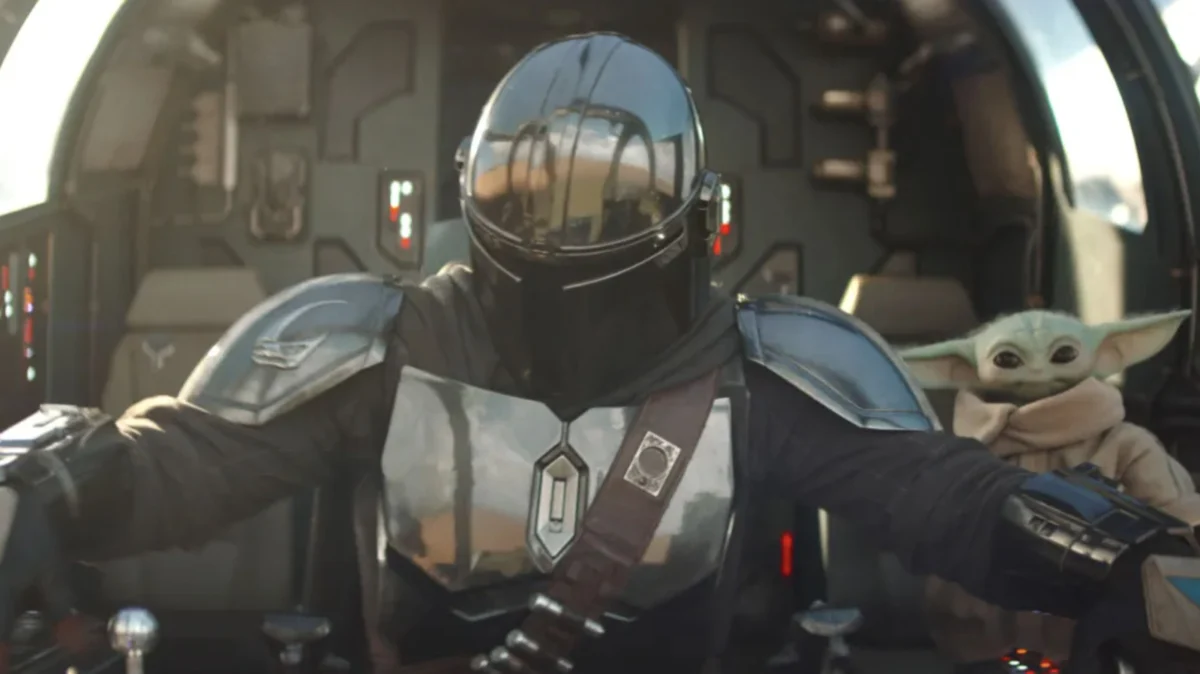
For nearly half a century, Star Wars has been the ultimate barometer of cultural discourse in Hollywood. From the seismic shift of the 1977 original to the polarizing complexities of the sequel trilogy and the sprawling, episodic nature of the Disney+ era, the galaxy far, far away has never been static. However, the release of The Mandalorian and Grogu—the franchise’s first theatrical return in seven years—marks a distinct, troubling departure from that legacy. It is a film that has sparked a rare sentiment among the fanbase: not the fiery, vitriolic debate seen in years past, but a cold, resounding indifference.
Main Facts: The Return to the Big Screen
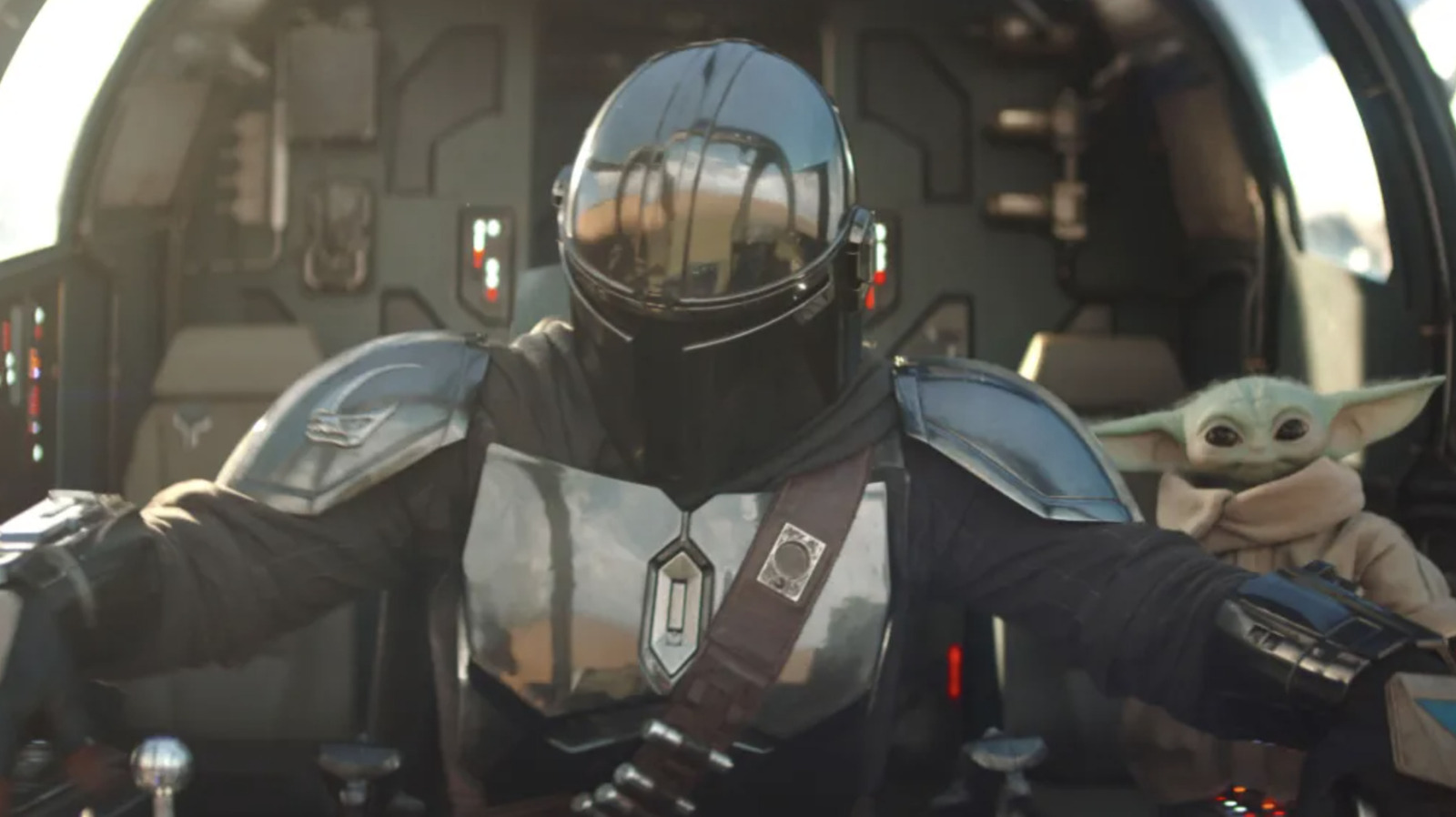
Directed by Jon Favreau and co-written with Dave Filoni, The Mandalorian and Grogu was designed to be the cinematic culmination of the "Mando-verse" established on Disney+. With a runtime of 132 minutes, the film aims to capture the spirit of the series’ first season: a lean, mission-based western focused on the bond between the stoic bounty hunter Din Djarin and the Force-sensitive foundling, Grogu.
Despite the pedigree of the creators and the massive budget afforded to a Lucasfilm theatrical production, the consensus from long-time enthusiasts is one of profound disappointment. Rather than expanding the scope of the Star Wars universe, the film retreats into a comfort zone so narrow it renders the theatrical experience redundant. Critics and fans alike are pointing to a lack of narrative stakes, an over-reliance on "safe" storytelling, and a sense that the franchise has finally succumbed to the "product-first" mentality that many feared would follow Disney’s acquisition of Lucasfilm.
Chronology of a Franchise’s Evolution
To understand the disappointment surrounding The Mandalorian and Grogu, one must look at the trajectory of the franchise:
- 1977–1983 (The Original Trilogy): A genre-defining era that established the visual and thematic language of the franchise.
- 1983–1999 (The Silent Era): A 16-year hiatus where the mythology grew in the minds of fans, leading to the highly anticipated (and divisive) prequel trilogy.
- 2015–2019 (The Sequel Era): A period of massive commercial success marked by intense polarization over creative direction, with films like The Last Jedi and The Rise of Skywalker becoming flashpoints for fan toxicity and creative debate.
- 2019–2024 (The Disney+ Era): The pivot to streaming, where The Mandalorian served as a flagship, initially praised for its "space western" aesthetic before getting bogged down in lore-heavy cameos and corporate synergy.
- 2025 (The Current State): The Mandalorian and Grogu arrives as the first theatrical attempt to bridge these worlds, resulting in a film that many feel lacks the "soul" of its predecessors.
Supporting Data: Why the Film Feels "Antiseptic"
The central criticism levied against the film is its total lack of stakes. In the original series, Din Djarin was a vulnerable ronin, a character whose physical limitations and moral ambiguity made him compelling. In this theatrical iteration, that vulnerability has been erased.
The Illusion of Danger
The action sequences in The Mandalorian and Grogu are choreographed with a precision that borders on the sterile. Throughout the 132-minute runtime, Djarin maneuvers through conflicts with the ease of an "immortality cheat code." There is no sense that he might fail, no weight to the blaster fire, and no consequence to his actions. When a protagonist is shielded by a plot armor so thick it becomes visible, the tension evaporates.
The "Product" vs. The "Story"
The film’s pacing and character development suggest a project managed by committee rather than steered by a singular creative vision. The inclusion of high-profile actors, such as Jeremy Allen White playing a member of the Hutt crime family, feels like a superficial addition meant to provide "star power" rather than meaningful narrative depth. His character arc is essentially a truncated version of Michael Corleone’s transformation in The Godfather, yet it is executed with such lack of commitment that it fails to register as a genuine character beat.
Official Responses and Industry Context
Lucasfilm has maintained a disciplined silence regarding the lukewarm reception, sticking to the standard PR playbook of highlighting box office returns and the "global reach" of the Star Wars brand. However, behind the scenes, there is a palpable sense of hesitation.
Sources within the industry suggest that Disney’s approach to the franchise post-2019 has been defined by a deep-seated "post-sequel anxiety." After the intense backlash from a vocal segment of the fanbase regarding the creative risks taken in the sequel trilogy, the studio has shifted toward a strategy of extreme risk-aversion. The Mandalorian and Grogu is the final evolution of this mindset: a movie designed to offend no one, to be "fun" without being challenging, and to fit perfectly within the established aesthetic of the Disney+ interface.
Implications for the Future of Star Wars
The implications of this failure are significant for the future of the franchise.
The Death of "Bold Choices"
If The Mandalorian and Grogu is the blueprint for future theatrical releases, the franchise is effectively moving toward a "content mill" model. By prioritizing familiarity and safety over narrative risk, Lucasfilm risks alienating the very audience that sustained the franchise for decades. If the audience cannot be surprised or moved, they will eventually stop paying attention.
The "Forgettability" Problem
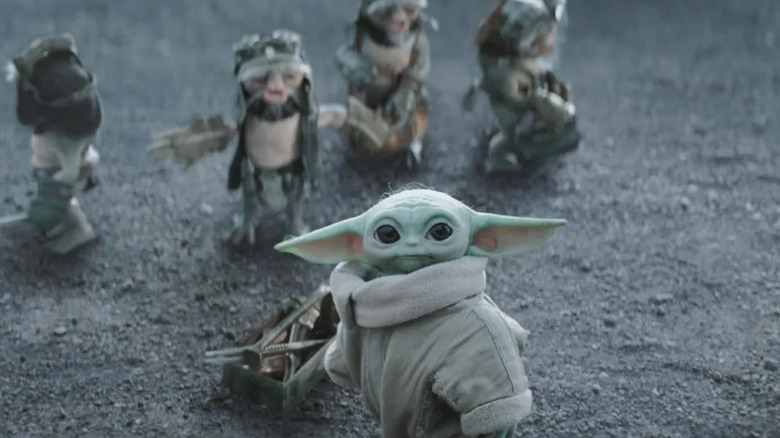
Perhaps the most damning critique of the film is that it is fundamentally forgettable. In the past, Star Wars films—whether loved or loathed—left a lasting impression. They generated conversation, debate, and emotional investment. A movie that is "fine" and "safe" is arguably more dangerous to the health of a franchise than a movie that is bad. A bad movie can be a failure of execution; a forgettable movie is a failure of purpose.
A Call for New Voices
The exhaustion felt by the audience suggests that the "Mando-verse" has reached its natural conclusion. Fans are calling for a return to the visionary, risky, and diverse storytelling that defined the original films. The success of the franchise has always been its ability to act as a mirror to the world; when it stops looking at the world and starts looking only at its own back catalog, it loses its power.
Conclusion: The Long Road Ahead
As the credits roll on The Mandalorian and Grogu, the viewer is left with a sense of emptiness. It is a technically competent, visually polished, and entirely hollow experience. For a lifelong fan, it is a sobering realization: the franchise that once defined the possibilities of cinema has, at least for the moment, settled for being a product.
Whether Lucasfilm will pivot remains to be seen. But until the studio decides to stop playing it safe and starts trusting creators to tell stories that carry actual weight, the galaxy far, far away may find itself trapped in an orbit of its own making—a place where nothing of note ever happens, and where the most passionate fans are left with nothing but the silence of a forgettable experience.


 Raul Delapena Setiawan
 Nana Wu





