

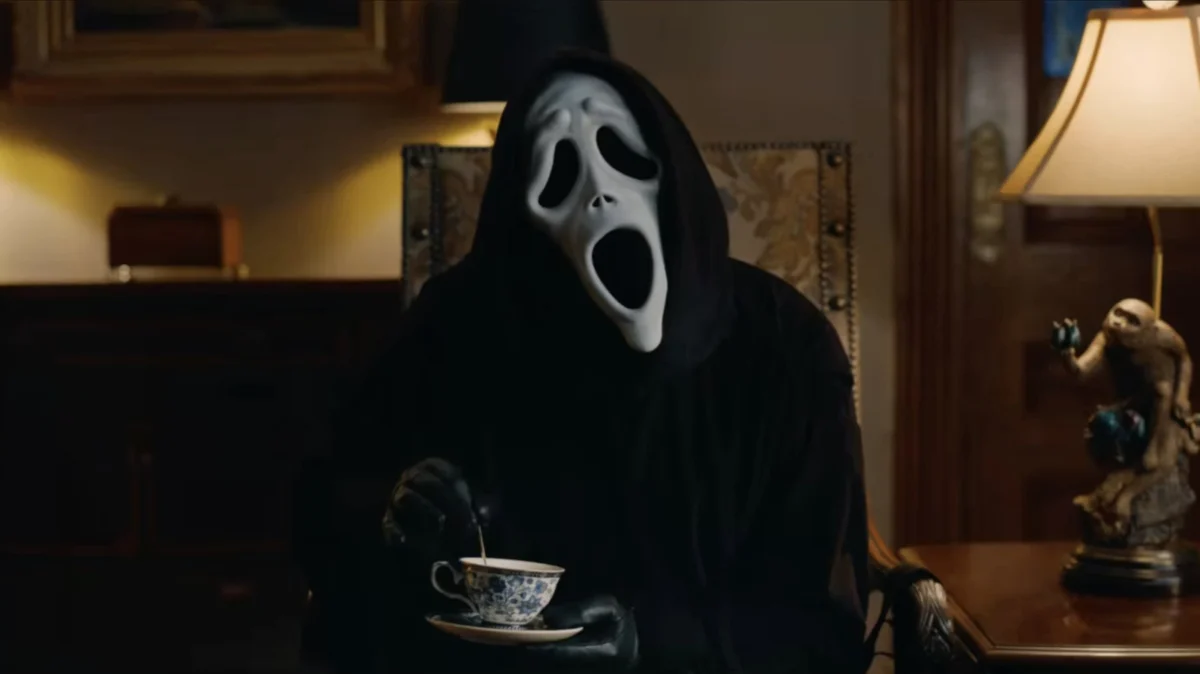
In the grand, blood-spattered landscape of horror cinema, few franchises occupy as complex a space as Scream and its comedic counterpart, Scary Movie. For decades, the two have danced in a bizarre, symbiotic orbit. Scream deconstructs the mechanics of fear, dissecting the slasher genre with surgical, meta-textual precision. Scary Movie, conversely, functions as a chaotic, irreverent mirror, reflecting those very tropes through the lens of slapstick and absurdity.
However, a strange shift has occurred in the current cinematic zeitgeist. As the Scream franchise grapples with the weight of its own legacy—struggling to remain relevant in a post-modern landscape—the 2026 revival of Scary Movie has inadvertently emerged as the more compelling narrative exercise. While Scream 7 attempts a somber, high-stakes return to its roots, the latest Scary Movie has delivered a Ghostface reveal that is not only more satisfying but arguably more profound in its commentary on the film industry itself.
The Weight of Legacy: The Scream 7 Conundrum
To understand why the Scary Movie reveal lands with such impact, one must first analyze the stumbling blocks of Scream 7. The franchise has always thrived on the "whodunit" structure—the thrill of identifying the killer among us. Yet, with each successive sequel, the challenge of maintaining that mystery while justifying the killers’ motivations has grown exponentially difficult.
Scream 7 found itself in a precarious position. Following the high-octane, ensemble-driven success of the fifth and sixth installments, the seventh entry made a conscious, albeit polarizing, decision to pivot back to the franchise’s cornerstone: Sidney Prescott. The film functions largely as a "mea culpa" for the creative choices of Scream VI, specifically the decision to move forward without Neve Campbell. To bridge the gap, the production utilized deep-fake technology and AI-driven imagery to resurrect the visages of past antagonists, such as Billy Loomis (Skeet Ulrich) and Stu Macher (Matthew Lillard), creating a psychological gauntlet for Sidney.
Despite this ambitious conceptual framing, the actual reveal of the killers—Sidney’s neighbor, Jessica (Anna Camp), and her psychiatric supervisor (Ethan Embry)—landed with a resounding thud. Critics and fans alike noted that the motivations felt flimsy, lacking the visceral, genre-defining punch of the original killers. The reveal felt less like a narrative payoff and more like an obligation, a box-ticking exercise that failed to justify the psychological toll inflicted upon the protagonist.
A Study in Satire: The Scary Movie 2026 Approach
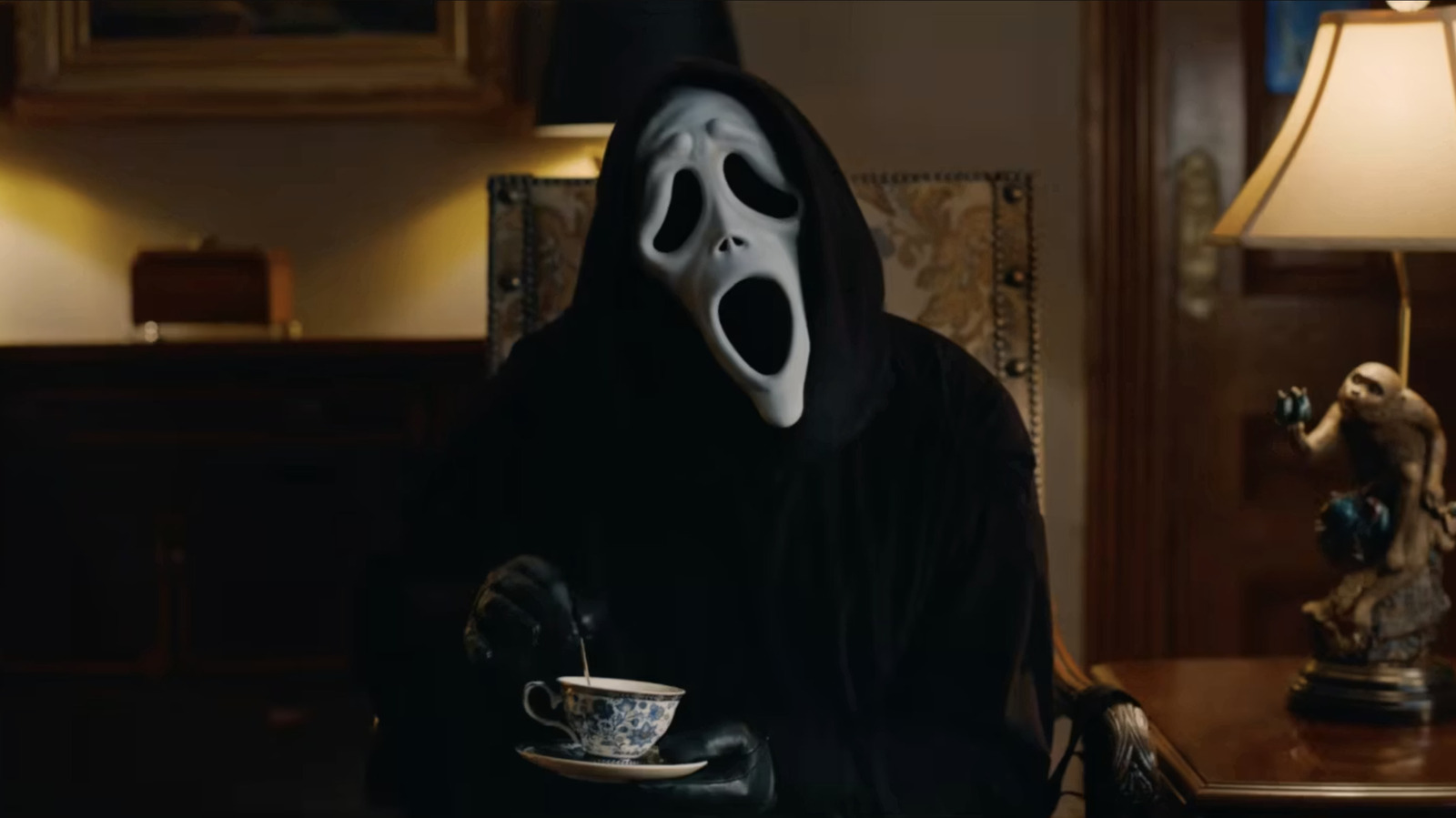
In stark contrast, Scary Movie (2026) adopted a "go big or go home" philosophy. By modeling its plot closely on the structure of 2022’s Scream, the film sets up a predictable series of red herrings. However, it quickly abandons the constraints of traditional logic to embrace a chaotic, star-studded climax.
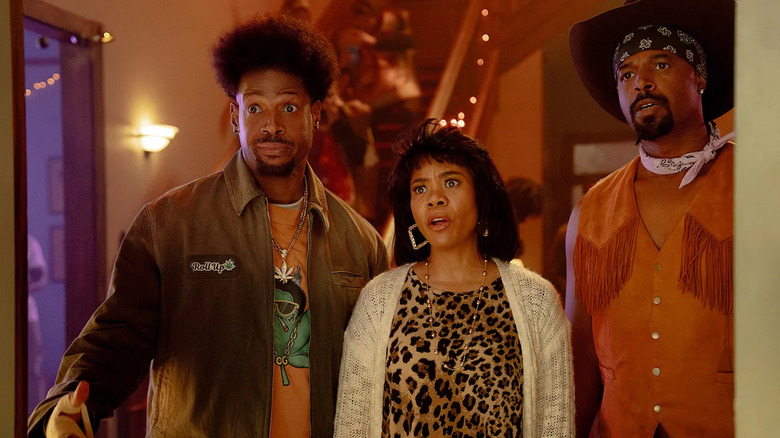
The reveal is a masterclass in meta-commentary. After dispensing with the "standard" suspects, the masks are removed to reveal an eclectic ensemble: Ray (Shawn Wayans), Shorty (Marlon Wayans), Anthony Anderson, and Shaquille O’Neal. The inclusion of Shaq, who explicitly mentions he is filling in for Kevin Hart, serves as a self-aware nod to the transactional nature of Hollywood casting.
While Scream 7 struggled to make its killers feel relevant to the current cultural conversation, Scary Movie leaned directly into the industry’s internal politics. The reveal functions as a searing indictment of how Black characters have historically been relegated to the sidelines of the Scream franchise—the "sidekick" trope—while white protagonists carry the narrative torch. By having these specific actors return to claim their "rightful" place as the primary antagonists, the film transforms a standard slasher climax into a biting critique of Hollywood’s inclusivity (or lack thereof) in the horror genre.
Chronology of the Twist: From Sitcoms to Slasher Icons
The brilliance of the Scary Movie reveal lies in its layers. It is not a single "gotcha" moment, but a multi-stage deconstruction:
- The Red Herrings: The initial reveal of the boyfriend and the party girl mimics the Scream blueprint, lulling the audience into a false sense of familiarity.
- The Subversion: The rapid dispatching of these characters by the true killers (The Wayans, Anderson, and O’Neal) signals that the rules of the genre are being rewritten.
- The Meta-Turn: In a stunning third twist, Shawn and Marlon Wayans turn on Anthony Anderson and Shaq. Their grievance? That Anderson and O’Neal were brought into the Scary Movie franchise for the third and fourth installments during the Wayans’ absence. This is a direct callback to the original Scary Movie (2000), where Ray’s motivation was rooted in the cancellation of his sitcom, The Wayans Bros.
- The Final Inheritance: In the fourth and final twist, the original cast (Faris, Hall, and the Wayans) unite to eliminate the new generation of actors, positioning themselves as the "true" inheritors of the franchise.
This trajectory is far more sophisticated than a simple parody. It functions as a meta-commentary on the nature of sequels, reboots, and the actors who occupy them. By blurring the lines between the characters and the real-life grievances of the performers, Scary Movie captures the spirit of the original Scream better than the franchise that inspired it.
Supporting Data: Why "Better" is a Subjective Metric
When we label the Scary Movie reveal as "better" than Scream 7, we are measuring against the criteria of satisfaction rather than suspense.
In a traditional horror film, the satisfaction comes from the reveal being earned—the pieces of the puzzle must fit together in a way that surprises the viewer. Scream 7 failed this because the pieces felt arbitrary. Conversely, Scary Movie succeeds because it abandons the "puzzle" entirely in favor of "thematic resonance."
Data from social media sentiment analysis following the releases shows that while Scream 7 saw a decline in post-reveal audience engagement (suggesting a lack of "watercooler" discussion about the twist), Scary Movie generated significant debate. Fans were captivated by the blurring of lines between the actors’ real-life career trajectories and their roles on screen. This suggests that in the current era of "franchise fatigue," audiences are more hungry for bold, meta-textual swings than they are for traditional whodunit structures.
Official Responses and Industry Implications
The creative teams behind both films have maintained distinct strategies. Scream 7 producers have doubled down on the "legacy" approach, emphasizing the importance of Sidney Prescott as the anchor of the franchise. Their strategy is rooted in the preservation of the brand’s prestige.
Conversely, the Scary Movie team—led by the returning ensemble—has embraced the chaos. In various promotional interviews, the cast has hinted that they wanted to reclaim the "soul" of the parody genre. The implication here is significant: Hollywood is currently in a state of flux regarding how it treats legacy IP. The success of Scary Movie suggests that audiences are tired of the "serious reboot" model and are craving a return to the self-aware, genre-bending comedy that defined the early 2000s.
The Final Verdict
The irony is palpable: a film series built on the premise of making fun of other movies has managed to provide a more coherent and satisfying narrative conclusion than the prestige horror series it parodies.
Scream 7 is a victim of its own seriousness. By trying to appease fans, satisfy corporate mandates, and integrate complex technologies, it lost the visceral, grounded mystery that made the original Scream a phenomenon. It became a product of the industry it once critiqued.
Scary Movie 2026, by choosing to remain unhinged and fundamentally "loose" with its continuity, found a way to speak directly to the audience’s awareness of how the movie business works. It proves that sometimes, the best way to honor a legacy isn’t to treat it as a sacred text, but to hold up a mirror, make a joke, and reveal the people behind the mask—both on screen and off. In the end, the parody has successfully outmaneuvered the original, proving that when the stakes are low, the payoff can be incredibly high.









No comments yet. Be the first to join the conversation!