Asro
Asro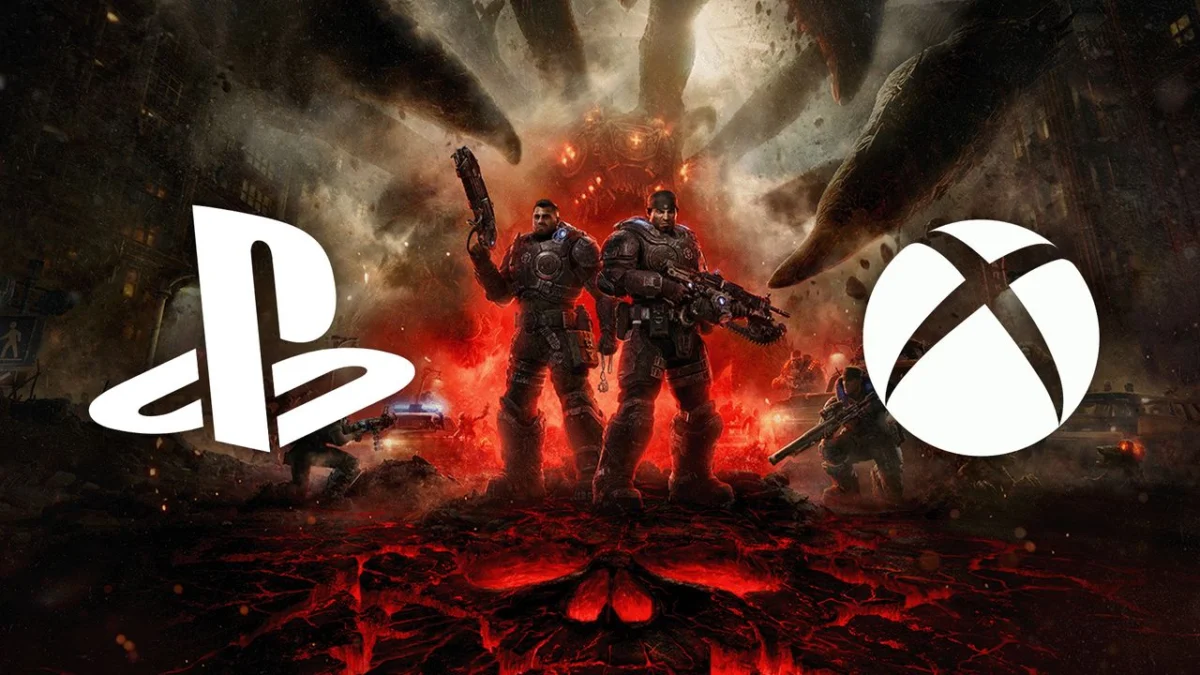
In the hyper-competitive world of console gaming, brand identity is everything. For decades, the "console wars" have been defined by tribalism, with fans of Sony’s PlayStation and Microsoft’s Xbox fiercely defending their chosen ecosystem. However, a recent marketing blunder involving the inclusion of a PlayStation 5 logo on an Xbox-exclusive title has ignited a firestorm of speculation, questioning not just the competence of Microsoft’s marketing department, but the very future of the Xbox brand itself.
The Catalyst: A Logo That Shouldn’t Have Been There
The controversy began during Microsoft’s annual showcase, an event designed to energize the Xbox faithful and outline the company’s roadmap for the coming year. As trailers for various upcoming titles rolled, viewers noticed a recurring pattern: games clearly intended for multiple platforms were being displayed with both Xbox and PlayStation 5 branding.
For many fans, this was already a point of contention. While multiplatform releases are standard in the industry, Xbox enthusiasts felt that the inclusion of the PS5 logo on their own home-turf showcase felt like an unnecessary reminder of the company’s move toward a more "platform-agnostic" future. Critics argued that while Microsoft was being "transparent," it was a one-way street—Sony has rarely, if ever, showcased Xbox branding during their own State of Play events. The perception among the community was that Microsoft was devaluing its own hardware by highlighting the competition’s logo on its own stage.
Chronology of a PR Disaster
The situation escalated rapidly from a mild fan grievance into a full-blown internet mystery. The timeline of the "Logo-gate" saga illustrates how quickly a minor graphical oversight can spiral into a brand-damaging narrative.
- The Initial Showcase: During the presentation, title cards for several games appeared with the logos of all supported platforms, including the PlayStation 5.
- The Outcry: Social media platforms, particularly Reddit and X (formerly Twitter), erupted with comments from users who felt Microsoft was effectively "cucking" its own audience by promoting the primary competitor’s hardware.
- The Admission: Asha Sharma, the new head of Xbox, acknowledged the frustration in a candid response, stating, "It was a miss, and I own it." This admission was initially seen as a sign of maturity and accountability.
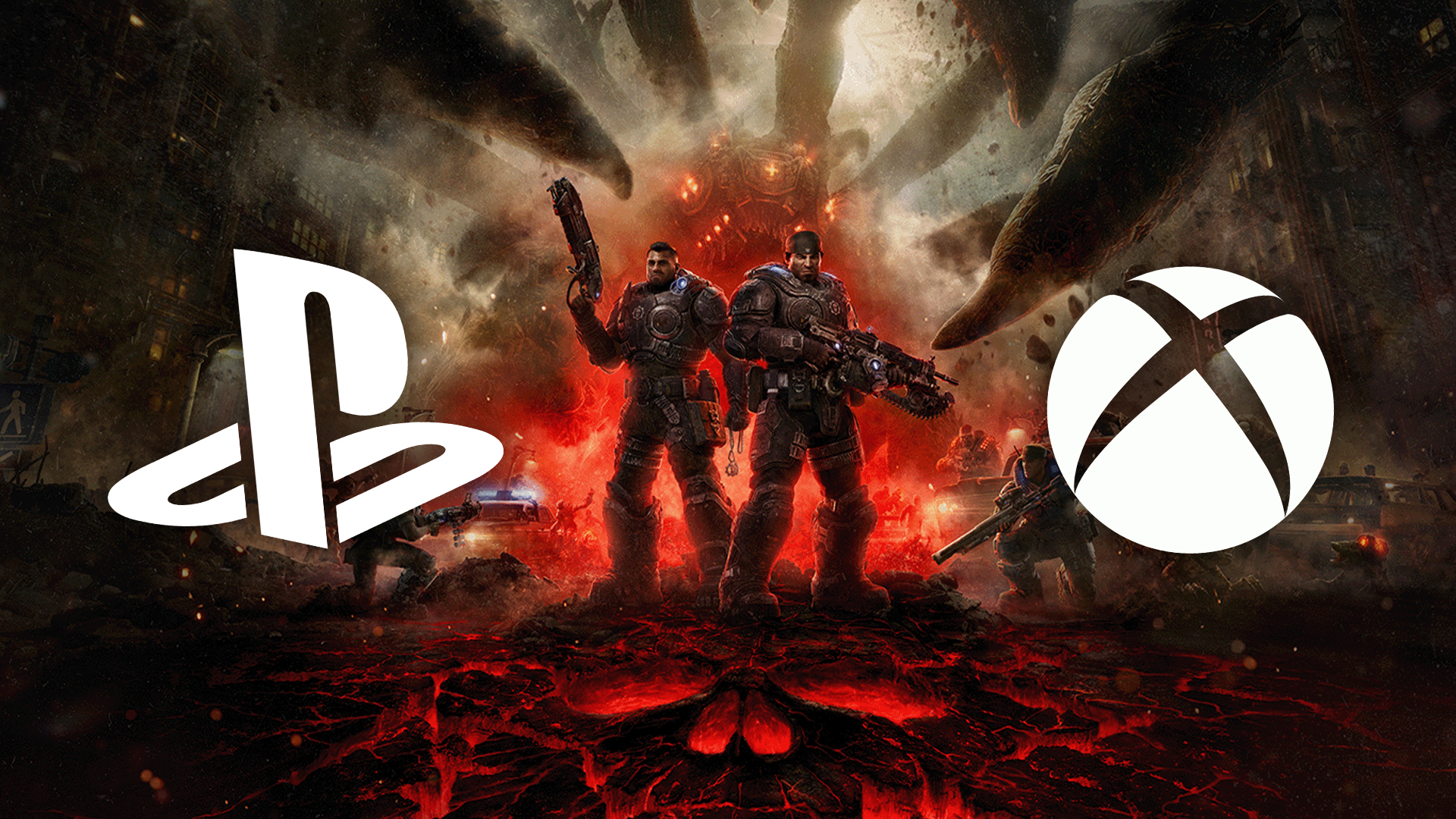
- The Escalation: Just as the conversation seemed to be cooling down, a new promo surfaced on the official Xbox YouTube channel. The video featured Gears of War: E-Day, a title that had been explicitly marketed as an Xbox exclusive. Shockingly, the title card featured a PS5 logo.
- The Digital Scrubbing: The video was pulled almost immediately, but not before eagle-eyed fans captured screenshots, fueling viral theories that the game’s exclusivity status had been a last-minute decision.
- The Denial: Aaron Greenberg, Xbox’s marketing lead, stepped in to quell the rumors, denying that the exclusivity status was changed at the eleventh hour.
The Implications: Is Exclusive Still Exclusive?
The presence of a PS5 logo on a Gears of War asset is, objectively, a catastrophic marketing error. However, the intensity of the reaction suggests that the logo is merely a lightning rod for deeper anxieties.
The gaming industry is currently in a state of flux. Microsoft has been aggressively pursuing a strategy of "content everywhere," bringing titles like Sea of Thieves and Hi-Fi Rush to rival consoles. This strategy—often referred to as the "Game Pass Everywhere" model—aims to maximize revenue by treating the Xbox brand as a service provider rather than just a console manufacturer.
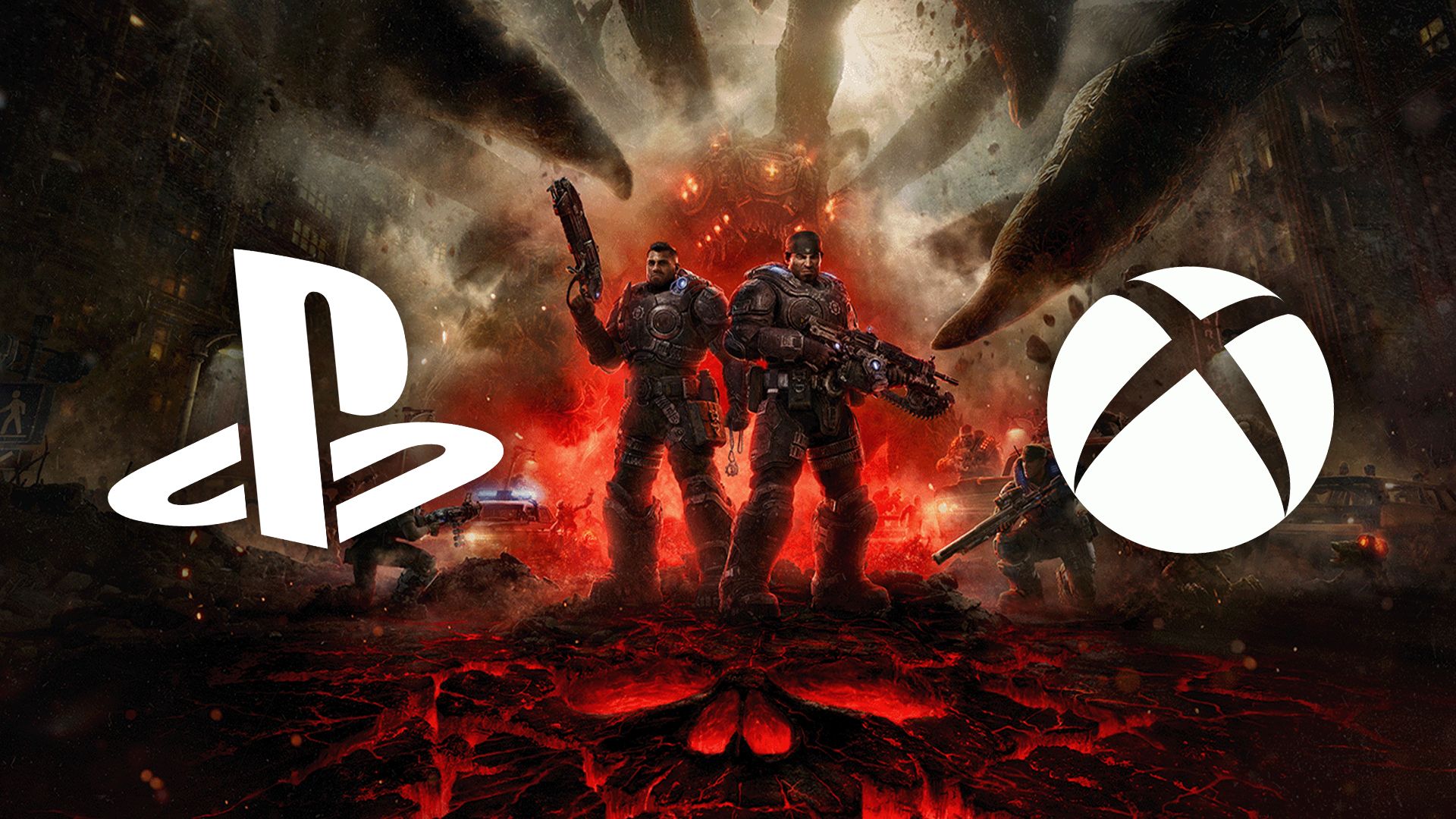
For the core Xbox community, this shift is existential. If Gears of War, one of the pillars of the Xbox brand, has its assets pre-prepared with PS5 branding, it suggests a level of internal preparation for a multiplatform release that contradicts the public messaging of "exclusivity." The incident has forced players to ask: Does "Xbox exclusive" mean anything anymore, or is it merely a temporary state of being before a game inevitably lands on Sony’s hardware?
Official Responses and the Corporate Defense
The response from Microsoft’s leadership has been a delicate balancing act. Asha Sharma’s admission of a "miss" was an attempt to humanize the brand and move past the controversy. However, Aaron Greenberg’s subsequent denial of a "last-minute change" regarding Gears of War is where the narrative becomes murky.
Greenberg stated, "I can confirm this is not true… We just limited the knowledge of this news to a very small internal group." While this is a plausible explanation—that the marketing team was working with "placeholder" assets or generic templates meant for multiplatform projects—it highlights a breakdown in quality control. In the modern era of high-definition digital marketing, these assets are often generated via automated pipelines. If the system was configured to "include platform logos" by default, it speaks to a systemic failure in how Microsoft’s marketing department manages its brand identity.
Industry Context: The War of Optics
To understand why this caused such an uproar, one must look at the psychological landscape of console gaming. Sony’s marketing strategy is built on the exclusivity of its "AAA" titles. By never featuring an Xbox logo, Sony maintains an aura of prestige and "walled-garden" quality.
Microsoft, conversely, is currently attempting to pivot to a broader, more inclusive ecosystem. This transition is difficult. When you try to sell a console to people who view themselves as "Xbox gamers," but you simultaneously promote the idea that your games are available on the competition’s device, you create cognitive dissonance. The PS5 logo incident acted as a physical manifestation of this dissonance. It reminded Xbox owners that they are no longer the exclusive gatekeepers of their favorite franchises.
The Path Forward: Can Microsoft Recover?
The incident will likely fade from the news cycle within weeks, but the damage to brand loyalty may have long-term consequences. The "cucked" jokes circulating on social media are more than just internet slang; they represent a loss of pride among the platform’s most dedicated advocates.
To recover, Microsoft must address two major issues:
1. Marketing Discipline
The "placeholder" asset excuse, while potentially true, reflects poorly on the company’s attention to detail. In a market where every frame of a trailer is dissected by fans, the company needs a rigorous oversight process that prevents cross-platform branding from appearing on content that is meant to celebrate the unique value of the Xbox console.
2. Clarity of Messaging
Microsoft needs to define what the Xbox ecosystem is in the post-exclusive era. If they want to be a software-first company, they must lean into that vision and sell the service (Game Pass, cloud streaming, cross-save functionality) with as much vigor as they used to sell the hardware. If they want to remain a hardware-focused company, they must protect the value proposition of the Xbox console by ensuring that exclusive titles remain, in fact, exclusive for a significant period.
Conclusion
The Gears of War logo debacle is a case study in modern corporate communication failure. It wasn’t just a graphic design error; it was a symptom of a company caught between two worlds—the traditional console-war model and the new, service-driven future of gaming.
For the fans, the logo was a mistake. For the industry observers, it was a glitch in the transition to a new business model. Ultimately, Microsoft’s ability to move past this depends on whether they can provide a clear vision for their players. As it stands, the company is in a precarious position, needing to appease a frustrated base while simultaneously executing a strategy that many of those same fans view as an abandonment of the Xbox legacy. Whether this is a growing pain or the beginning of the end for the brand’s traditional identity remains to be seen.

 Nana Muazin
 Basiran