

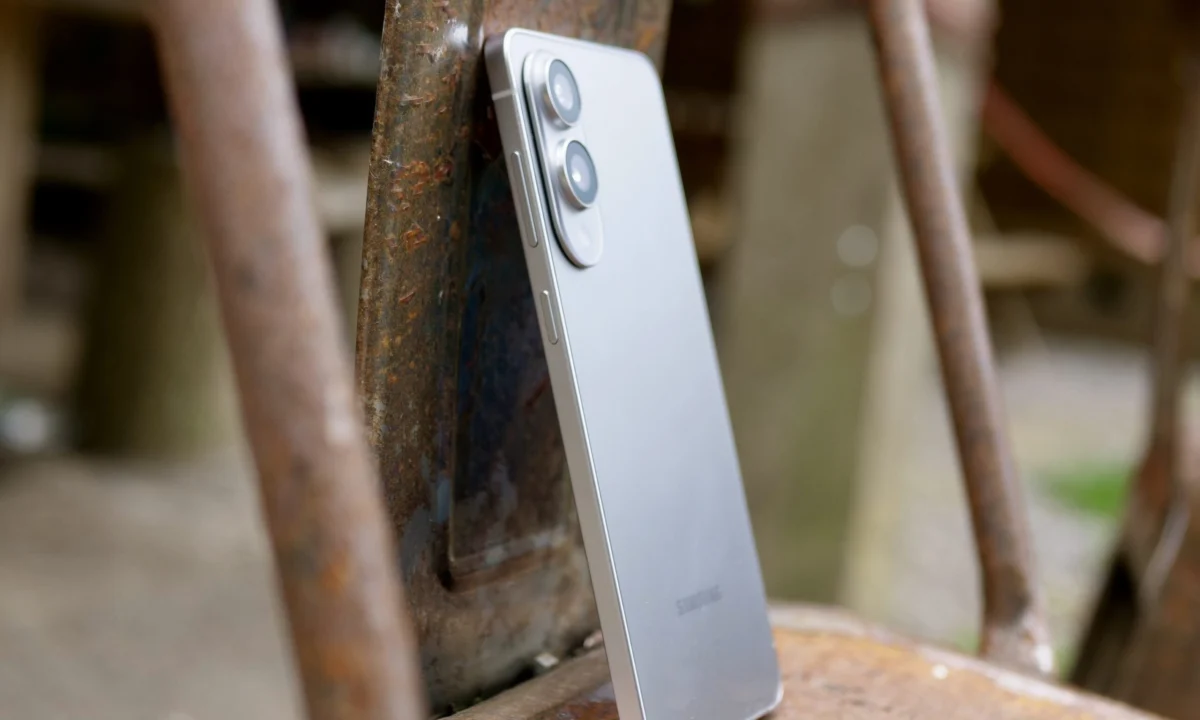
In the ever-evolving landscape of mobile technology, manufacturers have long been obsessed with a single, elusive metric: thinness. From the earliest days of the smartphone wars to the current generation of ultra-slim devices like the Apple iPhone Air and the Samsung Galaxy S25 Edge, the industry has equated a reduced profile with "premium" engineering. When you first pick up the iPhone Air—a device that measures a mere 5.64mm in thickness and weighs just 165 grams—the sensation is undeniably striking. It feels distinct, elegant, and futuristic. However, as the initial allure of these engineering marvels fades, a sobering reality sets in: there is a profound difference between a device that is thin and a device that is truly usable.
For power users and casual consumers alike, the ongoing trend toward "slab-like" dimensions—where devices creep closer to the 7-inch display threshold—is creating a persistent, low-level physical fatigue. While the iPhone Air and its contemporaries succeed in shedding weight and reducing the physical burden in one’s pocket, they fail to solve the fundamental problem of modern smartphone ergonomics: the reach.
Main Facts: The Evolution of the "Slim" Flagship
The current generation of ultra-thin smartphones represents a triumph of industrial design, but they are often caught in a tug-of-war between aesthetics and utility.
- The iPhone Air: Measuring 5.64mm, it utilizes a 6.5-inch OLED display with ProMotion technology. It is a masterclass in weight distribution, making it significantly less tiring to hold for extended reading or media consumption compared to its Pro Max siblings.
- The Samsung Galaxy S25 Edge: A direct competitor in the slim category, the S25 Edge emphasizes its sleek chassis, though it sacrifices internal volume to achieve its silhouette.
- The Compromise: To achieve these sub-6mm profiles, manufacturers are forced to make concessions. In the case of the iPhone Air, the camera array is simplified to a single 48MP Fusion sensor. The Samsung Galaxy S25 Edge similarly relies on a high-resolution 200MP main sensor but pairs it with a noticeably lackluster 12MP ultra-wide lens, leaving power users wanting more in terms of focal versatility.
A Chronology of the "Big Phone" Era
To understand why we have arrived at the "thin vs. compact" debate, one must look at the last decade of smartphone design.

- 2014–2017 (The Expansion): As streaming video and mobile gaming became dominant, the market shifted away from the 4-inch "pocketable" form factor. The introduction of "Plus" and "Max" models normalized the 5.5-inch to 6-inch screen size.
- 2018–2022 (The Camera War): The push for larger sensors, periscope lenses, and massive batteries led to a significant increase in device weight and thickness. Phones became "camera-heavy" at the top, leading to top-heavy balance issues.
- 2023–2025 (The Current Pivot): Recognizing the "big phone fatigue" felt by consumers, manufacturers split their approach. One path was the "Ultra-Slim" route (iPhone Air, S25 Edge), focusing on weight reduction. The other was the "Modern Compact" route (Xiaomi 15, OnePlus 15T), which focuses on maximizing power within a smaller, traditional footprint.
Supporting Data: The Ergonomic Gap
The primary flaw in the "thinness is king" philosophy is that it does not address the geometry of the human hand. Even if a phone is incredibly light, the reach of the user’s thumb remains tethered to the device’s vertical height.
Data from recent user experience studies suggest that for a user with average hand size, the "active zone" of a screen—the area reachable with one hand without adjusting one’s grip—does not include the top 30% of a 6.7-inch display.
Why Slim Isn’t Always Better:
- The Reach Problem: Regardless of how thin the phone is, the top of the display remains a "no-man’s land." Pulling down the Notification Center or reaching for the Control Center requires a dangerous shift in grip that often leads to accidental drops.
- The Weight Distribution Myth: While the iPhone Air feels lighter, the length of the device creates a lever effect. A long, thin phone is often more prone to "tipping" out of the hand than a slightly thicker, more balanced compact phone.
- Hardware Trade-offs: The "Thin" category often forces a reduction in battery capacity or cooling efficiency. Conversely, modern compact phones are proving that density can be an advantage. The OnePlus 15T, for example, packs a massive 7,500mAh battery, 100W wired charging, and advanced cooling into a frame that is significantly shorter and easier to manage than its larger counterparts.
Official Perspectives and Industry Strategy
Manufacturers are acutely aware of the "big phone" fatigue. Apple’s release of the iPhone Air was positioned not as a replacement for the Pro series, but as an experiment in luxury minimalism. Industry insiders suggest that Apple is testing whether consumers prioritize "feel" over "specs."
Samsung, through the Galaxy S25 Edge, has taken a more aggressive stance on aesthetic appeal, betting that the visual impact of a razor-thin phone will drive sales in a saturated market. However, feedback from professional reviewers and tech enthusiasts has been mixed, with many pointing out that while the phones look "stunning" in a showroom, they offer little utility for the power user who demands a full suite of optical sensors (telephoto, ultrawide, and wide).

The most compelling counter-narrative comes from the "Compact Flagship" camp. Brands like Xiaomi and OnePlus are effectively arguing that the "perfect" phone isn’t one that is impossibly thin, but one that is perfectly balanced. By maintaining a triple-camera setup and high-capacity batteries in a smaller body, they are challenging the notion that "bigger is better" for professional-grade photography.
The Implications: Where Do We Go From Here?
The emergence of these distinct design philosophies has deep implications for the future of mobile hardware. We are likely entering a period of "ergonomic diversification."
1. The Death of the "One-Size-Fits-All" Flagship
For years, the best specs were reserved only for the largest, most unwieldy phones. The success of devices like the Xiaomi 15 proves that consumers are demanding high-end internal components in smaller packages. We should expect to see more "Pro" grade features trickling down into smaller form factors.
2. The Limits of Miniaturization
There is a point of diminishing returns. As devices move toward the 5mm thickness mark, they become fragile and difficult to repair. The industry may soon realize that the "sweet spot" for a phone’s thickness is actually between 8mm and 9mm—a size that allows for larger batteries, better thermal management, and a more secure grip, without feeling "chunky."

3. The Rejection of "Big Phone Fatigue"
The "iPhone Air" experiment proves that the industry is listening to complaints about weight and thickness. However, the next iteration of the "ideal" smartphone will likely prioritize height reduction over thickness reduction. If manufacturers want to solve the ergonomic crisis, they must stop making phones taller and instead focus on maximizing screen-to-body ratios within a footprint that fits comfortably in the palm.
Conclusion: A Return to Usability
The iPhone Air is undeniably a triumph of engineering—an ambitious, beautiful piece of hardware that pushes the boundaries of what is possible. It makes the prospect of carrying a large phone significantly more palatable. Yet, for those of us who have spent the last year with a true "compact" daily driver, the conclusion is clear: thinness is a temporary distraction from the true issue of usability.
We do not need phones that are thinner; we need phones that are smarter about their dimensions. We need devices that respect the limitations of the human hand and offer the full range of features—from 100W charging to triple-camera arrays—without requiring a second hand to operate. The future of the smartphone isn’t found in a race to the bottom of the millimeter scale. It is found in the sensible, compact, and powerful devices that prioritize the user’s daily experience over a showroom aesthetic. The era of the "slab" may be nearing its end, and the return of the truly capable compact phone cannot come soon enough.












No comments yet. Be the first to join the conversation!