

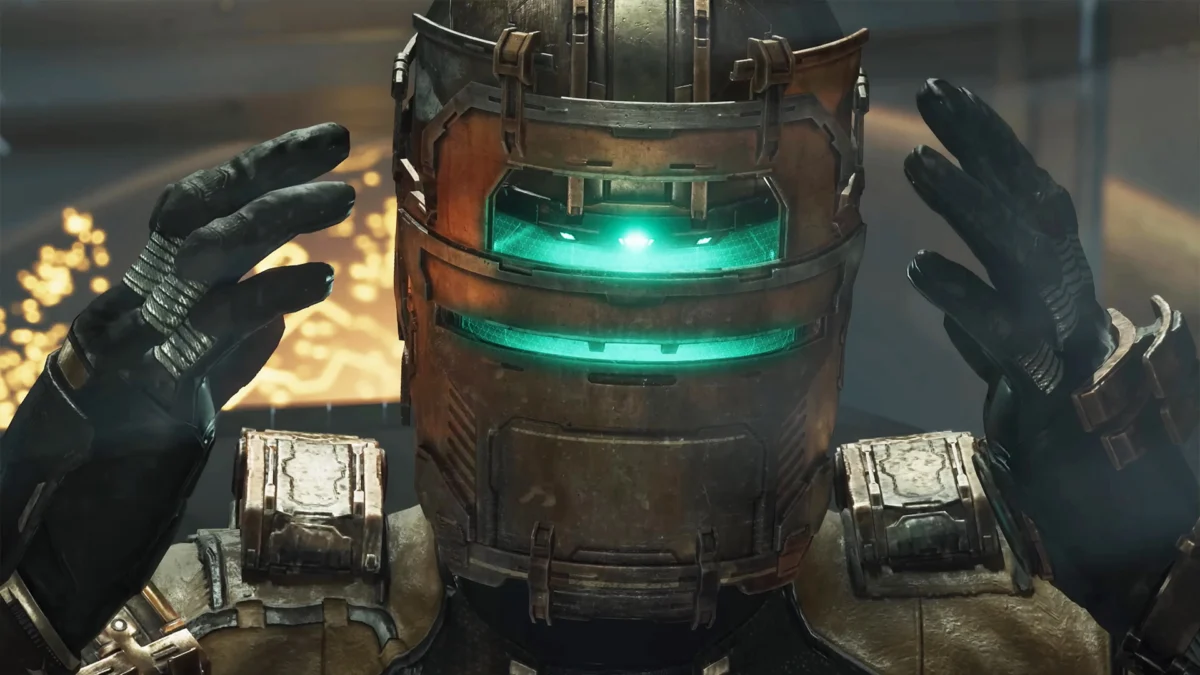
Few franchises in the history of interactive entertainment have managed to craft an atmosphere of unrelenting, claustrophobic dread quite like Dead Space. From the moment players first stepped into the sterile, blood-slicked corridors of the USG Ishimura, Visceral Games proved that science fiction horror could be as cerebral as it was visceral. Yet, despite its status as a critical darling and a cult phenomenon, the franchise has spent over a decade in a state of suspended animation.
Recent insights from series veterans have finally peeled back the curtain on why this space-faring horror icon struggles to secure a future, revealing a clash between artistic ambition and the cold, unforgiving mathematics of the modern AAA gaming industry.
The Financial Reality of Sci-Fi Horror
The central thesis behind the stagnation of Dead Space is simple, if disheartening: the genre, despite its passionate following, operates within a rigid financial ceiling. Chuck Beaver, a lead producer who worked on all three original entries in the Dead Space trilogy, recently spoke with FRVR to shed light on why pitches for a fourth installment—both from the original Visceral team and the more recent EA Motive—have failed to gain traction with Electronic Arts.
According to Beaver, the metrics for success have shifted dramatically since the series’ debut in 2008. While a sales target of five million units might have justified a sequel in the early 2010s, the "cost of things" in modern game development has caused those break-even points to balloon to unsustainable heights. For a publisher like EA, a project must do more than just turn a profit; it must compete with the "perennial money-makers" of the industry.
"Companies now are looking for the next Fortnite," Beaver noted. "They need something that is a perennial money-maker… something like a single-player package game with no live-service offering, it’s just a dinosaur fossil of a business model."
A Chronology of Stalled Ambition
The path of Dead Space has been one of high highs and precipitous lows, marked by repeated attempts to revitalize the series.
- 2008–2013: The Trilogy Era: Visceral Games launched Dead Space to massive critical acclaim, establishing Isaac Clarke as an iconic protagonist. However, while the first two games were lauded, Dead Space 3 shifted toward action-oriented gameplay, a pivot that alienated some of the core horror fanbase and failed to reach the aggressive sales targets set by EA.
- 2013–2017: The Visceral Shutdown: Following the lukewarm reception of the third entry, the team at Visceral Games attempted to pitch Dead Space 4. Creator Glen Schofield, in a November 2024 interview, confirmed that the studio’s leadership had developed concepts for a new game, but were met with a wall of indifference from EA’s executive suite. Shortly after, Visceral Games was shuttered entirely in 2017.
- 2023: The Remake Revival: EA Motive was tasked with remaking the original Dead Space, a project that received near-universal acclaim. With a 9/10 score in many outlets, the game was a masterclass in modernizing survival horror. However, reports soon surfaced that despite the positive critical reception, the sales figures did not meet the "blockbuster" expectations required by EA to greenlight a full-scale sequel or a remake of the second entry.
- 2024–Present: The "Dinosaur" Dilemma: Following the remake’s performance, EA effectively pivoted away from the franchise once more, leaving the series in the same state of limbo it occupied after 2013.
The "Resident Evil" Benchmark
To understand why EA is hesitant, one must look at the outliers in the horror genre. Resident Evil, a franchise that has successfully reinvented itself multiple times, serves as the industry gold standard. Capcom’s recent entries, such as Resident Evil Village or the Resident Evil 4 remake, consistently move units in the seven-to-ten-million range.
As Beaver points out, these numbers are the "pretty good" metrics that shareholders demand. For Dead Space to return, it would likely need to prove that it can reach that same level of market penetration. However, the Dead Space series has always been a niche, albeit "fervent," experience. While horror fans are among the most dedicated demographics in gaming, they do not always possess the mass-market appeal required to turn a single-player, narrative-driven experience into a multi-billion dollar juggernaut.

The implication is clear: in the eyes of modern corporate accounting, a game that sells well but doesn’t reach "generational hit" status is often viewed as a missed opportunity rather than a success.
The Problem with "Single-Player" in a Live-Service World
The most poignant takeaway from the discourse surrounding Dead Space is the existential crisis facing the single-player, finite-experience model. In an era where publishers prioritize "Engagement Metrics"—daily active users, recurring revenue, and battle passes—a game that you play for 20 hours and then finish is increasingly difficult to justify to a board of directors.
When a developer like EA Motive pours years of labor and tens of millions of dollars into a high-fidelity remake, the expectation is that it will serve as a platform for ongoing revenue. When that doesn’t happen, the project is categorized as a "dinosaur fossil." This terminology is chilling for fans of narrative gaming; it suggests that even the most technically perfect, critically beloved single-player games are fighting against an industry tide that views them as outdated, inefficient assets.
The Future of the Franchise: Cult Status vs. Commercial Viability
So, where does this leave Isaac Clarke?
If the Dead Space series is to return, it will likely require a fundamental shift in how EA views the IP. There is a distinct difference between a "brand" and a "product." Dead Space remains a high-value brand with immense brand recognition, a loyal community, and a legacy that influences dozens of indie horror titles released every year.
However, until a new project can bridge the gap between "cult favorite" and "global blockbuster," the IP will likely remain locked in EA’s vault. The irony, of course, is that the very "dinosaur fossil" business model that EA is moving away from is exactly what fans of the franchise are clamoring for.
For now, the Necromorphs remain dormant. The lessons of the Dead Space saga are a cautionary tale for the industry at large: in the race to create the next Fortnite, the industry risks losing the unique, bone-chilling masterpieces that defined gaming’s golden age of single-player narrative. As Beaver suggests, the numbers just aren’t there—at least not for the kind of game that Dead Space was designed to be. Whether EA ever decides to gamble on a smaller, more focused, or differently budgeted approach remains the final, unanswered question of this haunting franchise.











No comments yet. Be the first to join the conversation!