

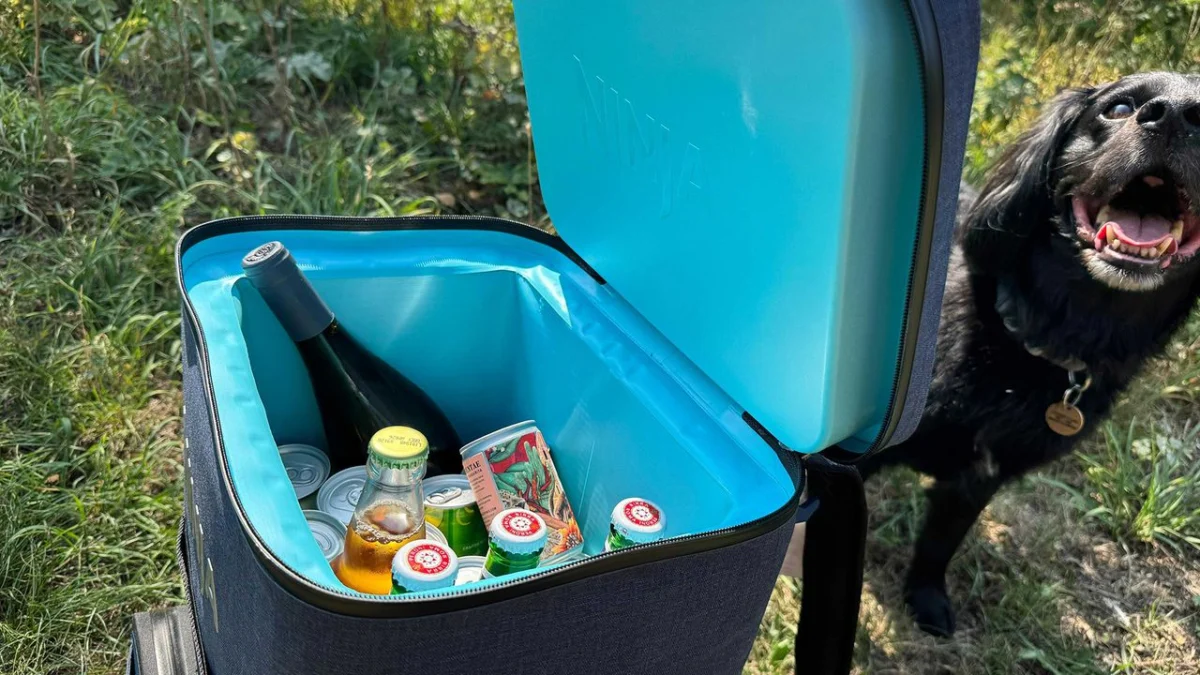
As temperatures rise and the allure of the great outdoors beckons, the humble cooler has undergone a radical transformation. No longer relegated to the status of a bulky, leaking plastic box shoved into the trunk of a car, the modern cooler has become a sophisticated piece of outdoor gear, engineered for performance, portability, and style. Whether you are trekking to a remote beach, navigating a city park, or hosting an elegant garden soirée, selecting the right cooling companion is the difference between a refreshing experience and a lukewarm disappointment.
The Evolution of the Portable Chiller
For decades, the cooler market was dominated by basic, mass-produced plastic bins that prioritized capacity over thermal efficiency. However, the surge in outdoor recreation over the last decade has forced manufacturers to innovate. Today’s consumers demand modularity, rugged construction, and specialized thermal engineering.
We are currently witnessing a "Golden Age" of refrigeration technology. Manufacturers are utilizing advanced materials—such as roto-molded polyethylene, closed-cell foam insulation, and antimicrobial liners—to extend the life of ice for days, rather than hours. This shift is driven by a consumer base that is increasingly mobile, expecting their equipment to perform as well in a wilderness setting as it does in a suburban backyard.
The Anatomy of the Perfect Cooler: Key Market Segments
To understand how to choose the right cooler, one must first categorize the modern landscape. The market has effectively split into three distinct segments:
1. The High-Performance Hard Cooler
These are the heavy hitters. Brands like Yeti have set the gold standard here, utilizing thick, pressure-injected insulation walls that can hold ice for five days or more. These units are built to withstand extreme environments, often serving as both a food storage solution and a durable seat or step-stool. They are ideal for extended camping trips, tailgating, or boating where weight is less of a concern than thermal retention.
2. The Mobility-Focused Backpack Cooler
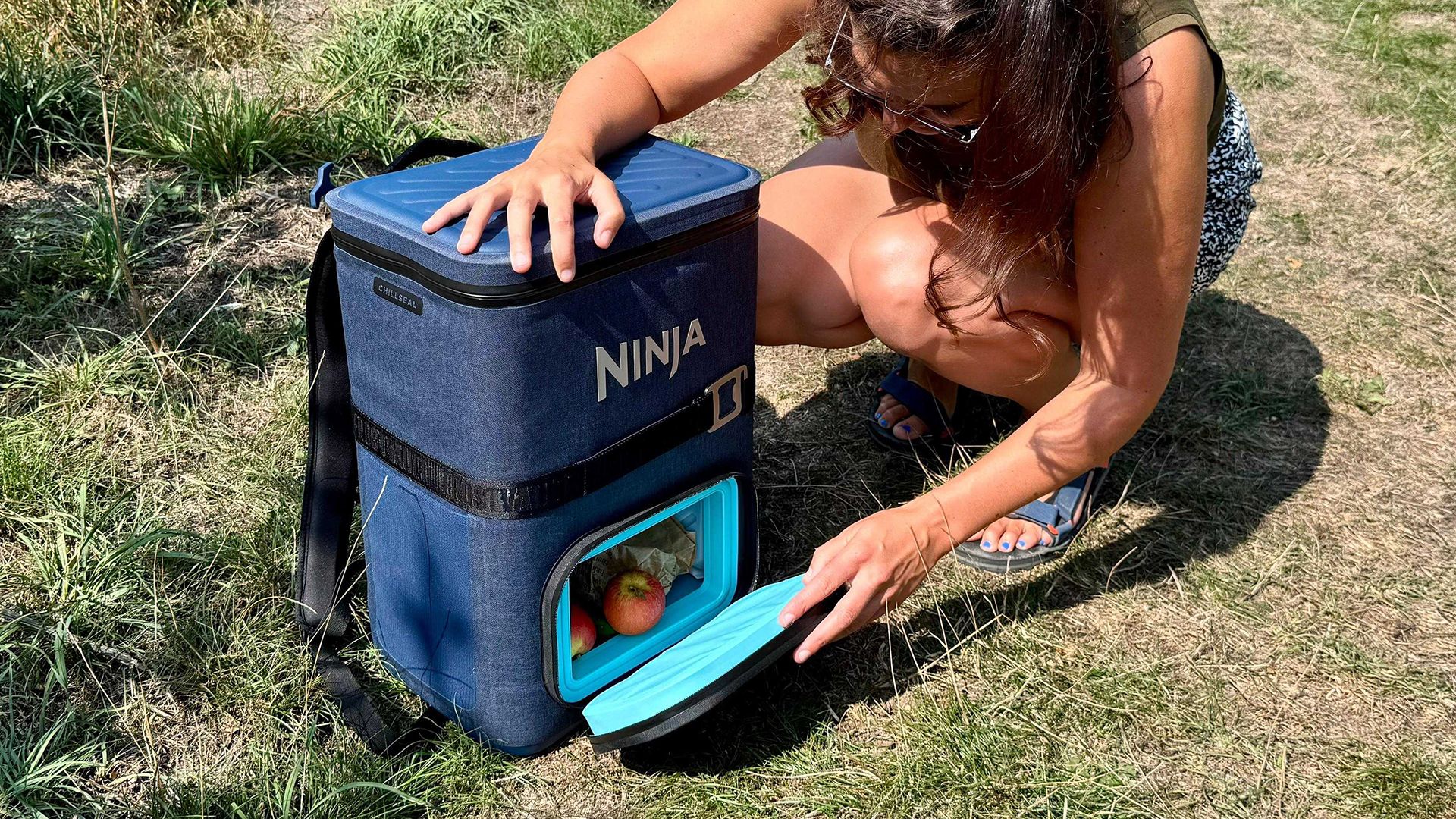
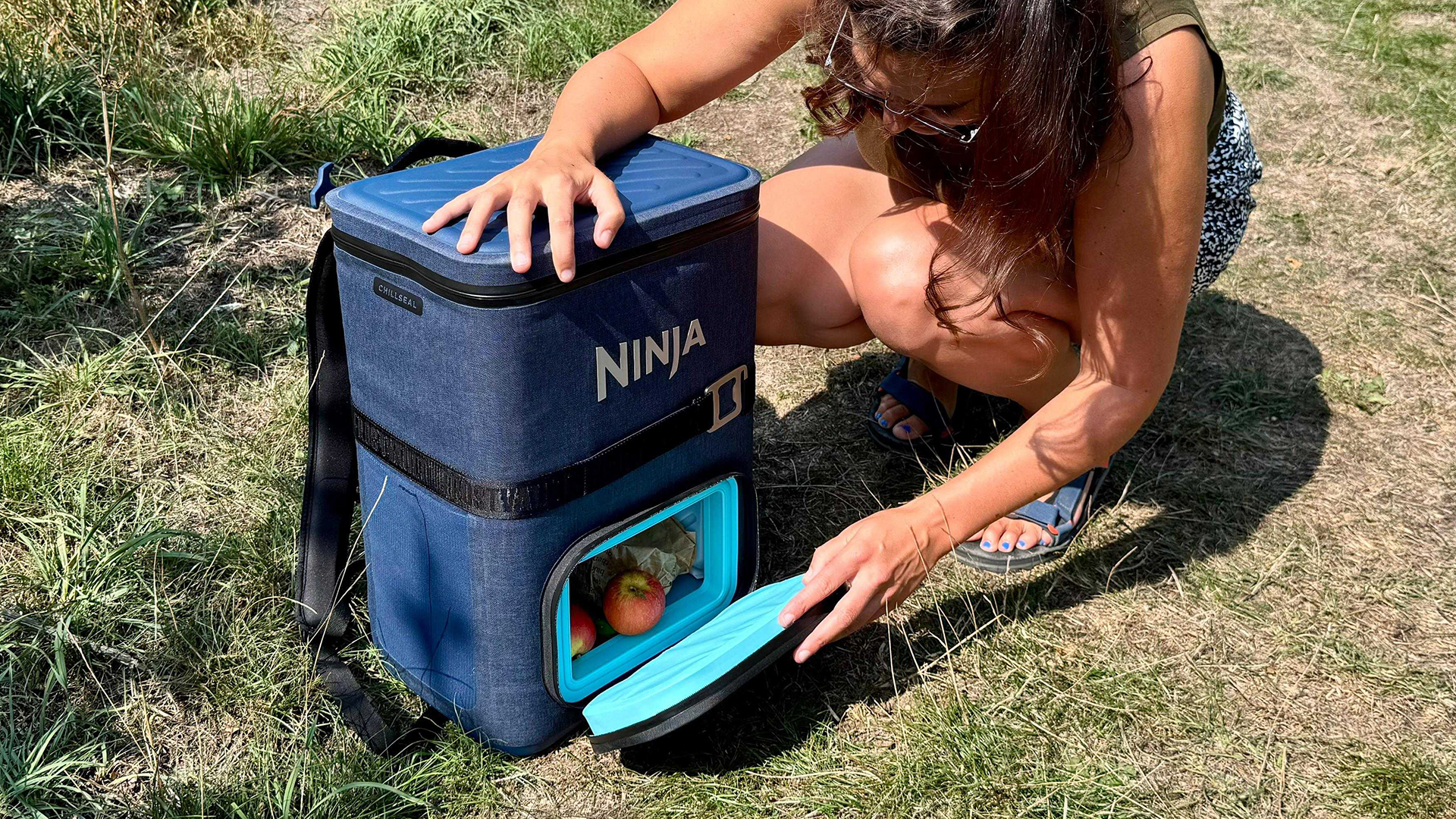
The rise of the "adventure-ready" cooler is perhaps the most significant recent development. Products like the Ninja HydroGo represent the cutting edge of this category. By shifting the weight of your supplies from your hands to your back, these coolers allow hikers and city-dwellers to transport chilled goods to locations previously inaccessible by car. These units prioritize ergonomics, leak-proof zippers, and dedicated compartments for ice packs, ensuring that the cold stays where it belongs.
3. The Lifestyle and Aesthetic Cooler
Functionality is no longer the only metric for success. Consumers now demand gear that looks as good as it performs. High-street retailers, notably John Lewis with their Coastal Picnic range, have capitalized on this by incorporating design-forward elements. Think classic stripes, bold color-blocking, and retro silhouettes that fit perfectly into an Instagram-worthy picnic setting. These coolers prove that you do not have to sacrifice style to keep your rosé at the perfect temperature.
Chronology of Innovation: From Ice Box to Smart Gear
- 1950s–1970s: The Era of Convenience. The introduction of lightweight polystyrene and plastic coolers made the "ice box" accessible to the average family, fueling the growth of the American road trip.
- 1990s–2000s: The Durability Push. Camping specialists like Coleman and Vango began refining the structural integrity of their coolers, introducing better hinges and stronger latches to handle the wear and tear of rugged outdoor environments.
- 2010s: The "Yeti" Effect. A shift toward premium, over-engineered coolers redefined consumer expectations. Suddenly, "rotomolding" became a buzzword, and users began paying premium prices for professional-grade gear.
- 2020s–Present: The Backpack and Lifestyle Era. The current trend favors portability and fashion. Brands are now focusing on lightweight materials that don’t compromise on insulation, alongside aesthetic designs that cater to the "picnic-core" and urban outdoor trends.
Supporting Data: Why Insulation Matters
The efficacy of a cooler is governed by the laws of thermodynamics. High-performance coolers use "R-value" (thermal resistance) as their North Star.
- Insulation Density: Rotomolded coolers feature thicker, more uniform insulation, which eliminates the "weak spots" found in cheaper, blow-molded alternatives.
- Surface Area to Volume Ratio: Larger, cube-shaped coolers generally retain ice longer than tall, thin ones because they have less surface area exposed to the ambient heat.
- The "Pre-Chill" Protocol: Industry experts consistently note that the most common cause of cooler failure is the user. Pre-chilling your cooler with a sacrificial bag of ice before packing your food can increase the duration of cold retention by as much as 20%.
Official Perspectives: The Expert View
As someone who has spent years as an Outdoor Editor, I have seen the transition from disposable, low-quality gear to investment-grade equipment. The consensus among professionals is clear: buy once, buy well.
When asked about the future of the industry, product designers at leading outdoor firms emphasize that the next frontier is sustainability. We are seeing a move toward recycled plastics and non-toxic, eco-friendly insulation materials. Furthermore, the integration of smart-tech—such as internal temperature sensors that sync with your smartphone—is no longer the realm of science fiction; it is the next step in the evolution of the camping cooler.
Implications for the Modern Consumer
What does this mean for your summer plans? It means that the "one-size-fits-all" approach to cooling is dead.
If you are a weekend warrior planning a trek into the mountains, a specialized, ergonomic backpack cooler is an essential investment. It protects your back from injury and ensures your food stays safe despite the exertion of the hike.
If you are a casual host, avoid the temptation to over-buy. You do not need a bear-proof, rotomolded chest to transport sandwiches to a local park. Instead, look for soft-sided, stylish options that are easy to clean and store.
Ultimately, the goal is to enhance the outdoor experience. A well-chilled beverage or a fresh salad after a long walk is more than just a convenience; it is a vital part of the reward for getting outside and engaging with nature.
Choosing Your Cooler: A Quick Checklist
Before you head to the store or click "add to cart," consider these four criteria:
- Duration: How long do you need the items to stay cold? (A day trip vs. a weekend camp).
- Portability: Do you need to carry this over long distances? (Backpack vs. Chest).
- Capacity: How much food/drink are you actually consuming? (Avoid the "empty space" trap, as air is the enemy of ice).
- Environment: Will the cooler be sitting in direct sunlight, or in the shade? (This dictates the necessary insulation thickness).
Final Thoughts
The modern cooler market is a testament to how outdoor gear has evolved to match our increasingly active and design-conscious lives. Whether you prioritize the rugged reliability of a brand like Vango or the chic aesthetic of a coastal picnic line, there is a cooler out there designed to keep your summer refreshments perfect. As we look forward to warmer days, ensure your kit is ready for the adventure—because the only thing better than a day out in the sun is knowing that a perfectly chilled treat is waiting for you at the end of the trail.












No comments yet. Be the first to join the conversation!