

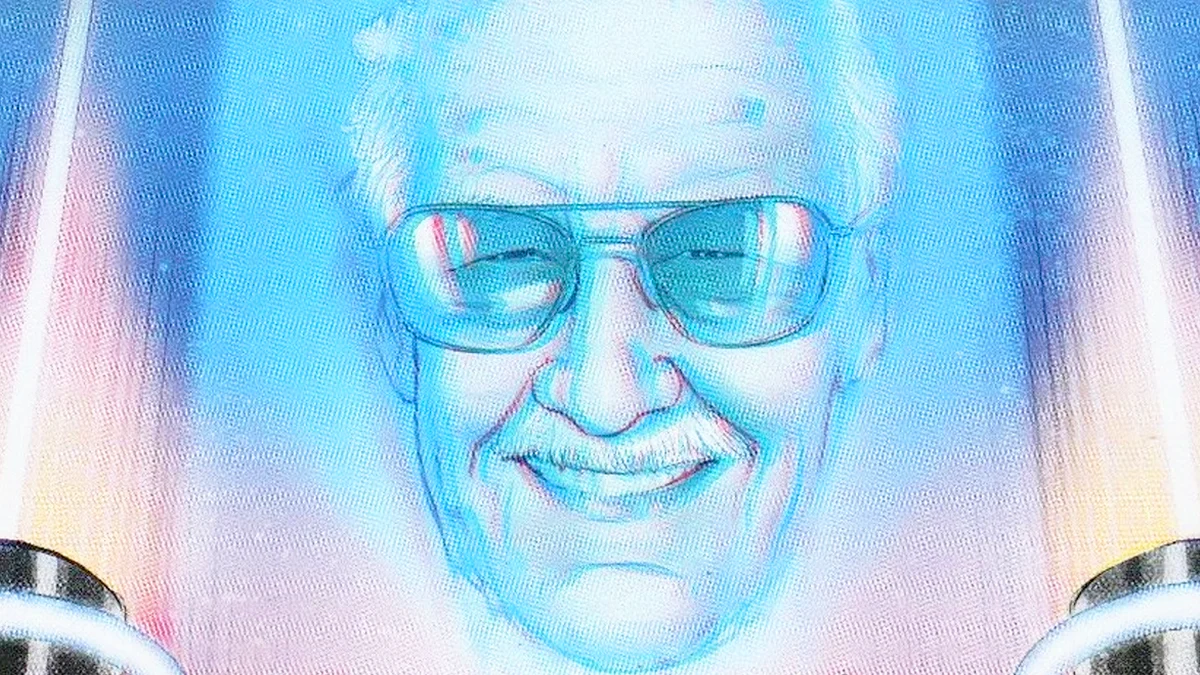
The Marvel Universe has long explored the boundaries of science, mortality, and the manipulation of reality. From the cosmic awareness of the Watchers to the cybernetic evolution of artificial intelligence, Stan Lee’s creations often grappled with the consequences of playing god. Now, the man himself has become the subject of that very inquiry.
In a move that has sparked intense debate across the creative industry and the fan community, the tech company ElevenLabs has officially partnered with the Stan Lee estate to integrate the late comic book icon into their “Iconic Marketplace.” This initiative promises to bring the voice and likeness of “Stan the Man” back into the fold, allowing him to be featured in everything from audiobooks and advertisements to films and video games. While the estate has provided legal consent, the development has left many “True Believers” questioning the morality of posthumous digital resurrection.
Chronology: From Legal Battles to AI Licensing
The trajectory leading to this moment is as complex and fraught as any comic book plotline. Before his passing in 2018, Stan Lee’s final years were marred by professional and personal turbulence. In the years leading up to his death, Lee was embroiled in high-profile legal battles, most notably against his former associates at POW! Entertainment. In a twist that now feels ironically prescient, Lee sued the company, alleging that they had attempted to seize his likeness and name for commercial exploitation without his full understanding or consent. Although that suit was eventually dropped, it highlighted a growing concern regarding how the creators of intellectual property maintain agency over their own identity.
During this same period, reports emerged alleging that Lee was a victim of elder abuse, fraud, and financial exploitation by various business managers. One of the most macabre claims involved allegations that a former associate had attempted to draw Lee’s blood to create “DNA-authenticated” collectibles—a dark precursor to the commodification of his physical essence.
Fast forward to the present day: Generative AI has transitioned from science fiction to an omnipresent commercial reality. ElevenLabs, a leader in AI voice synthesis, has secured a formal agreement with the Stan Lee Universe (the entity representing his estate). This partnership marks one of the most high-profile instances of a deceased celebrity’s likeness being entered into an AI marketplace. Unlike his previous legal struggles, where Lee was a living participant fighting for his autonomy, he is now a passive participant, his legacy governed by the digital mandates of his estate and the technical capabilities of Silicon Valley.
Supporting Data: The Mechanics of the “Iconic Marketplace”
The ElevenLabs “Iconic Marketplace” is designed to be a one-stop shop for high-fidelity synthetic media. By utilizing advanced machine learning models, the company has created a “cloned” voice that captures the cadence, inflection, and signature energy of Lee’s legendary delivery.
The reach of this technology is extensive:
- The Stan Lee Book Club of the Month: Through the Eleven Reader app, users can hear a facsimile of Lee narrate classic literature, ranging from traditional comic anthologies to public domain staples like Treasure Island.
- Commercial Integration: The license extends to commercial use, meaning that “Stan” could theoretically narrate a brand advertisement, appear as an NPC (non-player character) in a video game, or provide voiceover work for a film project.
- Visual Integration: Beyond audio, the platform includes custom templates and tools for generating comic panels featuring Lee’s likeness, effectively allowing users to create “new” Stan Lee stories without the need for an illustrator or a writer.
This creates a product that is effectively modular. By breaking down Lee’s persona into data points—his voice, his aesthetic, and his catchphrases—the platform allows for the infinite reproduction of a man who can no longer veto the content he is associated with.
Official Responses and the Industry Divide
The industry response to this technology is deeply fractured. ElevenLabs frames the partnership as a way to honor Lee’s legacy, providing a bridge between generations. They argue that by keeping his voice alive, they are ensuring that the man who shaped the modern superhero landscape remains a vibrant, interactive figure for his fans.
Conversely, the public reception has been largely characterized by discomfort. Social media forums and comic book news outlets have been flooded with descriptors like “vile,” “dystopian,” and “exploitative.” Comparisons to the dark, satirical tech-horror of Black Mirror are ubiquitous. Many fans argue that while the estate has the legal right to monetize Lee’s likeness, the moral right is far murkier. The central grievance is that Lee, a man who built his career on his personality and unique human spark, is being reduced to an “asset” that can be deployed at the whim of corporate entities.

The contrast between Lee’s situation and other celebrities is telling. Several stars, including Michael Caine, David Hasselhoff, and Matthew McConaughey, have entered into similar licensing agreements with AI companies. The critical difference is that these individuals provided informed, explicit consent while alive, navigating the terms of their digital afterlife with their own hands. Stan Lee, having passed away in 2018, did not have the opportunity to opt-in to the era of generative AI.
The Implications: Where Do We Draw the Line?
The implications of the Stan Lee case extend far beyond the comic book industry. We are entering an era of “digital immortality” where the boundary between a person’s life and their commercial existence is being erased.
1. The Erosion of Human Agency
The primary concern is the commodification of the deceased. When a public figure’s likeness is turned into a template, it becomes a product. If a digital version of Stan Lee is used to endorse a product or a political stance he might have disagreed with, there is no way to rectify the situation. The “human” element—the intent behind the art—is replaced by a mathematical approximation of his past works.
2. Legal Precedents and Estate Management
This move sets a dangerous precedent for estate law. As technology advances, it will become increasingly difficult for individuals to predict how their likeness will be used after they die. Currently, the law generally favors the property rights of the estate. However, as AI tools become cheaper and more accessible, we may see a rise in “post-mortem defamation” or “misappropriation of persona” lawsuits, as families and fans struggle to define the dignity of the dead.
3. The Future of Creative Labor
Finally, there is the economic impact on the creative industry. If AI can simulate the voice and likeness of a legend, what does that mean for the next generation of voice actors, narrators, and artists? By relying on the “clones” of the past, the industry risks stagnating. Instead of fostering new talent that could potentially define the next century of storytelling, corporations may opt for the safer, recognizable, and infinitely reproducible “brand” of a deceased icon.

Conclusion: The Watcher’s Perspective
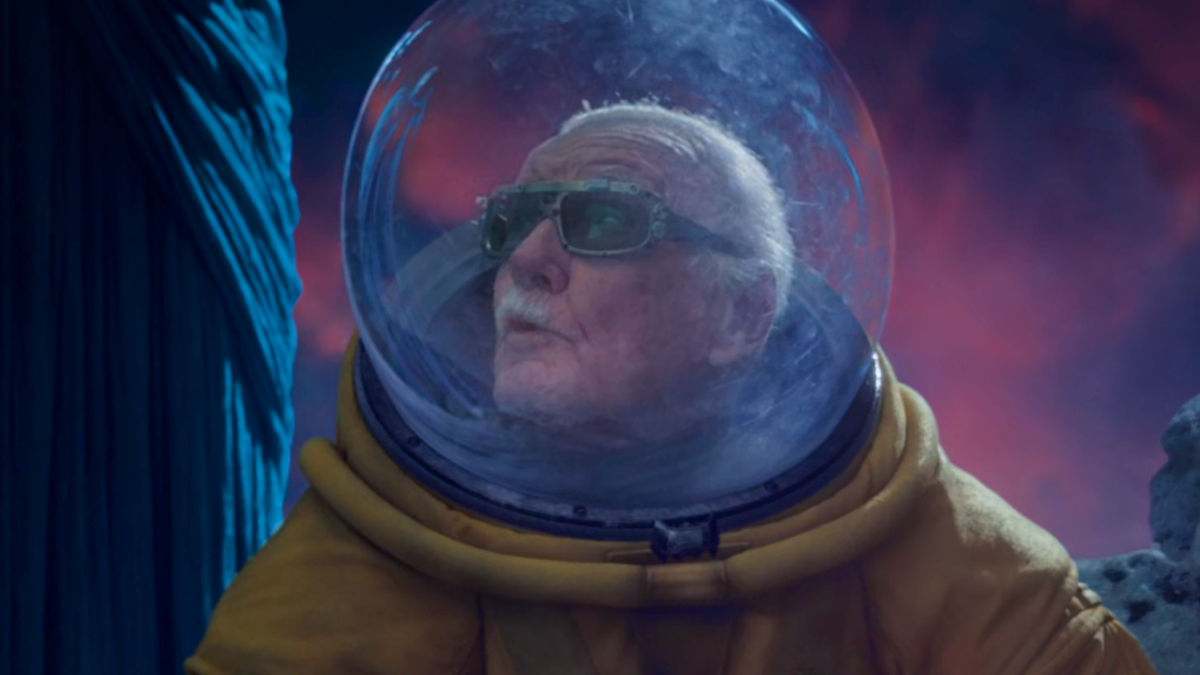
In his cameos throughout the Marvel Cinematic Universe, Stan Lee often appeared as a Watcher—a cosmic entity observing the events of the universe but forbidden from interfering. It is a profound irony that the man who spent his life observing and crafting stories is now being pulled from his position as an observer and forced to participate in a reality he did not create.
The resurrection of Stan Lee via ElevenLabs is a litmus test for our culture. It asks us to define what we value more: the preservation of a legacy through the cold efficiency of technology, or the sanctity of the human experience that ends, as all great stories must, with a final page. While the technology is undeniably impressive, the unsettling nature of the response suggests that for many, some icons are meant to be remembered, not reanimated. As we move forward, the question remains: just because we can bring the legends back, does it mean we should?









No comments yet. Be the first to join the conversation!