

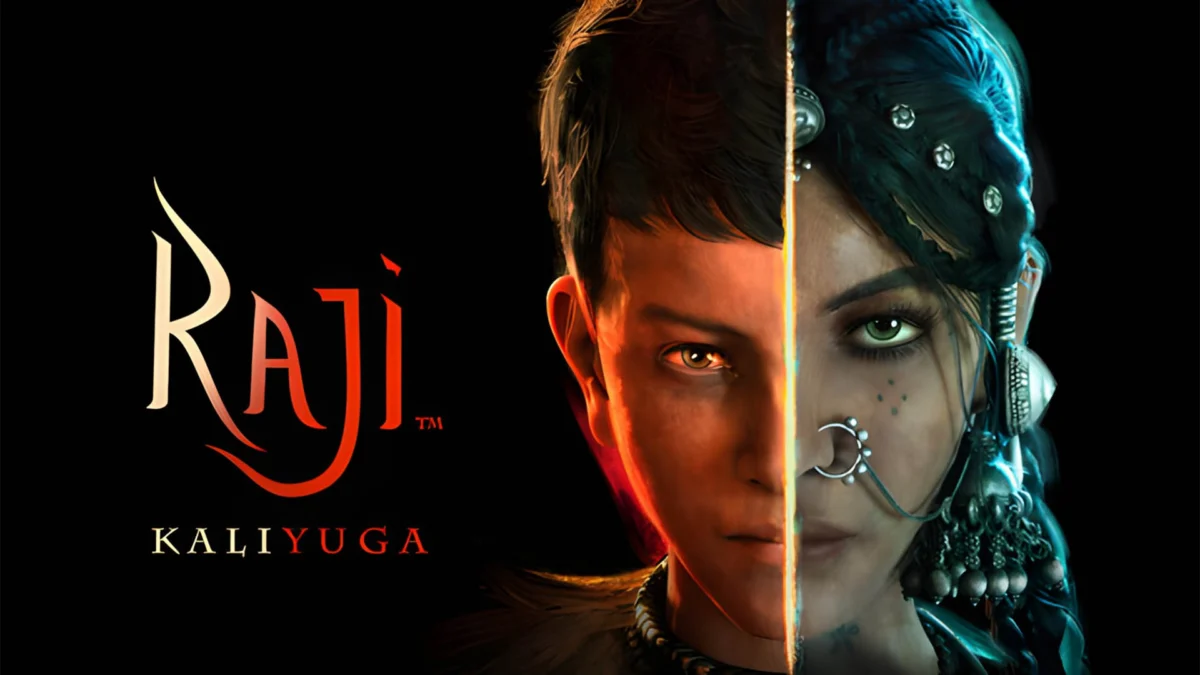
The landscape of indie action-adventure gaming is about to undergo a significant shift. During The MIX Summer Games Showcase 2026, Pune-based developer Nodding Heads Games pulled back the curtain on Raji: Kaliyuga, the highly anticipated sequel to their 2020 breakout hit, Raji: An Ancient Epic. If the initial gameplay trailer is any indication, the studio is not merely iterating on their previous formula; they are reinventing it, transitioning from a stylized isometric perspective to a sprawling, cinematic third-person action-adventure that promises to redefine the scale of Indian mythology in interactive media.
The Evolution of a Mythological Epic: Main Facts
At its core, Raji: Kaliyuga represents a fundamental change in how players engage with the world of the gods. While the original game was celebrated for its distinct art style—reminiscent of Pahari miniature paintings—and its top-down tactical combat, the sequel leans into the visceral nature of modern action games.
The shift to a third-person, over-the-shoulder perspective allows for a more intimate connection with the protagonists, Raji and her brother Darsh. The gameplay footage showcased at The MIX revealed fluid, high-octane combat sequences that emphasize verticality and environmental awareness. Players will no longer be mere observers of a painting come to life; they will be active participants in a chaotic, high-stakes battle against the encroachment of the "Kali Yuga," the final and most destructive age in the cycle of time according to Hindu cosmology.
A Chronological Progression: Six Years Later
The narrative of Raji: Kaliyuga picks up exactly six years after the conclusion of the first title. In the original Ancient Epic, Raji was a young circus performer chosen by the gods to stand against the demonic horde of Mahabalasura. Her journey was one of innocence lost and divine responsibility gained.
Now, in this sequel, the stakes have escalated beyond personal survival. The gates of heaven have been breached, and the world is spiraling into a state of metaphysical disarray. The inclusion of Darsh, Raji’s younger brother, as a playable character is a crucial narrative and mechanical bridge. The siblings, once victims of circumstance, are now seasoned warriors forced to navigate a universe where the lines between the celestial and the mortal have been irrevocably blurred. The passage of time is evident not just in the aging of the characters, but in the decaying, fractured state of the world they inhabit, signaling a darker, more mature tone for the franchise.
Mechanical Depth: Supporting Data and Gameplay Systems
Perhaps the most significant departure from the original title lies in the dual-protagonist system. Raji: Kaliyuga introduces a tactical layer to its combat that encourages players to leverage the unique strengths of both Raji and Darsh.
The Combat Dichotomy
- Raji’s Agile Offense: Raji remains the vanguard of the duo. Utilizing her signature spear-based combat, her playstyle is defined by speed, precision, and acrobatics. The trailer demonstrates a refined animation set that allows her to close distances rapidly, perform air-to-ground strikes, and execute parries that feel heavy and responsive.
- Darsh’s Mystical Utility: Darsh offers a contrasting experience. Rather than traditional melee, he serves as the tactical manipulator. His toolkit is focused on the manipulation of gravity, time, and elemental energy. By shifting between these two characters, players can create devastating combos—such as Darsh freezing an enemy in time before Raji delivers a finishing blow—adding a layer of strategic depth that was largely absent in the previous entry.
The environmental design also plays a larger role in this sequel. The levels appear more expansive, with verticality acting as a core pillar of level design. Players will traverse ancient temple complexes and ethereal plains that feel vast and imposing, utilizing a mix of platforming and exploration that takes full advantage of the new camera perspective.
The Studio’s Vision: Official Responses and Development Context
Nodding Heads Games has been relatively quiet regarding the development process, choosing to focus their resources on the technical leap from their previous engine architecture to a more robust, modern framework capable of supporting high-fidelity third-person action.

In early interviews, the developers expressed a desire to "do justice to the scale of the epics." By moving to a third-person perspective, they aren’t just changing the camera; they are changing the player’s immersion level. The team has consulted extensively with cultural historians and artists to ensure that while the gameplay is "modern," the visual language remains strictly tethered to traditional Indian iconography, including temple architecture, traditional motifs, and the vibrant, saturated color palettes that made the original game visually striking.
The transition to platforms like PlayStation 5 and Xbox Series X/S is not merely a change in hardware; it is a commitment to performance. With the game confirmed for a day-one launch on Xbox Game Pass, Nodding Heads is positioning Raji: Kaliyuga as a flagship title that aims to reach the widest possible audience, ensuring that the stories of the Vedas and Puranas are accessible to a global gaming population.
Implications: A New Standard for Culturally Rich Indie Titles
The release of Raji: Kaliyuga carries significant implications for the indie sector. Historically, large-scale, third-person action-adventure games were the exclusive domain of AAA studios with massive budgets and massive teams. Nodding Heads Games is challenging this paradigm.
1. The "Indie-AAA" Bridge
By delivering a product that looks and feels like a big-budget blockbuster while maintaining the creative soul of an indie project, the studio is setting a new benchmark. It demonstrates that with the right engine optimizations and a clear, focused design vision, smaller teams can achieve the "cinematic" quality that players have come to expect from the industry’s biggest players.
2. Globalizing Indian Mythology
The success of the first Raji proved that there is a massive, underserved appetite for non-Western mythological storytelling. Kaliyuga takes this further by building a cohesive universe. It invites players into a world that feels lived-in and historically grounded, even while it features gravity-defying powers and demonic wars. If Kaliyuga performs well, it could open the floodgates for more studios in South Asia to share their local folklore with the global gaming stage, moving the medium away from a reliance on Greco-Roman or Norse tropes.
3. The Future of the Franchise
With the shift in perspective and the introduction of a dual-protagonist narrative, the path is clear for the franchise to expand. The "Kali Yuga" itself is a cyclical concept that offers endless opportunities for storytelling. Should this sequel find success, the studio has the technical foundation to build a long-running series that explores different aspects of the mythological cycle, potentially establishing Raji as the premier action-adventure franchise for Indian mythology in the 21st century.
Conclusion: A Wait Worth Enduring
As the industry turns its gaze toward the 2026 release window, Raji: Kaliyuga stands out as a beacon of ambition. It is a rare example of a sequel that doesn’t just promise "more of the same," but dares to fundamentally overhaul its gameplay identity to better serve the story it wants to tell.
Whether you are a fan of the original’s art-house aesthetic or a newcomer looking for a fresh, high-octane action experience, the evolution shown at The MIX suggests that Nodding Heads Games is prepared to deliver something special. With the power of current-gen hardware, a refined combat loop, and a narrative that tackles the very collapse of the universe, Raji: Kaliyuga is shaping up to be not just a highlight of the year, but a landmark achievement in the indie space. The gates of heaven may be broken, but for players, the path ahead looks brighter than ever.











No comments yet. Be the first to join the conversation!