Suro Senen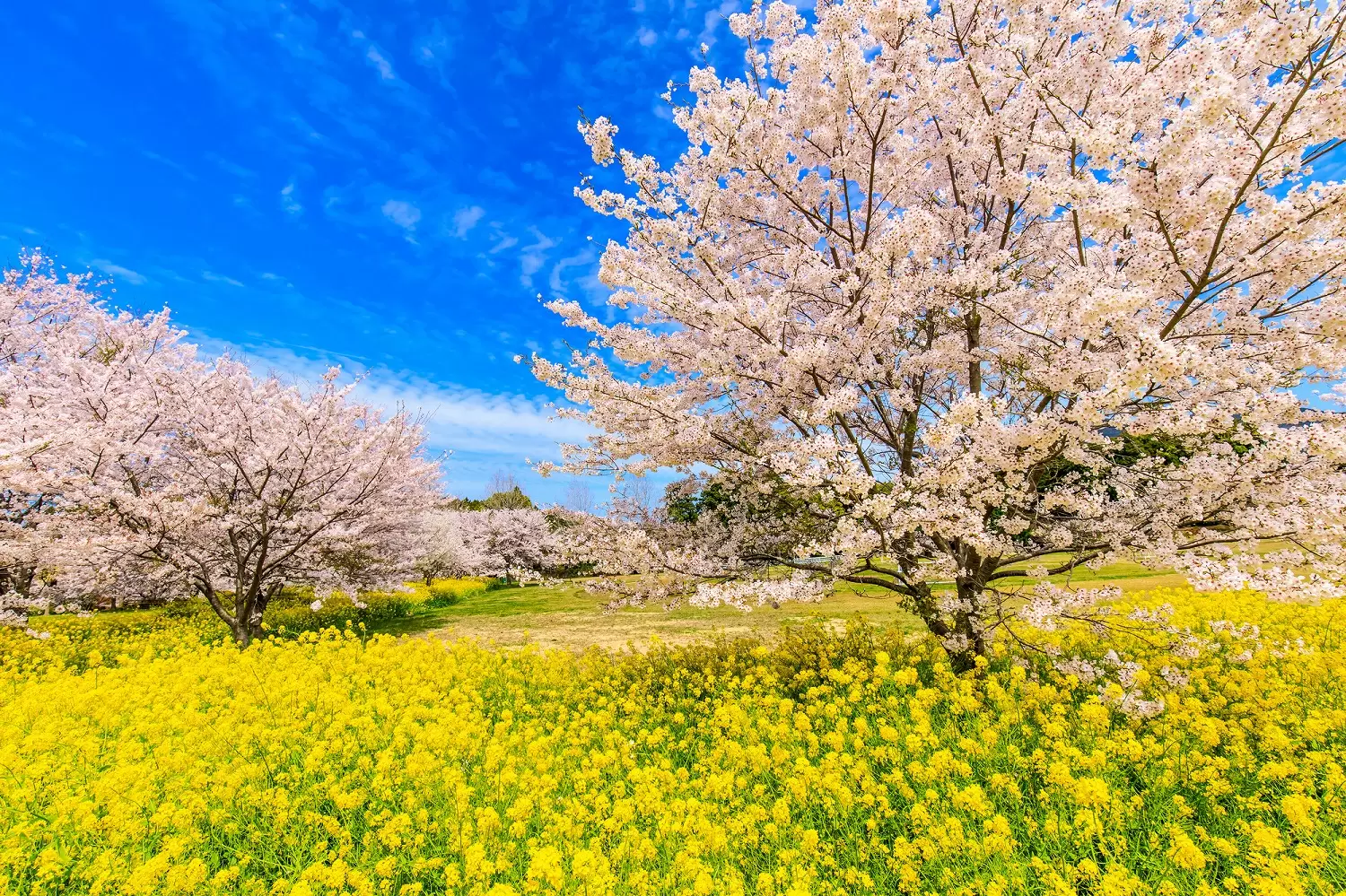
Nagasaki, a historic port city nestled on the northwestern coast of Kyushu, is a place of profound cultural resonance and stunning natural beauty. Renowned for its unique blend of Japanese, Chinese, and Western influences, the city offers a temperate climate largely influenced by the warm currents of the East China Sea. However, for the discerning traveler, understanding the nuances of Nagasaki’s weather is the key to unlocking a seamless experience. Whether you are chasing the ephemeral beauty of cherry blossoms or seeking the crisp, clear night views of winter, this guide provides a comprehensive look at what to expect from the elements in this captivating prefecture.
The Meteorological Fabric of Nagasaki: A Regional Overview
While Nagasaki is generally categorized as having a mild climate, it is a region of surprising meteorological diversity. The prefecture’s topography—defined by mountainous terrain, peninsulas, and scattered islands—creates distinct microclimates that travelers must navigate.
Regional Variations
- The Northern Region: Characterized by its proximity to the Sea of Japan, this area experiences robust winter monsoons. Travelers here should expect a colder climate that often mirrors the atmospheric conditions found further north on Japan’s main island.
- Inland and the Shimabara Peninsula: These areas are defined by their volatility. The inland basin and the rugged Shimabara Peninsula are prone to dramatic temperature shifts. Visitors here will encounter scorching summers, biting winter mornings, and significant daily temperature fluctuations that necessitate strategic layering.
- Tsushima and Iki Islands: These outlying islands are exposed to the raw power of seasonal winds blowing directly from the Korean Peninsula. Consequently, they experience prolonged, freezing winter temperatures that demand significant cold-weather preparation.
Chronology of the Seasons: A Month-by-Month Analysis
To navigate Nagasaki effectively, one must look at the calendar as a guide for both wardrobe and itinerary planning.

Winter: The Season of Clarity and Tradition (January – March)
Winter in Nagasaki is not merely a season of cold; it is a season of striking clarity. While January marks the coldest point of the year, it is also when the city offers its most atmospheric night views.
- January: The coldest month. With average highs of 12°C and lows of 4.9°C, the piercing northwesterly winds create a chill that cuts through standard clothing. Strategic advice: Invest in wind-resistant outerwear. Thermal base layers (such as Heattech) are highly recommended.
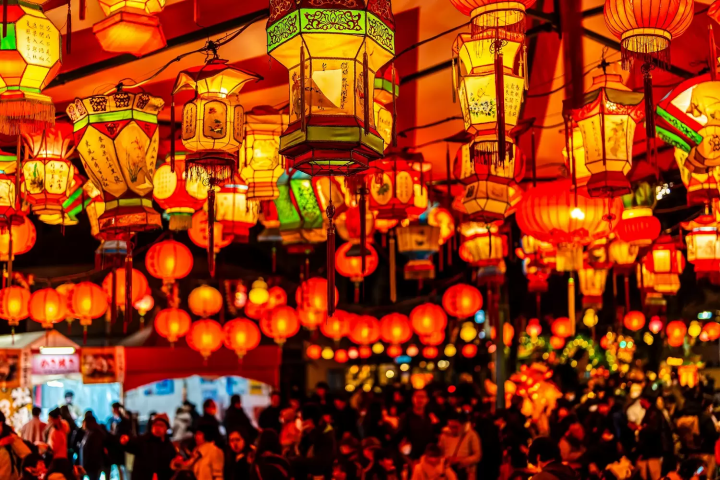
- February: Temperatures begin a slow climb (Average High 14.3°C, Low 7.4°C). This month hosts the spectacular Nagasaki Lantern Festival, a vibrant celebration that illuminates the city’s historic streets. While the sun may shine during the day, keep your scarf and gloves handy for the chilly evenings.
- March: Spring begins to stir. With averages reaching 16°C, the weather becomes far more amenable to walking tours. However, remain cautious; the "spring chill" is a real phenomenon that persists after sunset.
Spring: A Transition of Bloom and Humidity (April – June)
Spring is perhaps the most picturesque time to visit, characterized by the iconic cherry blossoms and the gradual encroachment of the rainy season.

- April: The peak of beauty. As the cherry blossoms reach full bloom, the city is bathed in soft pinks. Temperatures are comfortable (High 21.6°C), but be wary of "spring storms"—sudden, gusty weather shifts.
- May: The month of fresh greenery. It is a period of pleasant warmth, with daytime highs averaging 24.6°C. It is the perfect time for outdoor activities, though UV protection (hats, sunscreen) becomes essential as the sun strengthens.
- June: The arrival of Tsuyu (the rainy season). Humidity levels spike, and rainfall becomes frequent. Traveler Tip: Because Nagasaki is famous for its steep, hilly streets, prioritize slip-resistant footwear to navigate wet asphalt safely.
Summer: Intense Heat and Coastal Leisure (July – September)
Summer in Nagasaki is defined by its intensity. It is a season of vibrant festivals, such as the Nagasaki Minato Matsuri, but it demands respect for the elements.

- July: The onset of severe heat. Daytime highs soar past 31°C. Hydration is not just a suggestion; it is a necessity.
- August: The height of summer. With average highs of 33.8°C, the city experiences muggy, oppressive heat. Travelers should plan their day around early mornings or late evenings, utilizing the midday hours for indoor museum visits or air-conditioned breaks.
- September: The season of the typhoon. While the heat remains (32.9°C), the month is marked by a higher frequency of stormy weather. Always carry a sturdy, compact umbrella.
Autumn: The Golden Haze (October – December)
As the year winds down, the city cools, offering some of the most comfortable weather for exploration.
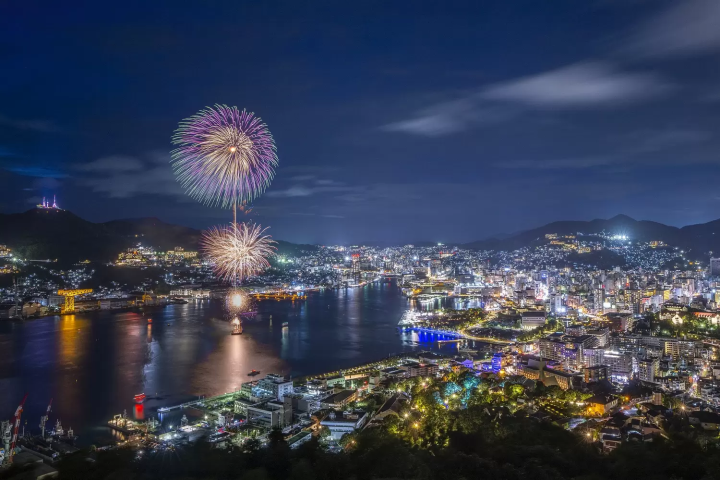
- October: Arguably the best month for sightseeing. The air is crisp, the humidity has vanished, and the temperature is mild.
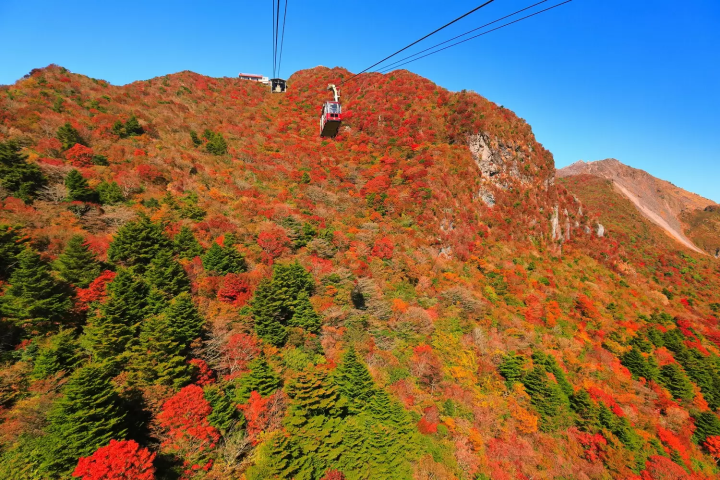
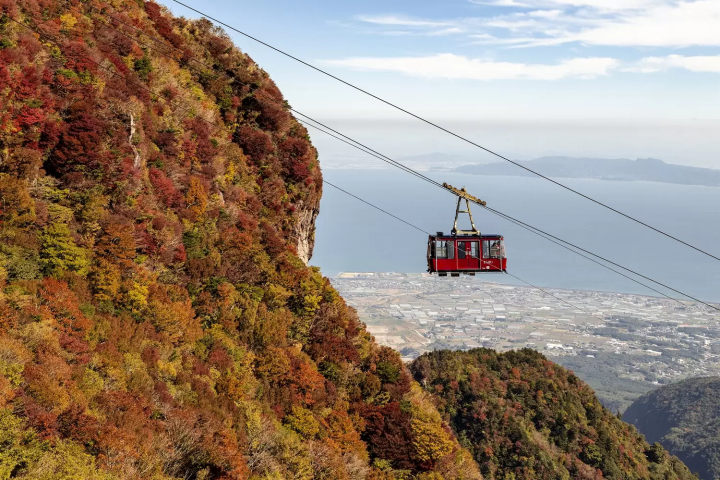
- November: The transition to winter is palpable. The fall foliage, particularly in the Unzen mountains, reaches its peak.
- December: Winter returns with a vengeance. Northwesterly winds return, and the need for heavy, wind-proof winter gear is reinstated.
Supporting Data and Essential Preparations
Understanding the averages is the foundation of a successful trip. The following table summarizes the thermal reality of the region:
| Month | Avg High (°C) | Avg Low (°C) | Key Concern |
|---|---|---|---|
| January | 12.0 | 4.9 | Piercing Winds |
| April | 21.6 | 14.7 | Spring Storms |
| August | 33.8 | 26.7 | Heatstroke Risk |
| October | 26.6 | 19.6 | Unpredictable Rain |
Professional Recommendation: Regardless of the season, Nagasaki’s topography requires high-quality, comfortable walking shoes. The city is a labyrinth of stairs and slopes; style should always be secondary to traction and comfort.

Official Perspective and Safety Implications
Local authorities and tourism boards emphasize that while Nagasaki is generally safe, the city’s geography dictates specific safety protocols.

- Heatstroke Prevention: During the months of July and August, public health alerts are common. Travelers are encouraged to utilize the "Cool Share" initiative, which promotes the use of public, air-conditioned spaces during the hottest parts of the day.
- Typhoon Preparedness: Between late August and September, the region is occasionally affected by passing typhoons. Tourists are advised to monitor the Japan Meteorological Agency (JMA) updates via the English-language portal. If a storm is forecasted, local transportation, including ferries to the islands, may be suspended.
- Hilly Terrain Awareness: Because of the dense, hilly architecture, the city is susceptible to localized flooding during extreme rainfall in June and September. Stick to well-traveled, paved paths and avoid hiking trails in mountainous areas (such as Mount Inasa) if the weather forecast is poor.
Conclusion: Embracing the Elements
Nagasaki is a destination that rewards those who prepare. By respecting the nuances of its maritime climate—from the biting winds of the northern reaches in January to the humid, sun-drenched festivals of August—you can ensure your trip is not just comfortable, but truly memorable.

Whether you are marveling at the historic Oura Church, walking through the solemn peace of the Peace Park, or taking in the "World’s Top Three" night views from the summit of Mount Inasa, the key to Nagasaki is a well-packed suitcase and an adaptable spirit. As you prepare for your journey to this corner of Kyushu, remember: the weather is not a hurdle, but a component of the city’s multifaceted charm. Pack your layers, bring your umbrella, and prepare to be enchanted by one of Japan’s most resilient and beautiful port cities.


 Neng Nana
 Asro
Asro