For over four decades, the Evil Dead franchise has stood as a bastion of horror-comedy ingenuity, defined primarily by its chaotic, blood-soaked, and fiercely independent installments. From Sam Raimi’s low-budget 1981 masterpiece to the star-making turn of Bruce Campbell as the chainsaw-wielding Ash Williams, the series has largely operated as an anthology. While the original trilogy and the Starz series Ash vs. Evil Dead formed a cohesive, albeit loose, narrative arc, recent entries like 2013’s Evil Dead and 2023’s Evil Dead Rise were designed as standalone experiences—frightening vignettes isolated from one another.
That paradigm shifted irrevocably this week with the release of Evil Dead Burn. Not only does Burn serve as an explicit, direct sequel to the events of Rise, but its post-credits scene shatters the franchise’s "standalone" tradition, suggesting that the Deadites are no longer just random occurrences of bad luck, but part of a sprawling, interconnected cinematic universe.
Major spoilers for "Evil Dead Burn" follow.
The Chronology of Chaos: Breaking the Anthology Mold
To understand the weight of the Evil Dead Burn post-credits sequence, one must look at how the franchise has historically treated its continuity. For forty years, the Evil Dead series was effectively a playground for different directors to explore the same central conceit: the discovery of the Naturom Demonto (the Book of the Dead) and the subsequent unleashing of Kandarian demons.
The Ash Era (1981–2018)
The original Evil Dead trilogy (The Evil Dead, Evil Dead II, and Army of Darkness) followed Ash Williams through his transformation from an ill-fated cabin camper to a time-traveling, demon-slaying hero. This era culminated in the television series Ash vs. Evil Dead, which finally allowed the franchise to lean into long-form storytelling, bringing back iconic characters and establishing a mythology that spanned multiple seasons.
The Anthology Pivot (2013–2023)
When Fede Álvarez helmed the 2013 reboot, the approach shifted. The film was a self-contained nightmare, as was Lee Cronin’s Evil Dead Rise. These films were lauded for their ability to deliver visceral terror without requiring the audience to have seen the preceding films. They were, in essence, "monster-of-the-week" movies on a grand scale.
The New Convergence
Evil Dead Burn dismantles this isolation. By positioning itself as a direct follow-up to the events of Rise, the film acknowledges a shared geography and history. The post-credits scene, however, does more than just link two movies—it introduces the concept of a recurring, persistent antagonist, a rarity in a franchise that usually sees its villains dispatched by a boomstick.
The Post-Credits Scene: A Mirror into Darkness
The final sting of Evil Dead Burn takes the audience back to the crematorium featured earlier in the film’s narrative. The manager, exhausted and grieving after losing an employee to a Deadite encounter, is struggling to maintain operations. Her young daughter, wandering through the facility, becomes fixated on a series of urns resting on a shelf.
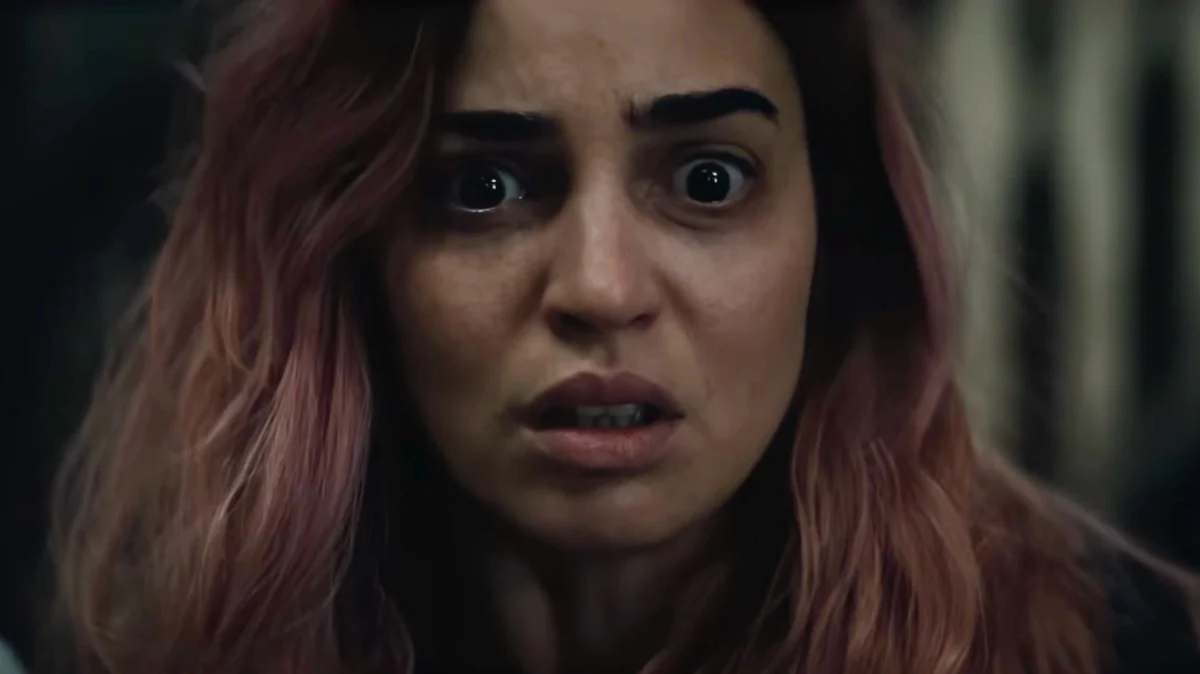
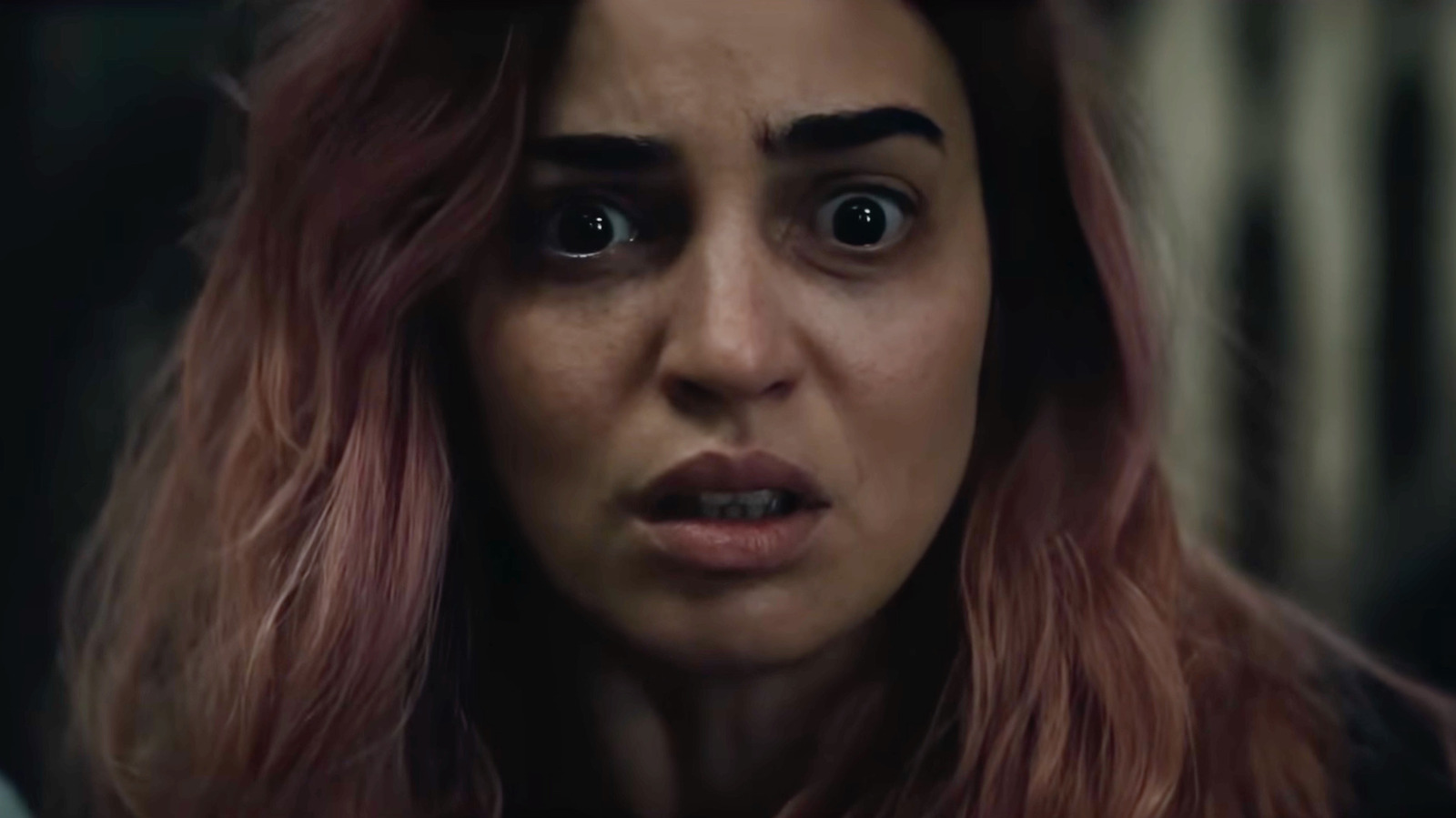
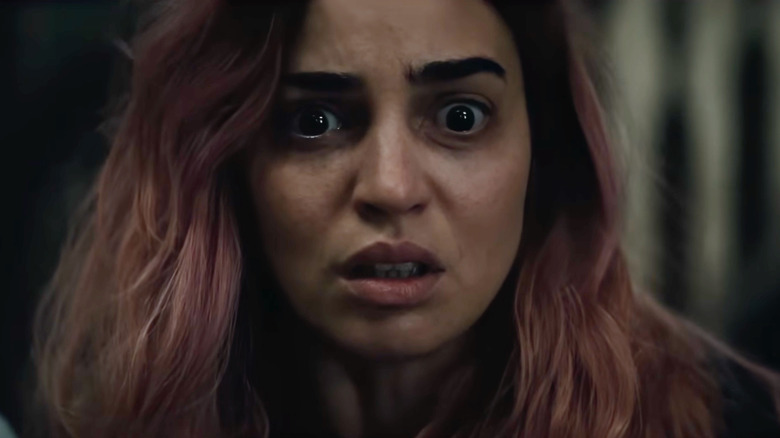
When the manager is pulled away by duty, the child’s curiosity gets the better of her. She discovers that one of the urns contains the cremated remains of Ellie Bixler—the primary, terrifying antagonist of Evil Dead Rise. In a moment of classic horror misdirection, the girl glances into a nearby mirror. There, she sees the reflection of Deadite Ellie, played once again by the chilling Alyssa Sutherland. The reunion is short-lived and brutal: the entity strikes, claiming another victim and establishing that the evil unleashed in the Los Angeles apartment complex was not contained, but merely waiting.
Supporting Data: Why This Matters for the Franchise
The inclusion of Ellie Bixler in the post-credits scene is a watershed moment for the Evil Dead braintrust, which includes the legendary creative team of Sam Raimi and Rob Tapert. Critics and fans have noted that this is the first time in the film series that a major non-Ash character has returned after their narrative arc seemingly concluded.
Recurring Villains: A Proven Strategy
While film fans might be surprised by this development, television audiences are already accustomed to this model. Ash vs. Evil Dead featured returning antagonists such as Ruby (Lucy Lawless), Cheryl (Ellen Sandweiss), and the infamous Henrietta (Ted Raimi). The creative decision to bring Ellie back suggests that Raimi and Tapert are looking to the television series’ successful model to revitalize the cinematic potential of the brand.
Domesticity and Trauma
Evil Dead Burn explores the lingering, corrosive effects of domestic trauma, and Ellie’s return serves as a literal manifestation of that theme. Just as trauma refuses to be buried, the Deadite spirit attached to Ellie has proven that it cannot be cremated into submission. This thematic layering adds a level of psychological depth that elevates the scene from a simple "jump scare" to a calculated narrative evolution.
Official Responses and Industry Implications
The reception to the post-credits reveal has been polarized. On social media platforms, the divide is stark: one camp of purists argues that Evil Dead thrives on its chaotic, unpredictable nature and that creating a "universe" limits the creative freedom of future directors. The opposing camp sees this as a long-overdue expansion, noting that the Evil Dead brand is strong enough to carry a cohesive cinematic mythos, similar to the Conjuring universe or the Insidious franchise.
Is New Line Cinema Building a "Deadite Universe"?
Industry analysts suggest that New Line Cinema may be looking to anchor their horror slate with a consistent, recognizable "face" for the Evil Dead brand. If the goal is to build a franchise that moves beyond the need for Ash Williams, creating a recurring "Face of the Deadites" in the vein of Ellie Bixler is a savvy move. Much like "Evil Ash" in Army of Darkness or the various demonic manifestations in the Conjuring films, a recurring villain allows for a shorthand in marketing and a sense of mounting dread for returning audiences.
The Road Ahead: Where Do We Go From Here?
The question remains: what does this mean for the future of the series?
With the next installment, Evil Dead Wrath, already confirmed to be a prequel, the timeline is becoming increasingly non-linear. This suggests that the Evil Dead creative team is building a tapestry that can be viewed in any order, yet rewards those who pay attention to the threads connecting them.
Speculation on Ellie’s Future
Will Ellie evolve into a "La Llorona" style figure—a cursed mother-figure hunting children across generations? Or will she become the central general of the Kandarian army, a commander for the dark forces that Ash fought for decades? The ambiguity is intentional.
For now, the audience is left with the same chilling realization as the child in the crematorium: the Naturom Demonto doesn’t just destroy lives; it possesses them. The return of Ellie Bixler serves as a reminder that in the world of Evil Dead, the fire doesn’t always cleanse the spirit. Sometimes, it only makes the evil stronger.
As the franchise moves into this new, interconnected era, fans can expect the "Evil Dead Universe" to become a recurring presence in the horror landscape. Whether this expansion will eventually lead to an Avengers-style crossover of survivors or a darker, more localized series of haunting tales remains to be seen. But one thing is certain: the book has been opened, and it will not be closing anytime soon.
Evil Dead Burn is currently playing in theaters nationwide.