For over a decade, Warner Bros. has navigated a turbulent sea of creative ambition and fiscal instability in its attempts to translate the DC Comics library into a cohesive, high-performing cinematic universe. While the brand has undoubtedly produced cultural touchstones, the narrative of DC’s performance in the 2020s has been defined by a jarring "boom-and-bust" cycle. From the collapse of the Snyder-era DC Extended Universe (DCEU) to the current transitional phase under DC Studios, the studio is currently weathering one of the most significant and sustained box office slumps in the history of mainstream Hollywood.
The Chronology of a Crisis: From "Man of Steel" to "Supergirl"
To understand the current malaise, one must look at the timeline of DC’s struggle to find a stable foothold. The 2013 release of "Man of Steel" was intended to be the cornerstone of a sprawling interconnected universe. However, the subsequent years were marked by a lack of tonal consistency and public-facing instability. The tipping point arrived in 2017 with "Justice League," a production fraught with behind-the-scenes turmoil that resulted in a commercial disappointment, effectively stalling the momentum of the entire franchise.
Despite attempts to pivot—including the critically acclaimed but commercially modest "Birds of Prey" and the pandemic-impacted "Wonder Woman 1984"—the hits have been dangerously infrequent. The 2022 release of "The Batman," directed by Matt Reeves, served as a glimmer of hope, proving that standalone, high-quality projects could still command significant global interest with $772 million at the box office. Yet, that success was quickly overshadowed by the underperformance of "Black Adam," a project that suffered despite the massive star power of Dwayne "The Rock" Johnson.
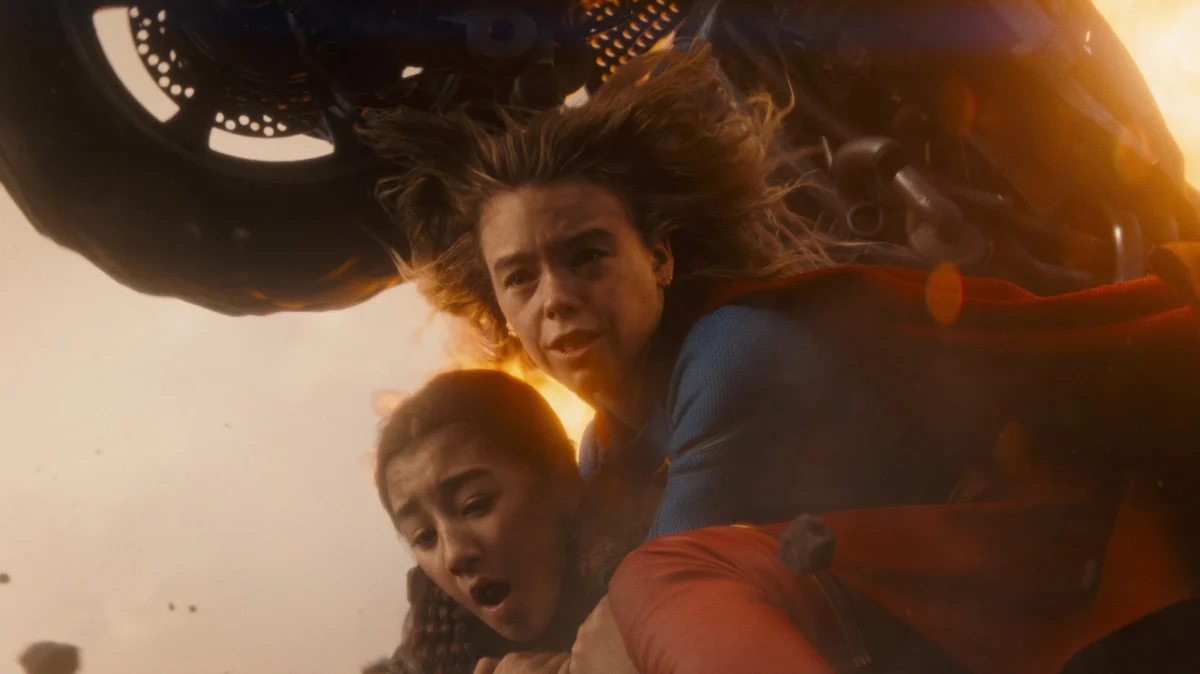
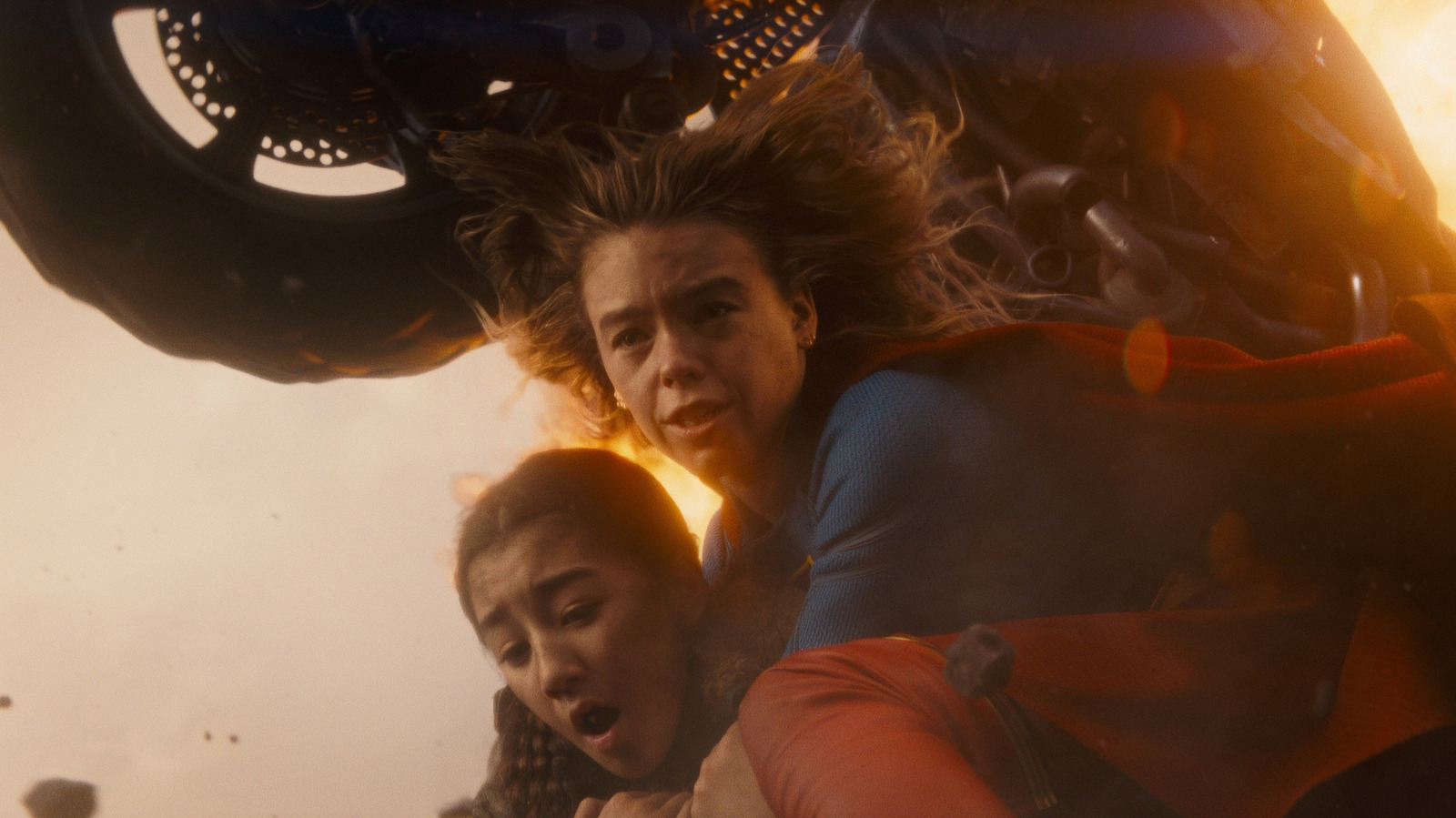
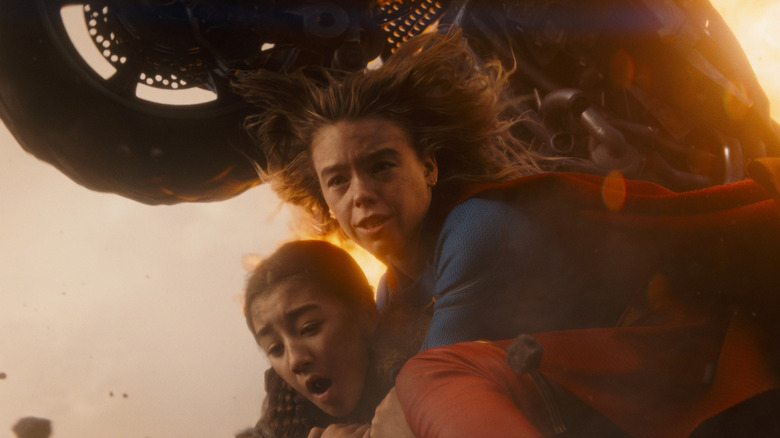
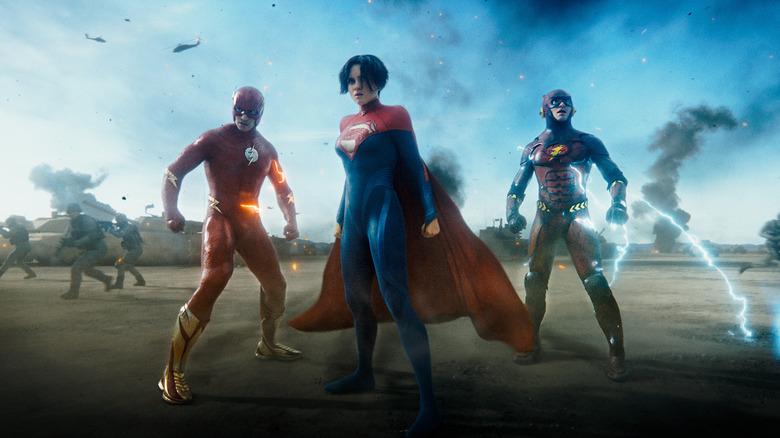
The year 2023 proved to be an "annus horribilis" for the brand. "The Flash," which had been positioned as a multiversal event of historic proportions, suffered from a confluence of internal controversies, creative fatigue, and a shifting market, ultimately failing to recoup its massive $200 million budget. This was followed by a string of disappointments, including "Shazam! Fury of the Gods" and "Blue Beetle," both of which struggled to find an audience in an increasingly crowded and skeptical marketplace. The trend hit a nadir with the 2024 release of "Joker: Folie à Deux," which failed to capture the lightning-in-a-bottle success of its $1 billion-grossing predecessor, earning only $207 million against a $200 million budget. Most recently, the tepid reception of "Supergirl" has cemented the perception that the studio is struggling to maintain consumer trust.
Supporting Data: The Disparity in Performance
A quantitative analysis of the last five years reveals a stark disparity between DC and its primary competitor, the Marvel Cinematic Universe (MCU). Since 2020, Warner Bros. has released 13 major DC-branded films, which have collectively earned approximately $3.8 billion at the global box office. While this sounds substantial, the combined production budgets for these films hover around $2.2 billion—and that figure does not include the exorbitant marketing and distribution costs (P&A) that often double the effective investment.
By contrast, the MCU released 14 films in the same period, generating nearly $9.9 billion in global box office revenue with a combined budget of approximately $2.7 billion. Even when accounting for the disruptions caused by the COVID-19 pandemic, which hit the 2020-2021 release windows particularly hard, the difference in return on investment (ROI) is staggering.
The data highlights a recurring issue: DC’s "misses" have become larger and more frequent. Films like "The Suicide Squad" ($168 million global) and "Shazam! Fury of the Gods" ($134 million) failed to break even, often by wide margins. Even the animated "DC League of Super-Pets," a film perceived as a "safe" bet, failed to hit the necessary targets, grossing only $207 million on a $90 million budget. These figures suggest that the "superhero fatigue" often cited by analysts is not a universal phenomenon, but rather a selective trend—audiences are still showing up for specific hits, but they are increasingly unwilling to support middle-tier, "franchise-filler" content.
The Strategy Under Gunn and Safran
In response to these systemic failures, Warner Bros. Discovery CEO David Zaslav initiated a massive structural overhaul, bringing in James Gunn and Peter Safran to lead the newly formed DC Studios. Their mandate is clear: to establish a cohesive DCU (DC Universe) that prioritizes quality and narrative consistency over the reactionary, fragmented approach of the previous decade.
The 2025 release of "Superman," which grossed $618 million worldwide, serves as the first major indicator of their potential success. It stands as the highest-grossing comic book movie of its respective year, proving that the brand still has the capacity to dominate the conversation when the product is perceived as "event" cinema. However, Gunn and Safran face the uphill task of rebuilding a reputation that has been battered by years of inconsistency.
The studio’s current strategy appears to be one of "selective expansion." By focusing on distinct visions—such as the grounded, darker tone of the Batman spin-offs versus the more expansive, cosmic scope of the new Superman cycle—they are attempting to diversify their offerings. However, as the disappointing performance of Supergirl demonstrates, the audience is no longer willing to buy into a "shared universe" tax. Every film must stand on its own merits.
Implications for the Industry
The implications of this prolonged slump extend beyond the boardroom of Warner Bros. It serves as a bellwether for the entire superhero genre. For over a decade, the industry relied on the assumption that any film featuring a caped crusader would inherently be a lucrative venture. That era has definitively ended.
1. The Death of the "Safe" Budget
Studios can no longer justify $200 million budgets for secondary characters or unproven intellectual property. The "Supergirl" flop highlights that high production values are no longer a substitute for a compelling, fresh narrative. We are likely to see a return to more modest budgets for non-tentpole projects to mitigate financial risk.
2. The Return of Tonal Diversity
The success of "The Batman" and the failure of "Joker: Folie à Deux" illustrate that audiences are craving distinct, auteur-driven visions rather than assembly-line content. DC is shifting away from the "committee-designed" blockbusters that characterized the late 2010s in favor of filmmaker-led projects.
3. The Re-evaluation of "Shared Universes"
Marvel’s early success was built on the novelty of a shared universe. Today, that novelty has worn off. DC’s biggest challenge is proving that their new universe is not just a collection of movies, but a narrative tapestry that is essential to the viewing experience. If audiences don’t feel the need to see the next installment, the "universe" aspect fails to add value to the individual films.
Conclusion: A Turning Point or a Fading Era?
The current state of DC at the box office is a cautionary tale of how quickly brand equity can erode. While the success of "Superman" suggests that the ship can be righted, the consistent underperformance of other projects indicates that the studio is still in the early stages of a difficult recovery.
Warner Bros. stands at a crossroads. They possess one of the most valuable intellectual property libraries in the world, yet they have struggled to find a sustainable business model in the post-pandemic market. The path forward for James Gunn and Peter Safran requires more than just a new roadmap; it requires a fundamental shift in how they engage with a modern, discerning audience. Whether the recent string of flops is merely a "cleansing of the palate" before a new golden age or a sign that the DC brand has permanently lost its luster remains to be seen. One thing is certain: in an era of $200 million bets, the margin for error has evaporated, and the days of the "guaranteed hit" are long gone.