

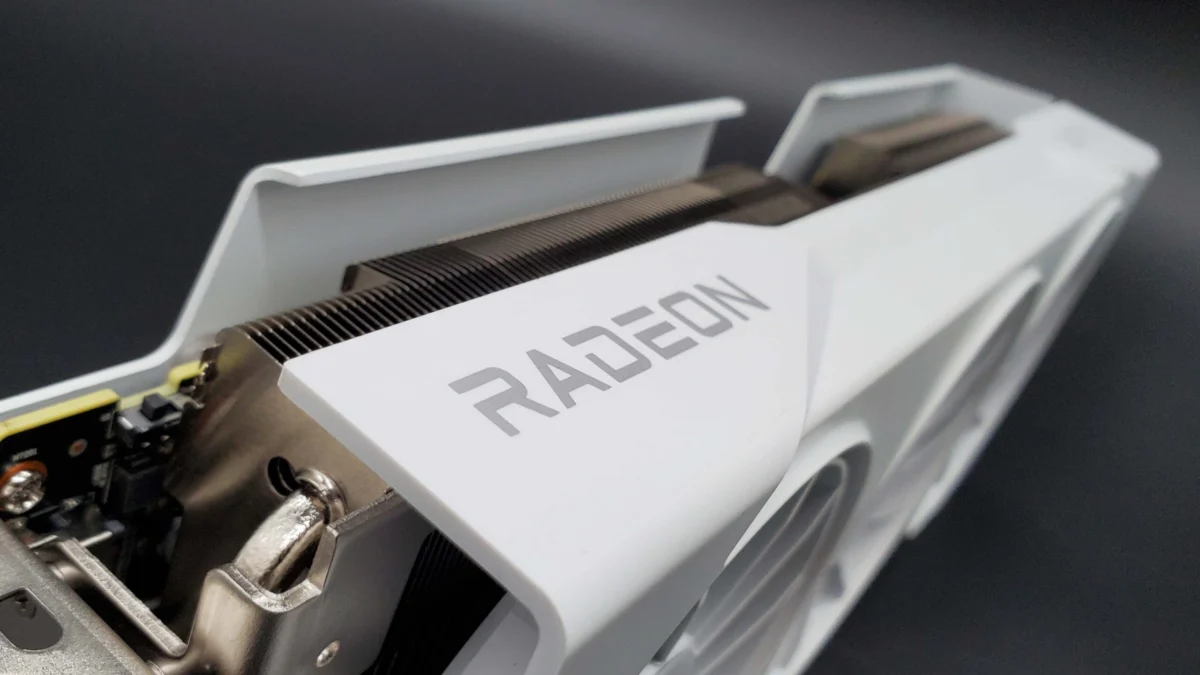
In the competitive landscape of high-performance graphics, the narrative has long been dictated by "out-of-the-box" performance. Manufacturers have historically pushed clock speeds to their absolute thermal and electrical limits to claim the top spot in benchmark charts, often leaving enthusiasts with little room to maneuver. However, following the recent release of the AMD Radeon RX 9070 GRE, a significant strategic pivot has come to light. AMD is consciously leaving performance on the table, intentionally designing their latest GPUs to offer substantial overclocking and undervolting headroom for the end user.
During a discussion at Computex 2026 in Taipei, David McAfee, who oversees AMD’s Ryzen and Radeon business, confirmed that this shift is not a byproduct of manufacturing variance, but a deliberate, community-centric philosophy. By moving away from the "factory-pushed" performance model, AMD is attempting to rekindle the spirit of hardware exploration that has defined PC gaming for decades.
The Evolution of the GPU Market: A Chronology of Constraint
To understand the significance of this change, one must look at the trajectory of graphics card releases over the past decade. For years, the industry trend was "productization to the limit." Manufacturers, eager to differentiate their SKUs in a crowded market, would bin the best silicon and push it to its maximum stable frequency.
- The Era of Peak Factory Overclocks (2018–2022): During this period, consumers saw an explosion of "OC" branded cards. These GPUs were factory-tuned to such high levels that the voltage-frequency curve was essentially tapped out. For the average user, this was a benefit; for the enthusiast, it was a restriction.
- The Efficiency Pivot (2023–2025): As power consumption and thermal design power (TDP) targets became more critical, manufacturers began balancing performance with efficiency. However, the focus remained on the stock experience.
- The "Navi 48" Philosophy (2026–Present): With the introduction of the Navi 48 architecture, specifically the RX 9070 GRE, AMD has shifted the focus. By keeping the stock settings slightly more conservative, the hardware retains a "hidden" performance tier accessible only to those willing to experiment with undervolting and manual tuning.
This change marks a departure from the "squeezing every drop" mentality that dominated previous generations. By leaving a buffer, AMD is effectively inviting the enthusiast community to participate in the optimization of their own hardware.
Supporting Data: The Impact of Undervolting
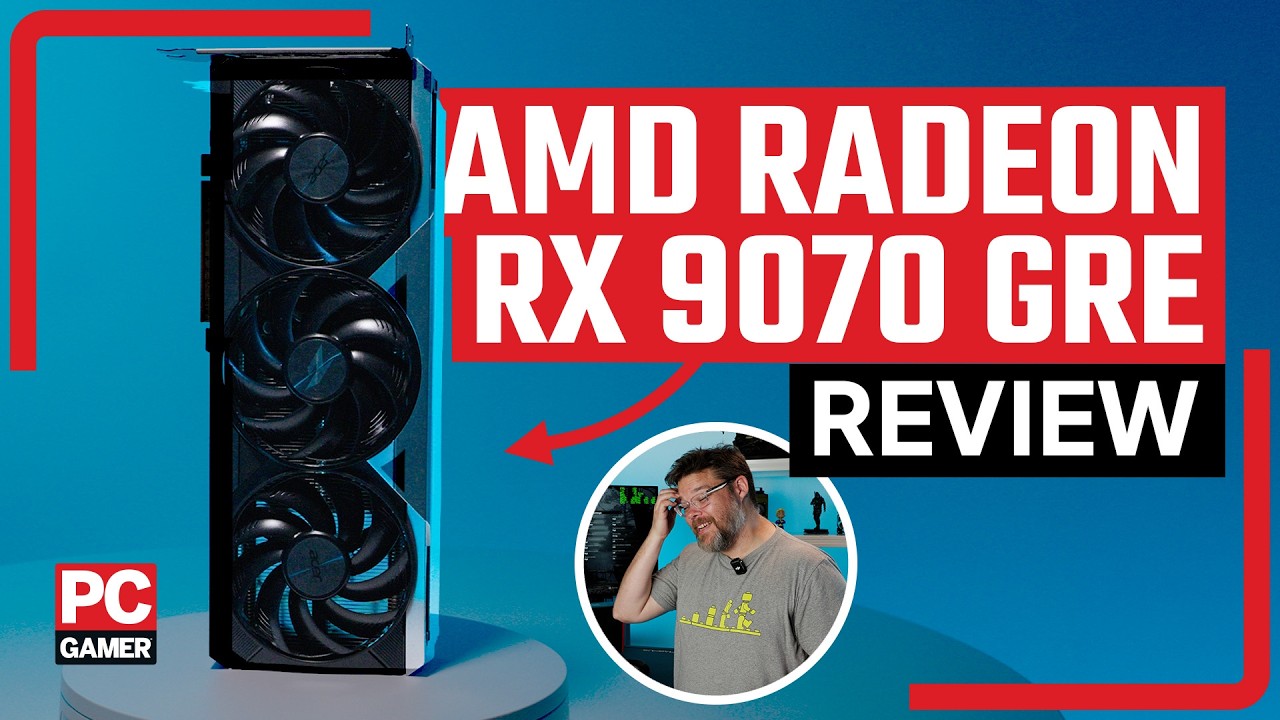
The Radeon RX 9070 GRE has become the poster child for this new approach. Initial testing reveals that while the card performs exceptionally well at its factory defaults, its true potential is unlocked through user intervention.
Undervolting—the process of reducing the voltage supplied to the GPU while maintaining or increasing clock speeds—has shown that the Navi 48 architecture is remarkably efficient. By tightening the voltage-frequency curve, users have reported:
- Reduced Thermal Output: Lower operating temperatures, which lead to quieter fan profiles and increased component longevity.
- Sustained Boost Clocks: By lowering voltage, the GPU remains further away from its thermal throttling limit, allowing it to sustain higher boost clocks for longer gaming sessions.
- Power Efficiency Gains: A more favorable performance-per-watt ratio, which benefits both the electricity bill and the stability of the power supply unit (PSU).
These metrics suggest that the "headroom" isn’t just about raw speed; it is about providing the user with a platform that can be tailored to their specific environment, whether that be a compact ITX build requiring lower heat or an enthusiast rig chasing the absolute maximum frame rate.
Official Responses: The Philosophy Behind the Silicon
When asked about this intentional design choice, David McAfee was candid about the inspiration behind the shift. Drawing parallels to the early days of the Ryzen processor launch, McAfee noted that the community-centric approach is the cornerstone of the company’s long-term strategy.
"It was certainly not accidental," McAfee stated during our interview in Taipei. "I think that we understand that, both for CPUs and GPUs, overclockability is a core part of what many of our buyers, our gamers, and enthusiasts are looking for."
McAfee elaborated on the historical frustration of the community: "In years past, the product definition would squeeze every bit of overclocking headroom out of the product and productize it just as a stock SKU. That left the community with really no room to have fun with the product and experiment and see what they could do. Our strategy with this generation of products and going forward is very different."
The comparison to Ryzen is vital here. The Ryzen CPU lineup earned its reputation by offering unlocked multipliers and performance gains that were accessible to the mainstream, effectively democratizing high-end computing. AMD is now attempting to replicate that "story arc" with the Radeon brand, focusing on value-driven experiences that don’t end the moment the card is pulled from the box.
Implications for the Future of PC Gaming
The decision to reserve headroom has profound implications for the future of the GPU market.
1. Re-engagement of the Enthusiast Community
For years, the enthusiast community has complained that "tuning is dead" because modern cards are already pushed to their absolute limit. By reintroducing meaningful headroom, AMD is validating the time and effort enthusiasts spend in software like Adrenalin. This creates a feedback loop where the community produces content—guides, benchmarks, and stable voltage tables—that adds value to the product long after its launch.
2. Longevity and "Future-Proofing"
A card that is not pushed to its absolute electrical limit on day one has a longer natural life cycle. As games become more demanding, users can utilize that reserved headroom to squeeze extra performance out of their hardware two or three years down the line. It transforms the GPU from a static piece of hardware into a dynamic tool that evolves with the user’s needs.
3. Integration with Software Ecosystems
McAfee highlighted that hardware is only one piece of the puzzle. The strategy includes a heavy emphasis on technologies like FSR (FidelityFX Super Resolution) and deeper integration into high-profile game titles. The goal is to provide a comprehensive experience where the hardware serves as a foundation for a suite of features that enhance the gaming experience, rather than just being a raw processor of frames.
4. A Multi-Generational Commitment
Perhaps the most significant takeaway is that this is not a one-off experiment. McAfee acknowledged that building the "perfect" Radeon platform is a long-term goal. "It’s going to take us generations to build the perfect Radeon platform," he noted. This suggests that future architectures will continue to prioritize this headroom, signaling a departure from the aggressive, short-term performance targets that have defined recent GPU wars.
Conclusion: Value Beyond the Box
The Radeon RX 9070 GRE represents more than just a new piece of silicon; it represents a philosophical shift in how a major hardware manufacturer views its relationship with its users. By intentionally leaving performance headroom, AMD is betting that the longevity of its brand, the engagement of its community, and the overall value provided to the end user are more important than topping a benchmark chart on the day of release.
For the gamer, this is a welcome change. It returns a sense of agency to the user, allowing them to participate in the performance of their system. Whether through undervolting for a cooler, quieter experience, or overclocking for that extra competitive edge, the user is no longer a passive recipient of pre-configured performance. As AMD continues to refine the Radeon platform, this commitment to "room to go" may well become the defining characteristic of the brand, setting a new standard for what it means to own and operate high-end PC hardware.












No comments yet. Be the first to join the conversation!